Throughout the mid-1950s, country music dynamo Johnny Cash established himself as one of America’s rising stars with hit singles such as “I Walk the Line.” Cash initially made a name for himself on the Sun Records roster. Headed up by producer Sam Phillips, the label took the United States by storm with its rockabilly sound and trailblazing artists such as Carl Perkins.
As much success as Cash had already had with Sun Records, he yearned for something different. Even during his initial auditions for Phillips, he played gospel songs. Though his first two albums had more raucous stylings, he continued to ask Phillips when he’d get the chance to record a gospel album.
Eventually, the producer leveled with him and told Cash he didn’t have an interest in recording gospel music, not because he didn’t like it, but because he thought it wouldn’t sell.
The country musician stood at a professional crossroads. In 1958, just four years after signing with Sun Records, Cash left the Tennessee label for the Big Apple and signed with Columbia Records in New York City.
The Columbia Record label offered him something he desperately wanted: artistic freedom. When Cash joined the label, executives promised him he’d be able to make the gospel album he’d wanted to record since his earliest days breaking into the industry.
Childhood Inspiration
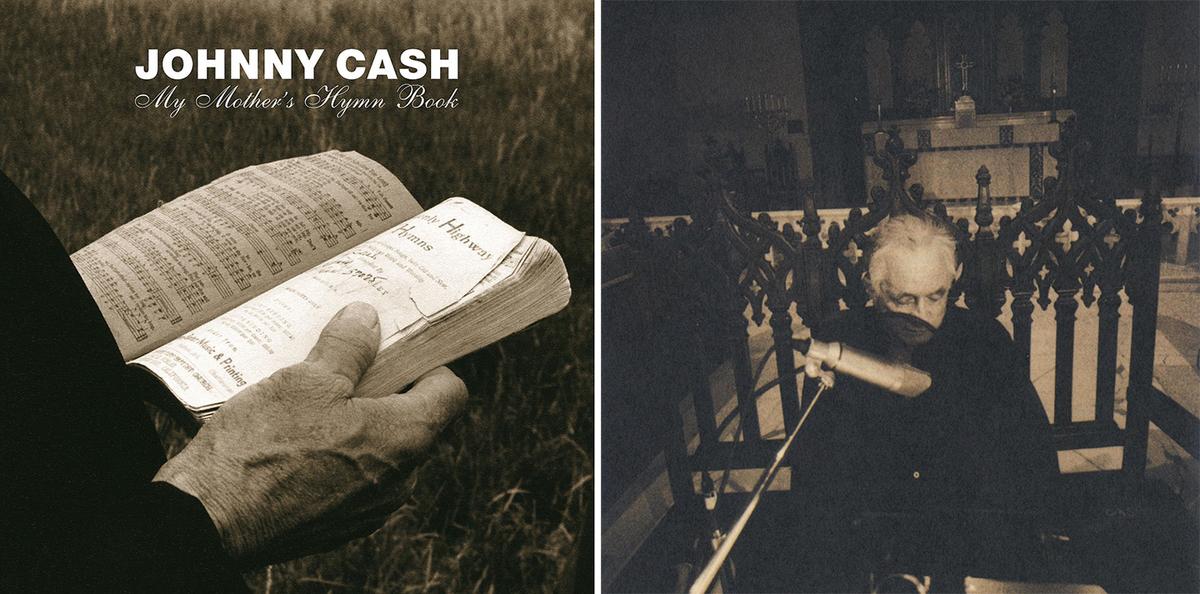
In 1959, “Hymns by Johnny Cash” was released, and it sold 500,000 copies. His first journey into recording gospel music with Columbia was a success. From then on, Cash incorporated gospel elements into his records and performances.
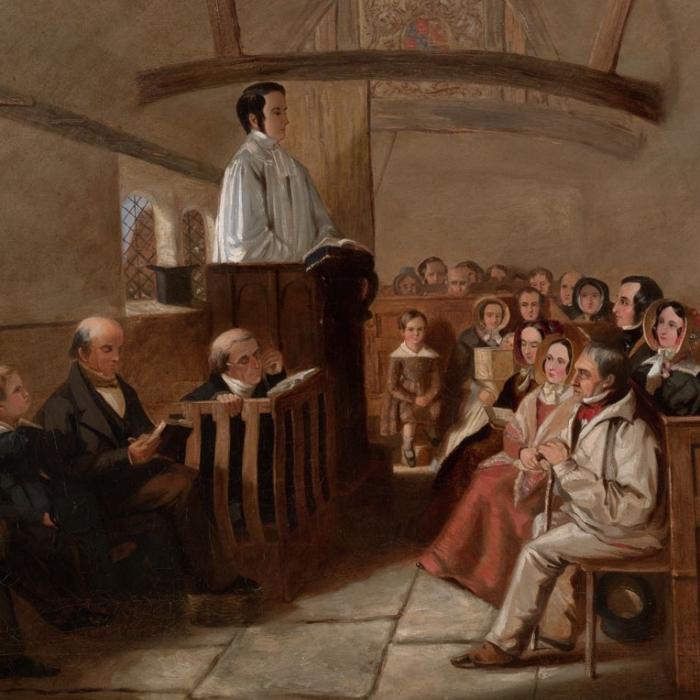
This wasn’t out of character for Cash. Before he became one of country music’s household names, he was a dedicated gospel singer. His mother, Carrie, fostered his connection to faith through music, and gospel hymns were his biggest childhood musical influence.
“Gospel music is so ingrained into my bones; I can’t do a concert without singing a gospel song. It’s what I was raised on. It was the thing that inspired me as a child,” he said.
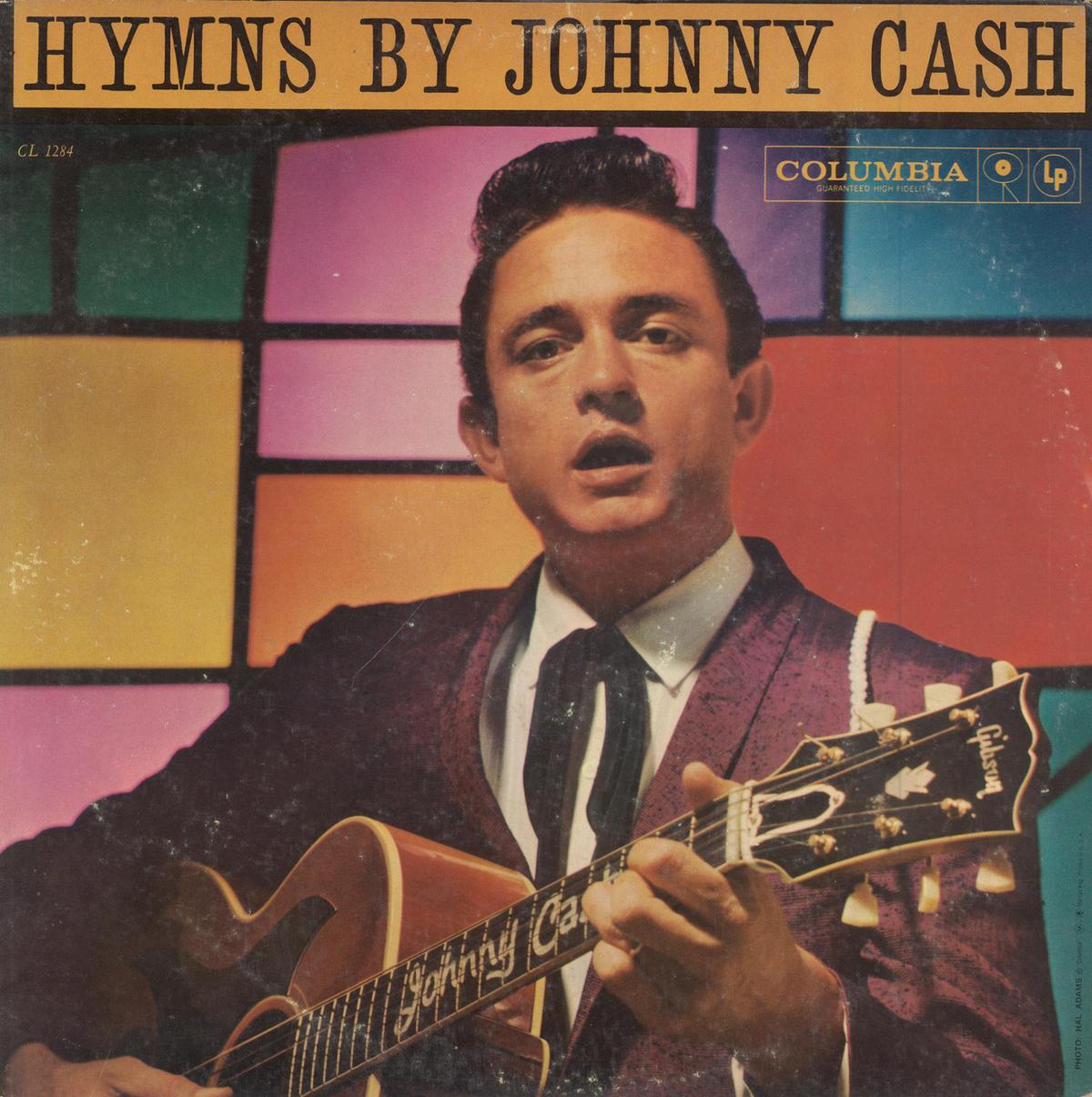
With the release of “Hymns by Johnny Cash,” listeners were graced with one of the musician’s most powerful records. It was powerful in part because of its honesty. The track listing is full of hymns he grew up listening to and ones specially selected for the project.
The opener, “It Was Jesus,” is a joyful celebration of Jesus’s healing and miraculous works. His baritone vocal range takes center stage on the moving, languid ballad “Lead Me Gently Home.” He included renditions of some of the gospel genre’s most enduring compositions, such as “Swing Low, Sweet Chariot.”
Musical Ministry
Cash grew up in a spiritual household, but the time he spent in the music industry took its toll; soon, he was no stranger to vices. Even with his struggles, though, or maybe because of them, his faith grew stronger as he grew older.
When asked about how he felt called to spread the gospel through his music, Cash gave an honest and humble answer, saying, “I’ve been through a lot in my time, and I always knew that God was saving me for something special. I believe we’re doing that work right now.”
He continued, “I really feel very strongly about this: There are those of us who are called to the ministry musically.”
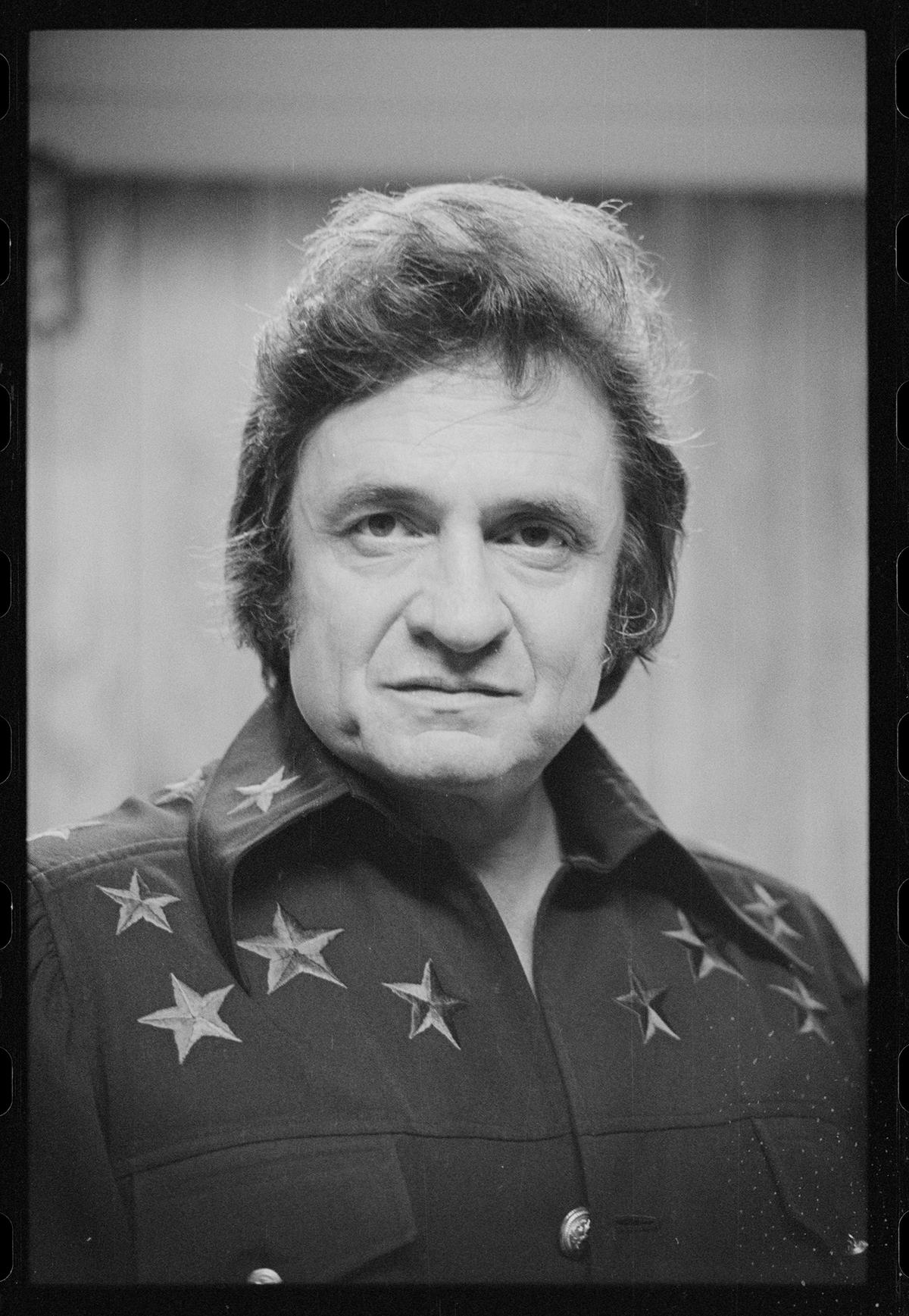
Throughout the remainder of his career until he passed in 2003, Cash released an array of gospel classics and personal favorites, including variations of “I’ll Fly Away” and “The Old Rugged Cross.” His original gospel songs are heavier than his covers, and include popular, haunting tracks such as “The Man Comes Around.”
When listening to his gospel repertoire as a whole, one can see the progression from a wide-eyed believer and star in the making to a more grounded, introspective follower of God. His relationship with his faith became an anchoring element within his recordings and artistic journey.
During his interview with Myers, Cash remarked, “I’m not really totally alive until I’m on stage performing. I perform my best when I’m performing gospel music.”
The initial gospel release by the Man in Black would go on to be a vital part of his live performances. “Hymns by Johnny Cash” inspired an expansive discography full of visionary and soul-stirring faith-based tracks so individually rendered, so unmistakably Johnny Cash, that no one has been able to replicate the style.
Perhaps, no one ever will.