Peter Paul Rubens (1577–1640) was the consummate polymath: an erudite diplomat who spoke six languages fluently, an astute and successful entrepreneur, and one of the greatest artists of the Baroque movement. The variety of his oeuvre is astounding. Helming a large studio, his output included altarpieces, portraits, history paintings, landscapes, drawings, large-scale decorative schemes for interiors, tapestry designs, and book illustrations.
Rubens’s paintings employ bravura brushstrokes, dynamic movement, rich color, and dramatic lighting effects. They commemorate heroic stories from mythology, venerate Catholic iconography, and portray royals from throughout Europe.
In between fulfilling many commissions, Rubens created portraits of his family. These rank among his most intimate and tender artworks.
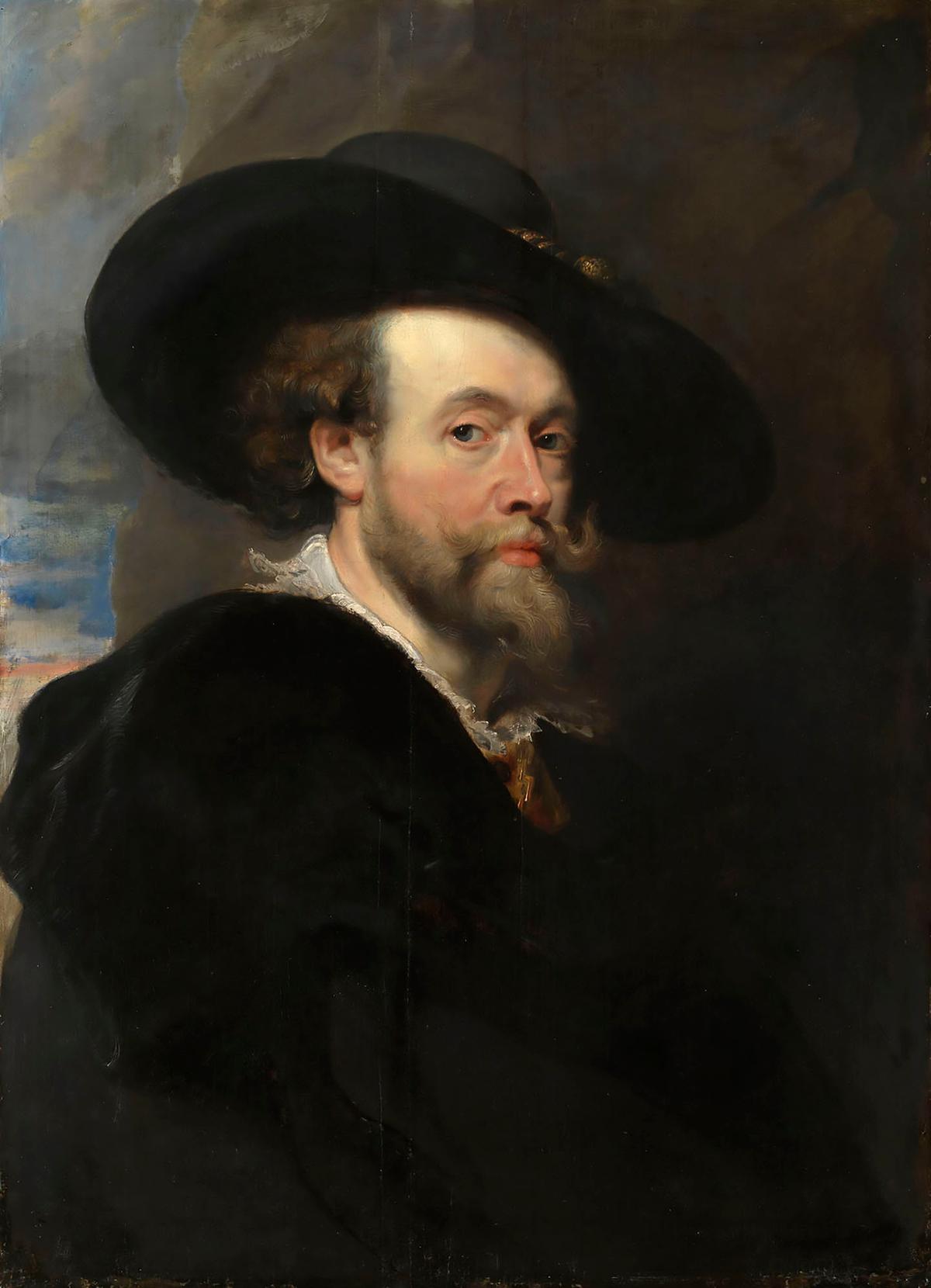
Rubens’s Early Education
The great Flemish artist was actually born in Siegen, Germany, but his family moved to Antwerp, Spanish Netherlands in 1589. Rubens was given a comprehensive classical education, and this scholarship became a crucial foundation for his intellectually inspired art. His first job, at the age of 13, was as a page in the household of a countess. It exposed him to the courtly circles that would become the milieu of his professional life. Afterwards, Rubens trained under three Antwerp painters.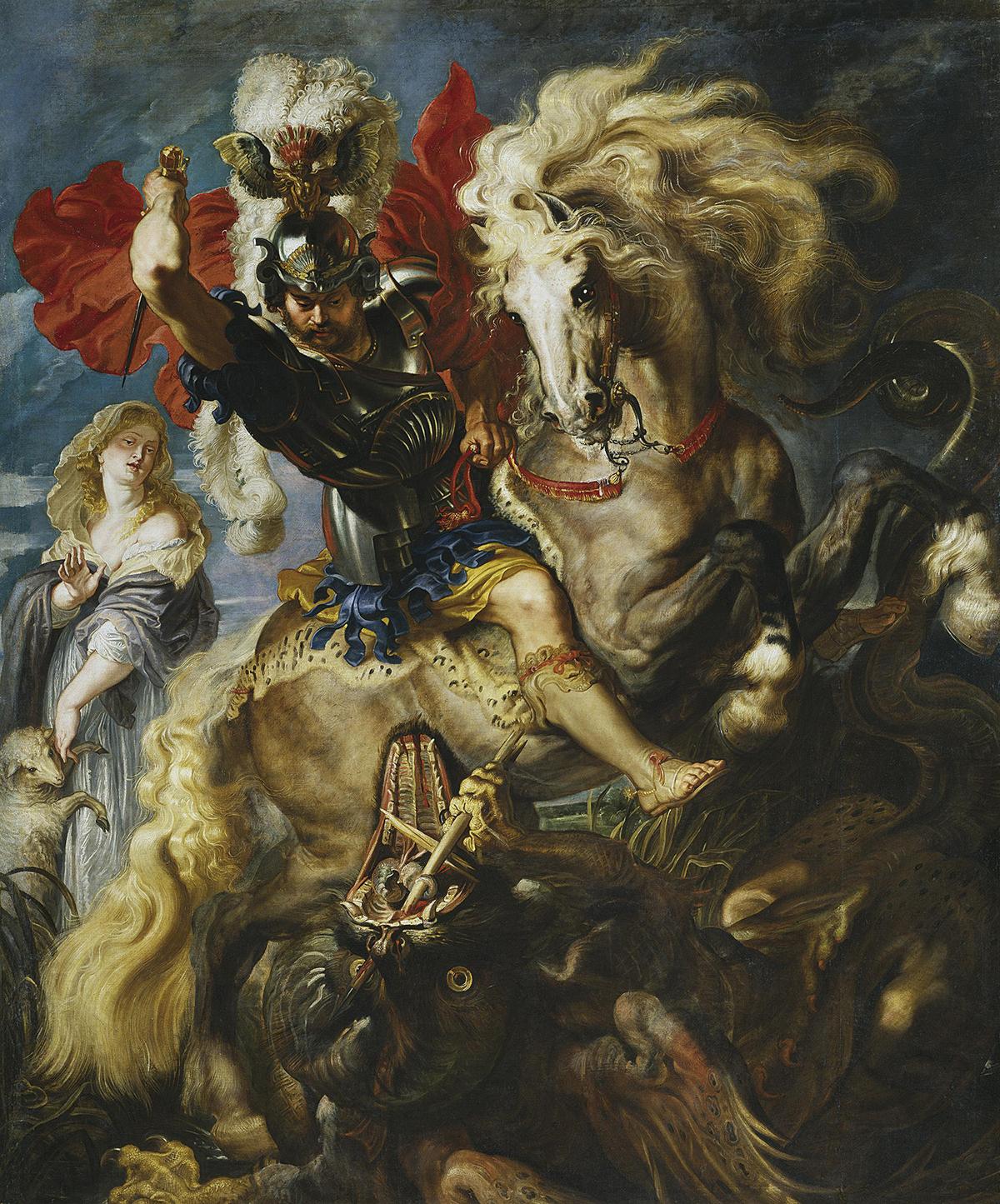
Domestic Bliss With Isabella
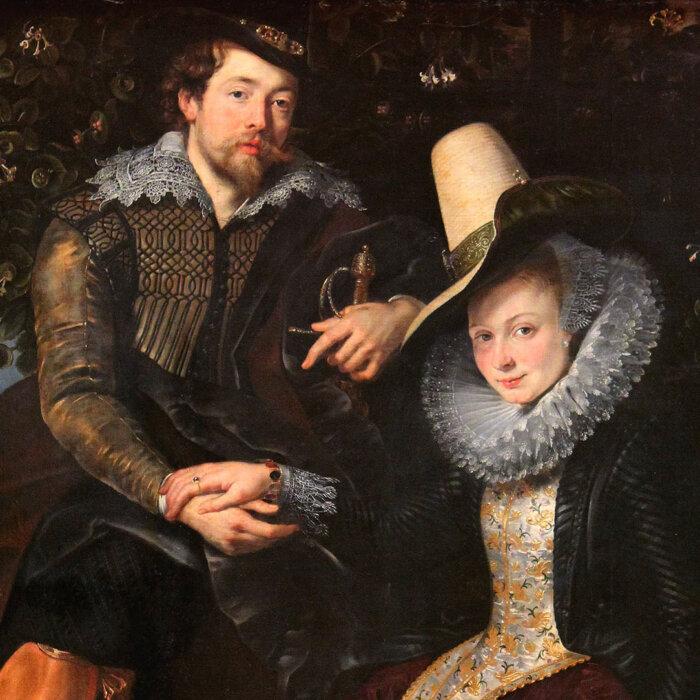
Rubens had a banner year in 1609. Resettled in Antwerp, he was appointed court painter to the rulers of the Spanish Netherlands, Archduke Albert and Archduchess Isabella. In addition, he married Isabella Brant (1591–1626). The double-portrait he made to celebrate the union, “Rubens and Isabella Brant in the Honeysuckle Bower,” shows their deep bond, affirmed by their clasped hands. It is housed in Munich’s Alte Pinakothek.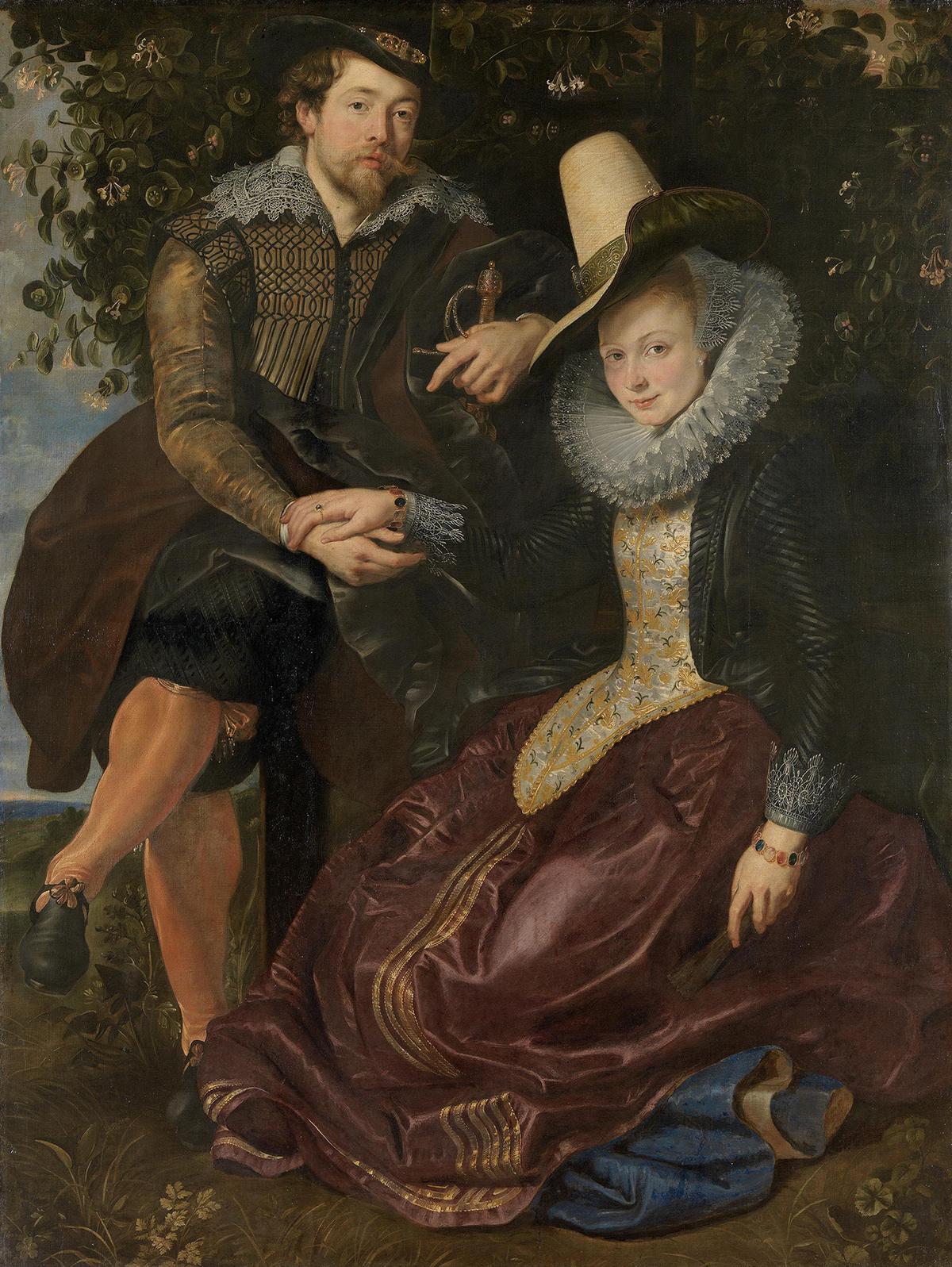
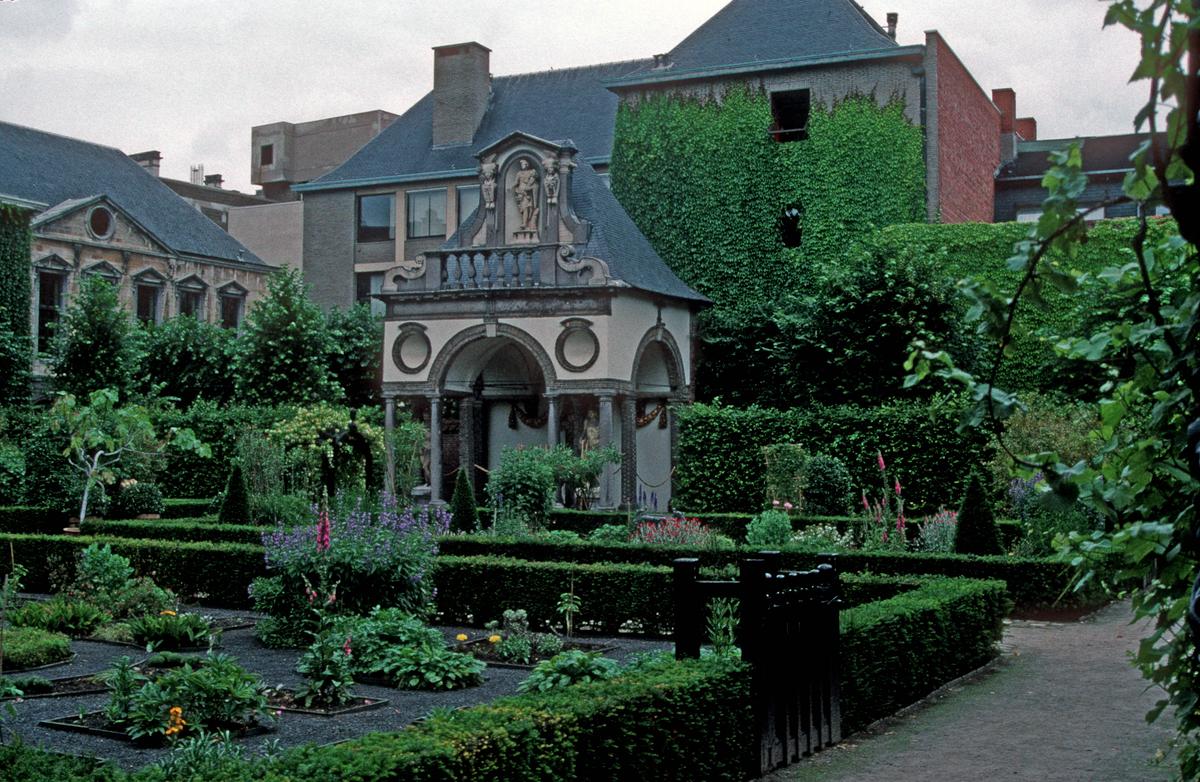
The following year he purchased a plot of land in Antwerp that he had admired since childhood. Rubens designed a large Italianate-style house with a studio, residence, and courtyard, as well as a lush garden entered through a portico. Today it is all part of a museum called Rubenshuis. Professionally, Rubens continued to be highly successful, with ecclesiastical and royal commissions. Personally, he and Isabella enjoyed domestic bliss and the birth of three children. Rubens captured his growing family in paintings and drawings.
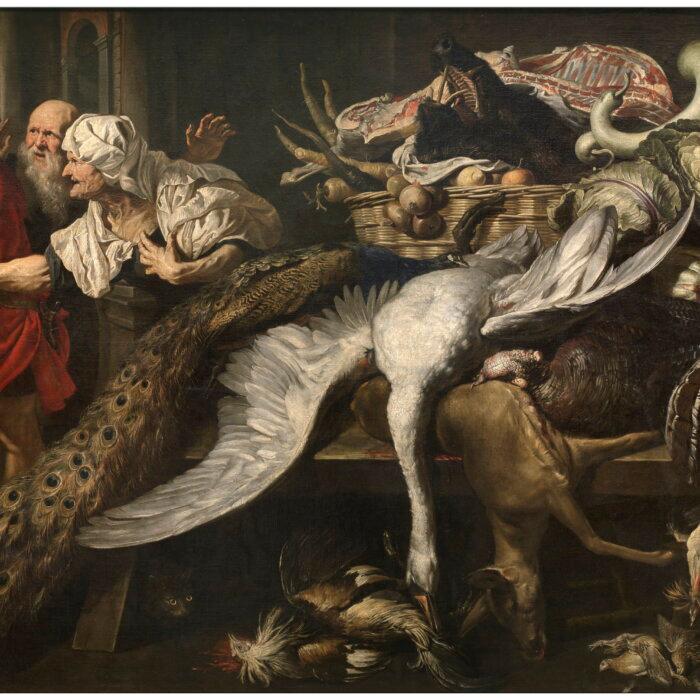
Isabella died in 1626, likely from the plague. Devastated, Rubens threw himself into his work, with diplomatic assignments at the royal courts of Spain and England along with commissions from these countries’ respective kings.
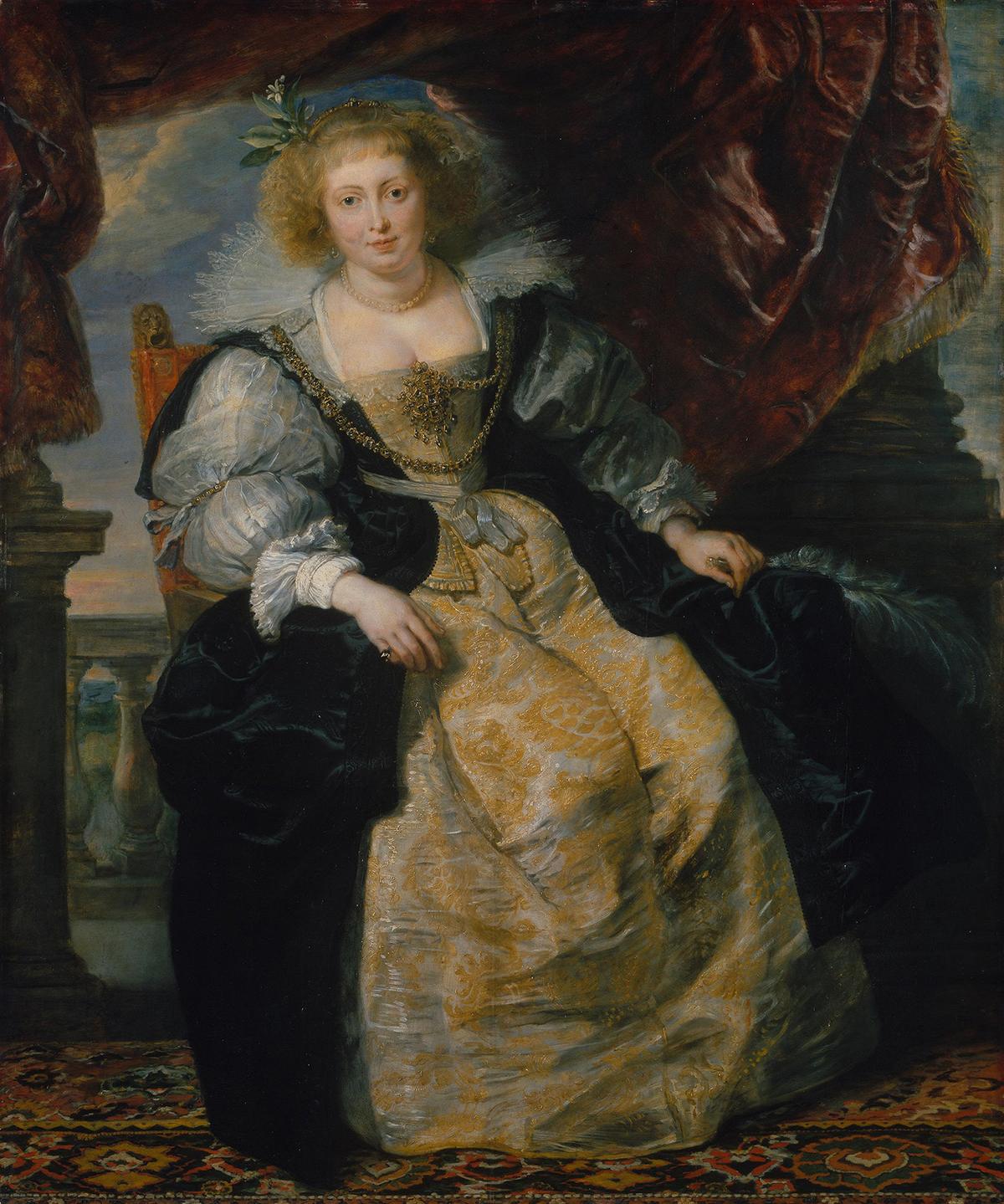
Rubens remarried in 1630. He chose Helena Fourment as his wife, a decision that surprised his peers. His patroness Archduchess Isabella had made him a “gentleman of the household” and King Philip IV of Spain (her nephew) had granted him a patent of nobility; thus, Rubens was eligible to marry an aristocrat. Helena, however, was the daughter of a wealthy Antwerp merchant, a patron and friend of Rubens.
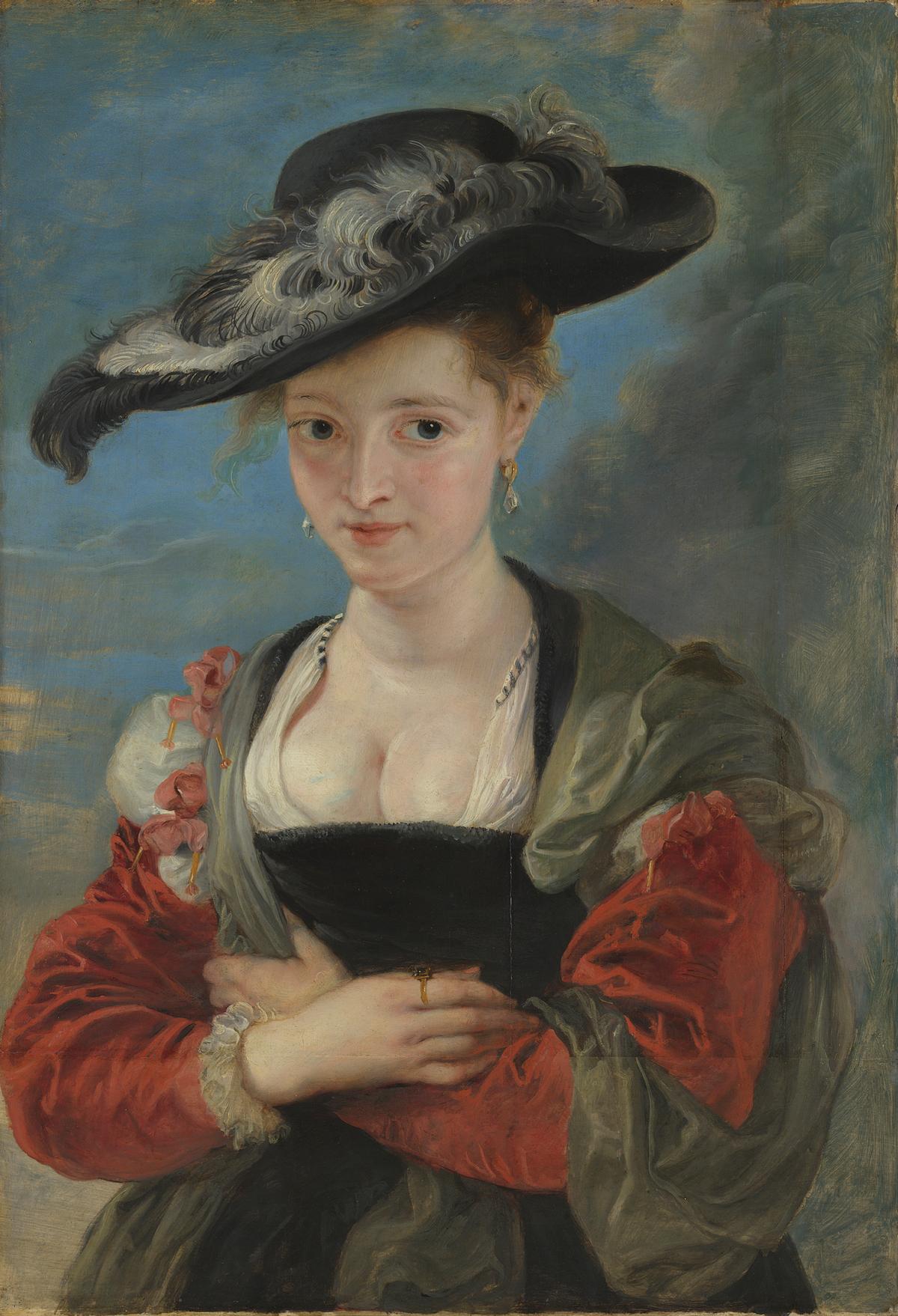
Several years before marrying Helena, Rubens had painted a portrait of a charismatic woman, a now beloved work at London’s National Gallery. Known as “Le Chapeau de Paille,” it is believed to be one of several likenesses he made of Helena’s older sister Susanna Lunden (1599–1643). Susanna’s daughter went on to marry Rubens’s oldest son by his first wife.
The Aristocratic Muse
Helena was noted for her great beauty, and Rubens preferred her character to the vanity he found in many noblewomen. Their age difference was significant—at the time of their wedding she was 16 and he was 52—but they had a successful union that produced five children.Helena was the great muse of Rubens’s final decade of work. He painted her alone as well as with their children in portraits. As his ideal woman, her image featured consistently in his mythological and religious works, too.
“Rubens, Helena Fourment (1614–1673), and Their Son Frans (1633–1678)” is one of the artist’s great paintings from his late career. Dated to circa 1635, this oil on wood is part of the Metropolitan Museum of Art’s collection and was owned previously by the Dukes of Marlborough, a French branch of the Rothschild family, and Charles and Jayne Wrightsman.
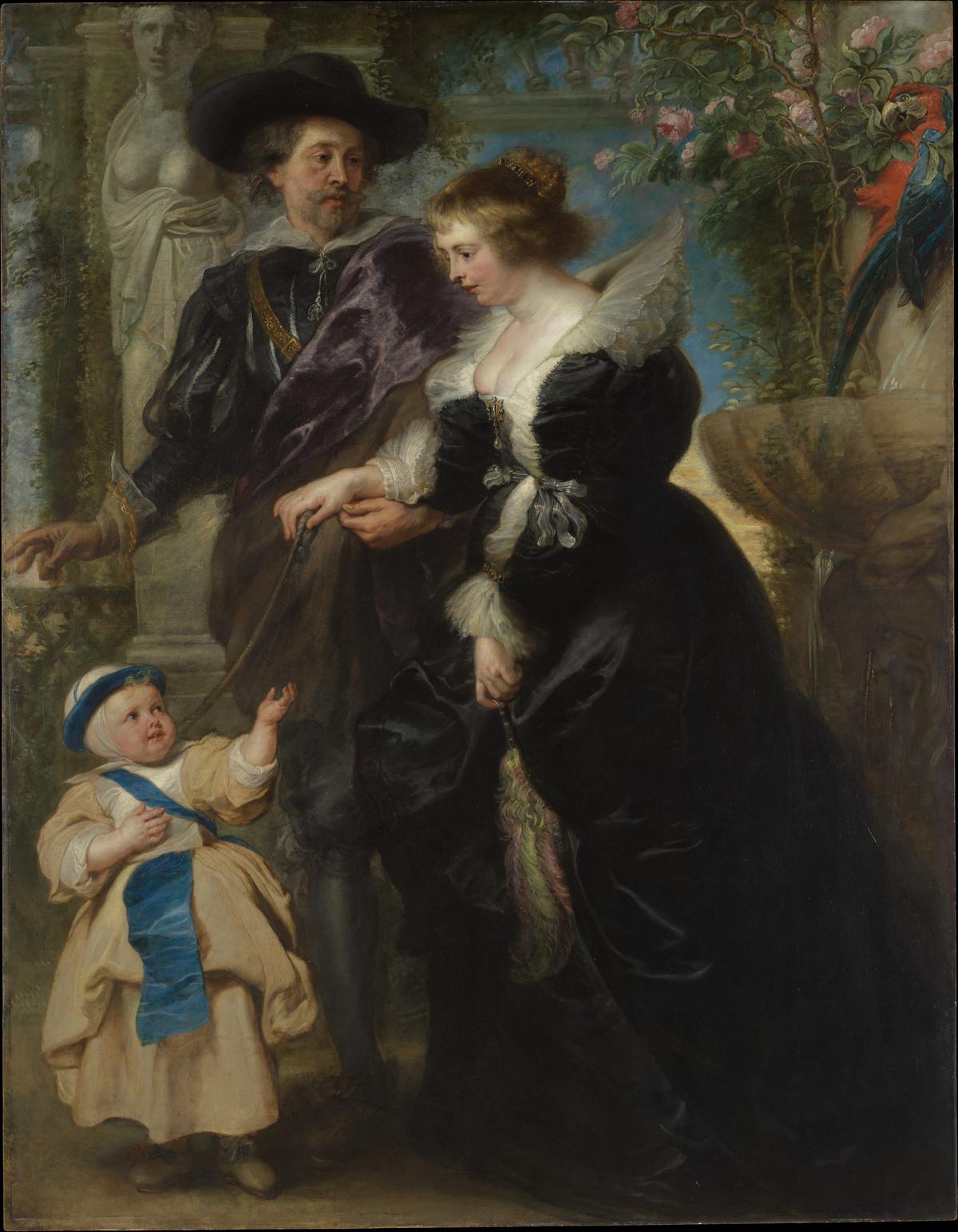
Rubens depicts himself strolling with Helena. Their hands touch tenderly, similar to the positioning in “Honeysuckle Bower,” but this time the couple’s 37-year age difference is noticeable as her hand is youthful and his is weathered. Rubens’s noble status is indicated by the leather sword belt, called a baldric, worn across his chest.
The couple’s first child was a girl. Since only one child is included in the painting, scholars long believed their eldest daughter was the model. However, in recent years, costume experts have interjected that the child’s flat collar and diagonal sash denotes a male and harkens to Rubens’s garb. Rubens and Helena’s second child, a son named Frans, is now acknowledged to be the figure learning to walk who wears a leading string and bumper-hat.
The crux of this painting is Helena as a wife and mother. Both Frans and Rubens look at her and their gestures emphasize her presence. Scientific analysis of the panel, specifically radiographs, has uncovered that Rubens painted his head facing almost forward before finalizing his figure’s deference to Helena. A pose similar to Rubens’s original position can be seen in the circa-1640 painting of him and his second wife in the garden, at the Alte Pinakothek.
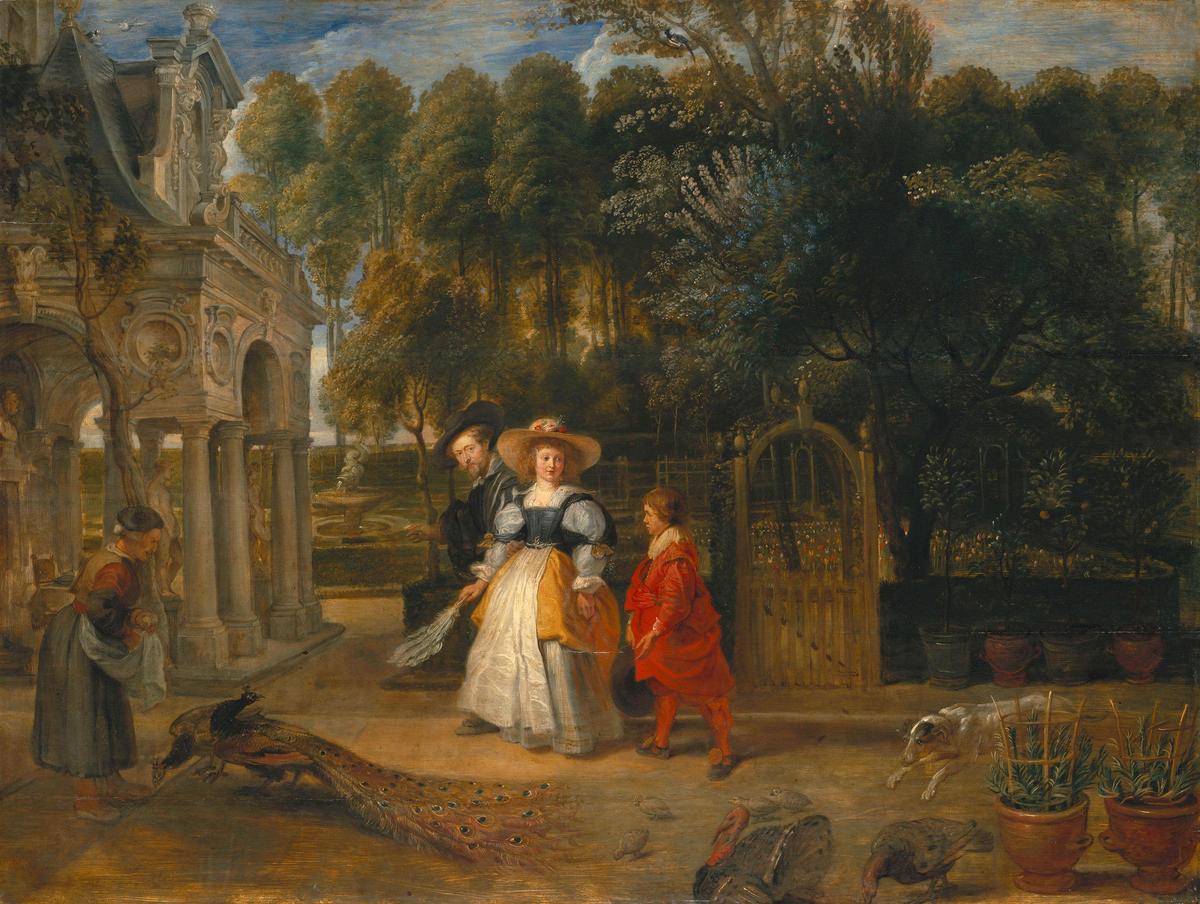
Rubens’s art showcases his innovative style, which drew from a combination of northern European realism, Italian expressiveness, and classical sculpture. His magnificent output influenced subsequent generations for centuries. His most personal works featuring the figures of his beloved wife Isabella and, later, Helena, merge the sentiment of the man and the creativity of the artist in a truly rewarding manner.