Albert Camus was correct when he stated, “Autumn is a second spring when every leaf is a flower.” Fall is a happy season of pumpkin spice lattes, harvest festivals, and a refreshing nip in the air after all that summer heat and humidity. Take full advantage of it by getting the winterizing home checklist out of the way early.
Shorter Days Are Coming
Inspect exterior lights to make sure they’re in good condition. Replace any bulbs that have burned out and entire fixtures that have lived out their useful lives. Also, consider adding additional illumination, particularly around walkways and driveways. Check out end-of-season sales at home and garden centers for discounted solar lights.Free-Flowing Gutters
Get out the ladder, garden hose, gutter scoop (or a kitchen spatula in a pinch), thick gloves, and safety goggles. The last two will protect you from any roof nails, screws, and other sharp debris that may be hidden among the leaf and twig debris in the gutters.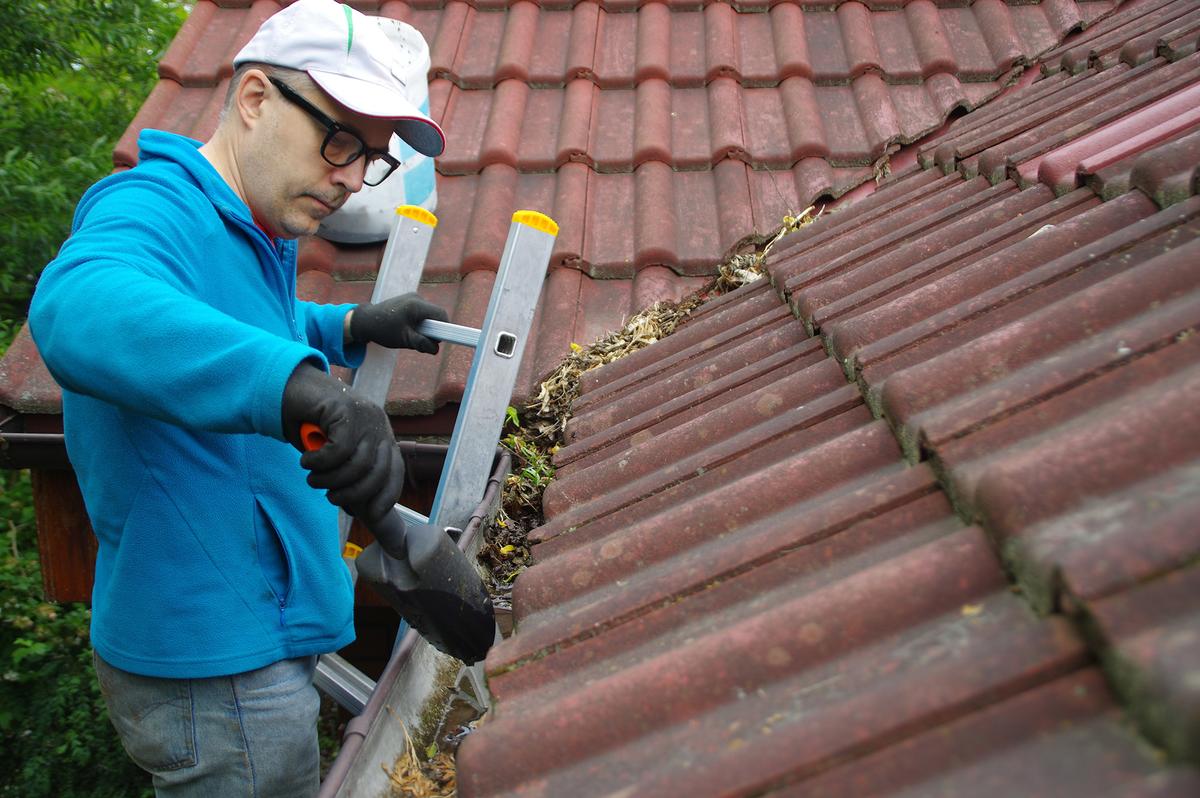
Enjoy the View
A clean roof is a strong roof. Remove leaves, branches, twigs, and other debris that can break down, rot, or mold, causing roof deterioration. Next, check for loose, broken, or missing shingles, as well as the potentially less obvious signs of summer sun damage: curling, blistering, cracks, discoloration, or soft spots on flat roofs and shingles. Also, inspect flashing around vent pipes, chimneys, skylights, and any other roof projections for signs of deterioration.A Tight Envelope
Get out the caulk gun and inspect all the window and door frames. Spot treat anywhere there is a tiny crack, loose seam, or other situation where cold air could get in. For larger repairs, remove the old caulk fully and apply anew. It can become tedious for large areas, but it’s good insurance against expensive drafts and lost heat.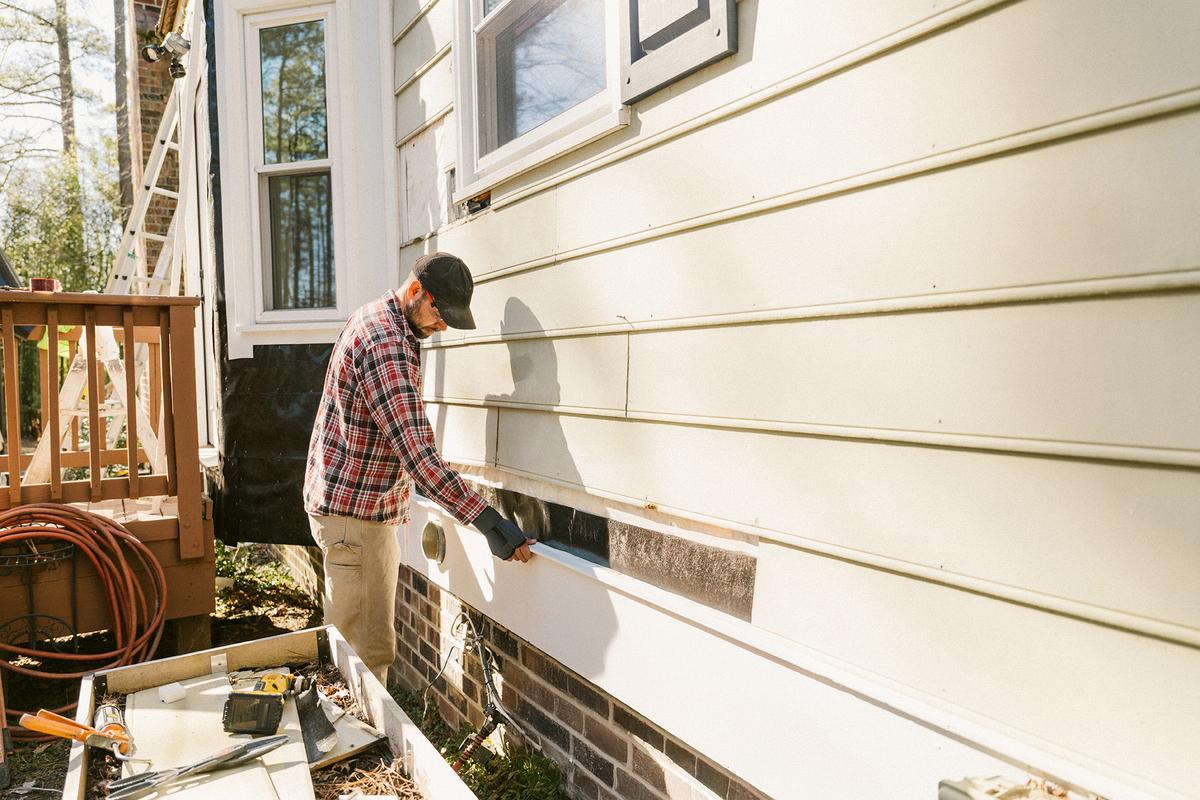
Also check (and caulk if needed) around water spigots (which should be covered with a spigot cover afterward to prevent freezing even if they’re drained), A/C connections to the home, and other home penetrations.
Next, examine windows and doors for loose or cracked weather stripping and seals. Be sure to run a hand around closed windows and doors to feel for airflow, and visually inspect for daylight peeking in from outside. Weather stripping and seal replacement is a quick, easy, and inexpensive fix, if required.

Warm and Cozy
Putting in a new air filter is a must for both HVAC and furnace heating systems; consider upgrading it for better air quality. After that, the prep diverges.For HVAC, switch the system to “fan” mode to blow out any accumulated dust, then vacuum or wipe down the exterior of the vents. Check all accessible ducting, and seal up any leaks with metallic AC tape (not, oddly enough, duct tape!). Turn the system on. If there’s an odd smell, it may just be dust burning off the coils. If it lasts for more than a minute or two, or the machine is making a strange noise or otherwise malfunctioning, call a professional. If not, and the air is blowing warm, it’s ready for use.
For both natural gas and propane furnaces, start with a sniff—a rotten egg smell could signal a gas leak and the need for immediate professional service. Next, give them a good lookover. Are the pipes secure? Does everything look ship-shape? On newer machines, check the drainage tube. If it’s clogged, blow it and the drainpipe out with compressed air, then pour a cup of vinegar down them to help prevent future slimy buildup.
Next, shut off the breaker and fuel supply valve, remove the access cover, clean the interior components using a soft paintbrush, and then vacuum up the residue. Unscrew the flame arrestor and clean it with an emery cloth. Reinstall, put the door back in place, and turn it on. If it makes a weird noise or otherwise malfunctions, call in a professional.
For radiators, turn the heat off after the initial test to bleed the lines (i.e., release water until the hissing of any trapped air stops). Check the pressure gauge on the boiler after each radiator. If it’s low, add more water. Then sit back and relax, knowing that the radiators will work at peak efficiency come winter.