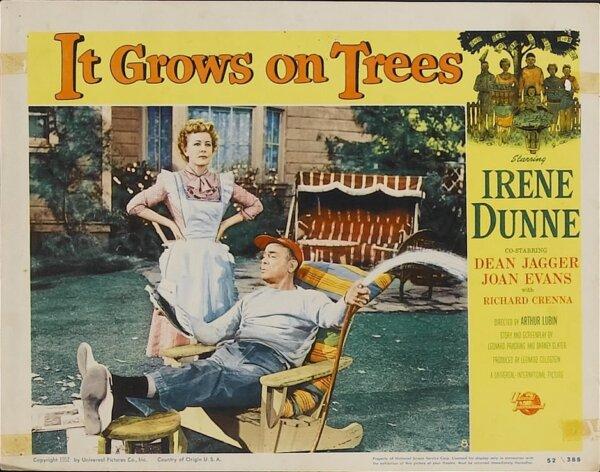
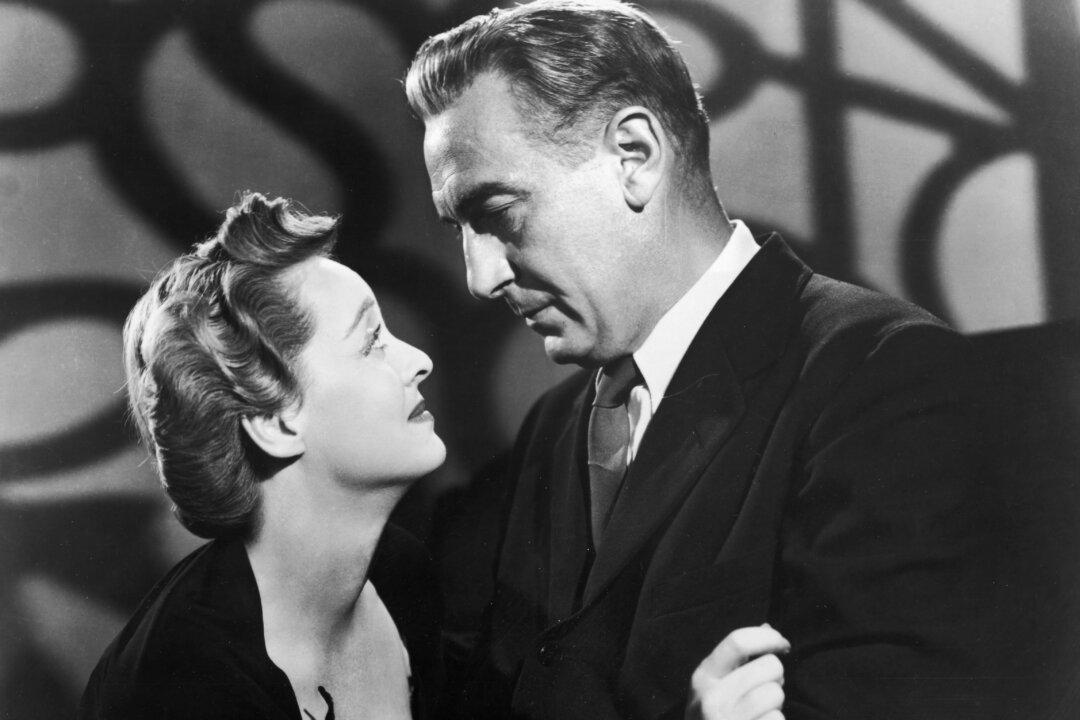
NR | 1 h 24 min | Fantasy, Comedy | 1952
Polly Baxter (Irene Dunne) and her husband Phil (Dean Jagger) manage their household finances like trapeze artists. Thanks to Phil’s meager income they swing from week to week, reaching only for the essential, flying by the desirable and letting go of everything else, hoping that when they do fall there’s a net to catch them. Their little daughter Midge is forced to wear worn out shoes, older child Flip can’t afford the movies, and their eldest, Diane (Joan Evans) is embarrassed to go to the school dance because she can’t afford a new dress.
So Polly can’t stop herself, falling for the next “bargain” or “auction” or dreaming of fulfilling wishes she’s postponed too long: Midge’s tonsillectomy, a vacation for herself and Phil, and home repairs before Diane’s wedding to young banker Ralph Bowen (Richard Crenna). As if in defiance of her lot of perpetual want, Polly’s garden symbolizes her dreams of plenty. She buys two mysterious trees from her nursery vendor, because they’re “so cheap.”

Suddenly, things take a fairytale turn. A $5 bill floats in through their window. Then a $10 bill and eventually a whole wad. As Polly secretly discovers dollar notes, wrapped neatly within flower buds, “growing” on those trees, she starts hoarding notes in her kitchen. Hard-nosed but honest accountant, Phil, convinced it’s too good to be true, prefers to give it all to the state because it isn’t earned. Besides, an endless harvest of currency might spur inflation and upset the economy’s money balance, which ought to be controlled by the Treasury, not trees!
As Polly tries to first keep, then explain, her secret, a comedy of errors ensues, involving practically everyone: the bank, the police, Polly’s thieving neighbor Mrs. Pryor (Edith Meiser), officials from Internal Revenue, the Bureau of Engraving and Printing, the U.S. Treasury, the Departments of Agriculture and Botanical Research. And, of course, newshounds.
A Gentle Comedy, Played Straight
Without even a hint of slapstick, Dunne’s and Jagger’s tongue-in-cheek performances tell a light-hearted tale, tinged with soul. The Baxters represent deprivation and debt, but shorn of the accompanying avarice that Mrs. Pryor represents. It is because of her day-to-day striving and saving up that Polly dares to dream of snippets of happiness that Phil’s paltry paychecks prohibit. Pryor and her businessman husband are relatively wealthy, but she still harbors the worst traits: jealousy, greed, envy, and sloth.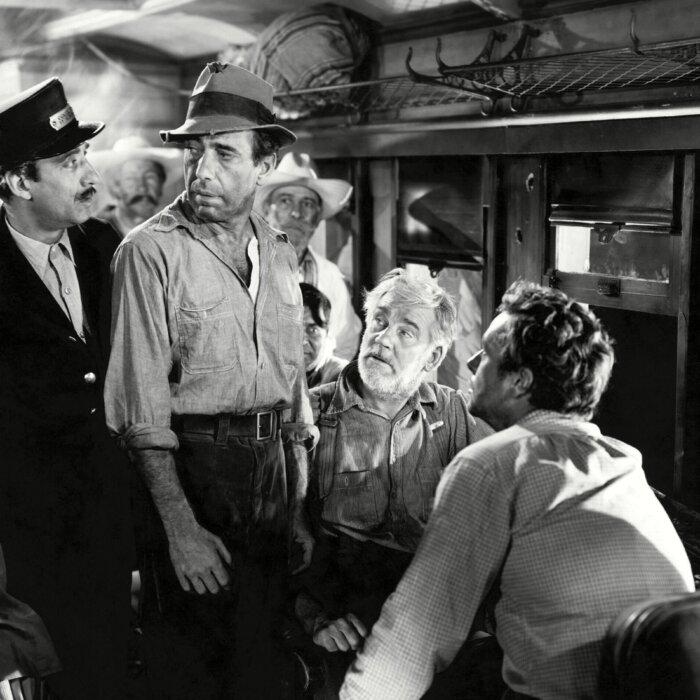
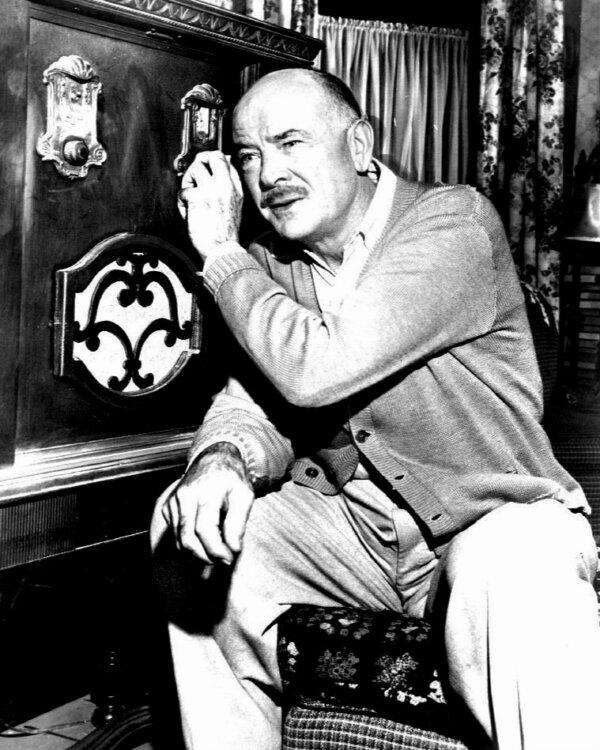
Screenwriters Leonard Praskins and Barney Slater sprinkle their scenes with irony and situational humor. Theirs isn’t a laugh-out-loud film. But it’s filled with moments that’ll make you smile; Lubin shares the joke largely with Polly and you, even if she’s only half joking.
Once, prying Pryor demands to know what “kind” the two trees are. Polly permits herself a mischievous grin at the thought of her trees literally pumping out currency, “They’re a kind of … er … mint.”
Having kept magical imagery largely out of his film, in an otherwise grounded story, watch Lubin playfully betray his hand when Polly stumbles upon something that threatens to take the story down a more resolutely magical route. When Phil dismisses Polly’s belief in “fairy tales,” she’s adamant: “It’s high time life caught up with fairy tales.”