There’s nothing like a hot shower to start the day right or a steaming bath at the end of a long week. The home’s water heater is the unsung hero that makes possible those showers, baths, and all the home’s other hot water needs.
Energy and Size
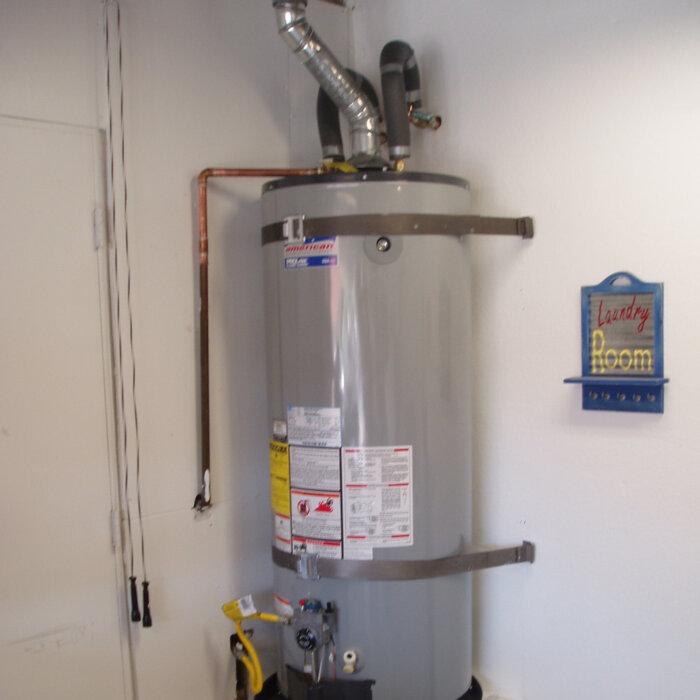
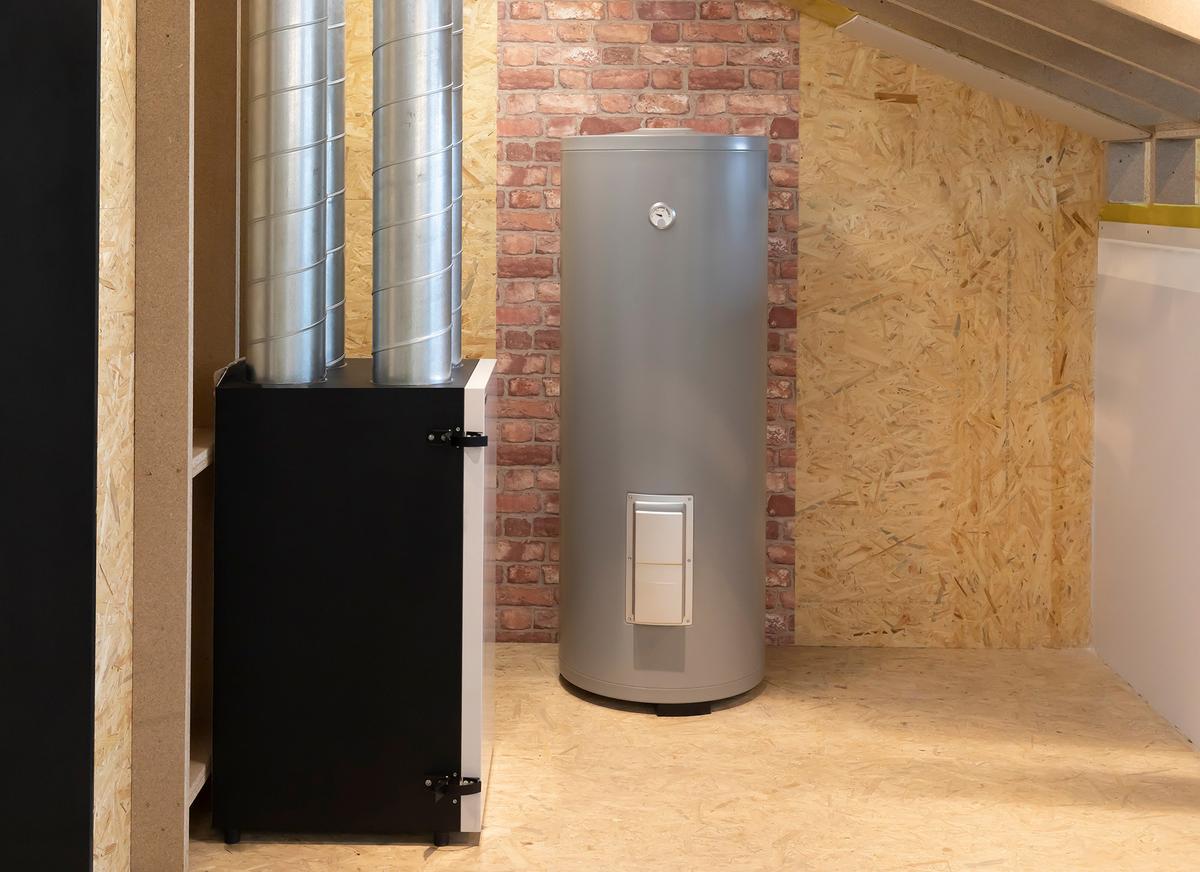
Tank water heaters use more energy, even when hot water is not in use, as they are constantly keeping the supply hot. This allows them to avoid the “cold water sandwich” of the tankless style, which occurs when a faucet is turned off for a minute. The water near the heater remains hot, then there’s a short period of cold water, then it gets warm again as newly heated water arrives.Most tank setups are relatively well-insulated. To buff things up further, consider a water heater insulating blanket kit to further mitigate heat loss. Some utility companies offer blankets at low cost or offer a rebate, so it’s worth checking. Tank-style heaters can be large—up to 5 feet tall and two or more feet wide. Newer tanks are larger because of federal energy regulations, so be sure to measure carefully.
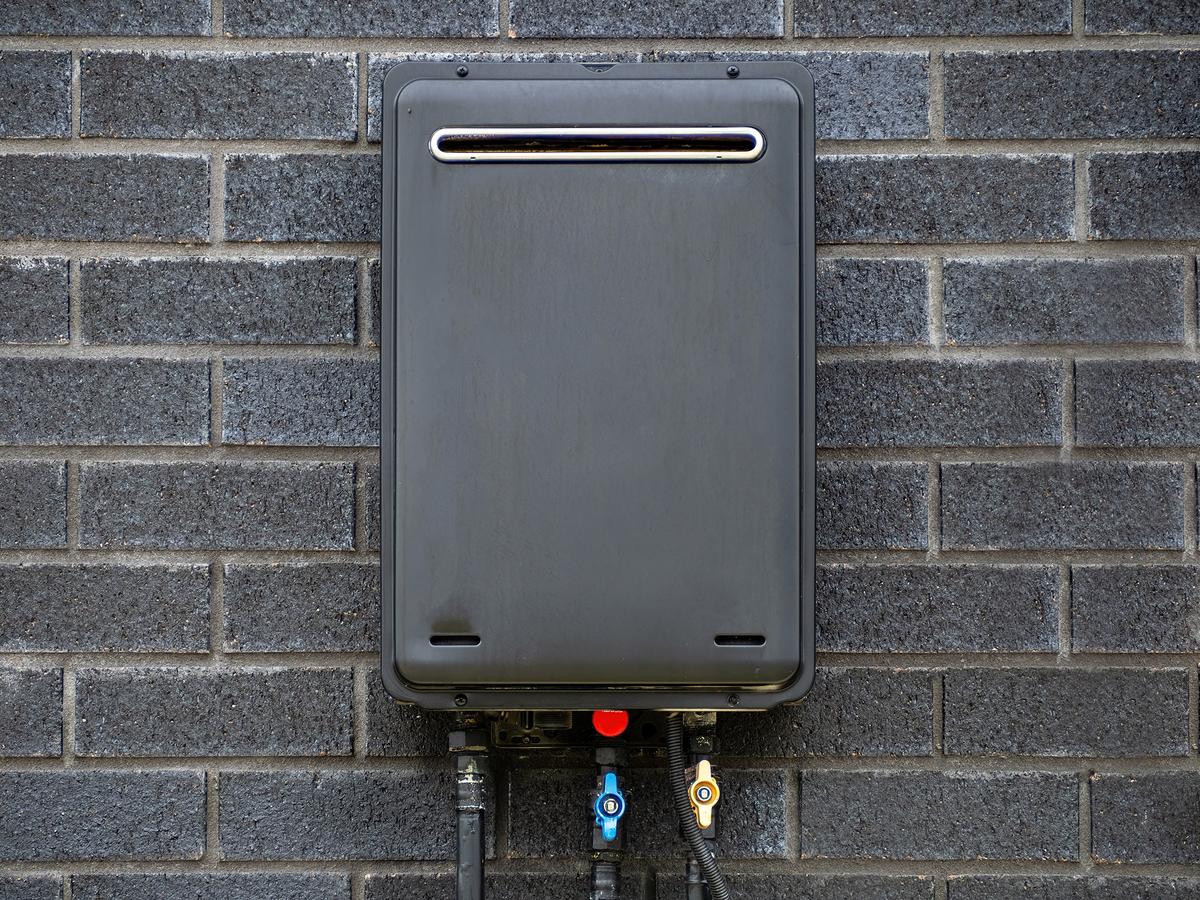
Tankless heaters save money by not storing the water, so there’s no standby energy loss. However, they do use more energy per minute when actually heating water, so in a household with a huge water demand, they may end up costing as much as a tank-style system—however, this can be offset by the endless supply. They also free up floor space; a whole-house heater can be less than two feet by two feet in size.
Cost and Installation
Tank-style water heaters can cost up to 50 percent less than a comparable tankless model. This is offset by a tank having an average lifespan of 10 to 12 years because of water storage issues, with tankless models lasting up to 20 years with proper maintenance.Replacing a tank-style water heater with another is pretty straightforward and can be a DIY task, particularly for an electric model. For natural gas or propane gas, be honest about your DIY skill sets. If in doubt, go with a pro. This is also an opportunity to switch to an electric model, which will simplify future replacements considerably. These scenarios are true for a tankless style as well, if the home already has one.
Point of Use
A small-capacity point-of-use tankless water heater may seem like an indulgence, but it could actually pay for itself over time, particularly when there is a long run of pipes from the water heater to the faucet that necessitates running (wasting) a lot of water until the warm water is dispensed. This smaller system can help reduce the monthly water bill, as well as reduce energy consumption of the main unit.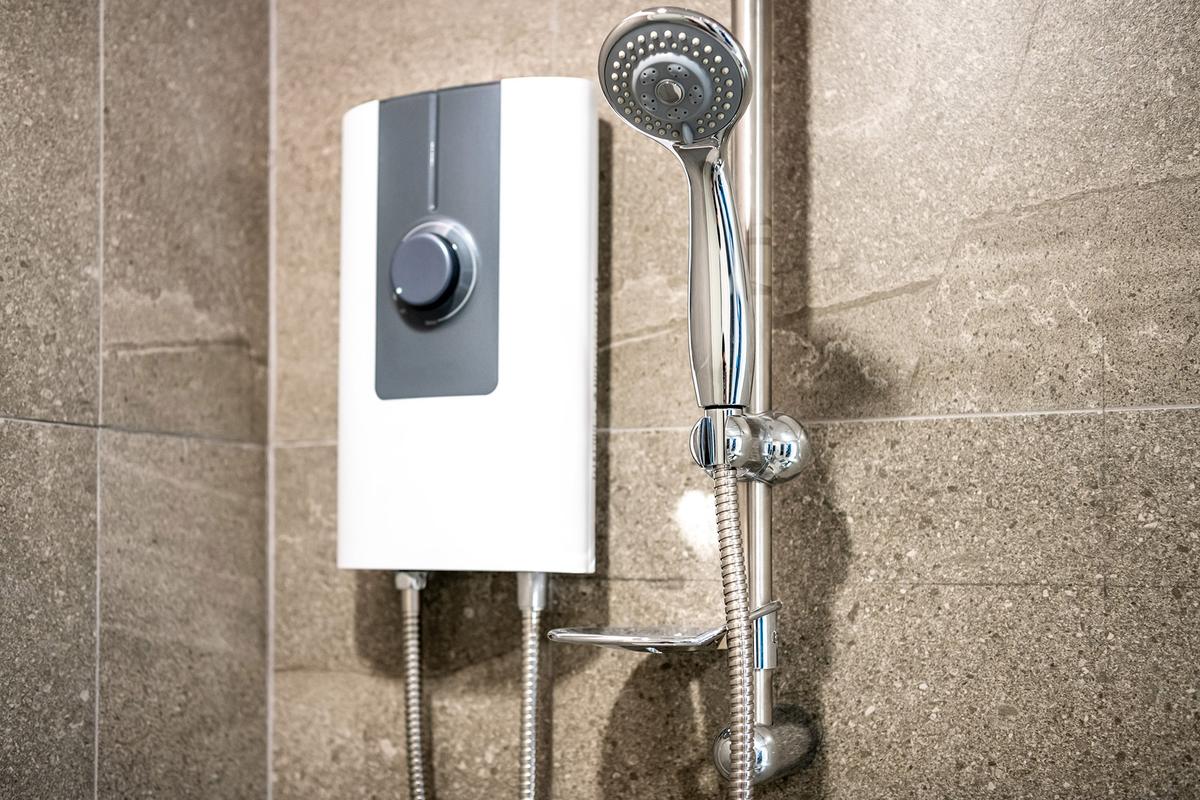
Maintenance and Repairs
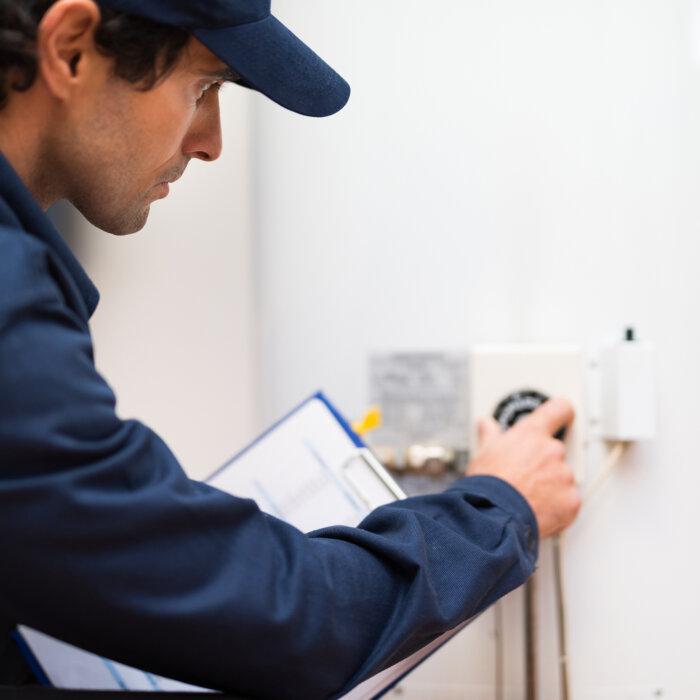
Tank-style systems need an annual service, which can be performed by the homeowner or by a professional.Start by turning off the power, shutting off the cold-water supply, and allowing the water to cool. Place a bucket under the discharge pipe or TPR (temperature and pressure relief) valve, lift the valve, and then stop the water flow to confirm that it is working properly. If it’s not, replace it. Next, find the sacrificial anode that protects the tank from the corrosive particulates in city water. It’s underneath the top plate. Unscrew it with a socket. If it’s coated with calcium or reduced to half an inch or less in thickness, replace it.
Now it’s time to flush the tank. Connect a garden hose to the drain valve, and drain into buckets or directly outdoors until empty, keeping in mind that the water may be very hot. Add more water to agitate any remaining sediment. Do this until the water runs clear, then close the system back up. Getting inconsistently hot water? It could be a failing thermostat or heating element. Refer to the instruction manual.
When a tank system puts out rusty water (potential corrosion in the tank or pipes), has visible corrosion, is leaking, is producing a significantly reduced hot water supply, or is more than 15 years old, it may simply be time to replace it.