Few songwriters could pull listeners into a story the way Don Chapel did. Throughout the 1960s and 1970s, his songs were cut by country music performers ranging from George Jones and Tammy Wynette to Conway Twitty. A gifted storyteller, the Kentucky native built a repertoire brimming with compelling narratives, interesting subject matter, and creative wordplay.
Bluegrass singer-songwriter Rhonda Vincent once referred to Chapel as a legendary songwriter.
Turning Heartache Into Beauty
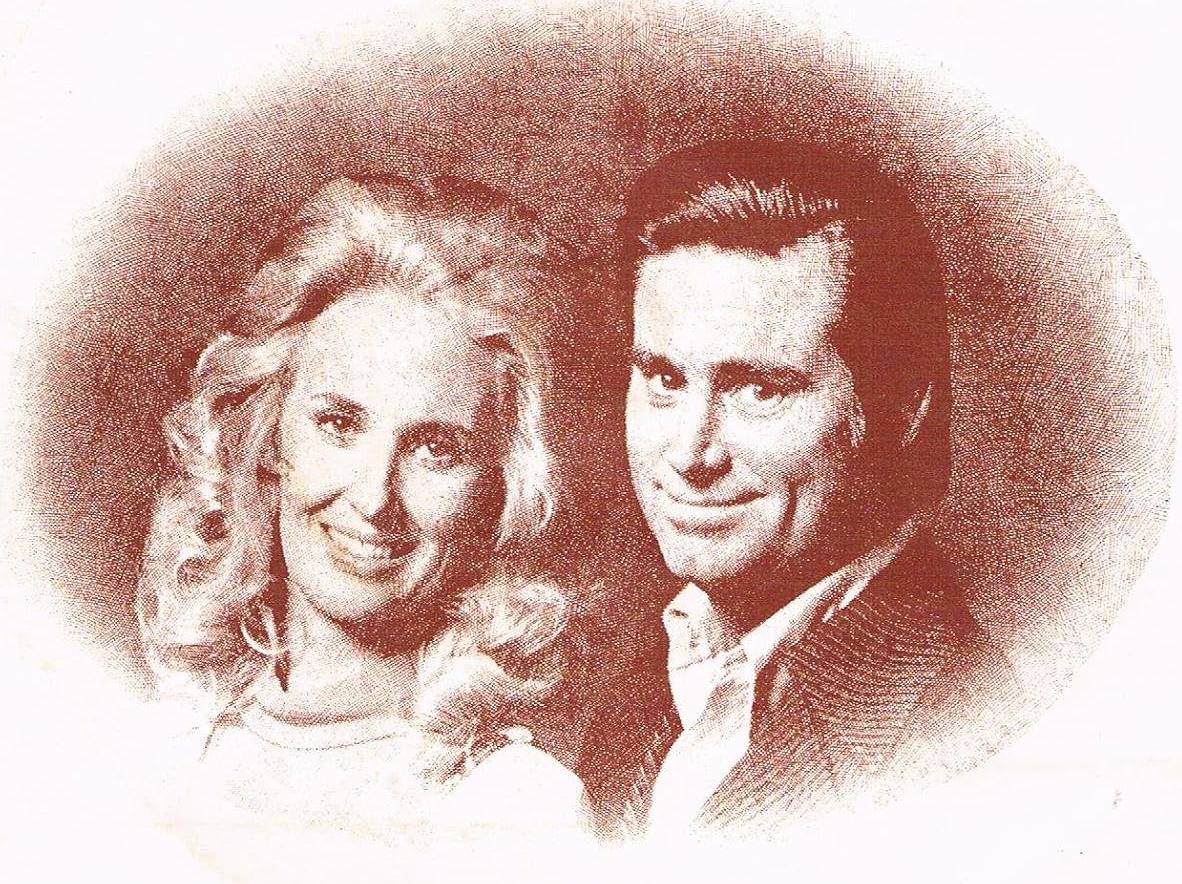
Chapel’s legacy will always be linked to Tammy Wynette, one of classic country music’s defining voices. The two were married briefly, but the music they created together left a lasting impact on the genre.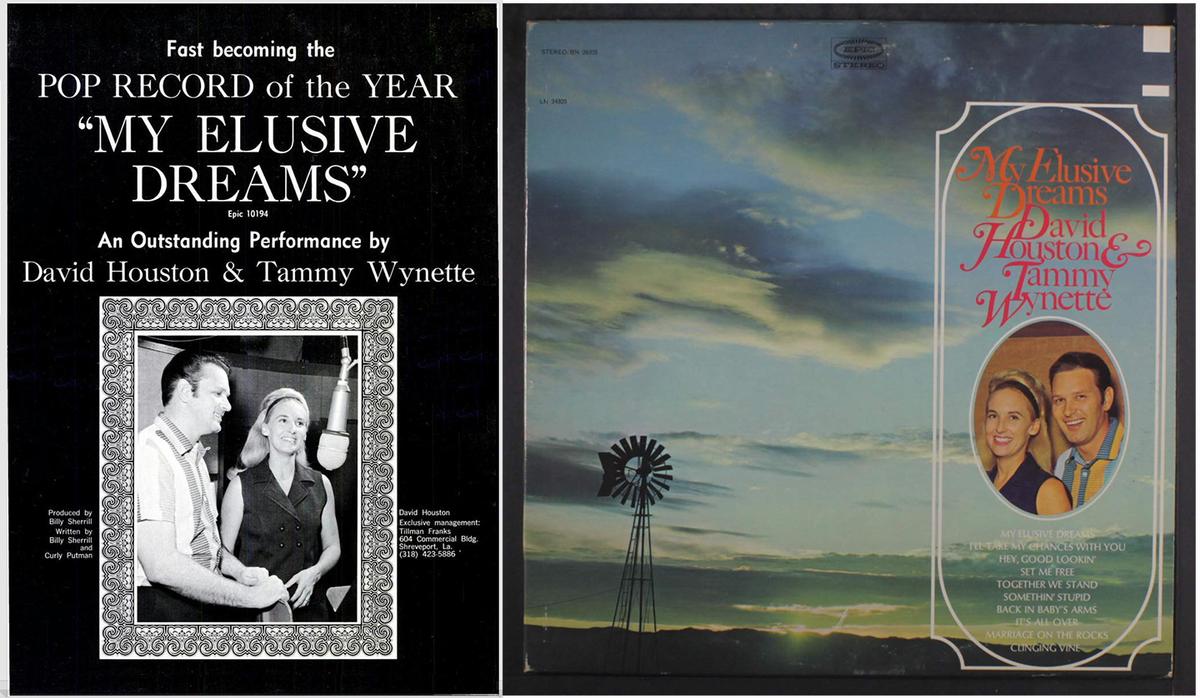
Chapel wrote the 1967 tune, “Together We Stand (Divided We Fall),” an expressive ballad featuring a duet between two people trying to mend their relationship. Wynette popularized the track with vocalist David Houston on their collaborative album, “My Elusive Dreams.” The song’s call-and-response lyrical technique throughout the verses mimics a conversation. But for the chorus, the voices fuse and bellow harmonies, adding a contrasting element that grips the listener.
The late songwriter also penned popular tunes for George Jones, another foundational country music voice. Jones performed with Wynette throughout his career, and the two married after the dissolution of her relationship with Chapel. Despite emotions running high at times, Chapel remained a supporter of their career as inextricably linked performers, understanding the music the duo created would linger long enough to be written about in the pages of country music history.

Jones’s biggest release written by Chapel was “When the Grass Grows Over Me,” a yearning ballad about a man destined to live out his days in unrequited love.
Subtle Songwriting Techniques
Chapel’s underrated specialty was his ability to deploy different powerful songwriting techniques in subtle ways. He often focused on broad, reliable subjects like heartbreak and love. But he wasn’t afraid to cover specific topics, using artistry to communicate important values.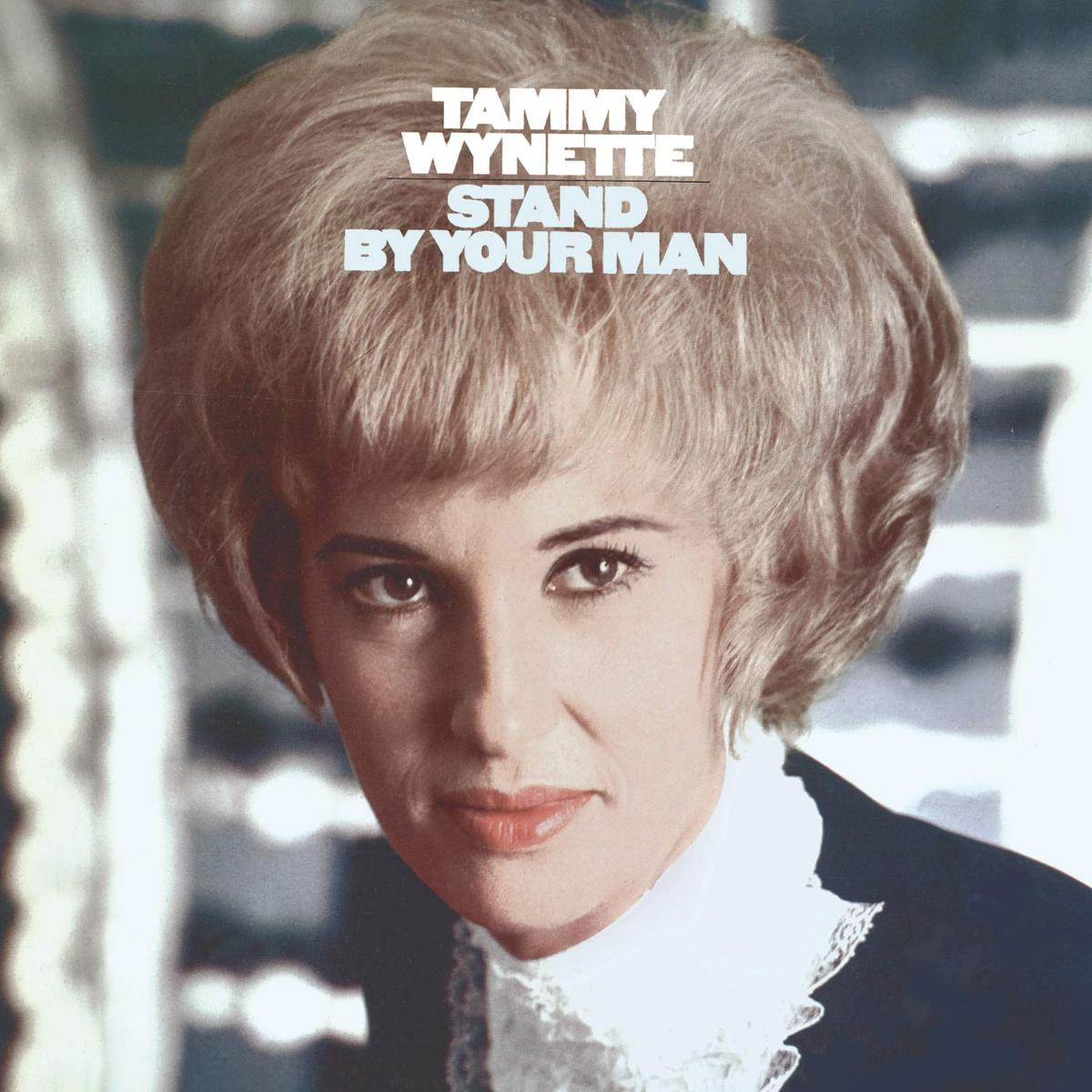
In 1969, Wynette released a poignant number called “Joey,” gently highlighting the importance of fatherhood. The lyrics feature a young child whose parents are separated. But once the mom sees how the boy longs for his father when he’s away, she asks him to return. The moving ballad doesn’t chide—but speaks to the unbreakable bonds shared between father and son.
She asked me would I do her one last favor Would I wait around and take her to the plane I said I would and waited by the window And outside I saw the misty morning rain
The rain becomes a metaphor for the protagonist’s inner world as he bids his love interest goodbye. But the languid pace of the tune and the recording’s vibrant strings section gives a hopeful quality to the piece. And it’s this striking duality that gives “Misty Morning Rain” and other Chapel numbers continued life.A Familial Cornerstone
Born Lloyd Franklin Amburgey in 1931, Chapel grew up with a large family in a musical household. Before becoming an integral part of Nashville’s burgeoning country music scene in the mid-20th century, he spent time in the military, serving as a staff sergeant in the Korean War.His older sister, Opal Jean Amburgey, was a prolific country songwriter, and adopted the stage name Jean Chapel as a performer. She encouraged her younger brother to chase his dreams and even recorded some of his music. When he began writing and performing professionally, he followed in her footsteps, adopting the stage name, Don Chapel.
“Obviously his strong points were in creativity and music, and while music played a huge role for him, he was a cornerstone for our family in supporting and fostering all of our endeavors—music, technology, sports, entrepreneurship, teaching,“ he shared. ”He wanted to support whatever was interesting to us, whatever our passion was.”