The word “nostalgia” derives from two Greek words: “algos,” meaning “pain or grief,” and “nostos,” meaning “homecoming.” Traditionally, the term referred to an acute pain associated with homesickness. It was even included in some medical manuals and treated as an ailment that afflicted those far from home, such as sailors and soldiers. Over time, its meaning has shifted to refer primarily to a yearning for a prior time or a desire to “come home” to the halcyon days of the past.
The bittersweet caress of nostalgia can come over a person suddenly, initiated by the simplest things: a half-forgotten melody, the smell of freshly cut grass, sunlight and long shadows on a familiar street, or an old book covered in dust. These triggers link us to formative memories. We wish we could return to them, but we witness those memories from behind an impenetrable glass wall.
For adults, some childhood experiences become heavily perfumed with nostalgia over time. Whether it was hunting with Dad, having picnics in the backyard with siblings, watching a favorite movie with cousins, or reading a book with Mom, over time, these experiences take on more meaning than they had in the moment. The accessories of these memories—the old shotgun, the battered picnic basket, the faded book cover—remind us of the joys (and sorrows), the activities, the emotions, the places, and especially the people that formed us at our most impressionable ages, when all the world was new.
Parents’ Role in Shaping Nostalgia
Parents have a unique opportunity to “form” their children’s future nostalgia by giving them experiences, influences, and objects in childhood that will inform their adult lives through nostalgia. What we give our children now is what they will feel tenderness for in middle age.From that perspective, the games, activities, traditions, books, and movies with which we fill our children’s lives are forming them now and in the future. It’s well worth being intentional about those influences.
To put it another way, I’d rather that my adult children feel stronger nostalgia for “The Chronicles of Narnia” than “SpongeBob SquarePants.” I’d rather they experience more nostalgia on walks through the woods rather than while playing video games. I hope fond memories of childhood are triggered more intensely by the candles and Lussekatter of Santa Lucia’s Day than by trips to water parks.
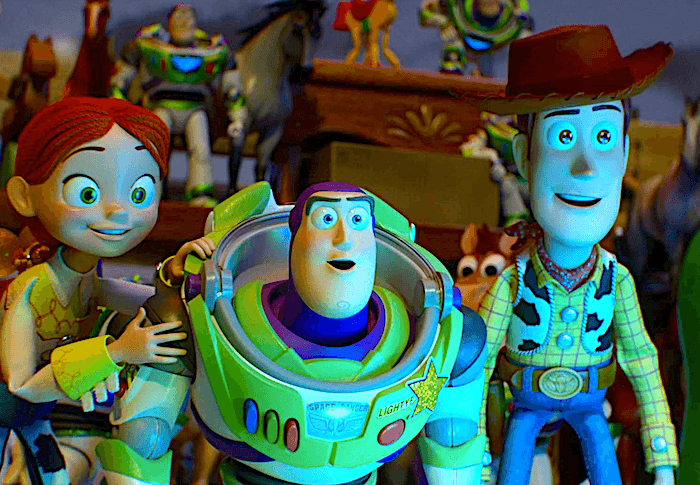
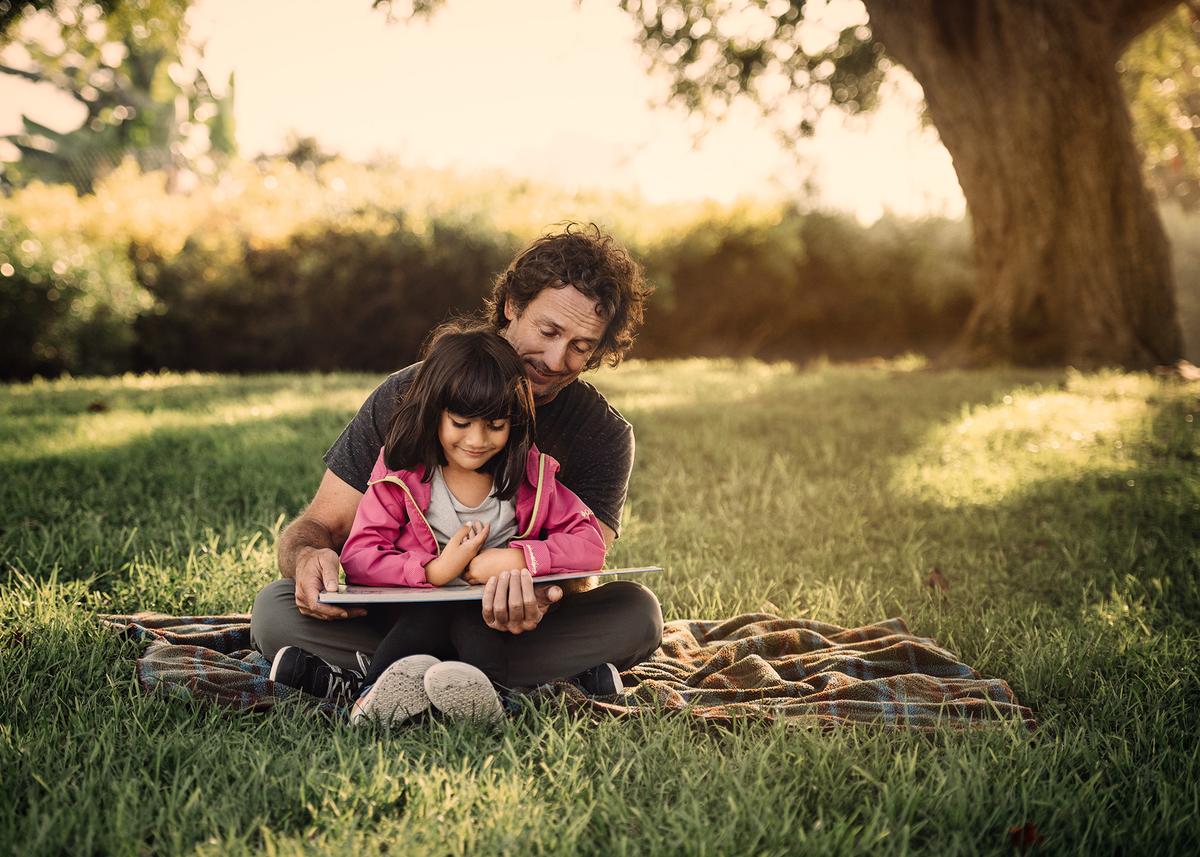
That’s not to say that TV shows or video games or waterparks have no place in childhood or childhood nostalgia. Certainly, they can have a positive place. But, at the same time, I don’t want those experiences to be the ones my adult children associate most strongly with youth because those experiences—in general—don’t transmit the kind of values and worldview I desire.
A love for the wondrous and the noble instilled by the Narnia series is a better compass than the slapstick humor and banal moralizing of most kids’ TV shows. Memories of sun-drenched forest glades will do them more good in the long run than immersion in virtual worlds of video games.
Everyday Luminosity
This perspective on parenting is both invigorating and intimidating. In a recent viral video, a dad named Ethan Lapierre articulated the poignant reality that, as parents, “you’re creating your kids’ nostalgia in real time.“You’re not just living your life anymore. You’re shaping someone else’s,” he said.
“So it’s weird being the adult, and being the parent now. But I just see it as such a privilege. Because you’re not just a parent—you get to be part of someone’s entire memory album.”
Commenting on the video’s popularity, Himanshi Bahuguna wrote for “Motherly” about why this realization resonated with so many people.
“Suddenly, ordinary care feels loaded with meaning,“ he said. ”You realize that your child’s memories are forming quietly, without announcement, while you are just trying to get through the day. ... Many parents describe this moment [of realization] as beautiful and terrifying at the same time.”

The realization of nostalgia formation doesn’t merely incline parents toward greater intentionality about what influences they introduce for their children; it also casts a luminosity over the everyday.
“One of the hardest things for parents to believe is also one of the most reassuring,“ Bahuguna wrote. ”The small things count precisely because they are small.”
Resting in that truth—which can be a challenge amid the chaos of the day-to-day—is one of the great joys of parenthood.
However, Bahuguna also reminded parents that “childhood is not a performance, and care is not a spectacle.” While parents should try to intentionally surround their children with good things—wholesome traditions, beautiful and inspiring literature, and adventurous activities, which will become good memories—the essence of the gift of parenting is none of these things. It’s love. Even when the trappings of childhood are far from perfect, love can still make it beautiful.
That’s what children will remember most. That’s the real kernel of healthy nostalgia.