The world was green and black.
At least, that’s how it looked through Dan Cnossen’s night vision goggles as he scanned the rugged terrain. It loomed up before him: a large, rocky hill crowned by a crumbling, Soviet-era fort. This wasn’t the first hill—literal or metaphorical—that Cnossen had climbed in his life, and it wouldn’t be the last.
The year was 2009. As part of a larger mission to capture a Taliban stronghold in Afghanistan, Cnossen and nine other U.S. soldiers needed to summit the hill and take possession of the fort while watching for enemy fighters.
Using the cloak of the night and rocky protrusions for cover, the team silently began to scale the hill, unsure what they would encounter in the darkness. Cnossen stepped up the steep slope, seeing everything through the grainy green lens of his night vision. The world swam with shifting emerald shapes, like a realm of phantoms.
Suddenly, there was a bright flash—a flash that changed Cnossen’s life forever. Cnossen was lying on the ground, in shock, unable to move, and wondering if the explosion—whatever it was—had killed his comrades. Was he now alone on the hillside?
The Seeds of Resilience
Cnossen had been developing the grit and resilience he would need on that dark hillside in Afghanistan—and in the future to come—for many years before that pivotal night in 2009.
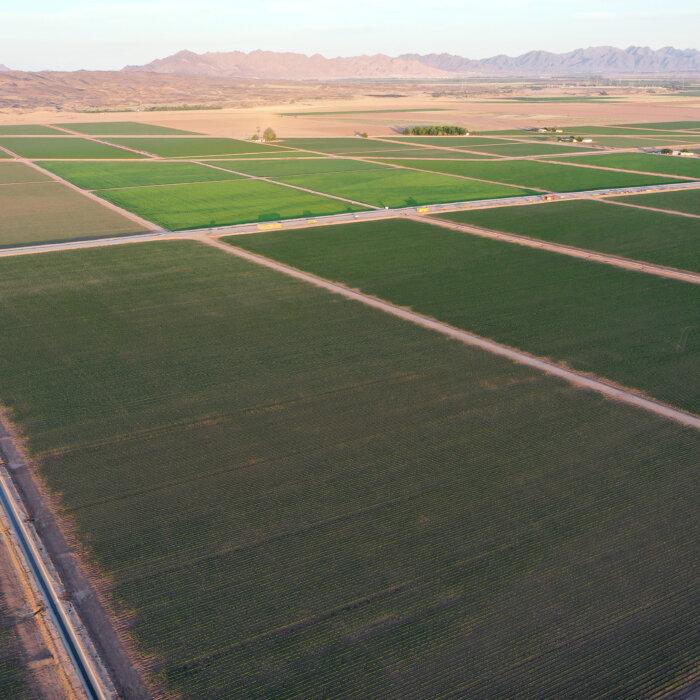
Born in 1980, Cnossen grew up on a Kansas farm with the freedom to roam the plains. “This is a fifth generation family farm, and so being outside like that, in Kansas, it really, I think, cemented for me a love of the outdoors,” Cnossen told American Essence. He spent his time playing army with his BB gun, enjoying the land, and learning from his maternal grandfather, whom he remembers as a “quiet, strong role model.” Cnossen’s parents fostered in him a sense of self-confidence and independence. “My parents raised me in a very good, independent way, where you rely on yourself,” he said.
An example of Cnossen’s early independence was when he solo piloted a Cessna 152 at the age of just 16. Although interest in piloting didn’t stick with Cnossen over the long term, his interest in the military did. As a freshman in high school he already had a plan to enter the Naval Academy after graduation. Cnossen has always valued goal-setting and having a plan, and that was true even as a high schooler.
Cnossen explained, “I came up with a pathway, and I evaluated my strengths and my weaknesses, and I worked on my weaknesses, tried to build on the strengths as well, or maintain them and adjust as necessary.”
One of those weaknesses was Cnossen’s poor swimming ability—a not-so-small obstacle for someone wanting to enter the Navy and, eventually, the elite SEAL Team. But Cnossen wasn’t dissuaded. Even after he arrived at the Naval Academy, he still got nervous when participating in basic swimming drills. But he didn’t give up. He found like-minded friends with similar goals—including other would-be Navy SEALs—many of whom were excellent swimmers and whose influence helped Cnossen improve. “I started working out with these people and we just all kind of elevated each other.”
Buddies for BUDS
Cnossen’s cohort of friends also helped him successfully pass Basic Underwater Demolition/SEAL Training (BUDS), the notoriously difficult preparation to become a SEAL. With attrition rates between 70–80 percent, it’s one of the most difficult military training programs in the world.Cnossen’s relationship with his comrades helped prevent him from quitting during “Hell Week,” a brutal test of mental and physical endurance involving almost constant training for 5 and a half days with minimal sleep. He said:
“To think, as you’re about to start this week, that you’re going to lose half the class, 80 percent of the class, whatever it is, that’s intimidating. Because you’re thinking of the sleep deprivation, and you’re thinking, are you going to kind of lose control of your mind with the sleep deprivation and just succumb?”
Despite the temptation to drop out on the first night, Cnossen didn’t succumb.
During BUDS, Cnossen practiced a technique he called “segmentation”: breaking down difficult or overwhelming tasks into smaller, manageable tasks. “In order to get through this, when there’s this massive thing in front of you,” Cnossen explained, “It’s too much to process in the beginning, just like my injury later. You’ve got to segment and shorten and narrow, sharpen your focus.” This strategy helped Cnossen get through Hell Week and the rest of training.
He went on to participate in multiple deployments. He rose through the ranks and became a Navy SEAL platoon leader. During his military career, Cnossen learned that a leader must be the first to head into danger, the first to shoulder extra burdens and defy extra dangers. It was for this reason that at the beginning of his first combat deployment to Afghanistan, Cnossen shipped out ahead of his team, to get the lay of the land and lay the groundwork for mission success.
The incident on the hillside in 2009 occurred because Cnossen embraced his leadership responsibilities. “You can attribute my injury really because I had gone out early. And that’s right, I think it’s important that leaders do that,” Cnossen said, with no shade of regret in his voice.
The Injury
So what exactly happened on those craggy hills? The flash that filled Cnossen’s vision was an Improvised Explosive Device (IED) detonating underfoot, triggered by a pressure plate he’d stepped on. Fortunately for Cnossen and the whole team, not all the explosives in the device went off. Still, it was a massive explosion—enough to cause major injury to Cnossen: a shattered pelvis and double femoral artery bleed.He lay there, unable to see, unable to move. Then, his teammates arrived—none of them had been struck by the blast. Cnossen had just minutes to live, but his comrades successfully tourniquetted the injuries and, after a harrowing journey down the hillside that cost Cnossen unimaginable pain, they got him loaded onto a chopper, which lifted into the ebony sky as Cnossen lost consciousness. “That’s the last thing I remember is getting dragged onto the helicopter at night, in the dark, the noise of it, and shaking my buddy’s hands,” he said.
He woke up in a hospital room back in the United States, only to discover that both of his legs had been amputated above the knee. Through the bewildering delirium caused by pain medications and a raging fever, the devastating reality settled into Cnossen’s mind.
With his entire life upended, questions battered him: What will my life look like and will I ever get out of the hospital? What will people think when they look at me? How will I find purpose again? He felt overwhelming shock and a sense of meaninglessness.
Conquering Hills
But this is when the mental toughness and the pursuit of high ideals that had been chiseled into Cnossen’s character over the years came to his rescue.First, he shifted his perspective from the knee-jerk reaction of self-pity to one of gratitude. He decided to view his situation as a challenge, not a tragedy. He fostered a spirit of gratitude that his life had been spared, that he still had his two arms, and that no one else on the hill that night had been injured.
Furthermore, he began to view his experience as a means by which he could help inspire others. He would set an example for others, and he would be someone his military brothers could be proud of, and not ashamed to acknowledge. This helped Cnossen find meaning in what had happened.
Then, he began to segment the ordeal into bit-sized pieces, just as he had done in BUDS—one step at a time, one foot in front of the other, as though climbing a steep hill.
This realization brings an interior freedom that no tragedy or challenge can restrict. Cnossen understood that despite the terrible injury, he remained free to accept this new challenge with dignity and courage. Nothing could rob him of that freedom: the human capacity to transcend suffering through a noble response to it.
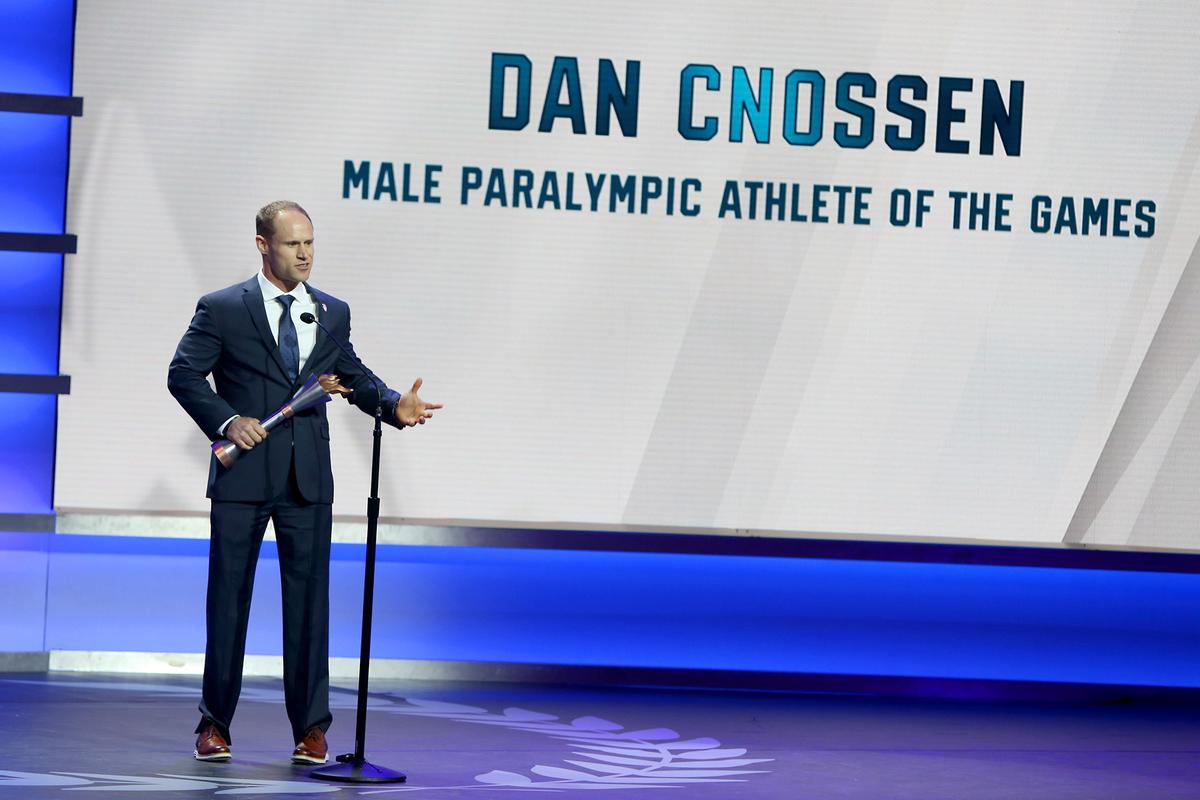
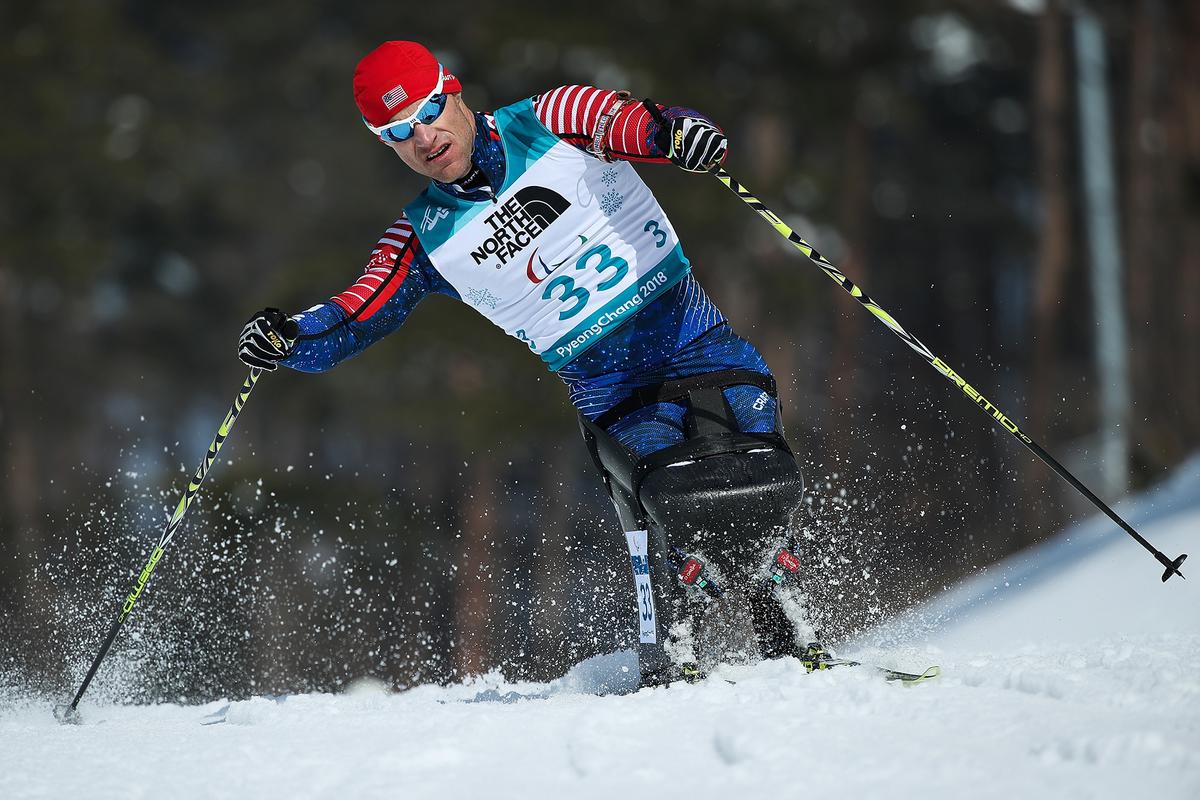
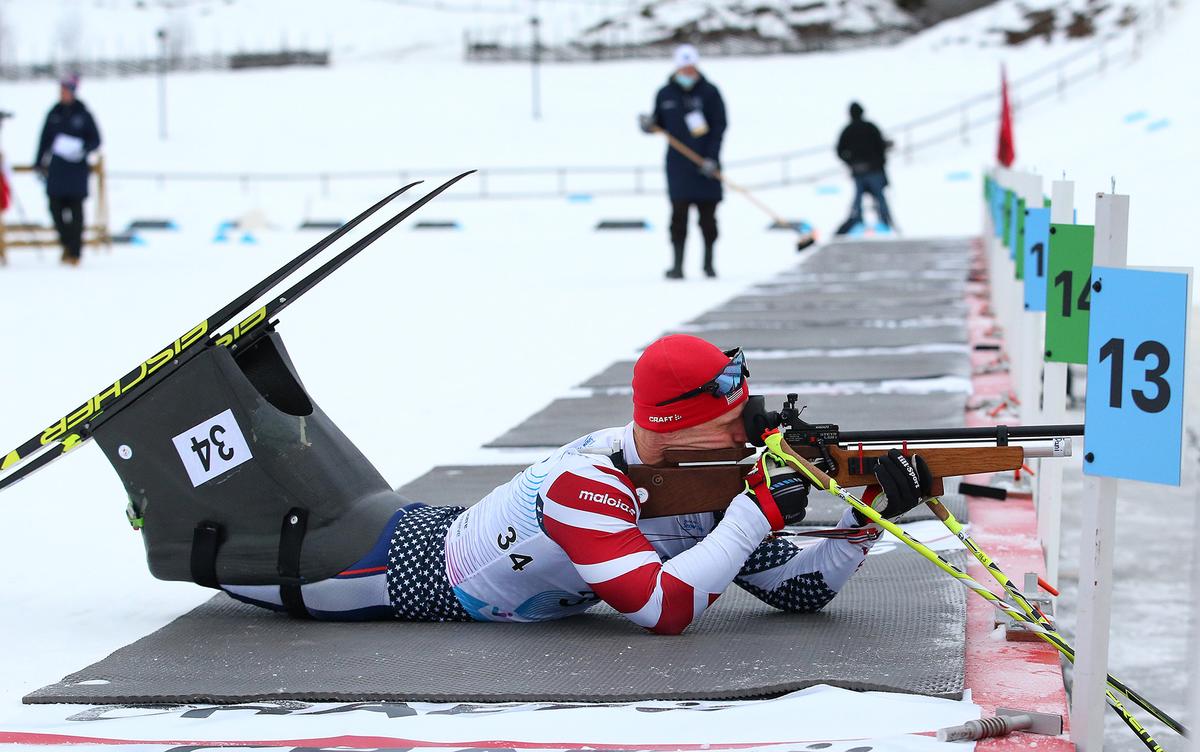
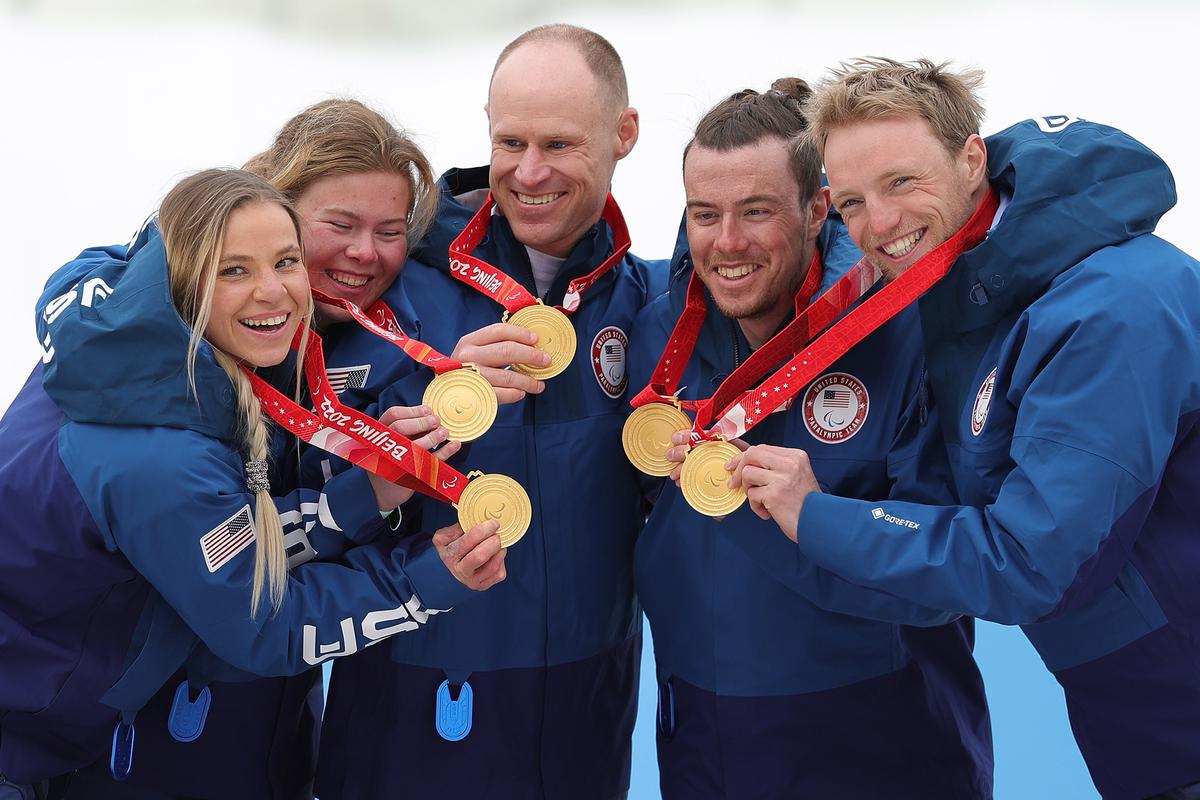
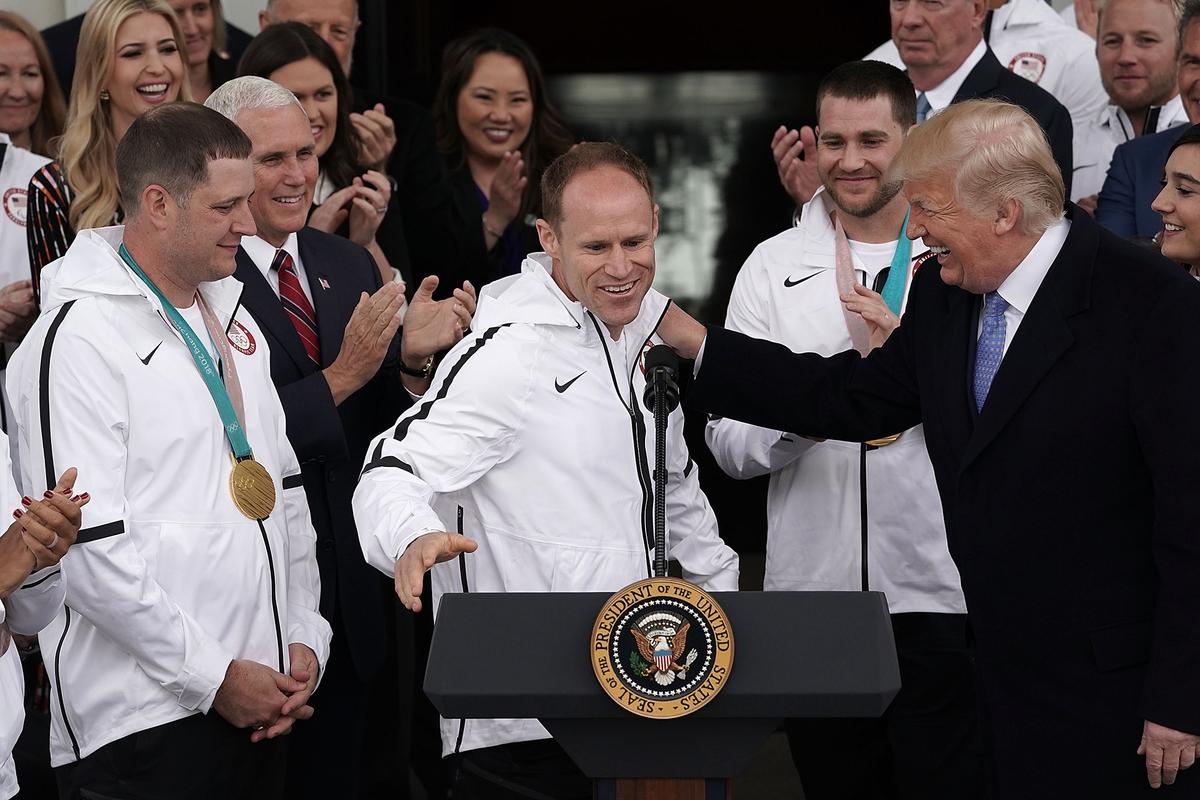
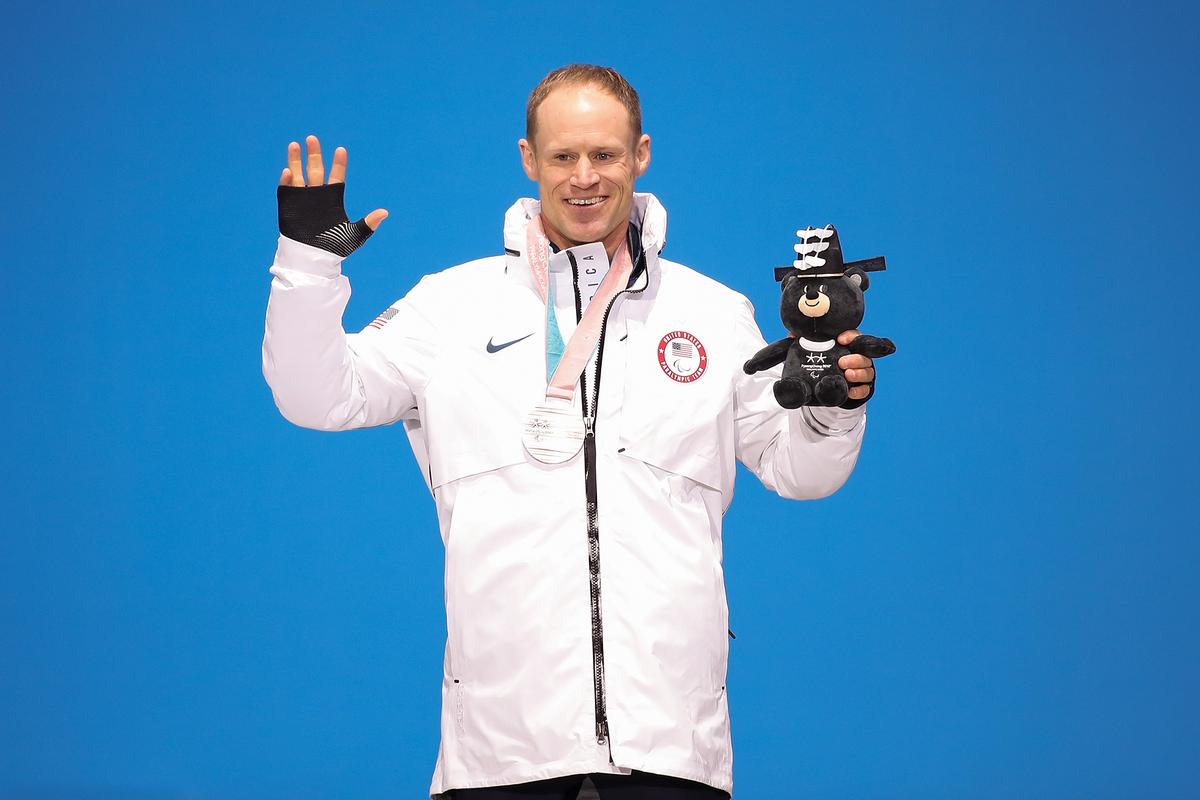
Oftentimes, even physical freedom can follow from this mental freedom. It did for Cnossen. Bit by bit, he won back his ability to walk, run, and even ski. Determined to be an athlete, Cnossen devoted himself with characteristic energy to parasports, particularly cross-country skiing. He became so successful that he participated in the winter Paralympics, winning gold medals in 2018 and 2022.
He wasn’t climbing up hills anymore—he was gliding swiftly over them with the freedom of a bird in flight.
Today, Cnossen is still setting goals for himself: He’s preparing for the 2026 winter Paralympics in Italy, and he’s constantly working to improve his craft as a storyteller, now that he’s become a public speaker who uses his own experiences to inspire others. It’s just one more way that he’s transformed a tragedy into a triumph, turned a hill into a ramp—a ramp that gets him airborne.