When Dan Cnossen opened his eyes, he saw the sterile walls and beeping medical devices of a hospital room. He also saw his mother’s face, just a few feet from him, looking into his own. How could she be here, in Afghanistan? But then Cnossen realized he wasn’t in Afghanistan anymore. He was back in the United States. Then the memories began to flood.
In 2009, during a nighttime operation in Afghanistan, Cnossen stepped on a pressure plate, igniting an IED that cost him both his legs. His comrades-in-arms transported him down the rocky face of a craggy hill, each step they took jarring his body, engulfing him in indescribable pain. The last thing he remembered before waking up in the hospital was being loaded onto a chopper.
1. Find Your Cohort
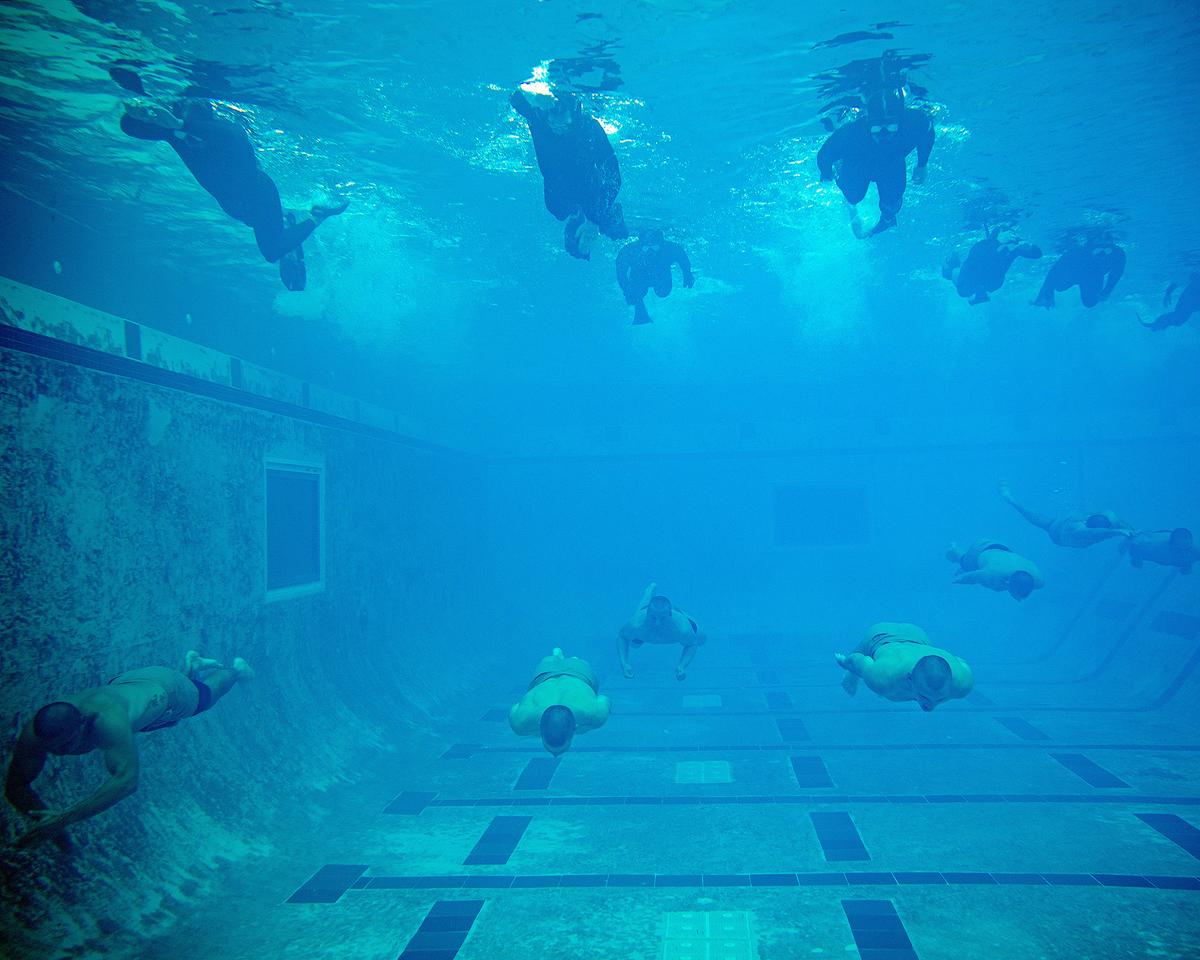
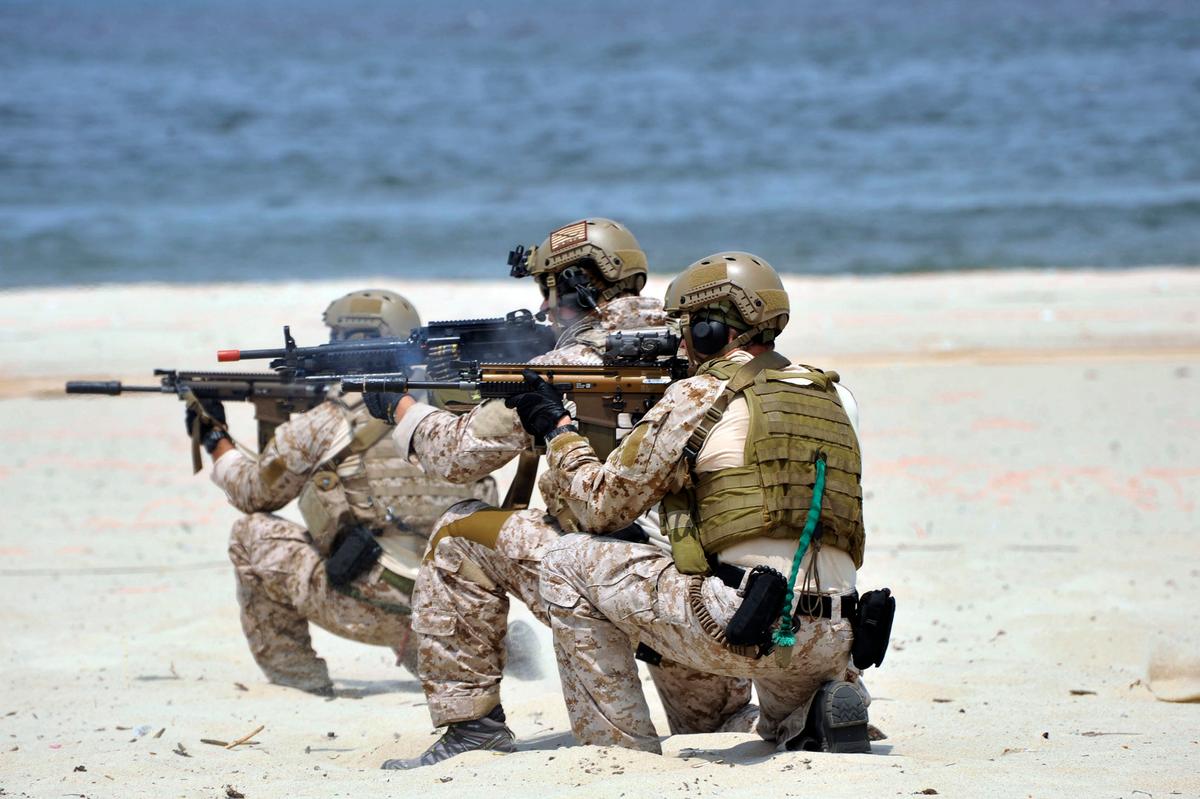
Surrounding yourself with likeminded individuals who share your goals is a key to getting through challenges. Cnossen’s always been a planner. When he was just a high school freshman, he’d already established a plan to get into the Naval Academy. Once there, he developed an interest in becoming a Navy SEAL. Cnossen knew that to achieve his goal, he needed to improve his swimming. Even basic swimming drills unleashed the butterflies in his stomach.But at the Naval Academy, he gravitated toward other students with similar interests and goals, many of whom were excellent swimmers. By building relationships with these friends and learning from them, Cnossen was able to improve his swimming skills and eventually enter BUD/S (Basic Underwater Demolition/SEAL training). Similarly, during this notoriously difficult training—with an attrition rate of 70 to 80 percent—Cnossen’s cohort of comrades helped him get through and become a SEAL. The mutual support provided by a strong social network of likeminded individuals forms one of the pillars of resiliency.
2. When Things Get Tough, Sharpen and Narrow Your Focus
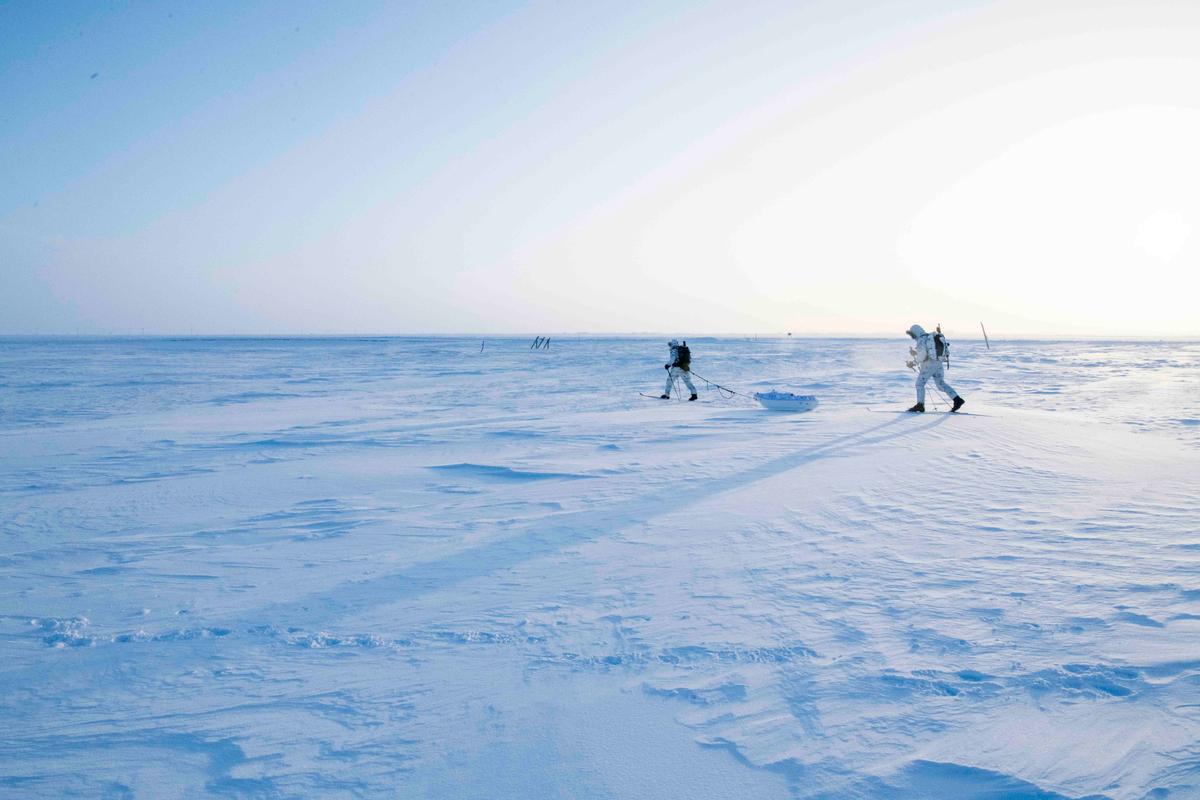
From being pushed to his mental and physical limit in BUD/S to facing an interminable uphill climb to recovery, including 40 surgeries, after his injuries in Afghanistan, Cnossen has returned again and again to a simple principle of interior strength: Break it down.Mentally tackling the entirety of BUD/S or all the training needed for a Paralympic race at once is a recipe for discouragement and failure. Instead, Cnossen says, when things get difficult, “sharpen and narrow your focus.” Set a simple goal or a small milestone and reach that. Then set another.

In BUD/S, that might mean reaching the next landmark during an arduous run. During rehab, that might look like regaining some arm mobility. This process of “segmentation” turns insurmountable tasks into smaller, achievable ones. Over time, small steps like these lead to bigger and bigger results, such as becoming a Navy SEAL or running on prosthetic limbs.
The temptation in a stressful situation is to “think big”—to try to obliterate our difficulties in one stroke. But instead, we need to “think small.” What can I do right now? What’s the next step, the next thing to work on?
3. Shatter Negative Perspectives
Every situation can be viewed from a huge number of perspectives, according to Cnossen. There are as many perspectives on a situation as the 360 degrees of a circle. Each point of view yields a different view of the issue. To build mental toughness, we have to learn to break out of a single, narrow perspective of some difficult or tragic circumstance. So often, this knee-jerk perspective is a negative one, which can dominate us if it goes unchecked.Instead, Cnossen said, we have to break out of that negative perspective to unveil the hundreds of other ways of looking at the situation. Cnossen’s initial reaction to losing his legs was understandably negative. But he forced himself to consider his circumstance in a different light. He decided to look at it as something to overcome. He also expressed gratitude that his life had been spared, that he still had two working arms, and that no one else on the hill that night had been injured.
Furthermore, he began to look at his experience as a means to inspire others. These shifts in perspective allowed him to find meaning in what happened. They helped him rise above adversity, climb higher, and perform the most heroic of human maneuvers: turning something tragic into something glorious.
4. Let Go of What You Can’t Control, Focus on What You Can
A positive perspective doesn’t mean refusing to face reality, however. Cnossen knew right away that there were some things he’d never be able to do after his injury. He wasn’t going to be able to continue a career as a Navy SEAL. He wasn’t going to become a champion long-jumper. He had to process and accept these realities as part of the journey toward healing and resiliency.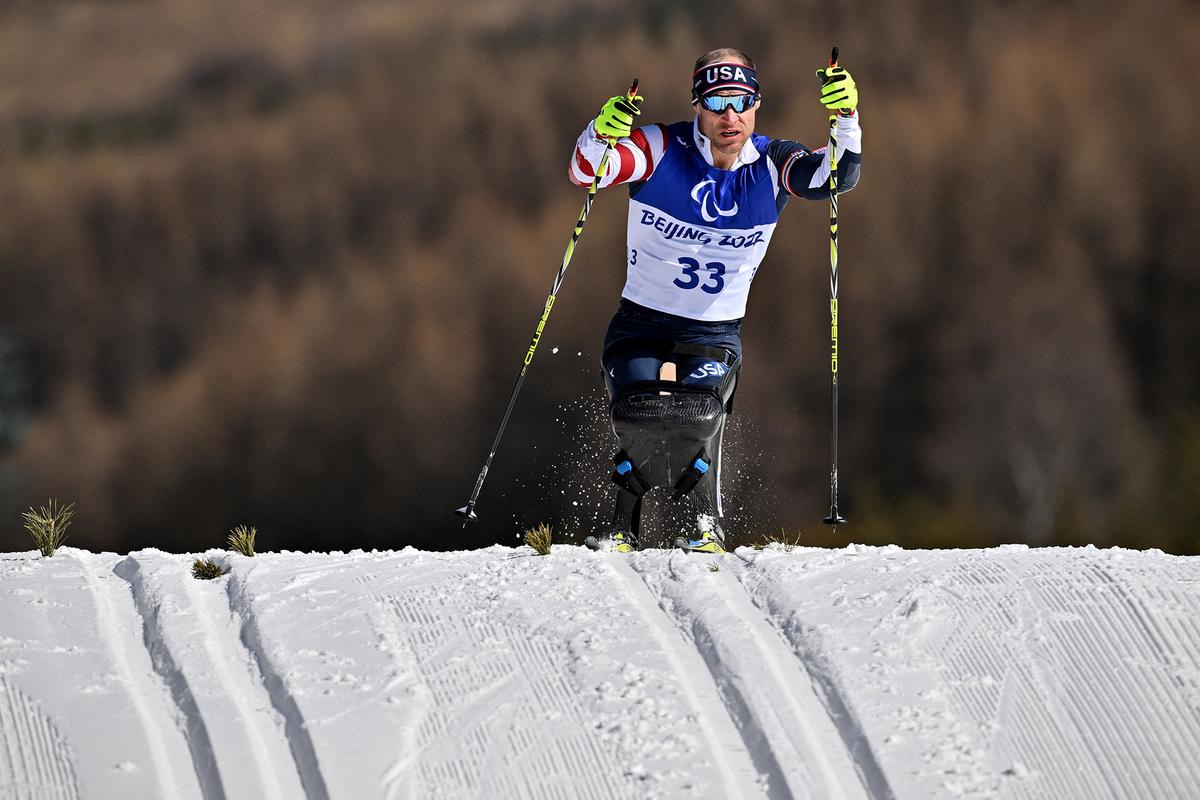
5. Focus on Your Impact on Others
Facing extraordinarily difficult situations is often overwhelming, especially when those situations seem meaningless. Yet meaning is often hidden under the veil of suffering. Learning to see this is one of the most powerful ways to be resilient.Cnossen found meaning in what happened to him through many avenues, but one of the most important was helping others. He focused on the fact that his detonation of the IED may have spared the other men on his team. In recovery, he set a good example for other injured veterans by putting in long hours of physical therapy. Today, he’s a public speaker who uses his life’s trials to inspire others with hope, determination, and resiliency.