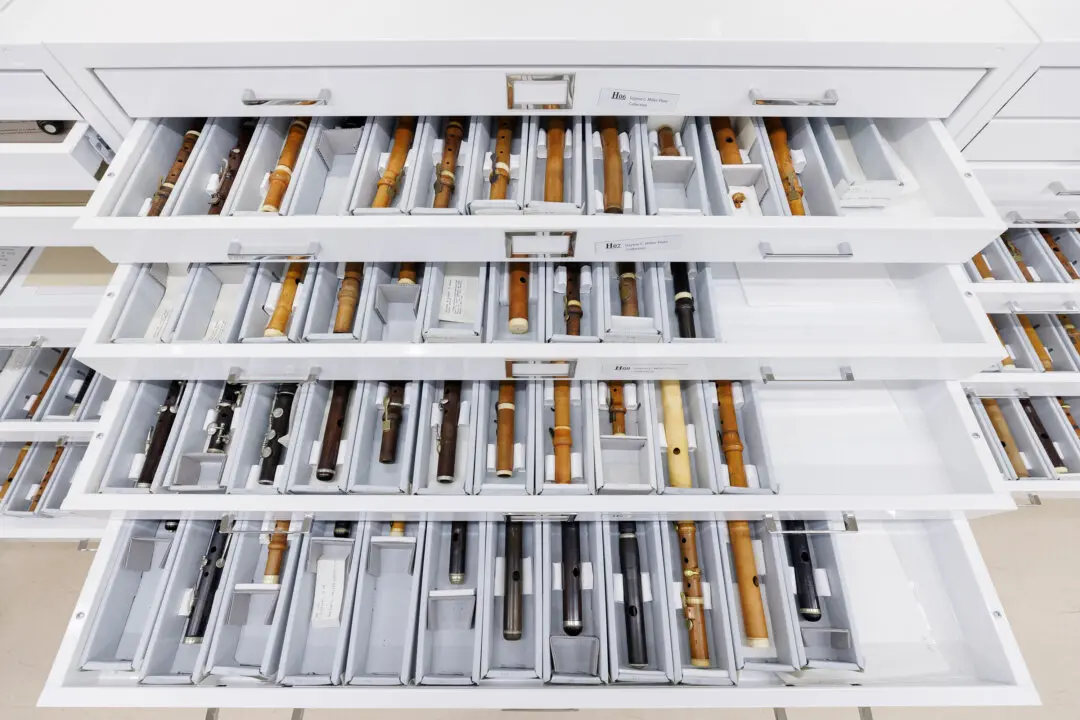
In 1720, Italian priest Desiderio Arisi wrote, “In Cremona is also living my intimate friend Antonio Stradivari, an excellent maker of all kinds of musical instruments.”
Arisi spent his life chronicling the presence of notable Cremona citizens, and Antonio Stradivari (1644–1737), a skilled luthier, was one of the city’s most historic figures. For more than 70 years, Stradivari built stringed instruments unparalleled in both sound and build.
The notes of his violins, cellos, harps, and other instruments could fill every nook and corner of a concert hall. Not only were his instruments powerful, but they were also deeply expressive, with a striking clarity and tone critics and historians have compared to the art of singing.
The Golden Period
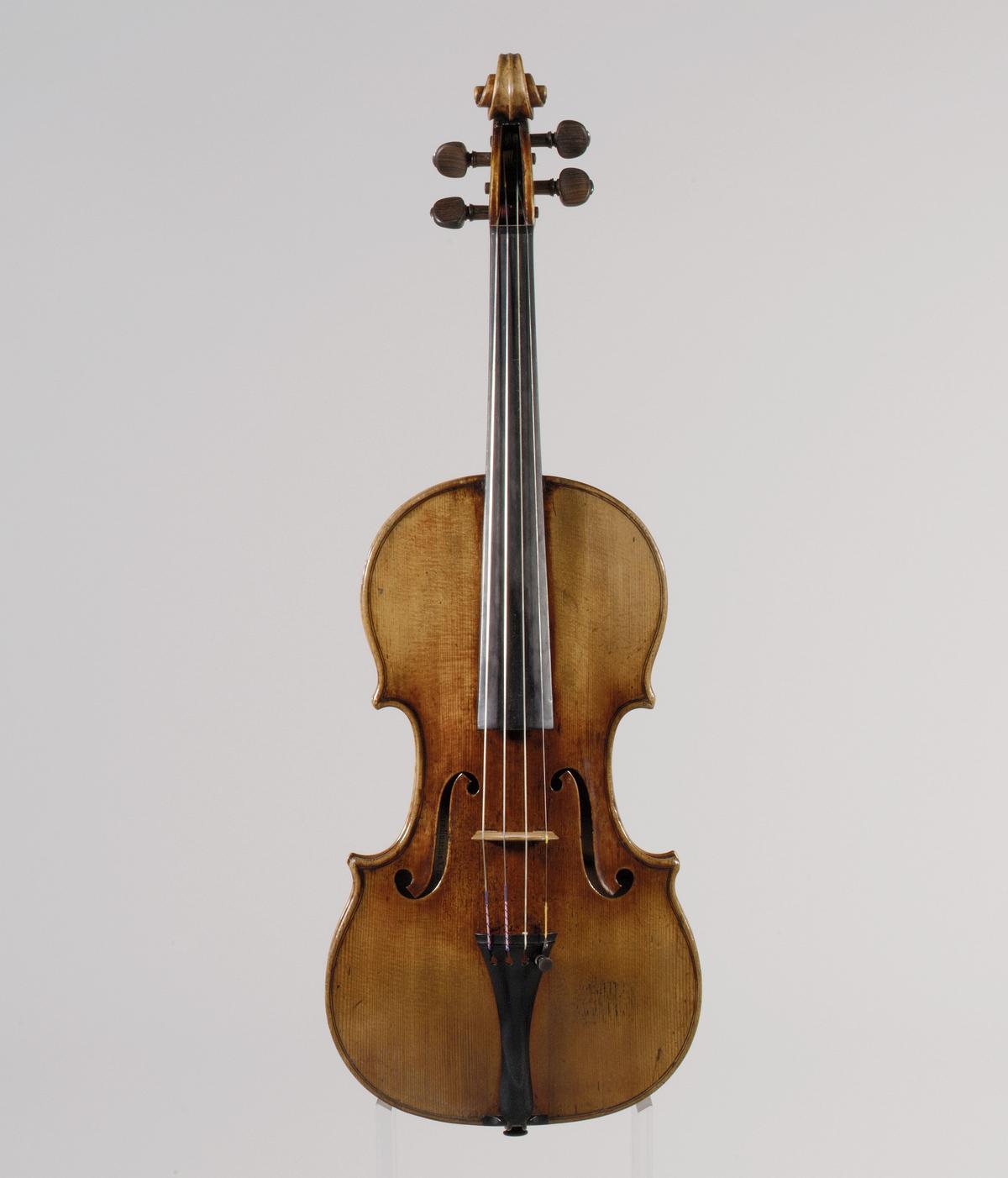
Arisi’s journal entry was made at the tail end of what is known as Stradivari’s Golden Period, lasting from 1700 to 1720. It was during this time the luthier became an innovator, and some of his innovations would go on to become signature aspects of his work.
“Special qualities of Golden Period violins include increased breadth, flatter arches, beautifully flamed maple backs, and a lustrous red varnish,” the Smithsonian Institution notes.
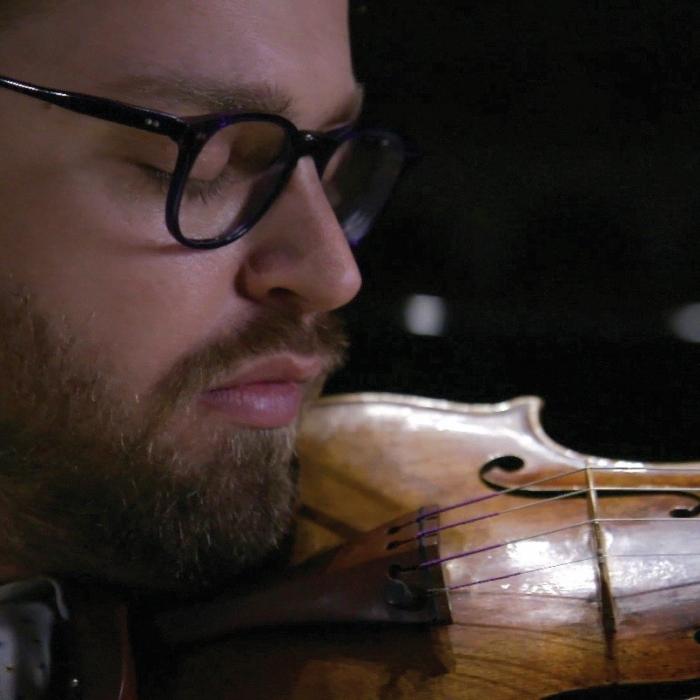

Before the craftsman reached his peak, he honed his skills by working with wood, and experts have long believed his background in woodworking served him well as a luthier.
In an interview with online publication Violinist, author Toby Faber relayed an adage about the historic luthier: “The saying went, ‘Others did with wood what they could, Stradivari did with wood as he wanted.’”
After Stradivari’s death in 1737, many of his instruments were stowed away and left at the mercy of harsh environments. A century later, this wouldn’t do for violin dealer Luigi Tarisio. He traveled Italy in search of Stradivari’s creations, and from the 1820s to the 1840s, he located many of them and brought them to the attention of music enthusiasts in cultural hubs such as Paris and London.
Some of those enthusiasts became proud owners of the instruments that donned the “Stradivarius” label in honor of the luthier’s Latinate surname (he signed his instruments “Antonius Stradivarius”). Through the unearthing and preservation of his creations, Tarisio revived the luthier’s legacy.
‘The Messiah’
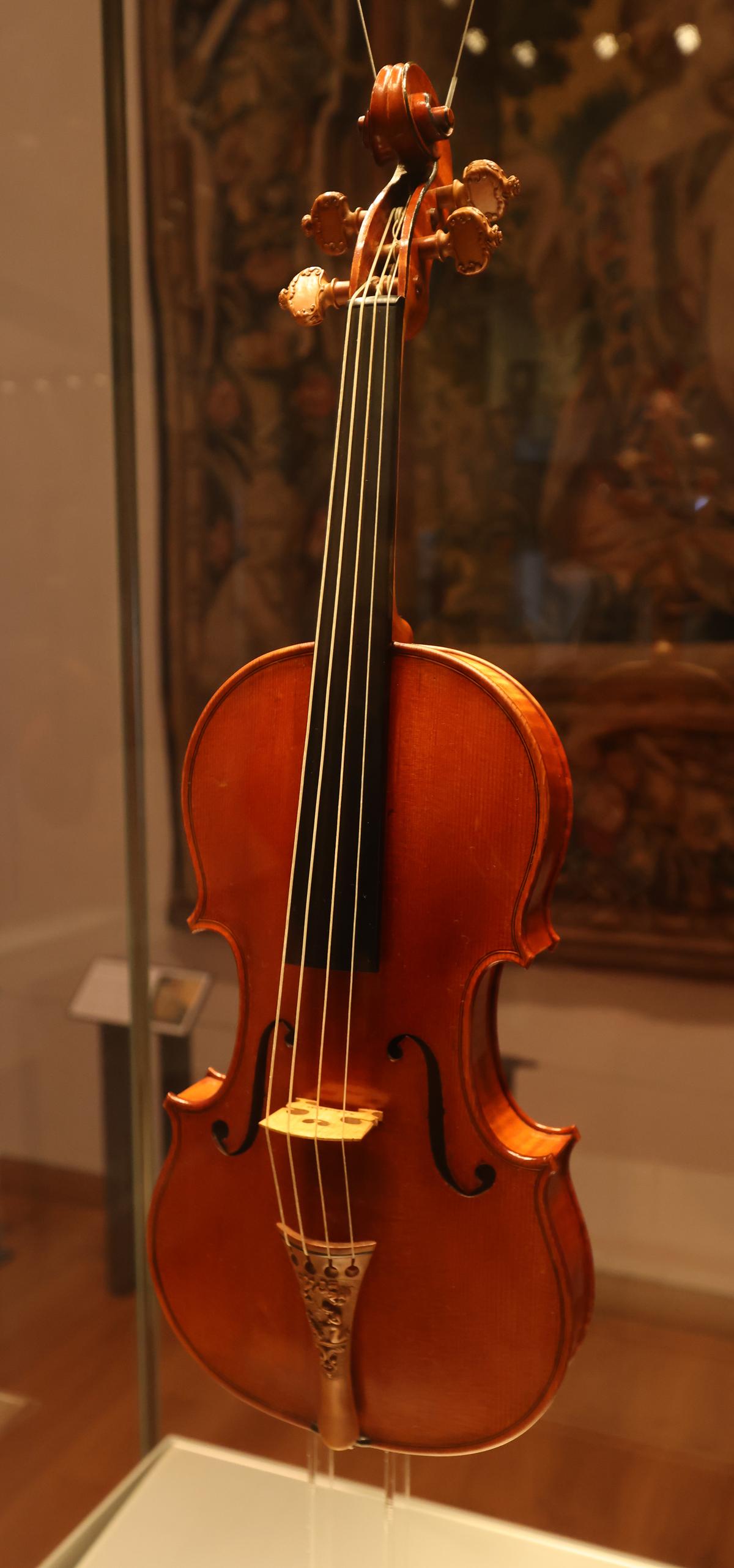
The instrument that stands equally as a work of art got its nickname because of Tarisio’s protective nature. When he found the instrument, he couldn’t bear to part with it. For almost 30 years, he kept it tucked away at his parent’s farmhouse in Italy. The air of mystery surrounding the instrument caused a good amount of fanfare. Because it was constantly talked about but never seen, it came to be known as “The Messiah.”
The coveted violin was allowed to change hands only after Tarisio’s death in 1854, and it is now housed at the Ashmolean Museum in Oxford, England. The hourglass shape of the violin’s wood shows no signs of warping, and its deep red varnish finish, showing no blemishes, still shines brilliantly.
Conversation Between Player and Instrument
Stradivari worked through his final days, producing three violins just before his death at the age of 93. Tarisio’s detective work ensured his legacy was carried on, but another aspect of Stradivari’s work helps tell his story long after his last violin was made.From a violin’s melody comes a silent phenomenon. When the instrument is played, the sound waves create miniscule markings in its wood. In this sense, the vast number of Stradivari violins played by lauded musicians, such as Itzhak Perlman, contain stories of the instruments’ lives since leaving their devoted maker’s hands. Violinists honor this unique, living aspect between player and instrument. It’s like a conversation, one that players respect every time they pick up a violin and glide a bow across its strings.
Famed violinist and conductor Yehudi Menuhin, who has played one of Stradivari’s violins, the “Khevenhuller Strad,” was very aware of this continued conversation.
He once stated, “A great violin is alive; its very shape embodies its maker’s intentions, and its wood stores the history, or the soul, of its successive owners.”
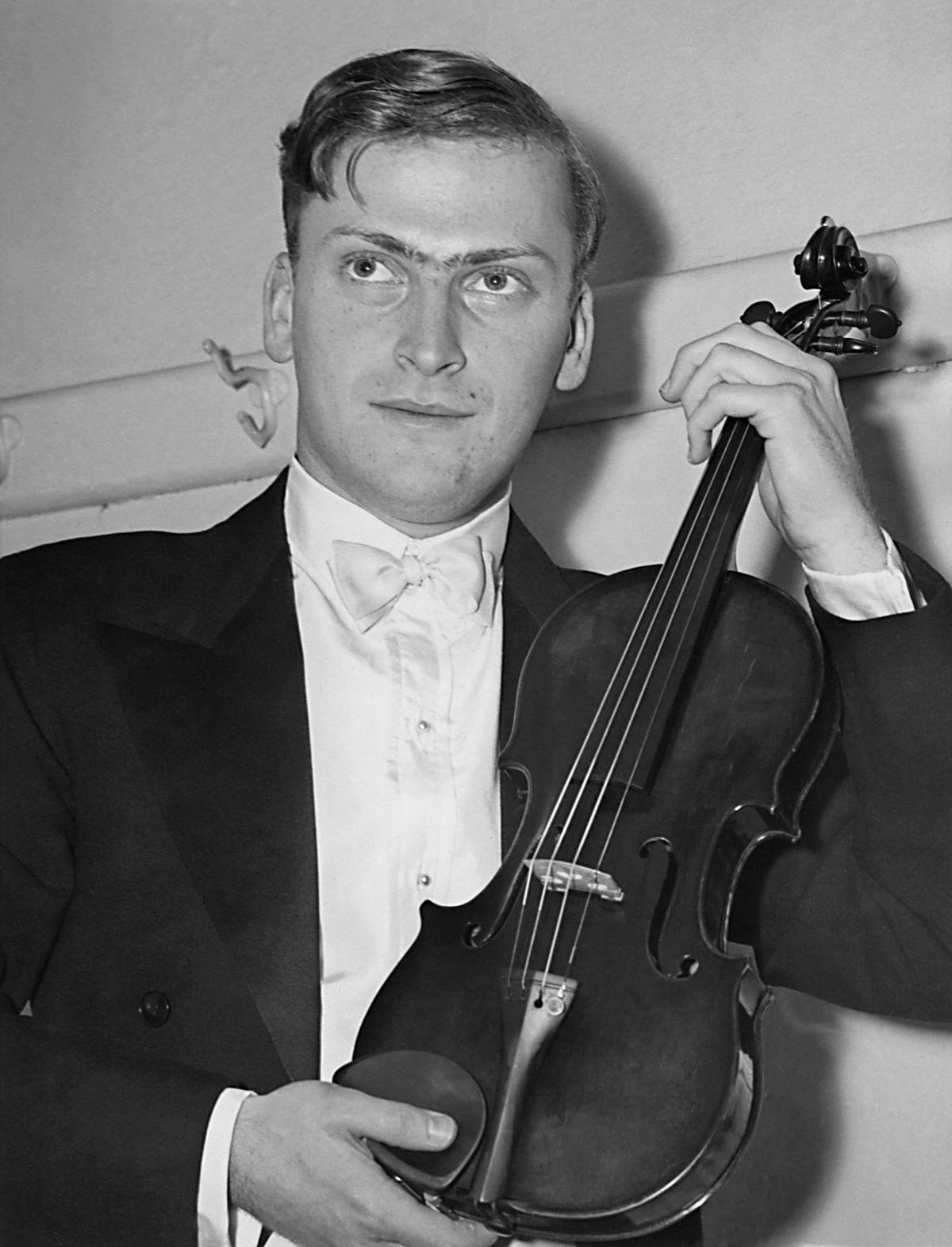
As far as the legendary Italian luthier’s legacy goes, Faber said, “The instruments he made are still the best in the world, even after 250 years. They are amazing living links to the past.”
Stradivari’s violins continue to speak to us today.