A recent report from the Recording Industry Association of America shows that vinyl record sales reached a new milestone in 2025, surpassing $1 billion in revenue for the first time this century. While digital music dominates listening habits, vinyl sales have steadily increased over 19 years, experiencing a 9.3 percent growth.
The vinyl revival is largely fueled by collectors and younger generations seeking a tangible connection to music. Since the first commercially successful records were released in 1948, consumer demand for vinyl has has ebbed and flowed, serving as both a lucrative market (with peak sales in 1978) and a nostalgic collectible today. The vinyl record has survived the arrival of CDs, digital music sales, and streaming for more than half a century.
A New Type of Record
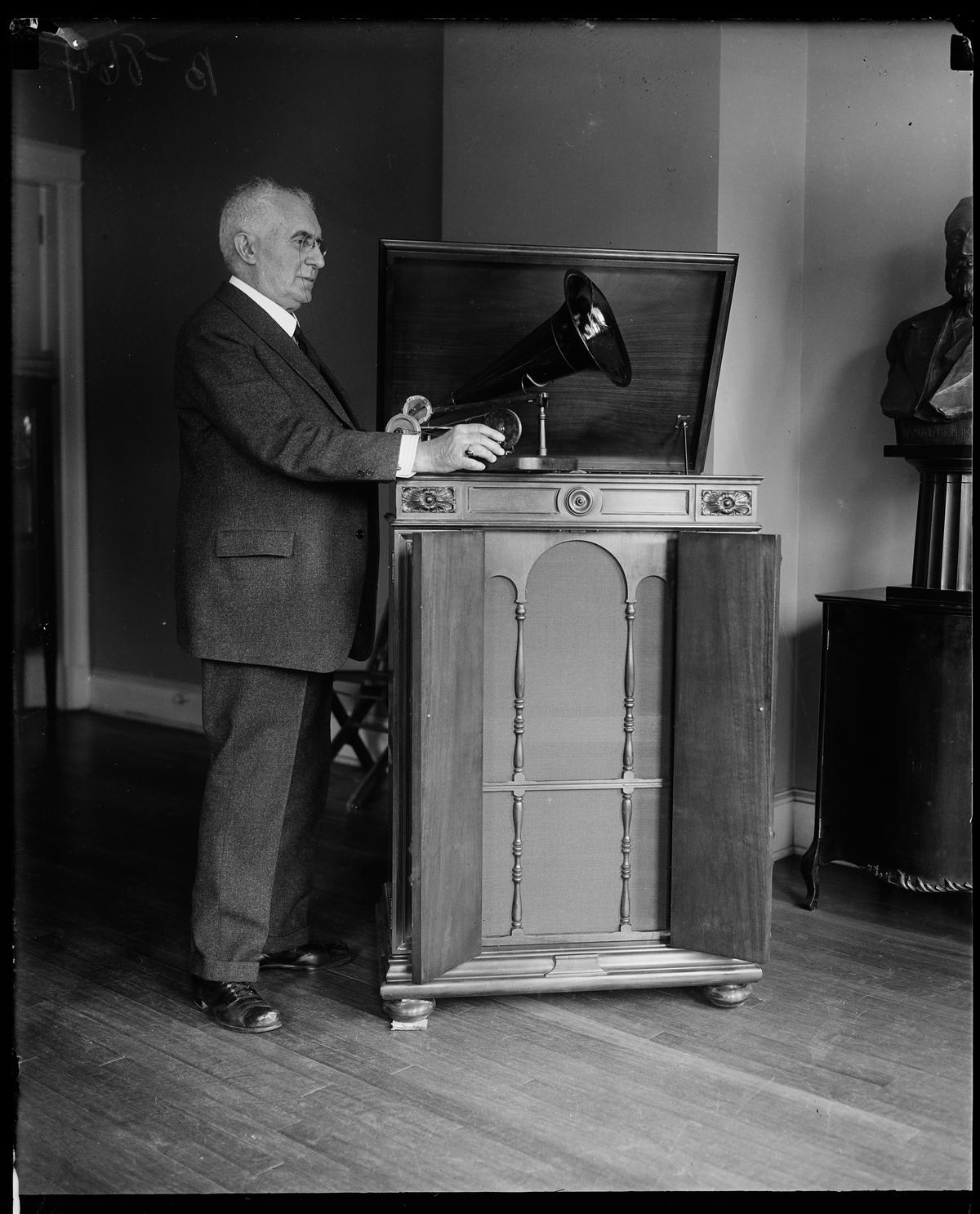
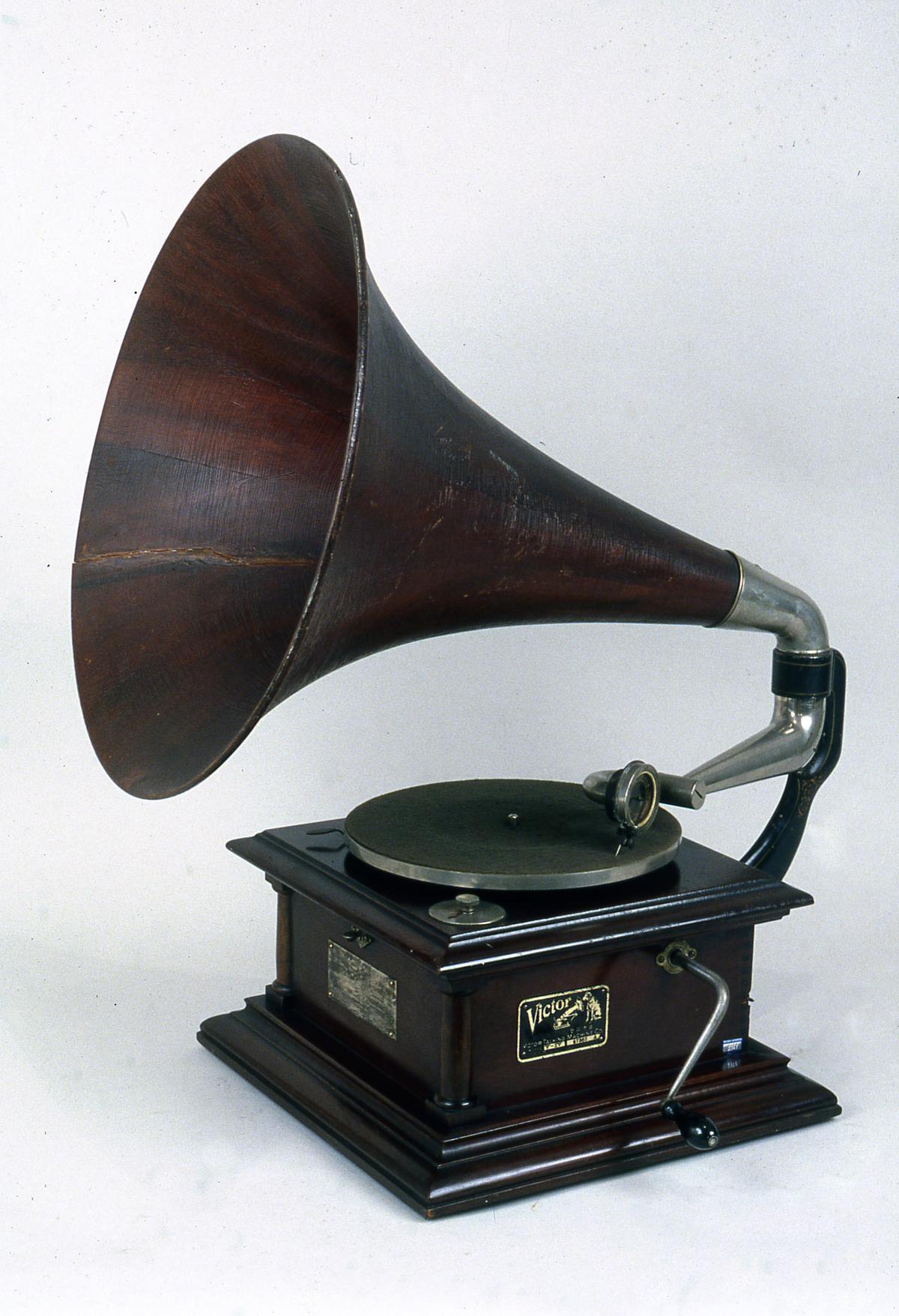
Vinyl records descend from the late 19th-century gramophone invented by German American businessman, Emile Berliner. The gramophone was the first turntable-style player to use flat discs, transforming how listeners connected with music. In the early 1900s, its popularity exploded as consumers enjoyed the freedom of choosing songs over radio playlists.
‘The Album Era’
When LPs became a viable recording option in the mid-1900s, musicians quickly adopted the medium for its creative freedom. “The 1950s and 1960s are often regarded as the golden age of vinyl records. This period marked a surge in vinyl record popularity,” shared popular online record destination Vinyl. “Record companies embraced the new 12-inch LP format, which allowed artists to release full-length albums that captured the essence of their creative visions.” The longer duration of LPs allowed for cohesive artistic statements, rather than mere collections of singles, leading to a recorded music boom from the 1960s to the early 2000s. Music historians refer to this period as “The Album Era.”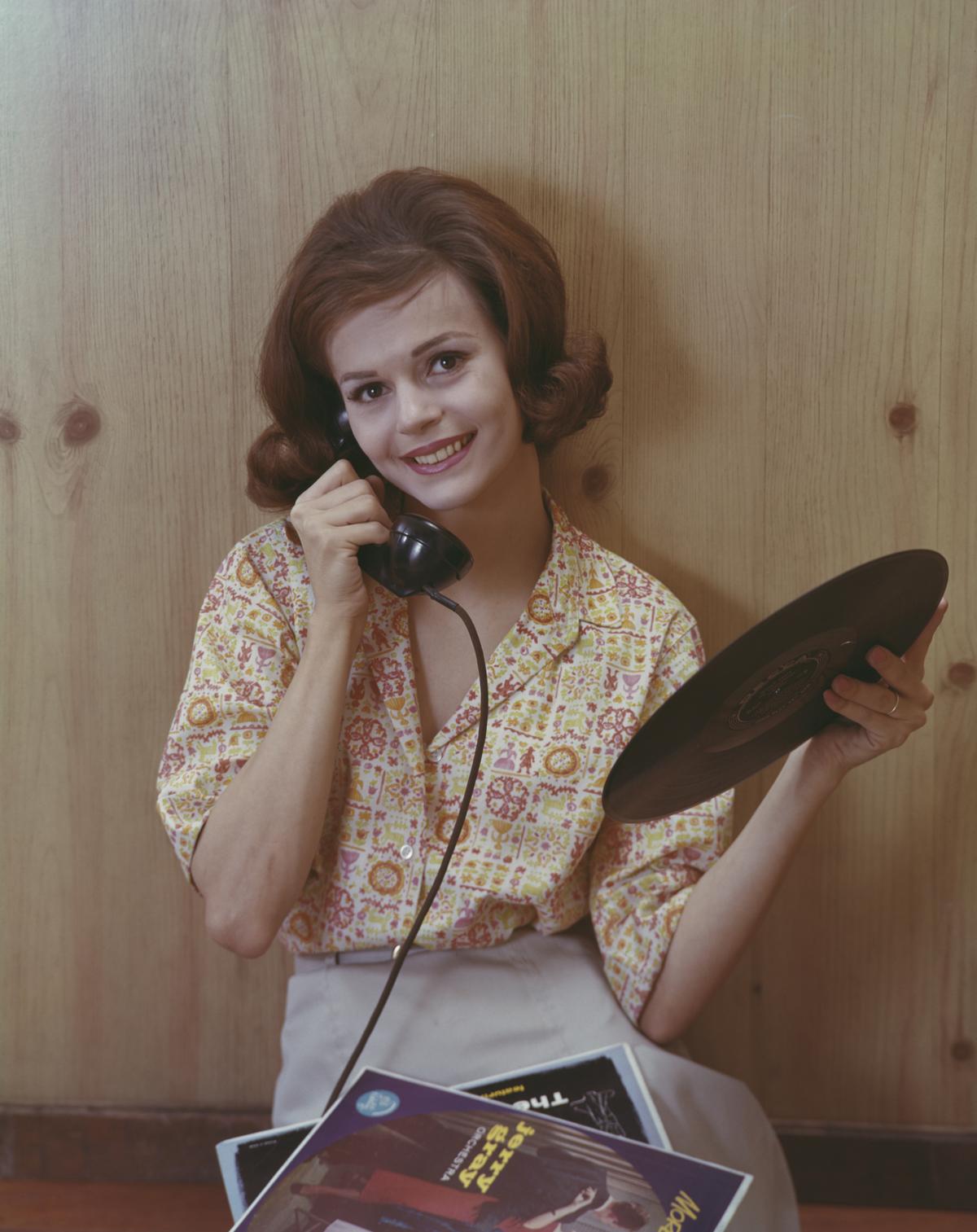
The full-length album won over music lovers and spurred vinyl record collections, driven by an appreciation for the format’s sound quality. Today’s collectors seek out vinyl records for similar reasons. The unique listening experience vinyl offers, with its vibrancy and warmth, remains unmatched by digital music despite its technological advancement.


“This warmth comes from the subtle imperfections and slight variations in the grooves that give each vinyl record a unique character. While sometimes seen as imperfections, these nuances contribute to an overall sonic authenticity that digital recordings often lack,” Vinyl explains.
A Treasured Pastime
The Album Era produced vinyl records that enthusiasts still collect today. Since 2008, independent record stores have hosted official Record Store Day events in April and November. These events are largely fueled by younger generations, from teens to young professionals, in search of hard-to-find classics and exclusive releases. With vinyl sales reaching $1.04 billion in 2025, contemporary artists now release new music on vinyl for eager fans, particularly in the United States, which accounts for 50 percent of vinyl sales. This combination of nostalgia and fresh artistry is at the heart of vinyl’s continued rise after a cooling period at the turn of the 21st century.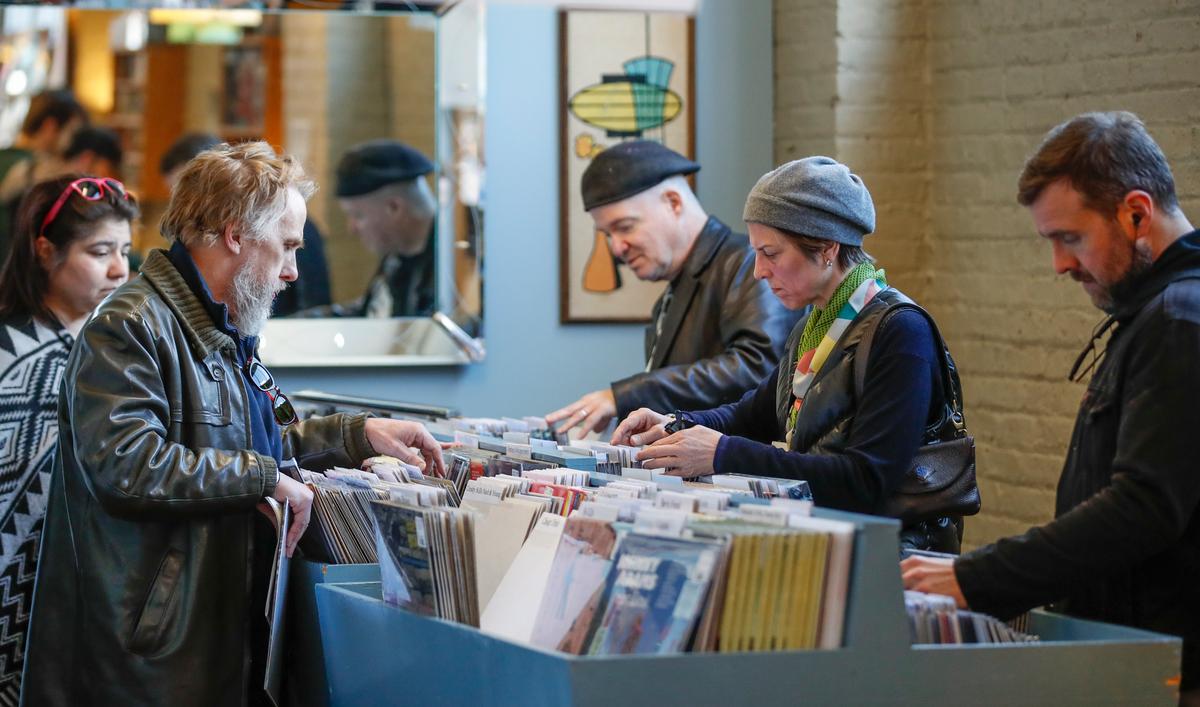
The revived vinyl record landscape offers an important lesson: Enhancing the listening experience often means embracing a treasured pastime rather than pursuing futuristic innovations. “Still collected, bought and sold today, LPs are regarded as a window into the past. A reflection of a different time,” Victrola shared. “And its sound quality, though imperfect, is preferred by many.”