NR | 2 h 21 min | Drama | 1940
Both ponder versions of femininity—one conniving and clinging, the other responsible and responsive. “Gone with the Wind” draws on the self-reflective writing of one woman, Margaret Mitchell; “All This, and Heaven Too” similarly reflects the writing of another woman, Rachel Field.
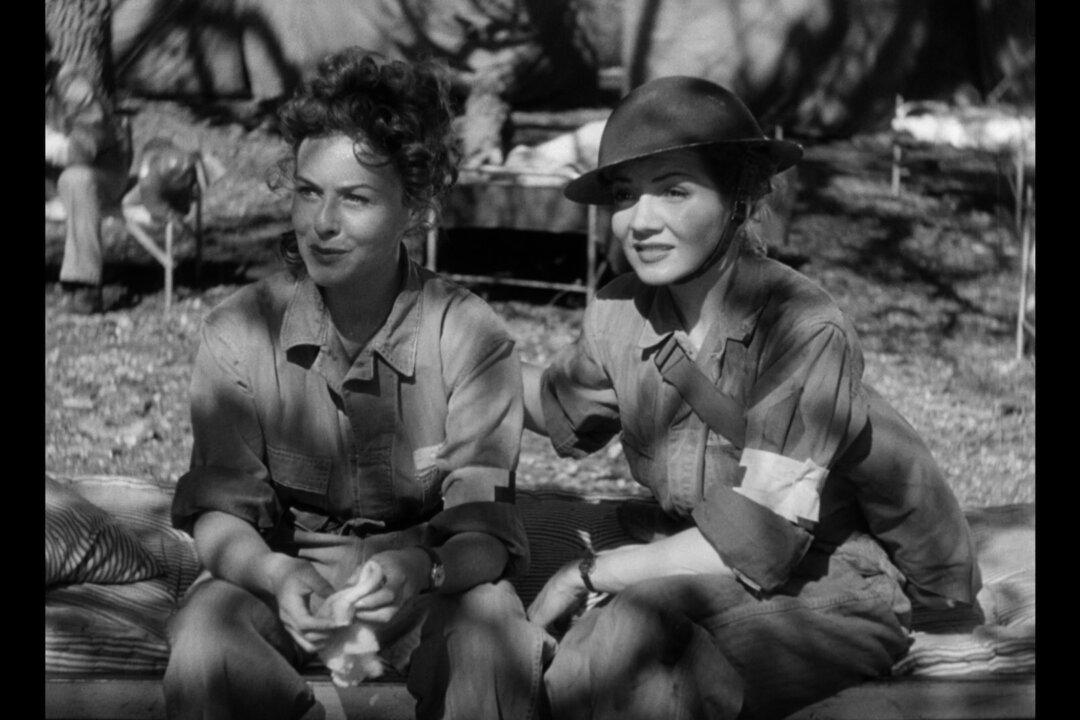
French teacher Henriette Deluzy-Desportes (Bette Davis) starts her first class at an American school for girls. Gutted by gossip that’s followed her from France, she tells her self-righteous students her story (in flashback).
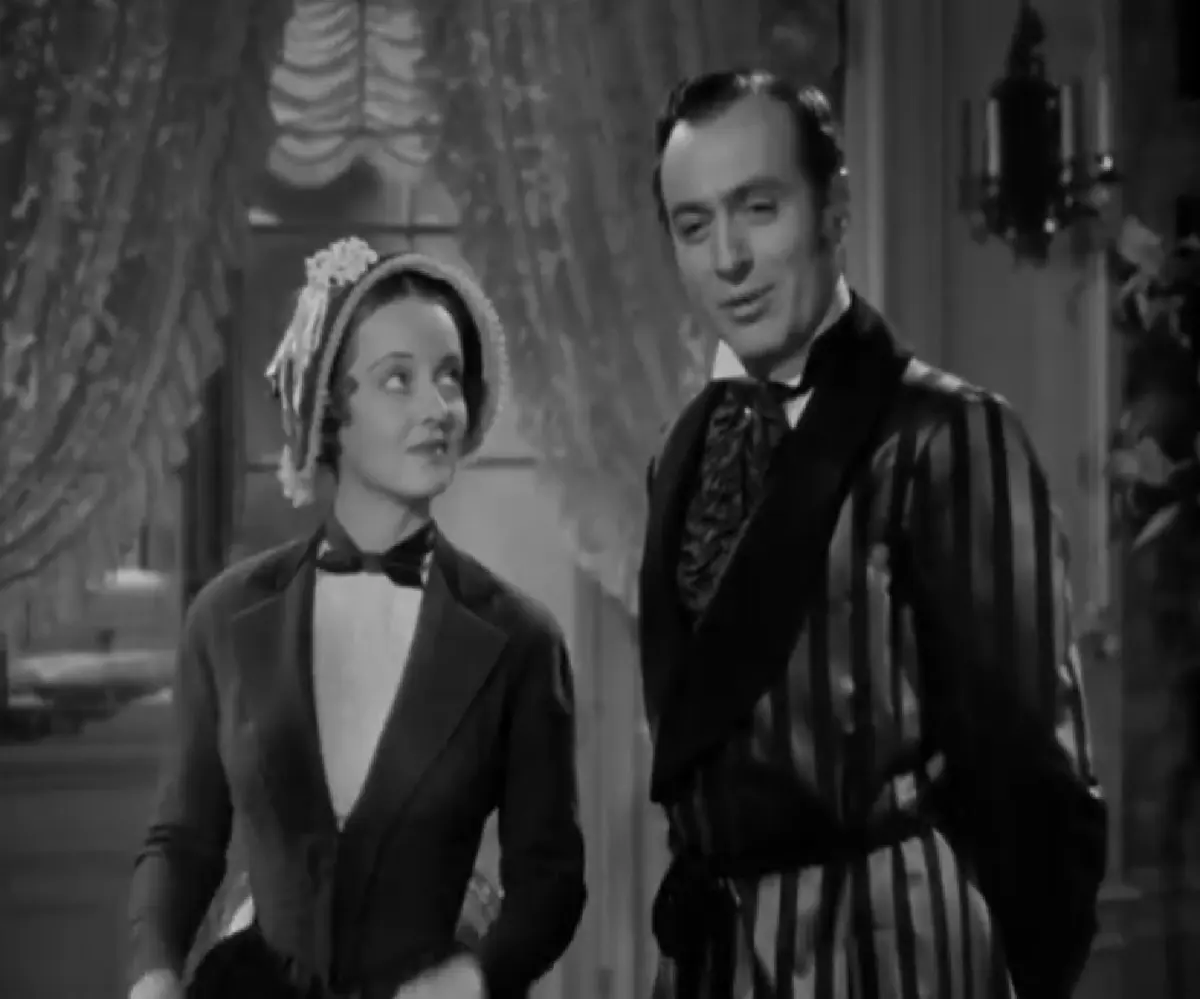
Henriette leaves her home in England for France to become a governess in the household of the Duc (Charles Boyer) and Duchesse (Barbara O’Neil) de Praslin. Lovingly, she cares for their children, pre-teen girls Berthe (Ann Todd) and Louise (Virginia Weidler) and 13-year-old Isabelle (June Lockhart); the boy, Raynald (Richard Nichols), isn’t much more than a toddler.
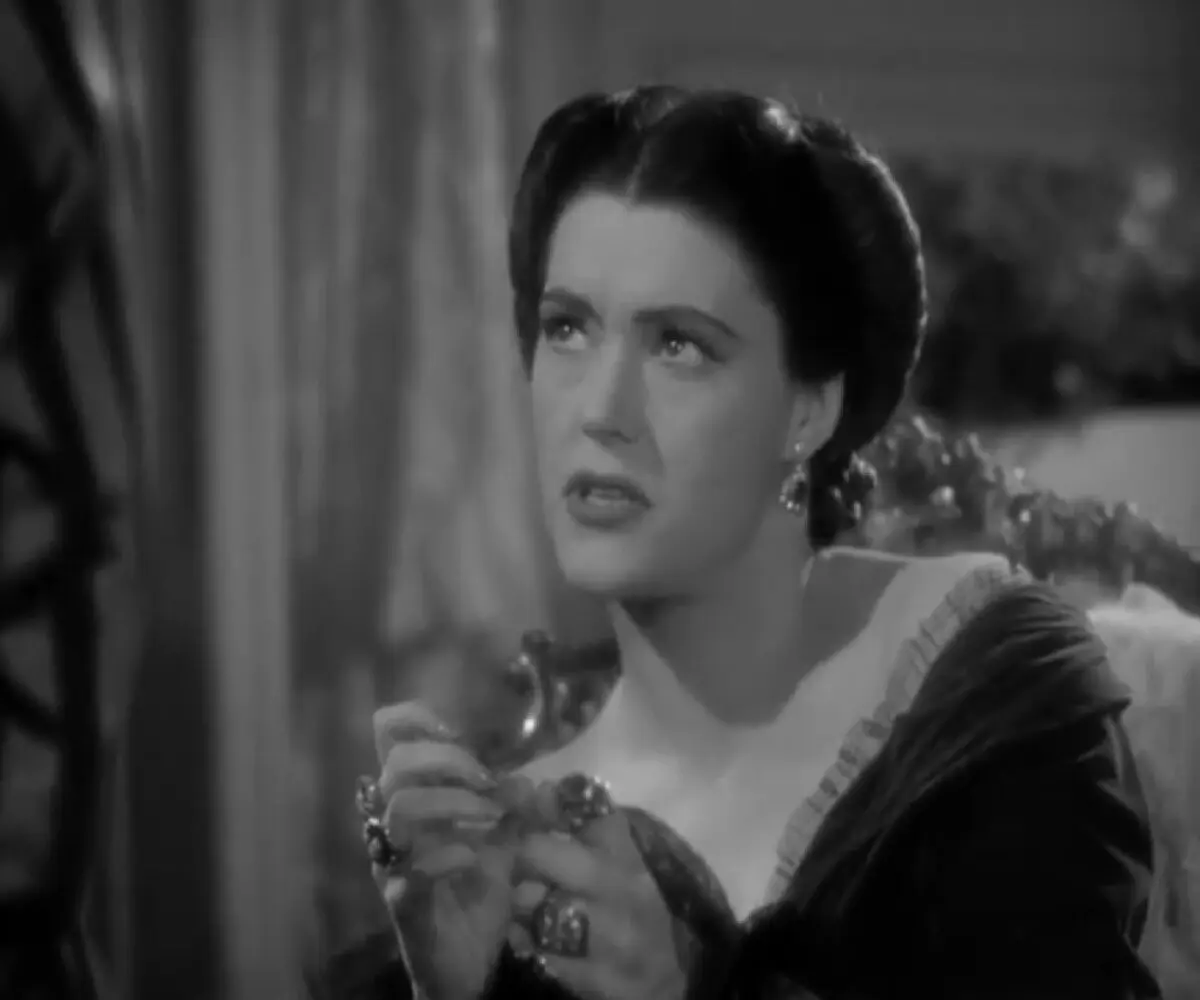
The selfishly neurotic Duchesse has long made a mess of marriage and motherhood; the couple are all but estranged. The Duc indulges his wife and dotes over the children, while she’s incurably apathetic. The fact that Henriette charms everyone only heightens the Duchesse’s jealousy.

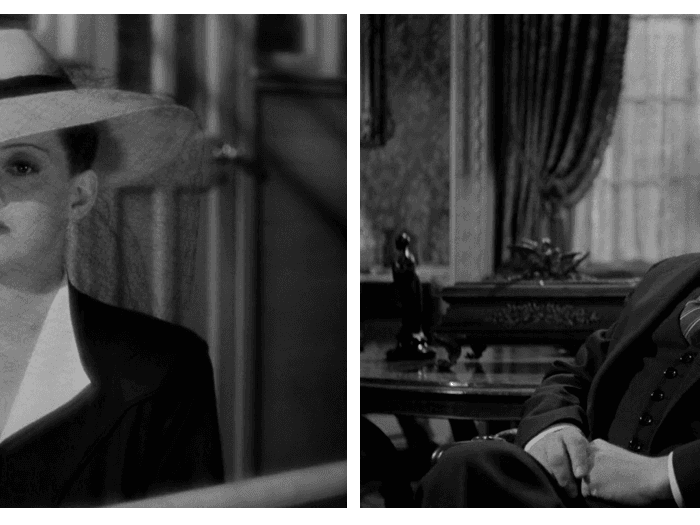
The lovable children long for a mother like Henriette, making no secret of it. The Duc, a peer of France, doesn’t have that luxury, even if he longs for a wife like her.
So he and Henriette remain friends, their mutual affection never going beyond a handshake. That doesn’t pacify the Duchesse; insinuating impropriety, she forces Henriette’s departure from first the household then France.
O’Neil dazzles as the devilishly demanding Duchesse. Davis is suitably guiltless as governess. Virginia Weidler charms as excitable Louise, and June Lockhart excels as tall, tender Isabelle. French-born Boyer’s gravitas does the rest.
Handwriting
Director Anatole Litvak’s camera lingers on a calligraphist’s hands. They double for the hands of his characters as they write with flourish in flowing lines, which is typical of 19th-century handwriting. Of course, some of his shots tell you what his characters are silently scheming. He does it again and again, though, so there’s probably more to it.Litvak may be hinting that the long-lost tradition of handwriting recalls virtues of thoughtfulness and care. While in handwriting, even a hurried mind is forced to pause, as the hand lifts then dips the quill into an inkpot before returning to the page.
The written words, like some traditions here, are invitations to cultivate respect in public by instilling self-respect in private. Some, like the Duc’s little girls (gazing admiringly at a royal ball or banquet), take the cue. Others, like their mother (pouring insinuations, not just ink, onto a page), don’t.
In one scene, a weeping Isabelle, who’s just hit puberty, is struggling with her vision of womanhood. Still, for all her confusion, she’s clear about one thing: She doesn’t want to be like her mother, with her self-loathing, entitlement, and victimhood.
Henriette embraces Isabelle in near silence, a woman empathizing with a girl. As that scene closes, without hearing as much from the woman, the girl already senses the kind of wife and mother that she’d like to be.
Teacher’s Role
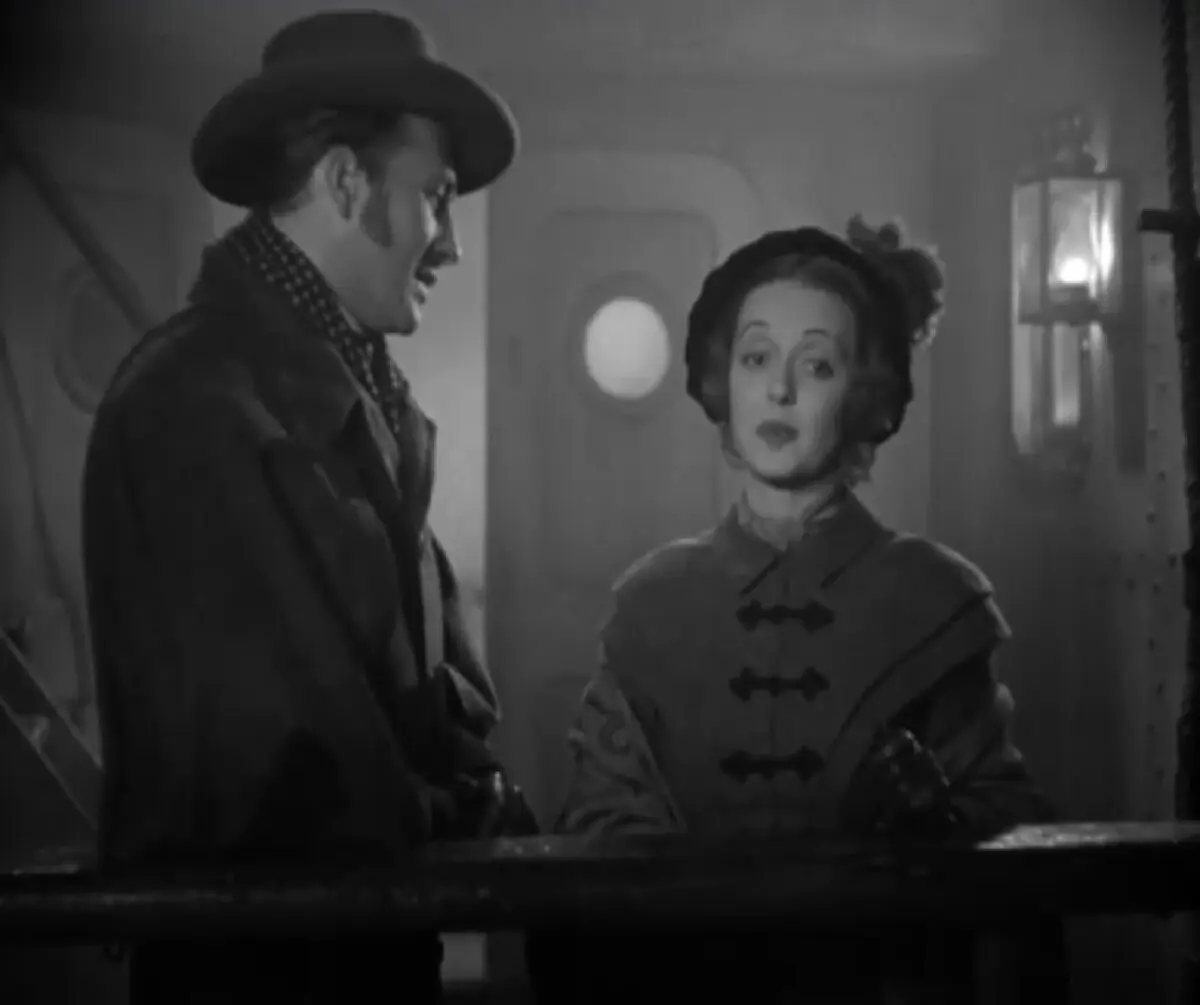
The role of a teacher at school or a governess at home isn’t about telling girls (or boys) who or what they should become. It’s about offering them a clear-eyed canvas of the consequences of their choices. It’s about imbuing in them, as Henriette does, respect for life’s ebb and flow and its seasons.Tellingly, Litvak’s camera captures autumn, winter, spring, and summer with more than a hint of the promise that lies behind the barest of trees and the most brutal of snowfalls.
Author Field asks girls to choose wisely the women they’ll become. To her, upright men and their children prefer only one kind of wife or mother—one who’s humble, generous, forgiving, and sacrificing.
Henriette attracts everyone who embodies or aspires to that, especially the Duc. That Henriette is attracted to the Duc is Field’s flipside; upright women and their children warm to only one kind of husband or father. The Duc mirrors that, however dimly.
For American novelist Field, it isn’t France but an equal and equalizing America, the land of first (and second) chances, that harbors hope for scandal-haunted Henriette.
A man supplies that hope, not a woman. He’s a clergyman, like Field’s real-life father was, and he, too, is a Mr. Field (played here by Jeffrey Lynn). Watch how nobly he bookends Henriette’s global saga.