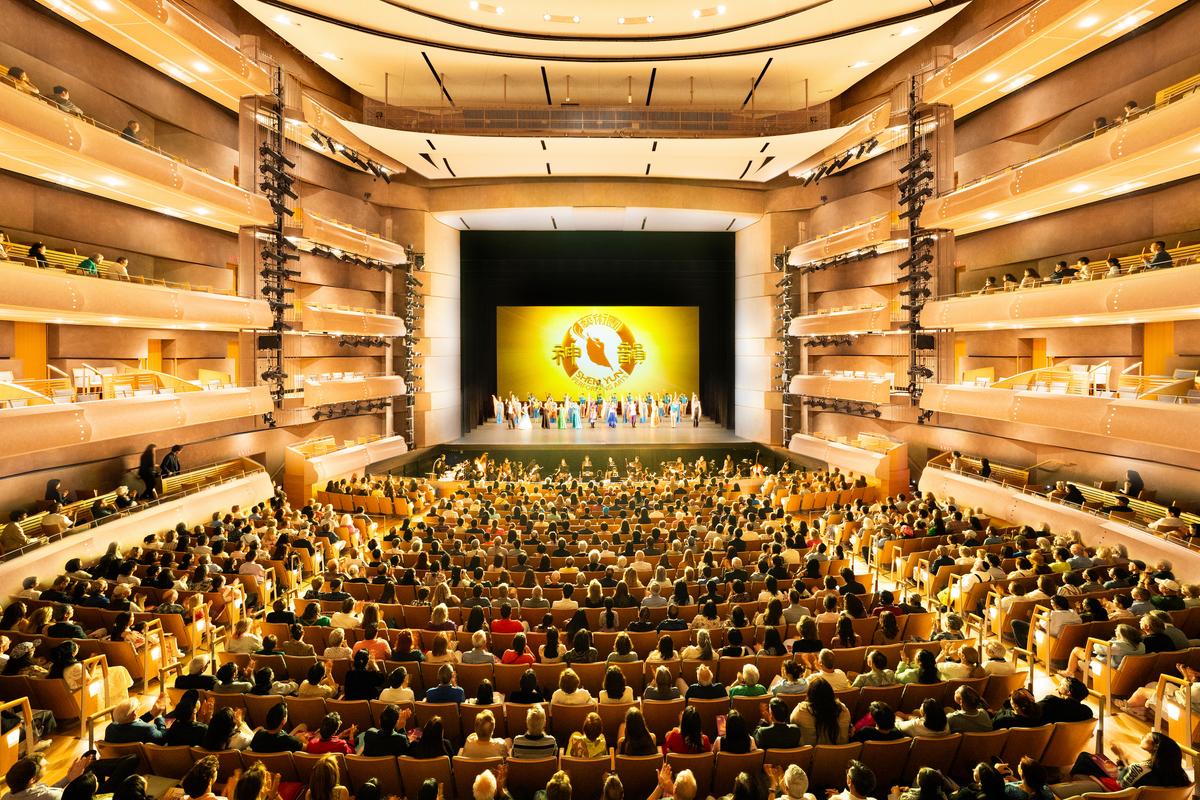
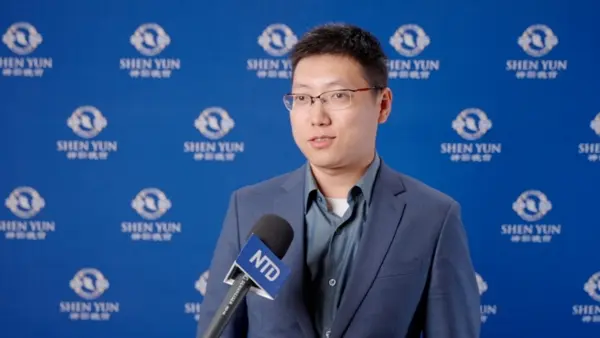
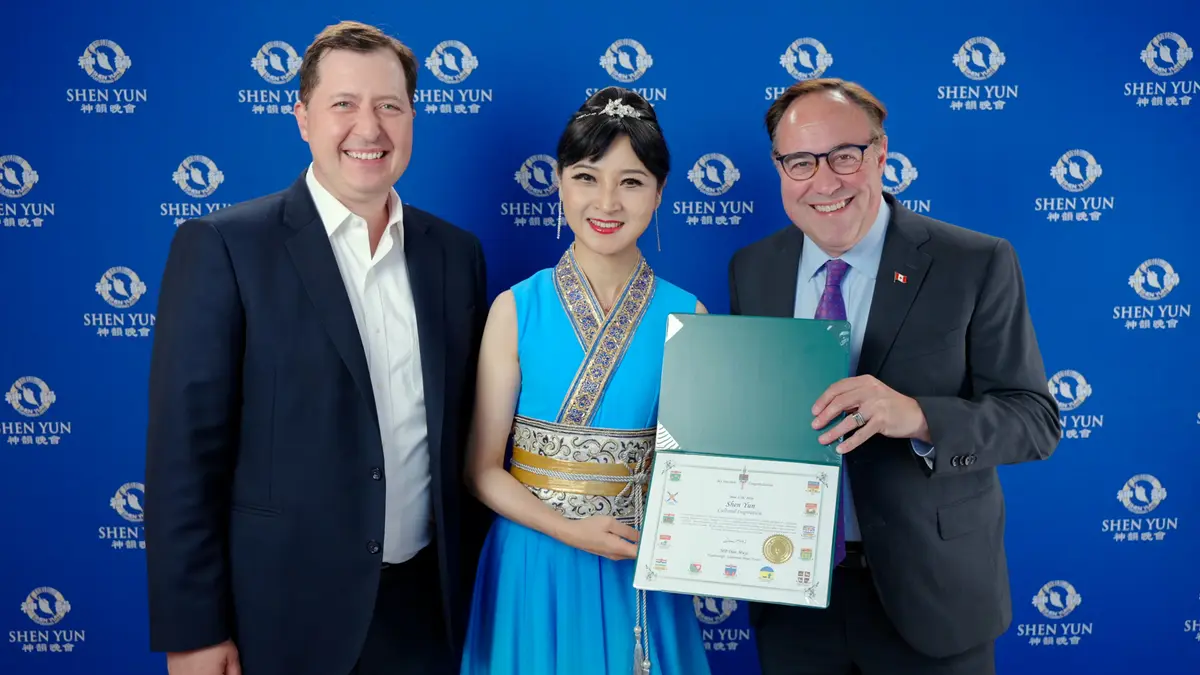
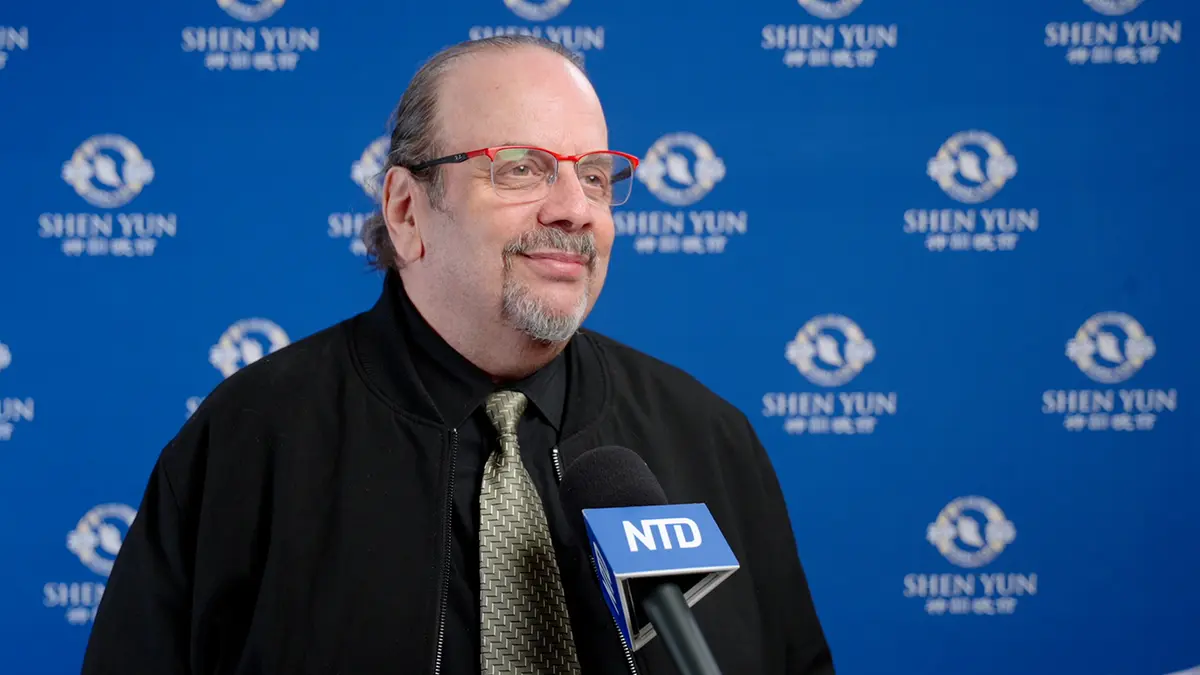
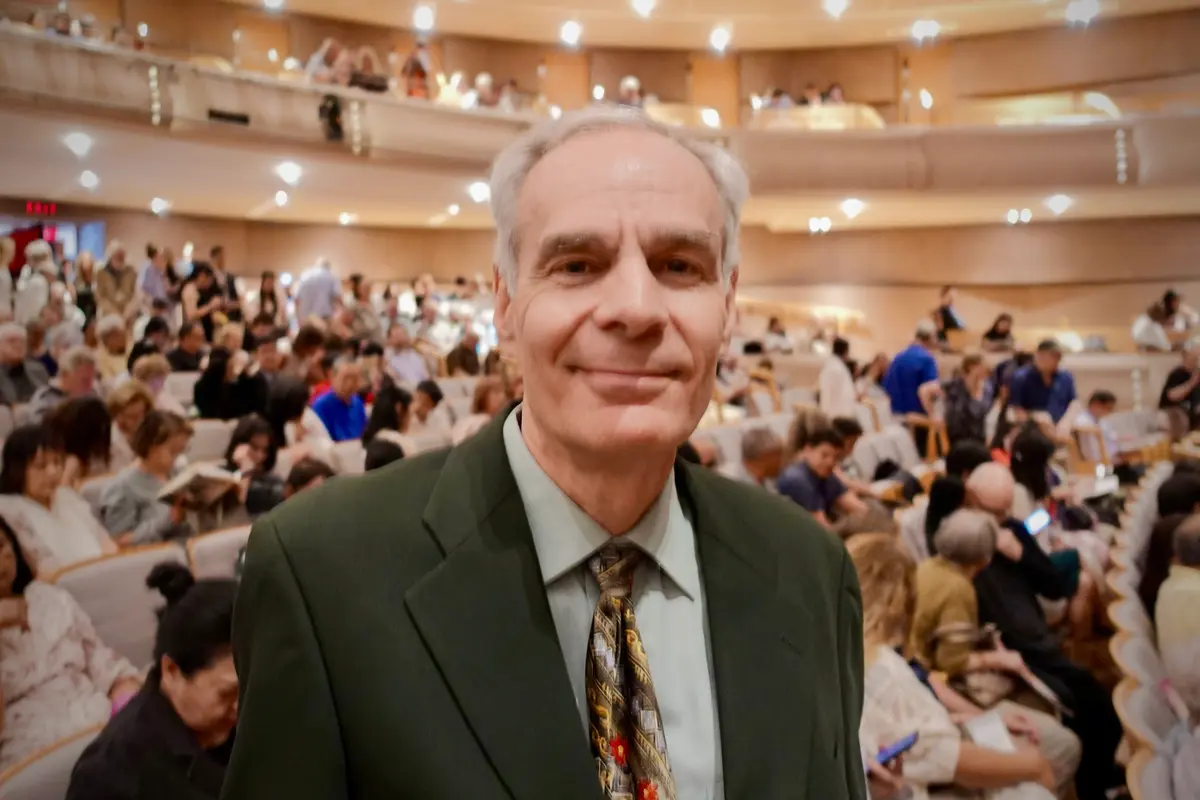
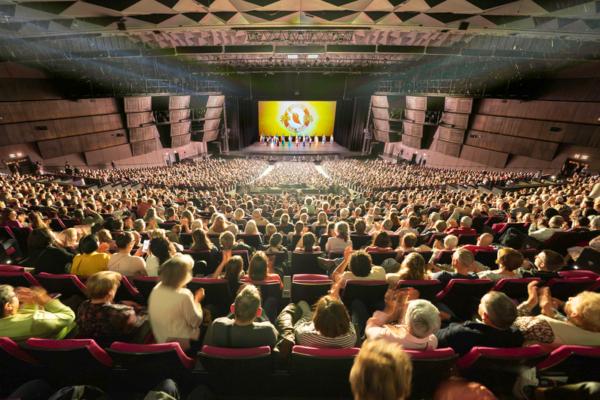
ALBUQUERQUE, N.M.—Retired company vice president Wayne Frye and Debra Maese, a retired director of education, weren’t quite sure what to expect when they arrived for Shen Yun Performing Arts’ evening show at the Popejoy Hall on Jan. 27.
“I didn’t know what to expect,” Mr. Frye said. “It’s very surprisingly good, and I like the effects and the artists’ talent quite a bit. … Good quality.”
Ms. Maese chimed in that she, too, thoroughly enjoyed the performance. “It’s so colorful and graceful,” she said. “I’m loving the storyline. It’s very interesting.”
The music “flows very nicely with the story, and the musicians are just beautiful. It’s wonderful to listen to.”
Based in New York, Shen Yun is the world’s top classical Chinese dance and music company. Presenting a brand-new set of programs each year, the company has been delighting audiences around the world since 2006.
The production is composed of a series of short pieces that takes its audience on a ride through the dynasties and across the vast regions of China. Using classical Chinese, folk, and ethnic dances, as well as solo musical performances, Shen Yun tells tales from ancient times to the modern day.
Mr. Frye especially enjoyed the story-based dance inspired by China’s classical novel “Journey to the West,” in which the Monkey King learned the secret art of transformation to protect his kingdom.
“I liked the characters, and I liked the animation,” he said. “I thought it was a good story.”
He also appreciated that, beyond presenting historical legends, Shen Yun artists are dedicated to raising awareness about the ongoing persecution of faith in present-day China under the ruling communist regime.
“It’s bad to get persecuted for your beliefs,” Mr. Frye said. “So, it’s good that [the performers] have a way to share their story.”
“I think it’s very relevant [to society today] because people’s beliefs need to be respected and they need to stand up for their beliefs.”
For him, Shen Yun conveyed China’s divine-inspired culture not only through movement and music, but also through its choice of “colors and the flowing garments.”
Ms. Maese found the performance enlightening. “I love that they are here and that they’re telling their story,“ she shared. ”I thought [the spiritual element] was very interesting. I didn’t know very much of it at all. I’m glad to learn about it.”
As an educator, she loved the educational value of the production.
“The fact that [Shen Yun presents] a completely different culture and it’s a different society, it’s a different type of looking at religion and the afterlife and what we can do with our lives in order to enhance each other,” she shared.
“There are so many elements to it, so many layers of education. The costume design, the choreography, the way the music flows so beautifully with the story itself—I think there’s many ways to look at [Shen Yun] and to learn from it.”