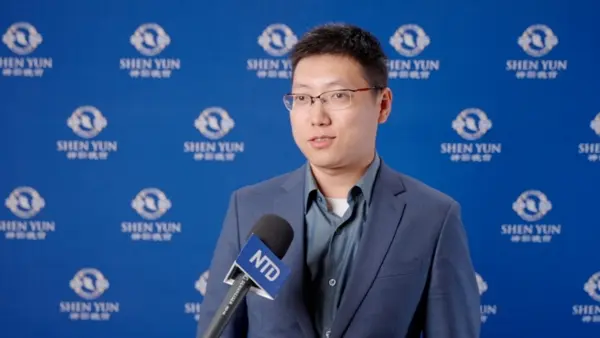
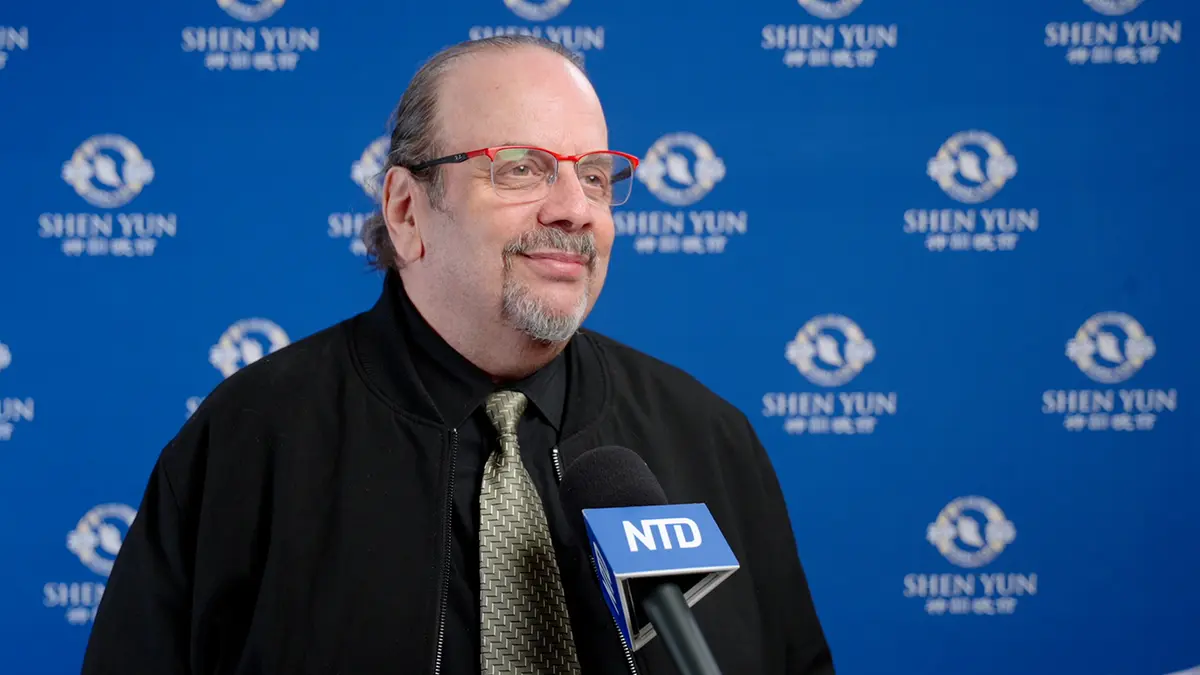
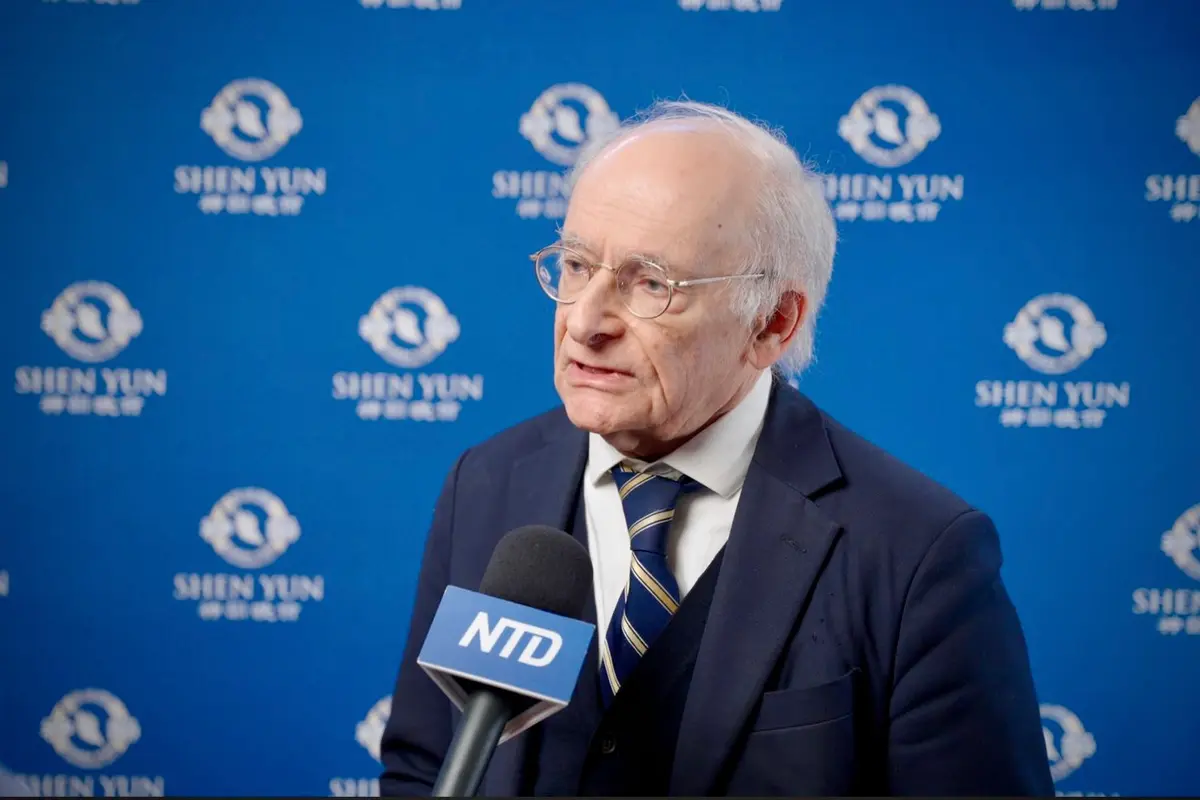
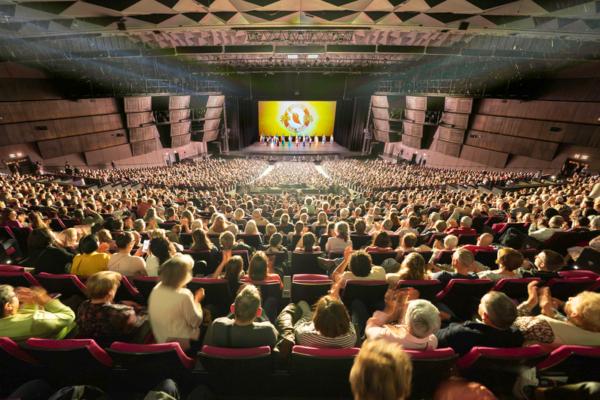
Mr. Richards likewise found the experience delightful.
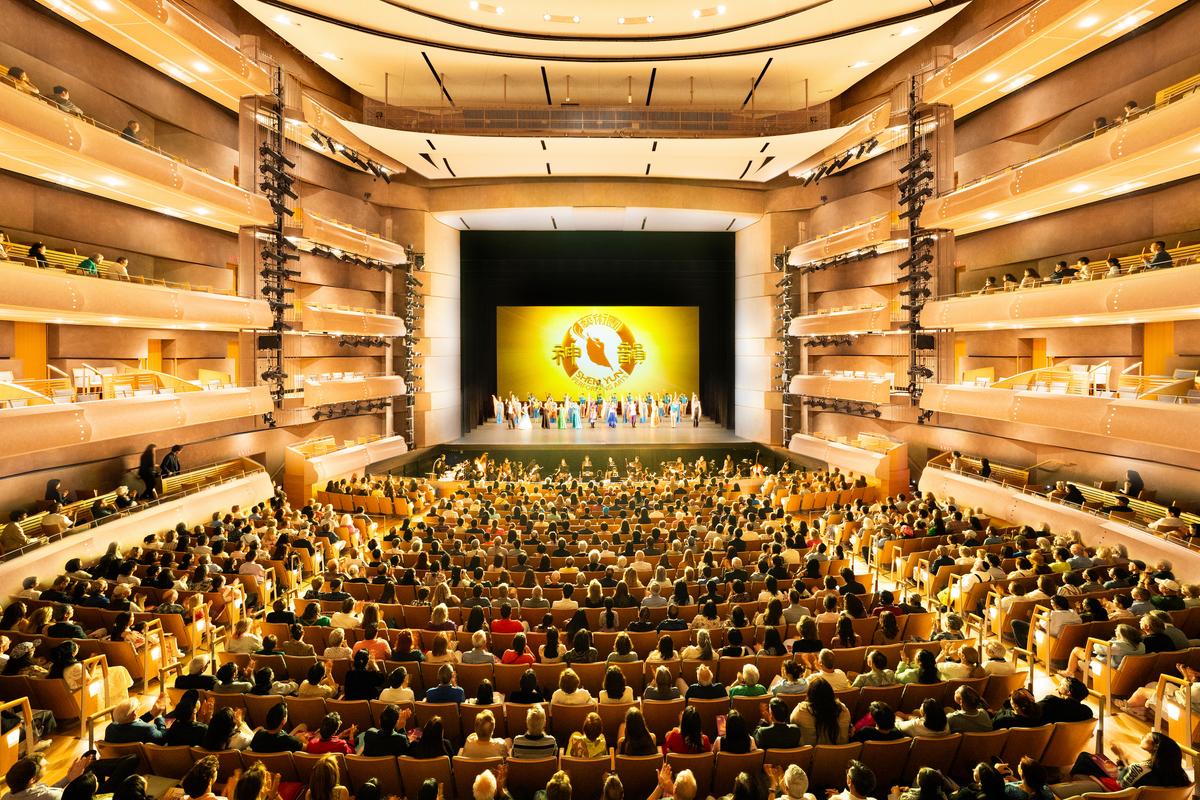
“The dancing, the color, the choreography—just absolutely spectacular. So filled with joy and happiness,” he said in the lobby of the Trump Kennedy Center Opera House.
“You see dark moments [reflecting China’s current society], obviously, but the overwhelming impression is one of joy and happiness.”
Mr. Richards said the piece that left the strongest impression on him was “Peacock Paradise,” where fairies danced amid drifting clouds.
“The women dancers on the clouds in the dresses—for some reason, it [touched] me a lot,” he said. “There’s something instrumental about that. The serenity of the particular act touches you.”
New York-based Shen Yun was founded in 2006 by elite Chinese artists who had fled the persecution of the communist party.
For 5,000 years, China’s civilization flourished under the shared belief that the divine will bless those who uphold traditional moral values. Tragically, within just a few decades of the communist party’s violent takeover, these beliefs were almost completely erased and replaced with atheism.
As vice president of the Heritage Foundation, he found a “wonderful sort of similarity and common cause” between Shen Yun and his own work.
“We have a deep and growing concern about the dangers of communist China, and so are very encouraged by this movement to oppose it. Now, having seen Shen Yun, I can understand why the Chinese regime would not like it,” he said.
Mr. Richards praised the artists’ dedication, stating, “The kind of modern ideology of materialism and communism and atheism are a profound deviation and a corruption of what is true and good and beautiful about reality and about the human person.”
“So, the recovery of a deeper tradition and a more humanizing tradition,” he said, “is a very good thing.”