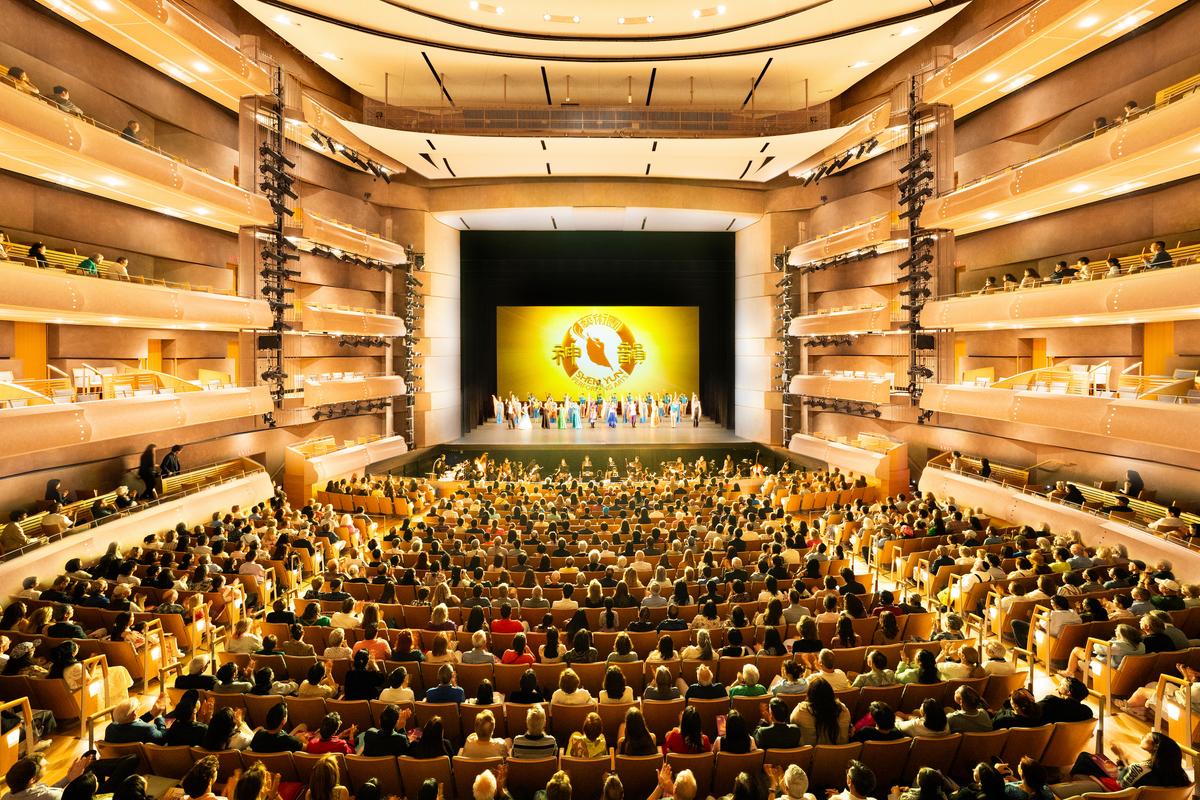
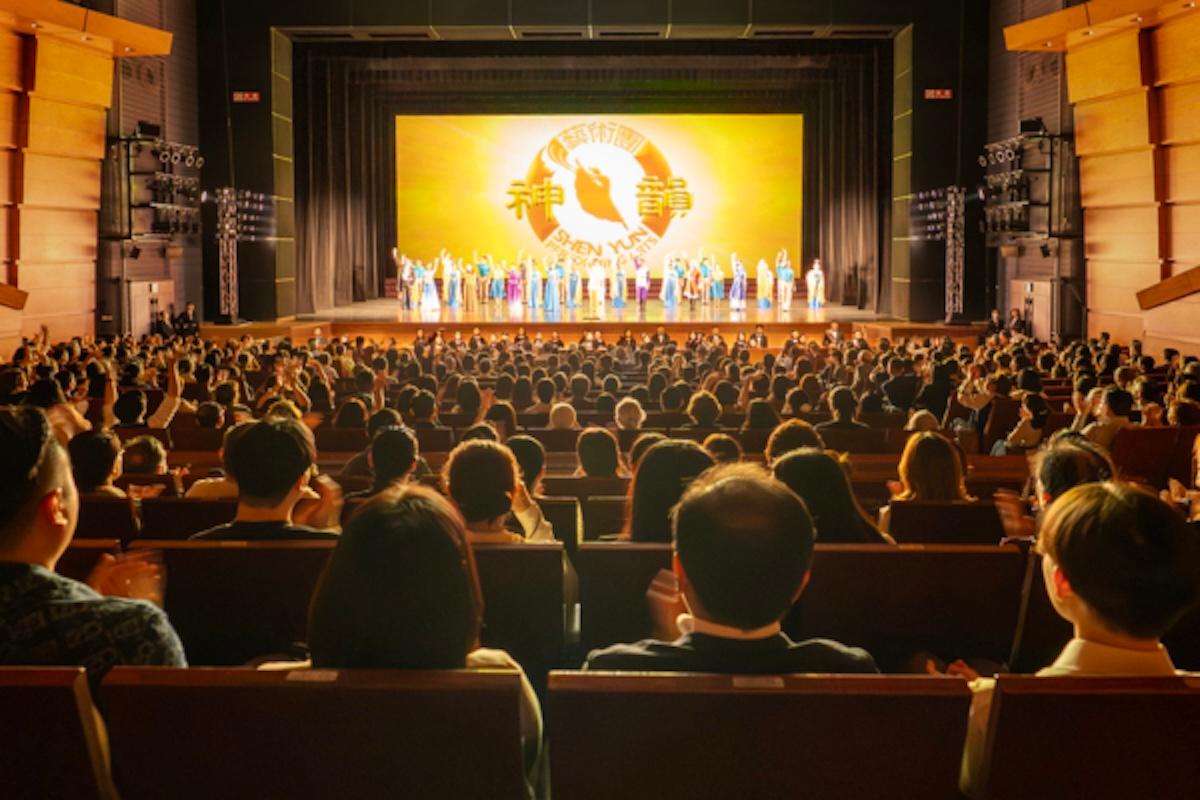
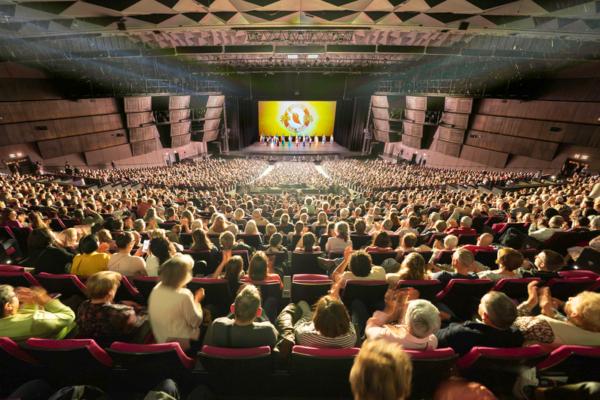
TOURS, France—Nestled at the confluence of the Loire and Cher rivers, the ancient Gallo-Roman city flourishes in the heart of the prestigious landscape of the Loire Valley castles. This weekend, from Feb. 13–15, the Palais des Congrès in Tours welcomed Shen Yun Performing Arts, a showcase of excellence in classical Chinese music and dance.
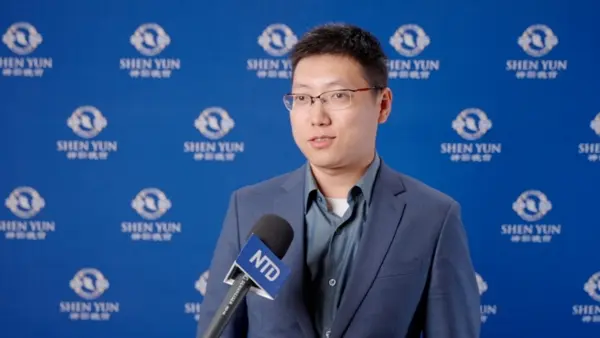
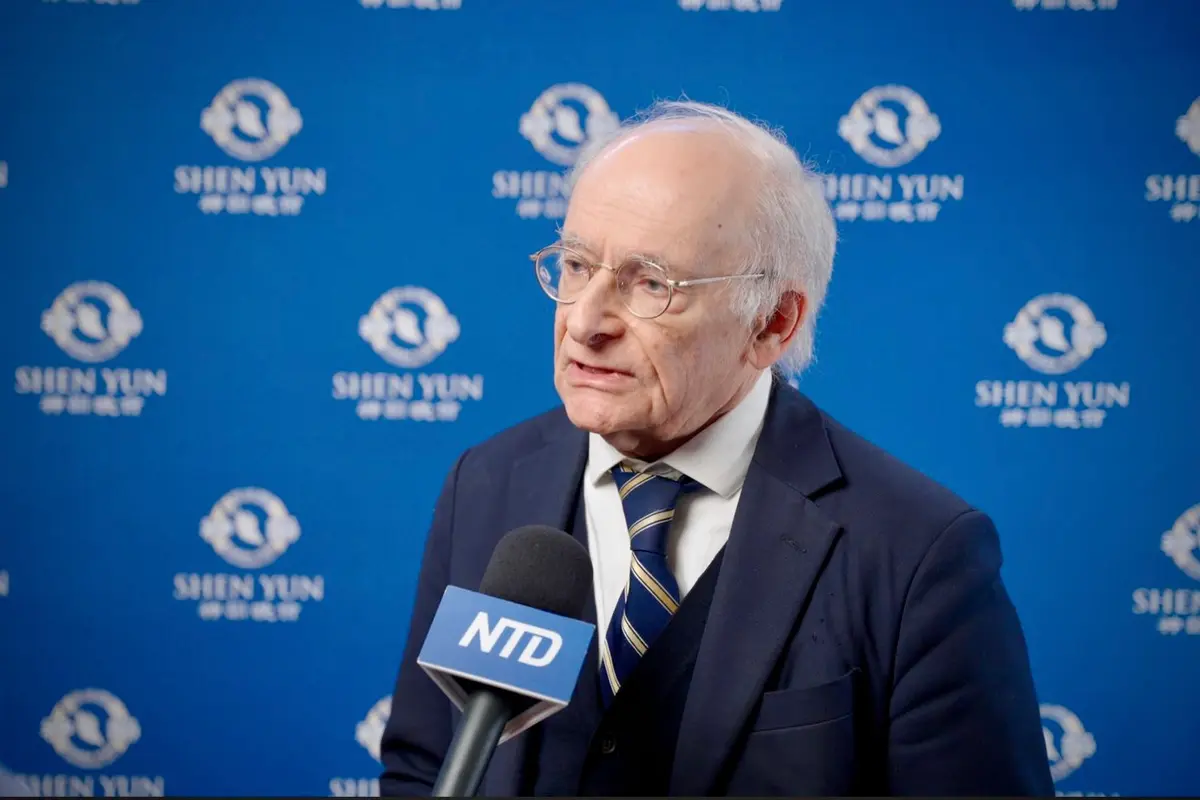
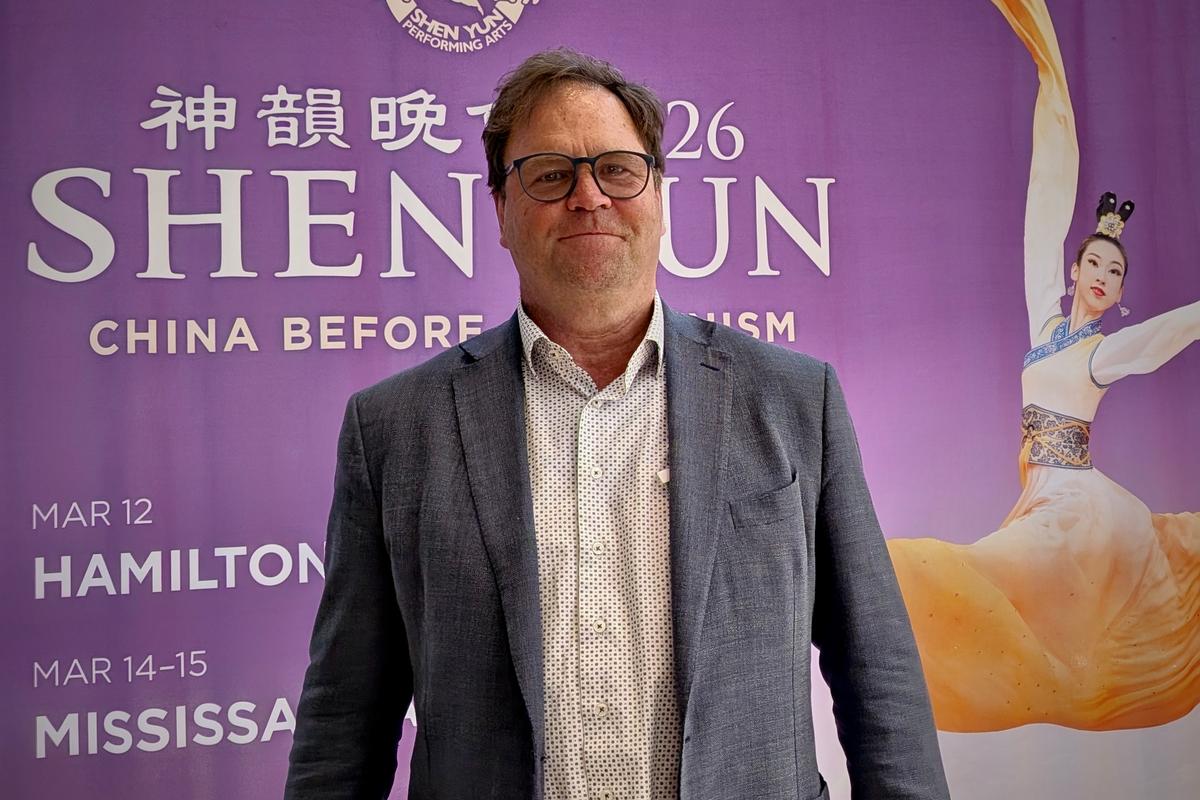
This divisional commander of the National Police appreciated the harmony created between classical Chinese dance, “with its aerial movements, postures, pointe work, hands, and costumes, which were frankly very good,” and Shen Yun’s technology, which allows dancers to move between the stage and the animated digital backdrop.
“It’s gripping,” the police officer said. “My wife and I thought we were in for something spectacular, but it’s more than we expected.”
They also said they enjoyed the spiritual messages in Shen Yun. “You must always believe in something,” Mr. Bailleul said.
Mr. Bailleul said he appreciated the “kindness,” as well as the passages referring to “the Creator.” For the former head of Territorial Intelligence in Polynesia, these values are similar to those “held by practicing Christians in France.”
The police officer was struck by the beauty of the show, which conveyed “positive messages,” “particularly the idea of generosity towards the most disadvantaged. These are values that allow us to connect with one another, regardless of our beliefs,” he said.
Since 1999, the Chinese communist regime has persecuted and tortured practitioners of this meditation discipline based on the principles of truthfulness, compassion, and tolerance. Crimes of forced organ harvesting are also perpetrated against these individuals in Chinese prisons.
“With wars and conflicts, we must try to be positive and give people the opportunity to focus on something else, so that everyone can unite for peace,” Mr. Bailleul said.
‘Very Poetic’
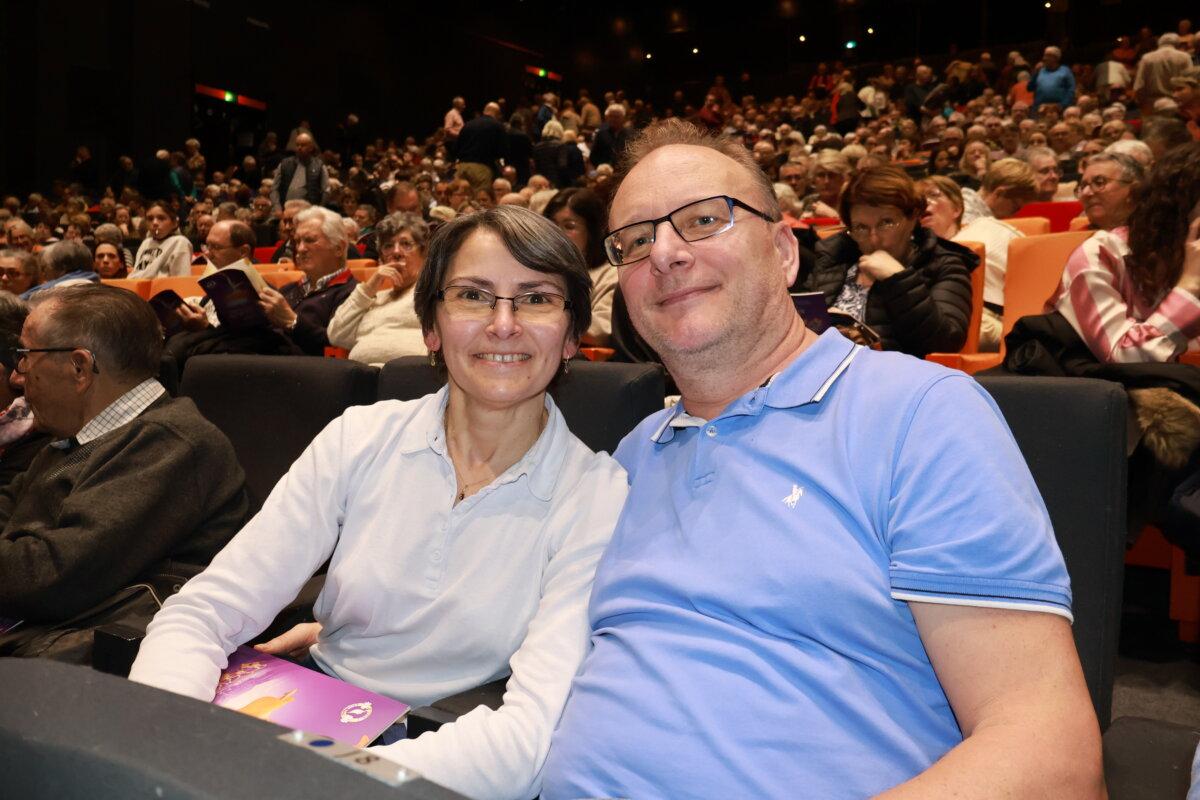
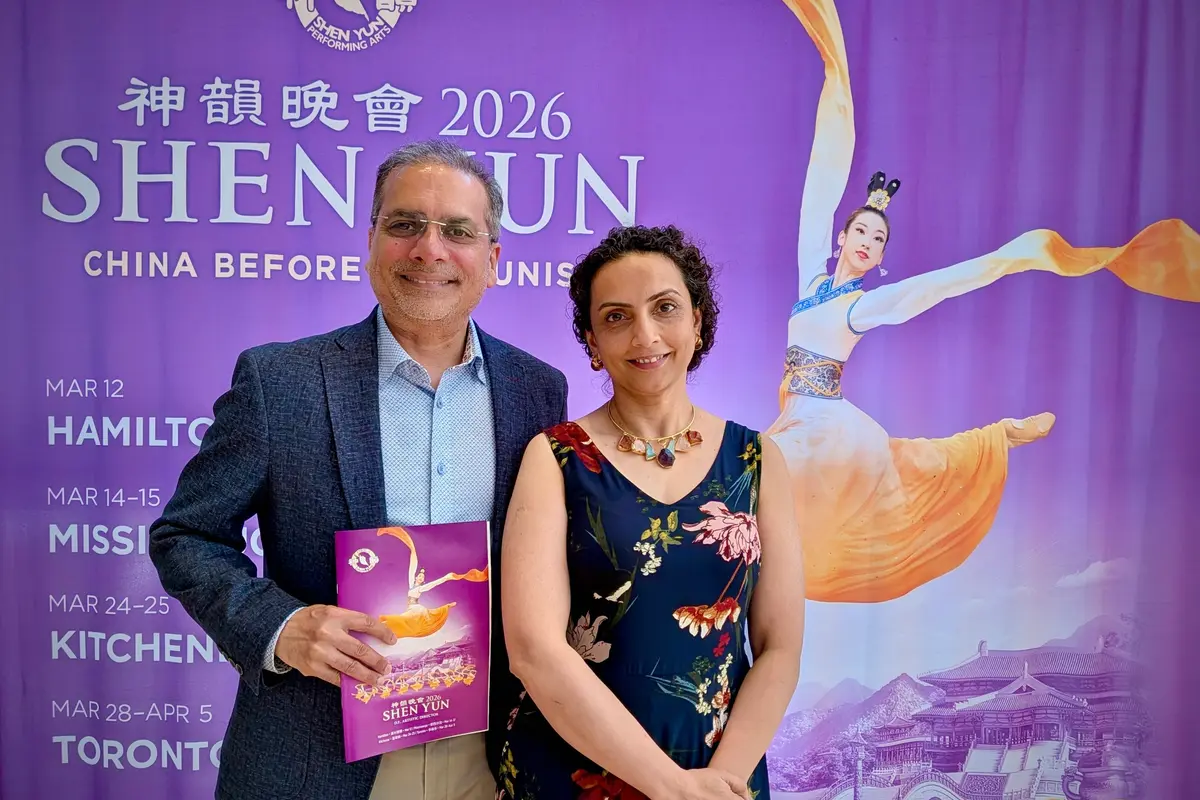
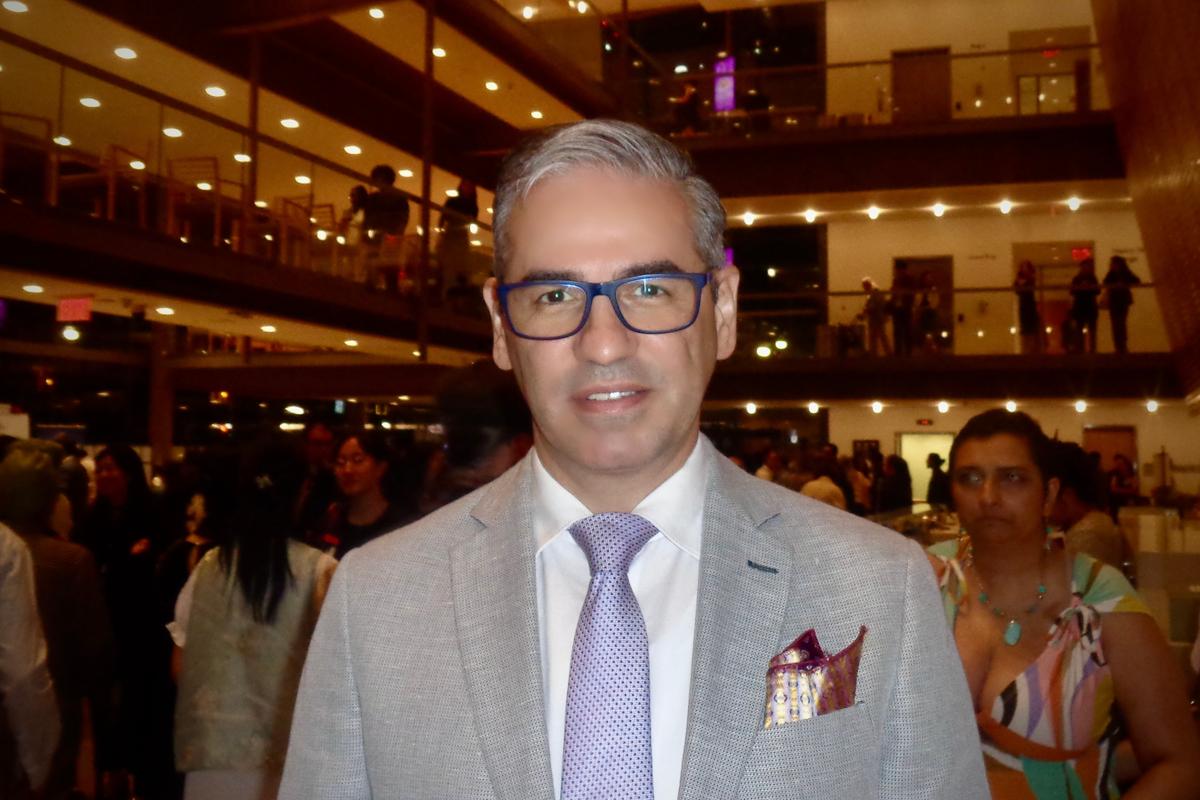
Anaïs and Emmanuel Boeschlin had long hoped to attend Shen Yun. Mrs. Boeschlin, a beautician, was touched to discover “classical male dance,” as Shen Yun presents male dance performances such as “the ethnic dance of Mongolian men.”
“I appreciate women, but I didn’t know that in China, men perform classical dance in such performances,” Mrs. Boeschlin said. “Often, in France, classical dance involves a man and a woman. But here, with a man, you can do just as much. So it’s a wonderful surprise!”
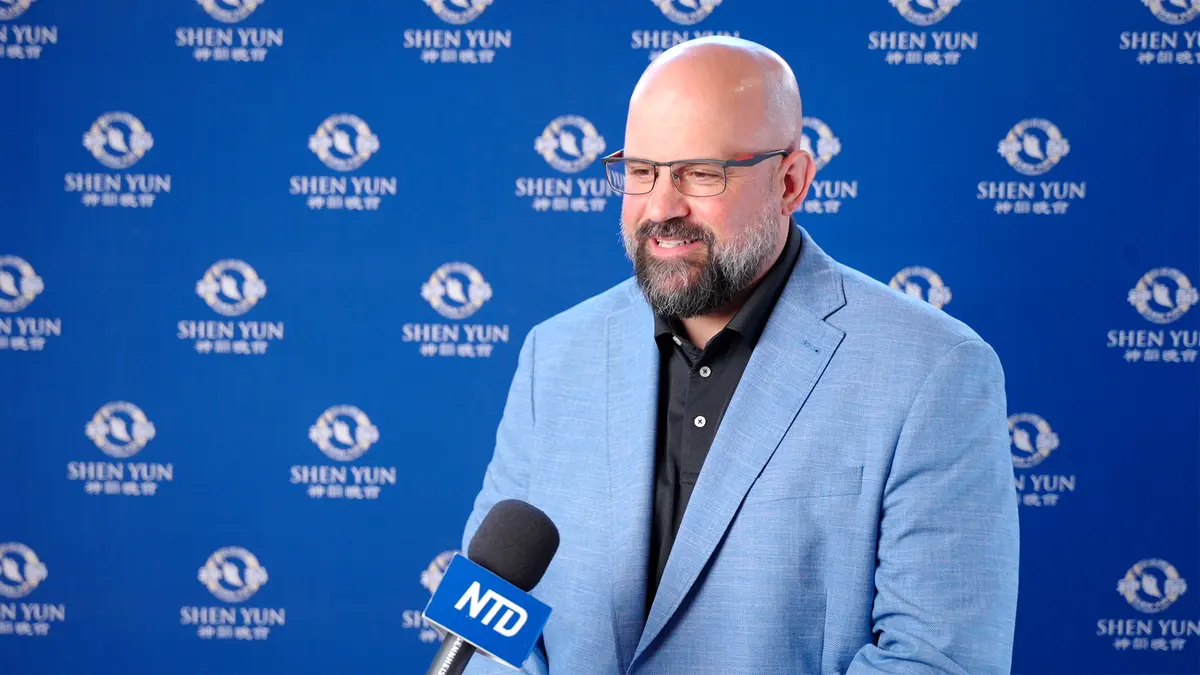
Emmanuel Boeschlin, an engineer in the industry, appreciated the athletic aspect of Chinese classical dance, which combines specific postures with acrobatics, such as twists, pirouettes, and jumps.
“I found the show very poetic,” he added, saying he was pleasantly surprised by the “committed nature” of the dance scenes depicting contemporary persecution in today’s communist China.