In a 2010 study, the Smell and Taste Treatment and Research Foundation of Chicago wanted to know what aroma men found most arousing. Out of 24 scents, pumpkin was found most likely to turn men on.
Maybe it’s just a coincidence, but pumpkin also happens to have properties that benefit male reproductive health. Constituents in pumpkin can address an enlarged prostate, and improve sperm quality.
Why did Cinderella go see Prince Charming in a golden pumpkin carriage? Perhaps it’s a reference to fertility. Pumpkin belongs to the cucurbit family—a group of curvaceous, vine-grown fruit that include cucumbers, melons, gourds, and squash. In herbal traditions, much of the medicinal qualities of cucurbits are owed to their abundant seed.
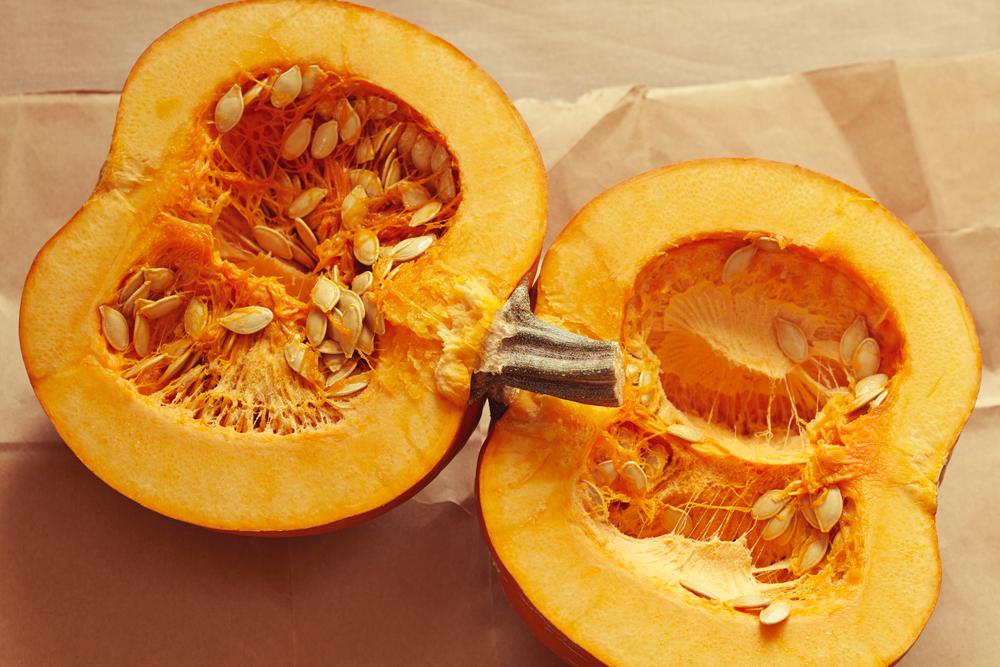
The pumpkin interior is filled with large white seeds high in zinc—a mineral which supports prostate, bladder, and sperm health. Pumpkin seeds also provide phytosterols to balance testosterone levels, and essential fatty acids which can help increase fertility.
Pumpkin seeds are good for women too. They have lots of protein, iron, and B vitamins, and are also high in magnesium, vitamin E, and are one of the best plant sources of omega-3 fatty acids, which curb oxidative stress, and cool inflammation. In animal studies, pumpkin seeds have shown to regulate insulin levels, suggesting a preventative remedy for diabetic symptoms.
Since ancient times, pumpkin seeds have been used to treat tapeworm and roundworm. Until 1936, they were listed as an official medicine for parasites by the U.S. Pharmacopoeia. In recent studies, the seeds’ abundant phytosterol content has shown to lower cholesterol and regulate hormone levels, and their high tryptophan content has shown to raise levels of serotonin--a neurotransmitter necessary for sound sleep and a stable mood.
Pumpkin seed can be purchased as a cold-pressed oil, or as green, hull-free seeds called pepitas. Pumpkin seeds harvested fresh from the fruit have edible shells which provide even more zinc.