The messenger RNA (mRNA) from Pfizer’s COVID-19 vaccine is able to enter human liver cells in a lab and is converted into DNA, according to Swedish researchers at Lund University.
The researchers said that the study did not show that the converted DNA found its way into the genome.
Transcription is a common and necessary cellular process where information contained in DNA is written into an RNA format. This information written in RNA would then be used to construct proteins, this is also the same process mRNA vaccines utilize to make spike proteins.
Reverse transcription is a less common process where the opposite happens, RNA gets written back into DNA form, and reverse transcription proteins are needed to make this happen.

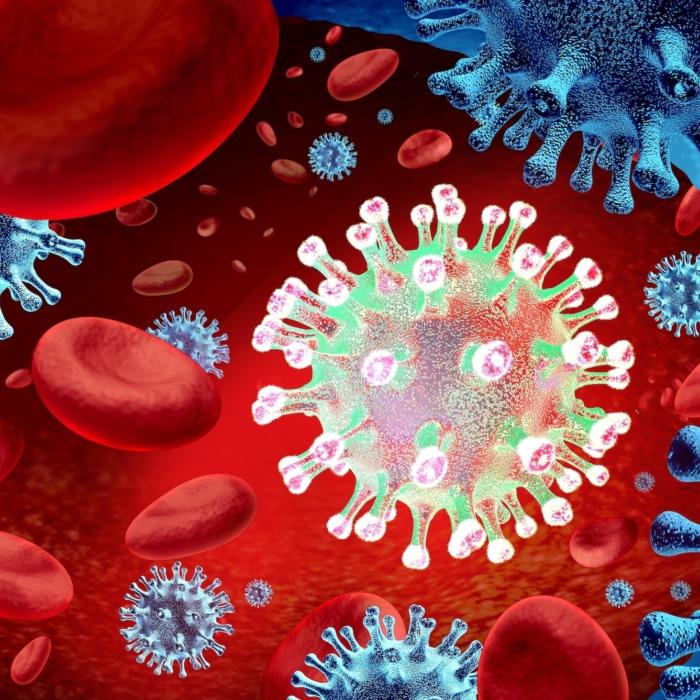
When cancer cells were exposed to mRNA vaccines, the cells had a rise in reverse transcription activity. According to the study, the higher the vaccine content, the greater the activity.
Six hours after vaccine exposure, researchers found DNA sequences unique to the vaccine inside cells.
“ This study does not investigate whether the Pfizer vaccine alters our genome.” said study author Associate Professor Yang de Marinis in a later statement. “Our publication is the first in vitro study on the conversion of mRNA vaccine into DNA, inside cells of human origin. We show that the vaccine enters liver cells as early as 6 hours after the vaccine has been administered. We saw that there was DNA converted from the vaccine’s mRNA in the host cells we studied.”
Professor Magnus Rasmussen, another of the study authors said: “ These findings were observed in petri dishes under experimental conditions, but we do not yet know if the converted DNA is integrated into the cells’ DNA in the genome— and if so, if it has any consequences.”
This is the first time that researchers have shown in vitro or inside a petri dish how an mRNA vaccine is converted into DNA on a human liver cell line.
The CDC says that the “COVID-19 vaccines do not change or interact with your DNA in any way,” saying that all of the ingredients in both mRNA and viral vector COVID-19 vaccines (administered in the United States) are discarded from the body once antibodies are produced. These vaccines deliver genetic material that instructs cells to begin making spike proteins found on the surface of SARS-CoV-2 that causes COVID-19 to produce an immune response.
Pfizer didn’t comment on the findings of the Swedish study and said only that its mRNA vaccine does not alter the human genome.
“Our COVID-19 vaccine does not alter the DNA sequence of a human cell,” a Pfizer spokesperson told The Epoch Times in an email. “It only presents the body with the instructions to build immunity.”
More than 215 million or 64.9 percent of Americans are fully vaccinated as of Feb. 28, with 94 million having received a booster dose.
“At this stage, we do not know if DNA reverse transcribed from BNT162b2 is integrated into the cell genome. Further studies are needed to demonstrate the effect of BNT162b2 on genomic integrity, including whole genome sequencing of cells exposed to BNT162b2, as well as tissues from human subjects who received BNT162b2 vaccination,” the authors said.