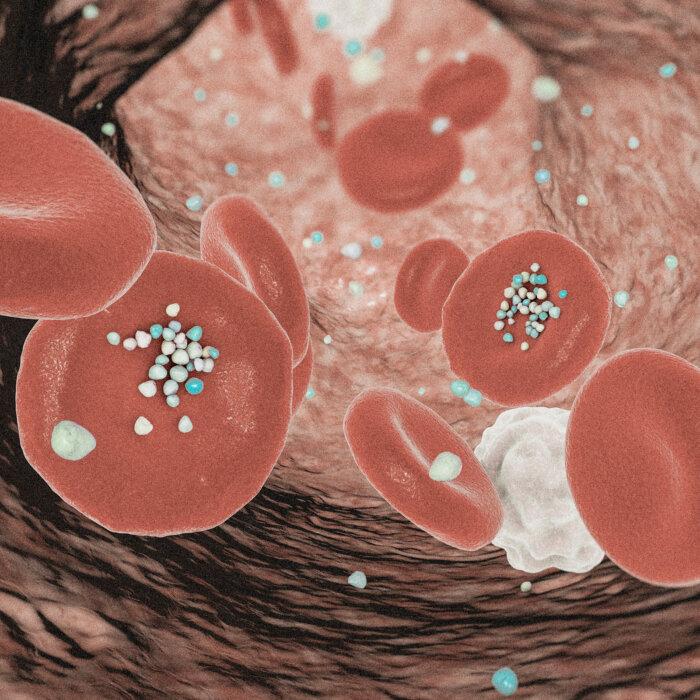
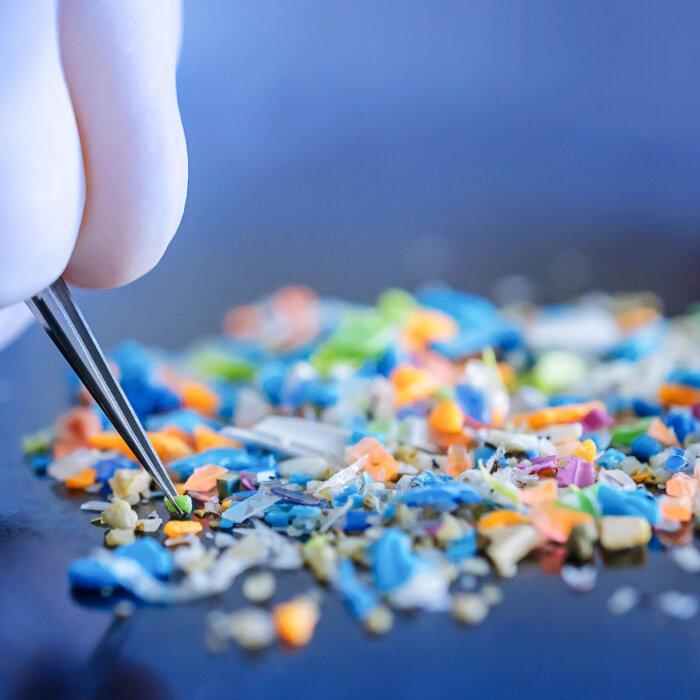
Microplastics are the new fear in town—they’re linked to numerous health risks, and we just cannot seem to get away from them.
“Plastic is everywhere,” Richard Thompson, professor of marine biology at the University of Plymouth in the UK and the first scientist to coin the term microplastics, told The Epoch Times. “Microplastics are in the air we breathe, the water we drink, and the food we eat.”
Most people spend much of their time indoors, where exposure to microplastics tends to be higher.
“All the polyester and synthetics we wear become our house dust that we inhale and then release millions of microplastics into our water as we wash them,” Dr. Desiree LaBeaud, a pediatric infectious diseases physician at Stanford Medicine and one of the founders of Stanford’s interdisciplinary Plastics and Health Working Group, told The Epoch Times.
Skip the Microwave, Avoid the Heat
The main ways microplastics are shed are through heating and physical wear.Heat causes plastics to soften and lose structure, letting plastic particles flake off more easily. Microwaving food packaged in plastic and ultraviolet exposure accelerate microplastic shedding by breaking down the bonds that hold plastic together.
Teabags that contain plastic in their packaging also release microplastics when steeped in hot water. Other heat-related triggers include dishwashing, plastic kettles, and direct sunlight.
- Avoid microwaving or heating plastic containers.
- Use glass and ceramics for heating.
- Transfer food to a glass or ceramic before heating.
- Use stainless steel or glass baby bottles.
- Choose loose-leaf tea or paper teabags without plastic seals.
- Avoid leaving plastic water bottles in the sun.
Replace Worn and Scratched Plastics
The longer and harder plastics are used, the more they break down. Containers with rough, cloudy, or scratched surfaces shed far more microplastics than new ones.- Replace old, damaged plastic containers and cookware.
- Choose cast iron, stainless steel, or ceramic pans over nonstick.
- Hand-wash plastic containers gently and avoid dishwashers, which accelerate wear.
Watch for Deceptive Plastics
Many products marketed as eco-friendly or sustainable—such as “biodegradable” tea bags—still contain plastic. Some are sealed with heat-resistant plastic that gives them a firm but flexible edge compared with folded or stabled ones, or they are coated with a thin plastic film to prevent them from falling apart in hot water.Even nonstick pans may be part of the problem. Their Teflon polytetrafluoroethylene or PTFE coating is a form of plastic often called a “forever chemical” because it’s nearly impossible to break down once released into the environment.
Reduce Synthetic Fabrics
Textile microfibers—tiny threads shed from synthetic fabrics such as polyester, nylon, and acrylic—are among the largest sources of indoor microplastic pollution.- Choose natural fabrics such as cotton, linen, and wool over synthetics.
- Wash synthetic clothes in full, cold-water loads using front-loading washers to reduce fiber shedding.
- Air-dry clothes when possible instead of using a dryer.
- Vacuum and dust regularly with a HEPA filter to help capture airborne fibers.
Check Your Personal Care Products
Beyond packaging that can leach plastic into lotions and shampoos, many cosmetics contain microplastics within their formulations.These include not only visible microbeads used for exfoliation, but also many synthetic polymers such as silicones and carbomers that give products their smooth, glossy, or gel-like texture.
While these ingredients aren’t classified as microplastics under strict regulatory definitions, they are man-made, highly persistent, and resistant to breakdown.
The Plastic Pollution Coalition warns that silicones may leach plastic-like chemicals and endocrine-disrupting compounds, similar to conventional plastics.
Mind Your Food Sources
Ultra-processed foods often contain more microplastics, picked up from packaging and industrial processing. What you store food in matters, too: Acidic or fatty foods speed up polymer degradation, while carbonated drinks increase pressure that can push particles into liquid.- Buy fresh foods from farmers’ markets or refill stores to minimize plastic packaging.
- Avoid long-term storage in plastic containers.
- Rinse foods such as rice, fish, and meat before cooking to remove surface contaminants.
- Choose glass or stainless steel for water bottles and food storage.
Science is still uncovering what microplastics do inside our bodies. In the meantime, we can do our best to limit exposure where possible.