Two people eat the same bowl of blueberries—one gets a surge of anti-inflammatory compounds, the other gets almost nothing. The reason, according to a study, lies in their gut bacteria. It turns out that most people lack key enzymes needed to unlock the health benefits of the fruits and vegetables they’re eating.
The ‘2nd Digestion’ Problem
Many beneficial plant chemicals, such as those in berries, nuts, and vegetables, are not active when we eat them.Instead, they need to be chemically transformed by microorganisms in our guts—a process called “second digestion.” The research team mapped 775 different plant nutrients and how gut bacteria convert them.
The ability to transform a plant compound into its active form depends entirely on which enzymes live in a person’s gut—and these vary based on where one lives and what one eats.
Why Sick People Can’t Process Healthy Foods
The team used artificial intelligence (AI) to compare enzyme profiles from healthy people and those with chronic diseases, including inflammatory bowel disease, colorectal cancer, and fatty liver disease.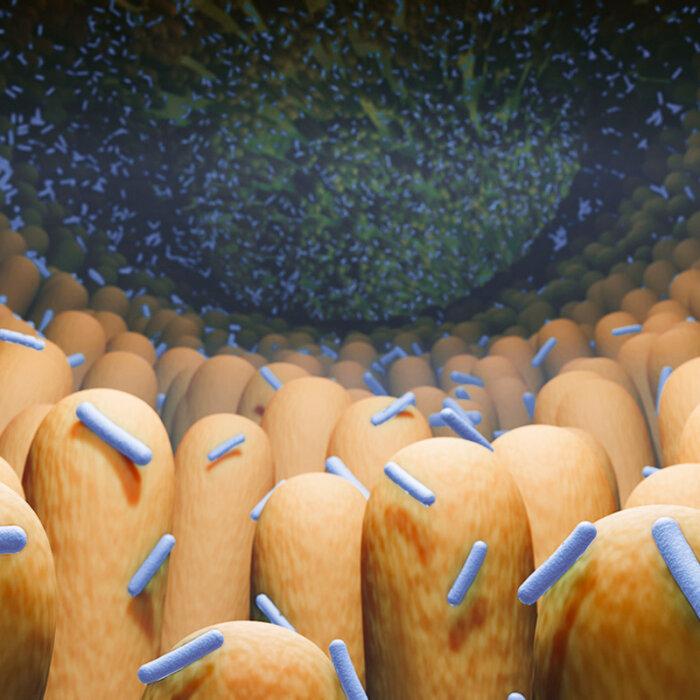

They found that in patients with these conditions, the gut bacteria’s potential to process healthy foods was significantly reduced, and the AI could accurately predict whether someone was healthy or diseased based on their bacterial enzymes.
For example, colorectal cancer patients lacked a key enzyme needed to process a certain plant compound, which healthy people had in abundance. This reduced ability to convert beneficial compounds might explain why dietary advice often doesn’t work as well for chronically ill patients.
“This research supports a clear, practical idea—the benefits of many plant foods depend partly on whether a person has the right gut microbes and microbial enzymes to ‘unlock’ those benefits,” said Dr. Jason Korenblit, a gastroenterologist with Just Answer who was not involved in the study.
Patients with inflammatory bowel disease may be missing key bacteria or have reduced levels of them, so the enzymes needed to convert phytonutrients—beneficial plant compounds—into helpful end-products may be lacking.
Additionally, plant matter and fiber that is undigested because of missing microbes can also lead to adverse effects such as bloating and diarrhea.
Personalized Nutrition Plans, Tailored to Our Microbiomes
People missing gut enzymes to digest certain foods may consider taking supplements to replenish missing nutrients.Taking probiotics may also help improve their overall gut composition. However, these decisions require a personal approach, since people’s gut microbiomes vary from one person to the next.
These insights could lead to personalized nutrition plans, tailored to a person’s microbiome. Instead of one-size-fits-all advice, future approaches might involve providing the right nutrients or probiotics containing specific enzymes to improve food processing in the gut.
“As we learn more about the microbiome and each individual’s optimal ratios of various organisms, we could eventually tailor their diets to their microbiome to help improve nutrient processing and gastrointestinal symptoms,” said Dr. David B. Purow, managing director of the Digestive Health Center at Northwell Health/Huntington Hospital in Huntington, New York, who was not involved in the study.
Korenblit told The Epoch Times that the gut microbiome is only one part of the story.
In chronic diseases such as inflammatory bowel disease, symptoms after eating nutritious foods can also stem from other problems, such as fiber intolerance, bile acid issues, sensitivities to lactose, fructose, or FODMAPs, fermentable carbohydrates that can trigger digestive symptoms, medication effects, or active inflammation.
“The microbiome is one important player, not the only player,” Korenblit said.