Controlled studies show that healthy athletes do not improve because of gluten-free diets (Med Sci Sports Exerc, 2015;47:2563-2570), yet as many as 60 percent of North Americans believe that a gluten-free diet will make them feel better (Dig Dis Sci, 2014;59:1080-1082). The $4 billion gluten-free food industry bombards us with:
• paid advertisements from athletes implying that they won events because they gave up gluten,
• celebrities who say they feel better on a gluten-free diet and
• overweight people who claim that they lost huge amounts of weight on gluten-free diets.
Health Benefits From Gluten
Gluten is a chemical in wheat, rye and barley that causes about two percent of North Americans to become sick: those with celiac disease or gluten allergies. In spite of all its bad publicity from authors of popular diet books, gluten may actually offer health benefits to the remainder of the population. Gluten may:• lower blood pressure (Food Chem, 2011;127:1653–1658)
• lower triglycerides (J Am Coll Nutr, 1999; 18:159–165)
• increase growth of the types of intestinal bacteria that lower inflammation (Brit J Nutr, 2008;99:110–120)
• increase absorption of healthful nutrients (Curr Opin Clin Nutr Metab Care, 2010;13:722–728)
• sensitize cells to insulin to help prevent and treat diabetes (Curr Diab Rep, 2011;11:154–159)
• reduce heart attack risk (Curr Atheroscler Rep, 2010;12:368–376)
Pitfalls of Processed Gluten-Free Foods
Gluten-free manufactured foods are often made by replacing traditional wheat flour with flours and starches made from corn, rice or potatoes. These foods cause the same high rises in blood sugar as their gluten-containing counterparts, and are just as likely to cause weight gain and increase risk for diabetes. Furthermore, because gluten-free products are seldom made with whole grains, they are likely to lack fiber, iron, zinc, folate, niacin, thiamine, riboflavin, calcium, vitamin B12 and phosphorus.FODMAPs
Many people whose intestinal symptoms appear to improve on a gluten-free diet feel better only because they have reduced their fiber intake, but fiber is a natural laxative that is helpful, not harmful. Plants contain fiber and fermentable oligosaccharides, disaccharides, monosaccharides, and polyols (FODMAPs) that push food along your intestinal tract to increase bowel sounds, gas, bowel movements, and gas distention (Gastroenterology, Nov 2015;149:1399-1407). They are not absorbed in your intestines. However when they reach your colon, bacteria there ferment these products to cause gas and increased movement along the colon. FODMAPs are healthful because they encourage healthful bacteria to grow in the colon to strengthen your immunity and help to prevent disease. In one study, increasing fruit and vegetable intake in people who claimed that they felt better on a gluten-free diet made them feel even better than they had before starting the gluten-free diet (Gastroenterology, 2013;145:320-328).If You Think Gluten May Be Harming You
Check with your doctor who will test you for celiac disease. In some cases, the test could be questionable and a gastroenterologist may want to biopsy your intestines. Your doctor may also order special X rays of your intestines. If all these tests are negative, it is extremely unlikely that you have celiac disease. You can rule out IGE allergy to gluten with a blood test for that condition. Some doctors believe that people with negative laboratory tests for both celiac disease and allergy may still be sensitive to gluten, called Non Celiac Gluten Sensitivity (Nutr Clin Pract, 2014;29:504-509).There is no harm in trying a gluten-free diet provided that you:
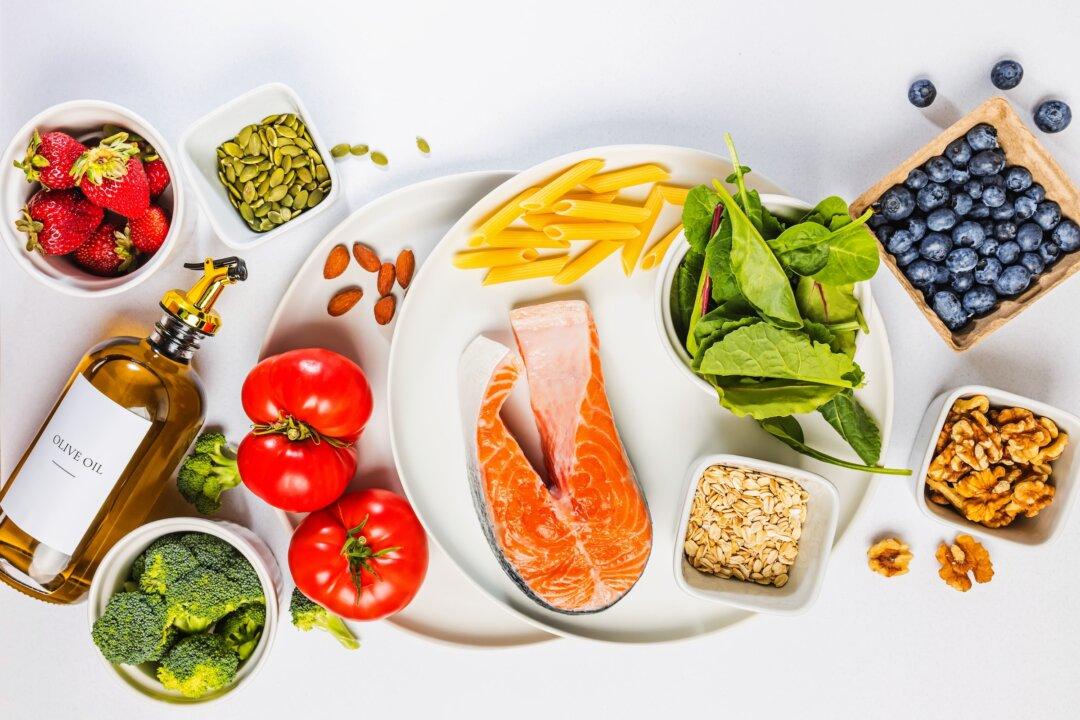
• do not restrict fruits and vegetables, the basis of any healthful diet • include non-gluten whole grains such as quinoa, wild rice and brown rice, and a variety of other whole seeds (beans, nuts, sunflower seeds and so forth) • do not rely on manufactured gluten-free products that usually contain mostly refined carbohydrates, which can raise blood sugar and make you gain weight Keep a food diary and stay on your diet for at least a couple months to see if it helps you. If gluten has caused a problem for you, you need to allow time for your intestines to heal from the suspected damage from gluten.