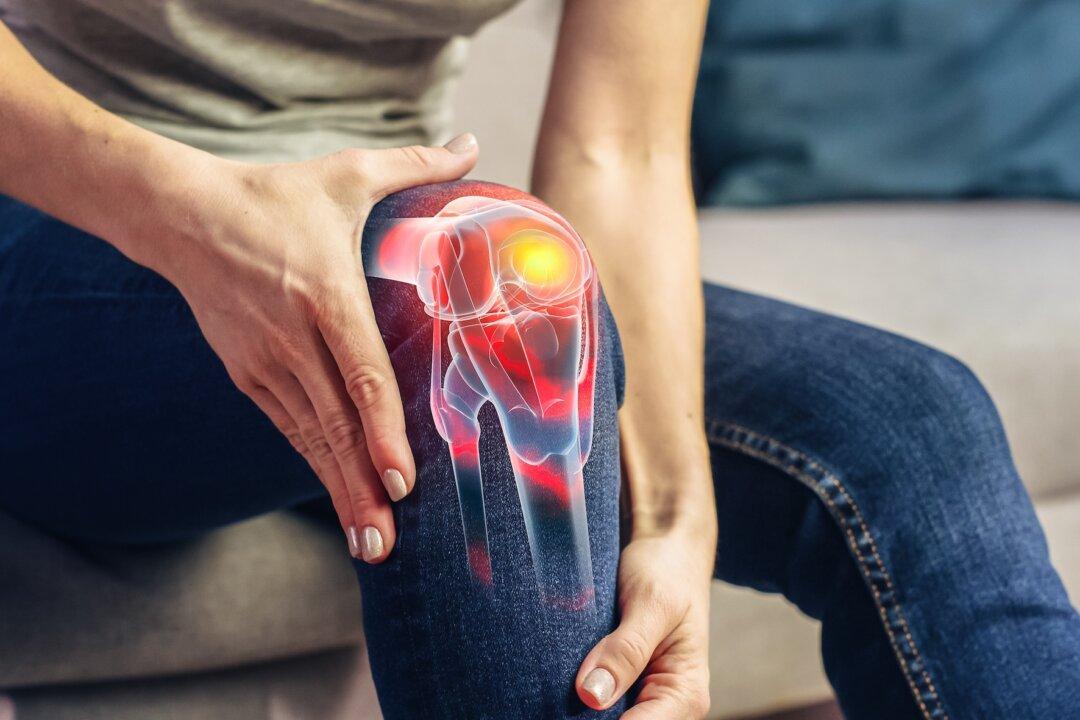
Ice has been a standard treatment for injuries and sore muscles because it helps to relieve pain caused by injured tissue. Coaches have used my coined “RICE” (Rest, Ice, Compression, Elevation) -term guideline for decades, but now it appears that both Ice and complete Rest may delay healing, instead of helping.
In a study, athletes were told to exercise so intensely that they developed severe muscle damage that caused extensive muscle soreness. Although cooling delayed swelling, it did not hasten recovery from this muscle damage (The American Journal of Sports Medicine, June 2013). A summary of 22 scientific articles found almost no evidence that ice and compression hastened healing over the use of compression alone, although ice plus exercise may marginally help to heal ankle sprains (The American Journal of Sports Medicine, January, 2004;32(1):251-261).
Healing Requires Inflammation
When you damage tissue through trauma or develop muscle soreness by exercising very intensely, you heal by using your immunity, the same biological mechanisms that you use to kill germs. This is called inflammation. When germs get into your body, your immunity sends cells and proteins into the infected area to kill the germs. When muscles and other tissues are damaged, your immunity sends the same inflammatory cells to the damaged tissue to promote healing. The response to both infection and tissue damage is the same. Inflammatory cells rush to injured tissue to start the healing process . The inflammatory cells called macrophages release a hormone called Insulin-like growth Factor (IGF-1) into the damaged tissues, which helps muscles and other injured parts to heal. However, applying ice to reduce swelling actually delays healing by preventing the body from releasing IGF-1.The authors of one study used two groups of mice, with one group genetically altered so they could not form the normally expected inflammatory response to injury. The other group was able to respond normally. The scientists then injected barium chloride into muscles to damage them. The muscles of the mice that could not form the expected immune response to injury did not heal, while mice with normal immunities healed quickly. The mice that healed had very large amounts of IGF-1 in their damaged muscles, while the mice that could not heal had almost no IGF-1. .
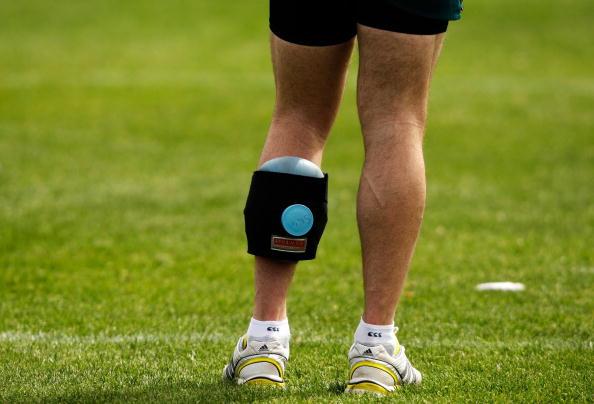
Applying ice to injured tissue causes blood vessels near the injury to constrict and shut off the blood flow that brings in the healing cells of inflammation. By Brendon Thorne / Stringer / Getty Images
Ice Keeps Healing Cells from Entering Injured Tissue
Applying ice to injured tissue causes blood vessels near the injury to constrict and shut off the blood flow that brings in the healing cells of inflammation. The blood vessels do not open again for many hours after the ice was applied. This decreased blood flow can cause the tissue to die from decreased blood flow and can even cause permanent nerve damage.Anything That Reduces Inflammation Also Delays Healing
Anything that reduces your immune response will also delay muscle healing. Thus, healing is delayed by: • cortisone-type drugs, • almost all pain-relieving medicines, such as non-steroidal anti-inflammatory drugs like ibuprofen, • immune suppressants that are often used to treat arthritis, cancer or psoriasis, • applying cold packs or ice, and • anything else that blocks the immune response to injury.Ice Also Reduces Strength, Speed, Endurance and Coordination
Ice is often used as short-term treatment to help injured athletes get back into a game. The cooling may help to decrease pain, but it interferes with the athlete’s strength, speed, endurance and coordination (Sports Med, Nov 28, 2011). In this review, a search of the medical literature found 35 studies on the effects of cooling . Most of the studies used cooling for more than 20 minutes, and most reported that immediately after cooling, there was a decrease in strength, speed, power and agility-based running. A short re-warming period returned the strength, speed and coordination. The authors recommend that if cooling is done at all to limit swelling, it should be done for less than five minutes, followed by progressive warming prior to returning to play.My Recommendations
If you are injured, stop exercising immediately. If the pain is severe, if you are unable to move or if you are confused or lose even momentary consciousness, you should be checked to see if you require emergency medical attention. Open wounds should be cleaned and checked. If possible, elevate the injured part to use gravity to help minimize swelling. A person experienced in treating sports injuries should determine that no bones are broken and that movement will not increase damage. If the injury is limited to muscles or other soft tissue, a doctor, trainer or coach may apply a compression bandage. Since applying ice to an injury has been shown to reduce pain, it is acceptable to cool an injured part for short periods soon after the injury occurs. You could apply the ice for up to 10 minutes, remove it for 20 minutes, and repeat the 10 minute application once or twice. There is no reason to apply ice more than six hours after you have injured yourself.If the injury is severe, follow your doctor’s advice on rehabilitation. With minor injuries, you can usually begin rehabilitation the next day. You can move and use the injured part as long as the movement does not increase the pain and discomfort. Get back to your sport as soon as you can do so without pain.
References
- The American Journal of Sports Medicine, June 2013
- The American Journal of Sports Medicine, January, 2004;32(1):251-261
- Federation of American Societies for Experimental Biology, November 2010
- Knee Surg Sports Traumatol Arthrosc, published online Feb 23, 2014
- Pharmaceuticals, 2010;3(5)
Sports Med, Nov 28, 2011