Edith, 88, and Henry, 94, have always valued their independence—and the way that food choices shaped their healthy lifestyle. However, lately, with slower mobility and grocery prices climbing, they found themselves avoiding the effort of chopping vegetables—even the organic ones they once loved.
Preserve Nutritional Value
Research confirms what many shoppers may not realize—frozen produce can be just as nutritious as fresh, and in some cases, even more so. Results of a two-year study published in the Journal of Food Composition and Analysis in 2017 found that although refrigeration depreciates vitamin content over time, freezing food renders it more nutritious.Flash-freezing locks in vitamins, minerals, and antioxidants at peak ripeness, often preserving more nutrients than “fresh” produce that has been in transit or storage for days. With flash-freezing, produce is frozen rapidly, usually by using ultra-cold methods such as liquid nitrogen or blast freezing. These processes preserve the biochemical structure of food by preventing the formation of larger ice crystals and help to preserve nutrient content and texture.
- Berries, such as blueberries, strawberries, and blackberries: Perfect for smoothies, oatmeal, and desserts.
- Leafy greens, such as kale and spinach: These antioxidant- and vitamin-rich greens are a smart choice for sautés, soups, or omelets.
- Green beans and broccoli: High in flavor and nutrients, these veggies work beautifully in stir-fries and casseroles, and as easy sides.
Other Benefits
Frozen organic vegetables—such as kale, spinach, broccoli, and berries—also slash prep time and reduce waste. Stock your freezer with these organic staples, and you’ll always be just minutes from a wholesome meal.- Less waste: No forgotten, spoiled produce.
- More convenience: Already washed, chopped, and ready to cook.
- Time savings: Skip peeling and prepping—just toss into your dish.
Practical Tips for Eating Clean—Using Your Freezer
One of the simplest ways to use your freezer to your advantage is through batch cooking. You can toss frozen organic kale or mixed vegetables into soups, risottos, or chilis—they thaw and cook within minutes, saving both time and effort.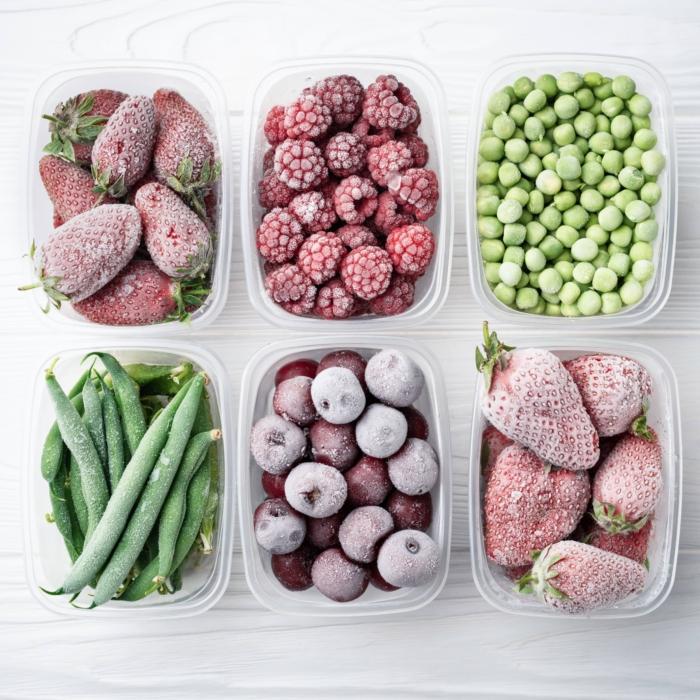
Frozen vegetables also make it easy to upgrade everyday side dishes. Sauté organic frozen green beans or broccoli with garlic and olive oil for a dish that’s fast, flavorful, and packed with nutrients.
Where Organic Matters Most
The Environmental Working Group’s 2025 Dirty Dozen list highlights the produce with the highest pesticide residues, with the top offenders including spinach, strawberries, kale, blackberries, blueberries, green beans, and potatoes. These items are worth buying organically grown to reduce exposure to pesticides, and choosing them in frozen form is a smart option because it ensures peak nutrition and year-round availability.When shopping, prioritize organic frozen produce for items on the Dirty Dozen list to reduce pesticide exposure without overspending. For the Clean Fifteen or in-season produce, you can choose conventional options to save money. Then, use those savings to invest in quality proteins—such as wild-caught fish, organic oats, or grass-fed ground beef—or to splurge on local seasonal treats.
Healthy eating doesn’t require an all-organic, all-fresh grocery cart. The real key is choosing wisely—keeping select organic frozen staples on hand, adding affordable conventional produce, and leaning on the contents of your freezer to cut stress and waste.
- Peak nutrition year-round
- Lower food waste
- Less prep time
- Controlled spending