Bitter foods and digestive bitters might not be the first thing you crave at mealtime, but science—and centuries of traditional wisdom—suggest they’re a missing foundation to your healthy lifestyle routine. From supporting digestion to balancing blood sugar and even influencing hormones that can help you lose weight, these pungent plants are making a comeback.
Activate the ‘Bitter Reflex’
When you taste something bitter, you activate special receptors not just on your tongue, but throughout your digestive tract. These receptors, called type-2 taste receptors (TAS2Rs), trigger what’s commonly termed the “bitter reflex,” which helps your digestion by breaking down food molecules more efficiently. The bitter reflex can also aid gut motility, a response of the parasympathetic or “rest-and-digest” arm of the nervous system.While bitter herbs have been used for thousands of years in traditional Chinese medicine and other traditional healing systems to support the digestive system, modern science is now uncovering how they work.
Improve Health
The combined effects of digestive secretions and receptor signaling influence the release of metabolic hormones such as glucagon-like peptide-1 (GLP-1), which improves blood sugar efficiency. It also affects how well food is absorbed and moved through your intestines. These physiological changes could benefit people with Type 2 diabetes who are focused on losing weight.Bitters can help reduce food cravings and influence hunger hormones, potentially leading to eating less. Additionally, bitters may have anti-inflammatory and antioxidant effects, which could help protect your brain, heart, and other organs from the damaging effects of chronic inflammation and oxidative stress—which can lead to cell damage. Adding Bitter Foods and Tonics to Your Daily Routine

Start Small and Be Consistent
To see benefits, use bitter tonics regularly—ideally about 15 minutes before main meals. Consuming bitters before you start eating helps train your taste buds, stimulates gastric secretions, and supports your whole digestive system. However, if you’re not used to them, bitter flavors can be intense. Some people prefer to start by adding a handful of bitter greens, such as arugula, to their salad or mixing them into a cooked main meal.Choose the Right Bitters
Look for blends that include classic bitter herbs like gentian, dandelion root, artichoke, Oregon grape, skullcap, or ginger. Alcohol-free options are available for those who prefer them or need to avoid alcohol, such as pregnant or breastfeeding women.Incorporate Bitter Foods
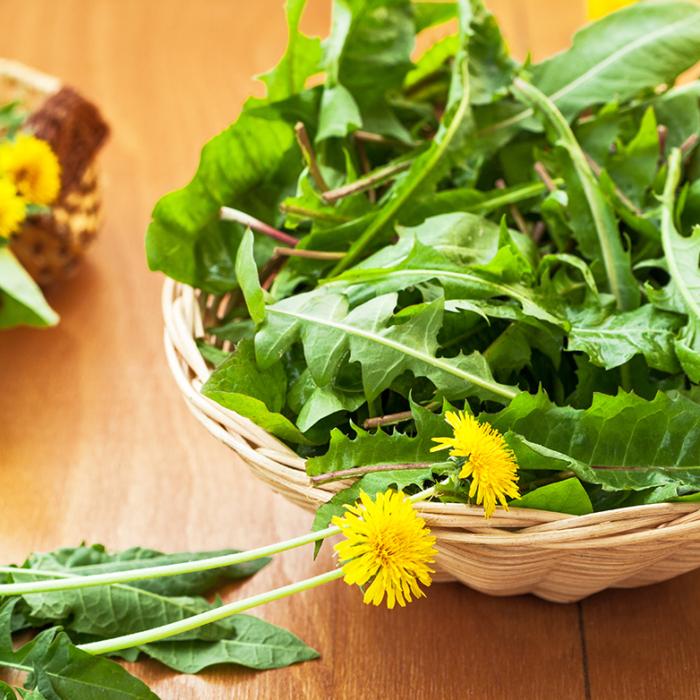
Add these to your meals:- Dandelion greens: Sauté with extra-virgin olive oil and garlic or ginger.
- Arugula and endive: Sprinkle a handful over cooked dishes or salads for a peppery, bitter kick.
- Radicchio: Grill or roast for a flavorful side dish.
- Citrus peel (zest): Add to yogurt or mix into bliss balls.
- Unsweetened cocoa or dark chocolate: Enjoy as a snack, as a hot drink, or in smoothies.
Listen to Your Body
Notice how you feel after adding bitters. Improved digestion, less bloating, and more balanced energy are common signs it’s working. It’s wise to track your body’s response through a food and drink diary for a week when trying new supplements or functional food ingredients such as these. Tracking your progress helps identify patterns of change and alerts you to any reaction that may be related to an excessive dose. Start slowly and gradually build up until you’re comfortable with your digestive response. Your body knows best.Digestive bitters are more than a wellness trend—they’re a time-tested remedy now backed by modern science.
So next time you see dandelion greens at the market or a bottle of bitters at your local health store, give them a try with your meals.
As the historical saying goes, “Bitter on the tongue, sweet for your health.”