Ozempic has become one of the most widely used weight-loss treatments in modern medicine. Capable of helping some patients lose up to 15 percent of their body weight, it has surged in popularity across the United States, generating billions of dollars in annual sales and drawing attention from both the medical community and celebrities.
He said that the real question isn’t just how much weight you can lose but what type of weight you are losing—and whether you can keep it off.
How Ozempic Works
Ozempic contains semaglutide, a drug that mimics the action of the hormone glucagon-like peptide-1 (GLP-1), which helps regulate blood sugar and appetite. By mimicking this hormone, semaglutide can increase feelings of fullness after meals, so many people naturally eat less and reduce their calorie intake.The drug also slows gastric emptying and influences brain areas responsible for appetite regulation, which can produce mild nausea as a side effect, resulting in slower food absorption and a blunted insulin response.
Feeling hungry leads people to consume more calories, which can cause weight gain.

“So if you don’t affect the hunger, then you’re not going to affect the calories, because that’s sort of the root cause of the whole thing, and that’s why Ozempic is useful [for weight loss],” Fung said.
Not All Weight Loss Is Equal
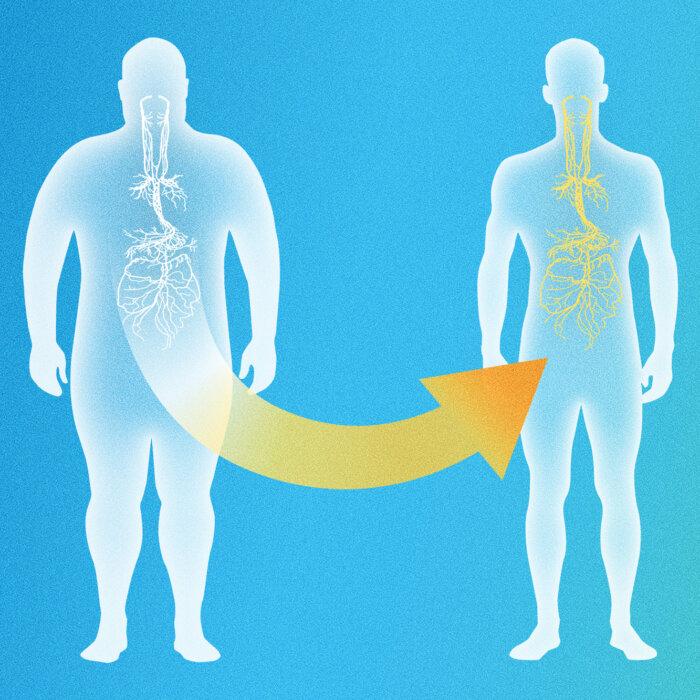
At the core of Fung’s critique is a distinction that mainstream weight-loss approaches often ignore: The health effects of weight loss depend heavily on where the lost tissue comes from. He distinguishes between two types of body fat: subcutaneous and visceral.Fat Loss
Subcutaneous fat lies beneath the skin and is relatively benign, stored where it belongs. Visceral fat, by contrast, accumulates around internal organs such as the liver and is far more dangerous from a metabolic standpoint because it is strongly linked to insulin resistance, Type 2 diabetes, cardiovascular disease, and fatty liver disease.Visceral fat typically accumulates in the belly. “The fat, which is contained within the liver and the organs, is not supposed to be there,” Fung said. “The liver is not supposed to hold fat. So that fat is actually very dangerous fat, whereas the subcutaneous fat is not really particularly dangerous,” he said.
Muscle Loss
Ozempic’s appetite suppression can also cause muscle loss. Part of the problem, Fung said, is how the drug works: Increasing GLP-1 levels induces a strong feeling of fullness. Feeling full can lead people to avoid protein- and fat-rich foods—which activate satiety hormones—and instead choose ultra-processed carbohydrates that are less filling.“You might wind up with a lot of weight loss, but not the good weight loss,“ Fung said. ”Like, you might wind up in your Ozempic phase and lose a lot of muscle because you’re just not eating enough protein. So yeah, there could be some very bad effects.”
Weight Often Returns After Stopping Ozempic
People who rely on Ozempic for weight loss often experience only temporary benefits, Fung said.Fung attributed this largely to a lack of proper education during treatment. Many patients, he said, receive little to no guidance on nutrition, healthy habits, or long-term weight maintenance. Instead, their experience may consist of “a five-minute online interview without a real doctor—basically a bot,” which becomes the extent of both their medical and nutritional support.
As a result, when patients stop the medication and the side effects—such as nausea—subside, their appetite returns without any framework for managing it.
“They didn’t know how to deal with it,” Fung said, noting that most people simply revert to their previous eating patterns and lifestyle habits.
Ozempic for Type 2 Diabetes
Ozempic plays an important role in treating Type 2 diabetes, particularly for patients who have had the condition for years, are on multiple medications, and are significantly overweight. In Fung’s practice, he prescribes it for more severe cases, always combining it with dietary guidance focused on healthy proteins, vegetables, and fats rather than processed foods and sugary drinks.However, long-term use is challenging for most people. Side effects, especially persistent nausea, often become too difficult to tolerate.
“You might handle it for a year while losing weight and getting compliments,” Fung said, “but five years later, when the novelty wears off, and you’re still nauseated, it gets much harder.”
Dietary Alternatives That Work With Your Hormones
As an alternative to medication-dependent weight loss, Fung favors more sustainable weight-loss strategies that target visceral fat, preserve muscle, and minimize loose skin.One approach that he often points to is low-carbohydrate eating, which he said naturally boosts GLP-1, especially when it includes enough protein, healthy fats, and fiber, all of which lower insulin levels and reduce hunger in a more balanced way. Unlike refined carbohydrates and junk food, which provide almost no fullness signals, real foods help you eat less without feeling deprived.
“If you eat a low-carbohydrate diet, then you’re eating more of the proteins and the fats and the things that are going to stimulate more of this GLP-1 and therefore create more satiety, and ... make you eat less in the long term,” Fung said.
Fiber may also help by supporting satiety signals in the gut. When fiber is broken down in the colon, it produces short-chain fatty acids that may help stimulate GLP-1 release, Fung said. A well-designed diet can work alongside the body’s appetite system rather than fight it.
Intermittent fasting, on the other hand, triggers a distinct hormonal response that encourages the body to burn deep visceral fat first, Fung said.
Fasting also raises growth hormones, which help protect muscle mass during weight loss.
“You’re pumping up your growth hormone to very high degrees,” Fung said. “That’s going to help prevent that sort of muscle loss.”
Fasting reduces insulin, which primarily targets visceral fat, and simultaneously triggers autophagy, which helps break down excess protein in the skin and connective tissue.
A Balanced View on Ozempic
Ozempic has changed the conversation around obesity. It has made appetite biology impossible to ignore and brought weight loss science into mainstream medicine.Fung acknowledges that Ozempic can be valuable for certain patients—those with severe obesity, long-standing Type 2 diabetes, very high insulin levels, or complications such as fatty liver and kidney disease—especially when diet and lifestyle changes alone have not been enough.
Even then, he recommends combining the drug with proper education on healthy eating, focusing on protein, vegetables, and healthy fats, so patients can build lasting habits while their hunger is under control.
“The hope is that it kicks down the hunger so you can make changes in your habits, your mindset, and your life—like becoming more active,” he said.
Ozempic produces a “supraphysiologic” effect on GLP-1, far beyond what food can naturally achieve, Fung said. Although proteins, fats, and fiber mildly boost GLP-1 and satiety, the drug dramatically amplifies these effects, which helps explain its strong impact on appetite and weight.
For particularly younger or otherwise healthy people who want to lose just a few pounds, the risks likely outweigh the modest, temporary benefits.
“I’m not against it,” he said. “The problem is that everything in medicine comes down to a risk versus benefits. ... There’s a time and a place for that. In that time and place, the benefits outweigh the risk.”