Dandelions are often dismissed as stubborn weeds, thriving in lawns and gardens despite efforts to remove them. Yet across many herbal traditions, they are valued as a powerful herb for cleansing and protecting two key organs: the liver and the gut.
Why Care About the Liver and Gut?
Common contributors to liver and gut strain include processed foods, excess alcohol, and environmental toxins such as pesticides.When the body’s elimination pathways—primarily the liver, kidneys, and intestines—function properly, they help filter waste, regulate fluid and electrolyte balance, and reduce the risk of infections such as urinary tract infections. The liver and intestines also work together to process nutrients and remove substances that can harm overall health.
Dandelions’ Connection to the Liver and Gut
In traditional Chinese medicine, dandelion is believed to support the stomach, kidneys, liver, and gallbladder. In Western herbalism, it is considered a bitter tonic that supports liver function by neutralizing toxins and acts as a natural diuretic, removing excess water and sodium from the kidneys.Traditional Uses of Dandelion
Dandelions have been used in traditional medicine systems across Europe, Asia, and the Americas. Various parts of the plant, including the leaves and roots, are used to support digestion and liver function.

Wildcrafting Dandelions
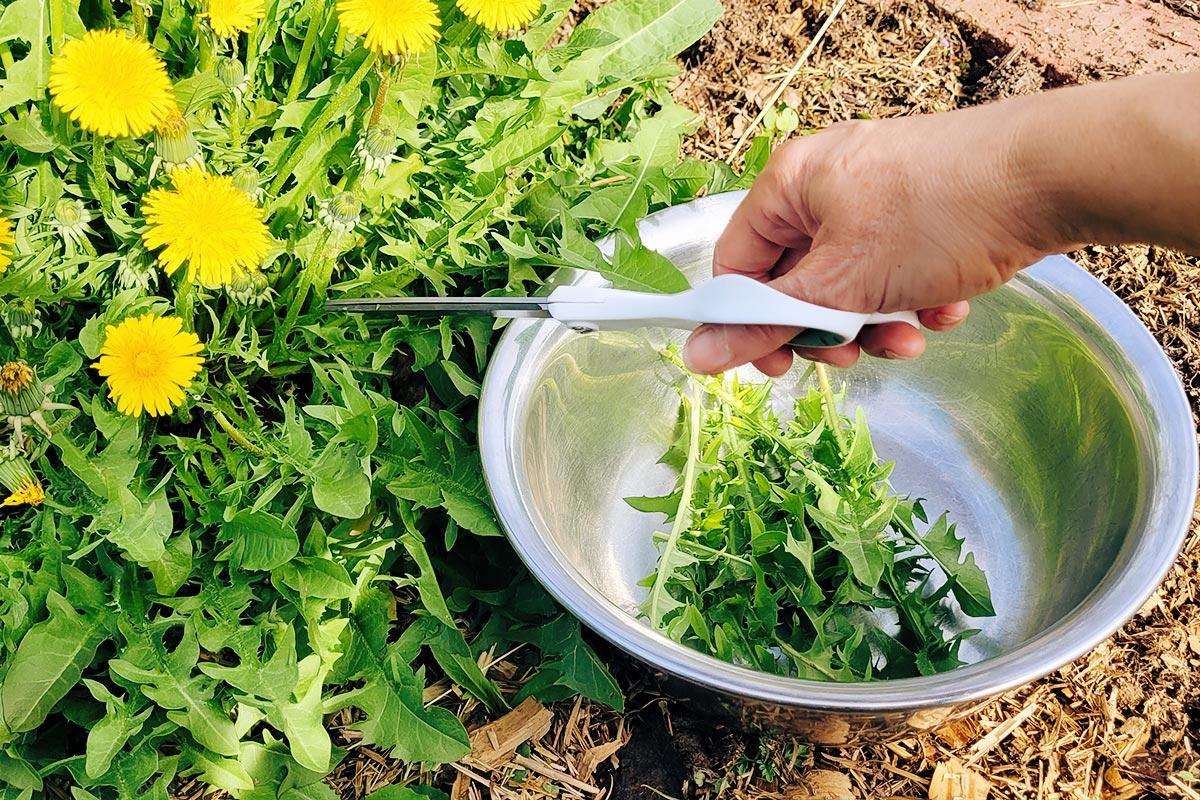
Although dandelions are available at many health food stores, they can also be found growing near your home. Here are some tips for foraging safely:1. Plant Identification
Make sure you know what you are harvesting. Plant identification apps or field guides can be helpful. Dandelion leaves grow from a single center point, called a low basal rosette. They are hairless and have deeply toothed edges, and bright yellow flowers emerge on a leafless, hollow stalk.2. Know the Location
Pick only plants growing in areas you know are free from pesticides and herbicides, and away from roadsides or other polluted environments. Avoid areas near wildlife or pets.
3. Take Only What You Need
Harvest only what you need and avoid removing the entire plant so it can continue to grow.4. Use the Right Tools
How to Make a Dandelion Green Smoothie
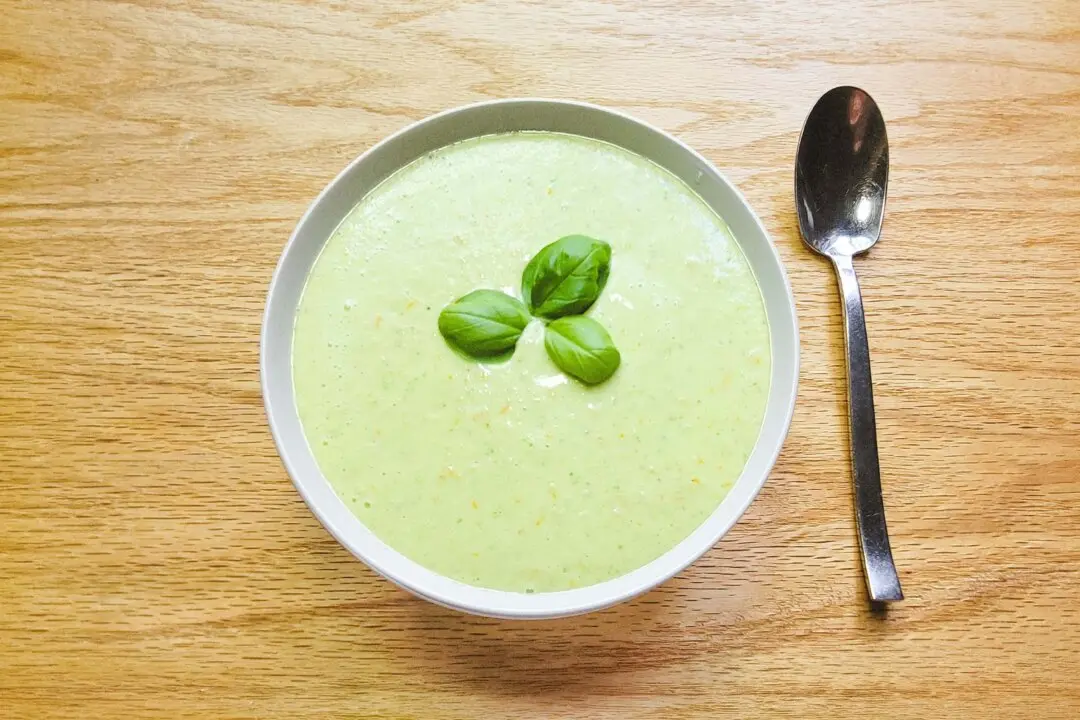
Dandelion greens have a naturally bitter taste that intensifies as the leaves mature. For a milder flavor, use young, tender leaves.I like to mask the bitterness of dandelion greens by blending them into a smoothie with fruits and other greens. The result is a refreshing, nutrient-dense drink full of vitamins, minerals, and trace elements.
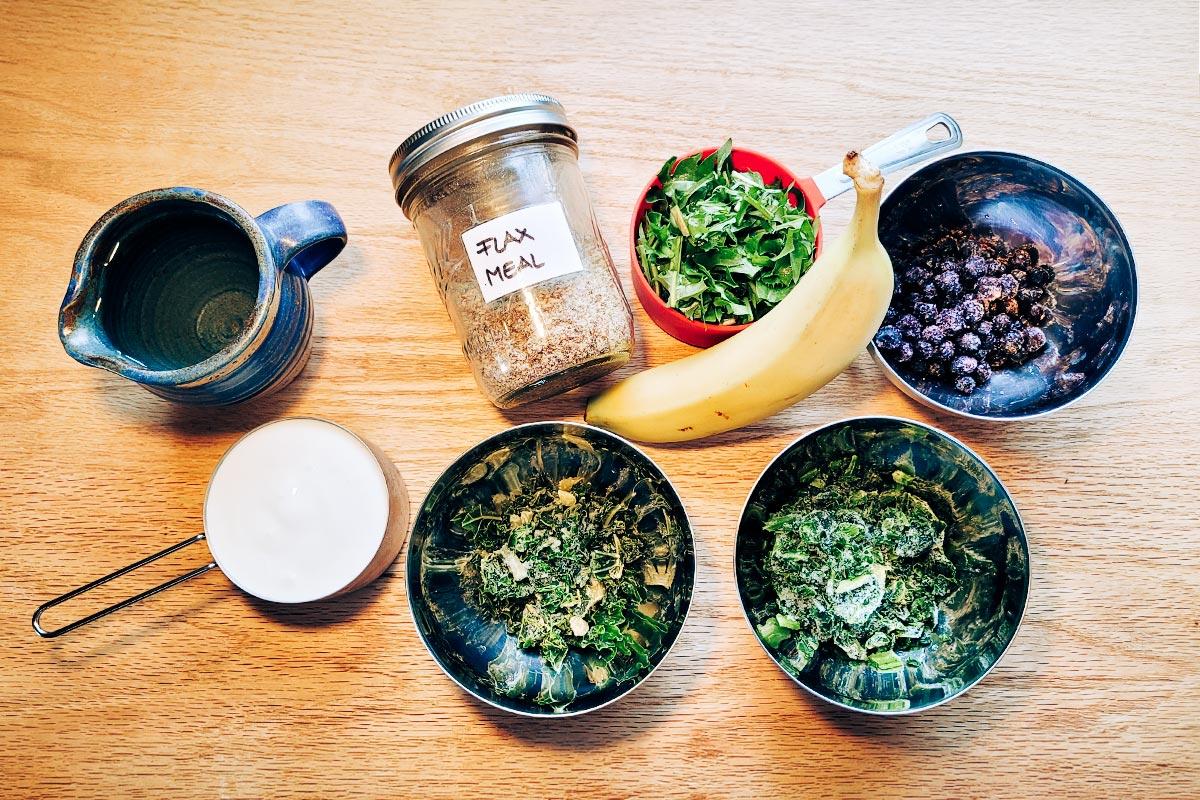
- 1/4 cup fresh, washed, and chopped dandelion leaves
- 1/4 cup fresh or frozen kale
- 1/4 cup fresh or frozen spinach
- 1 small banana
- 1 to 2 cups milk (cow’s milk or plant-based milk) or water
- 1/4 cup frozen blueberries
- 1 to 2 tablespoons flax meal
- Optional: almond milk or yogurt for added creaminess or a slightly tart flavor
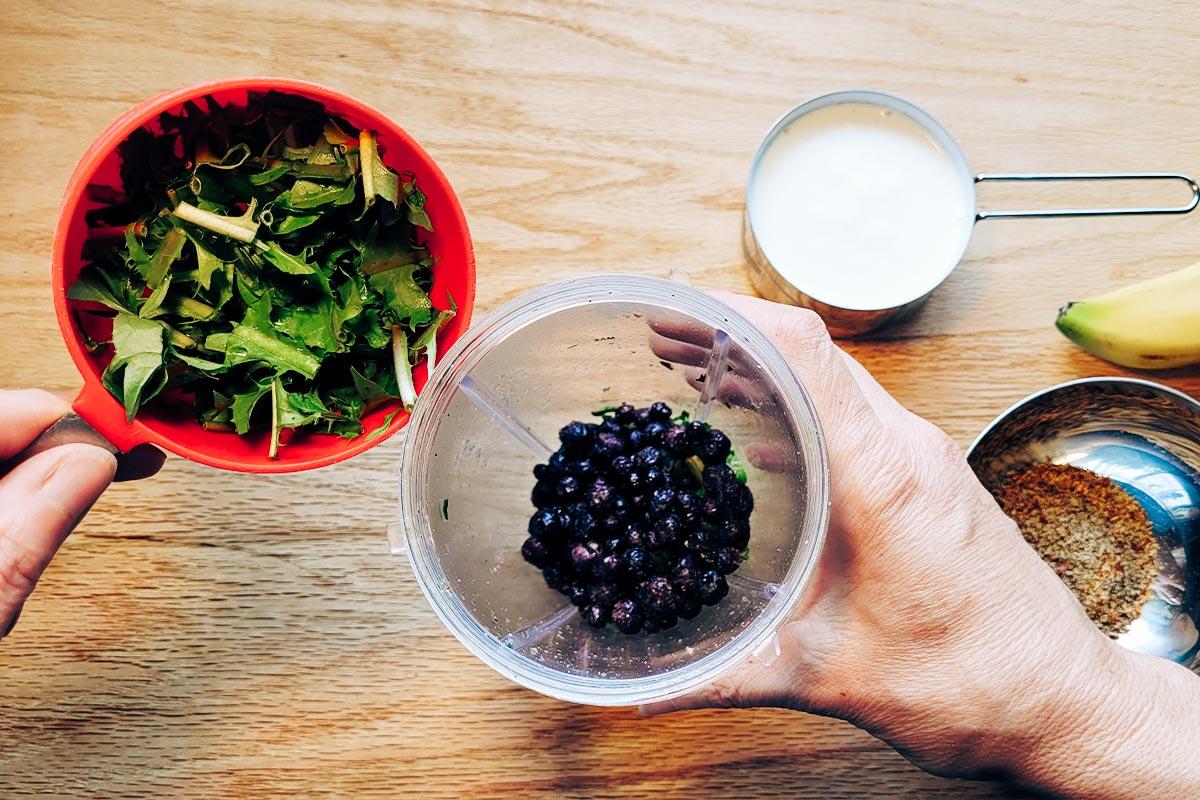
- Add dandelion leaves, kale, and spinach to a blender.
- Slice banana into small pieces and add it to the blender.
- Pour in milk or water.
- Add blueberries and flax meal.
- Secure the lid and blend until smooth, about 30 seconds to one minute. If the mixture is too thick, add more liquid and blend again until you reach your desired consistency.
- Drink and enjoy! You can store any remainder in the refrigerator for later use.

Notes of Caution
- Dandelion leaves are generally safe to eat in moderation by healthy adults when eaten in moderation. However, excessive intake may cause stomach irritation or loose stools.
- People with allergies to ragweed or related plants in the sunflower family may experience sensitivity to dandelion.
- Because dandelion stimulates bile production, people with gallbladder conditions or bile duct obstruction and those taking anticoagulants or antiplatelet medications should avoid eating dandelion.
- Always consult with a medical professional before taking any herbs or supplements.