
 Fact Checked
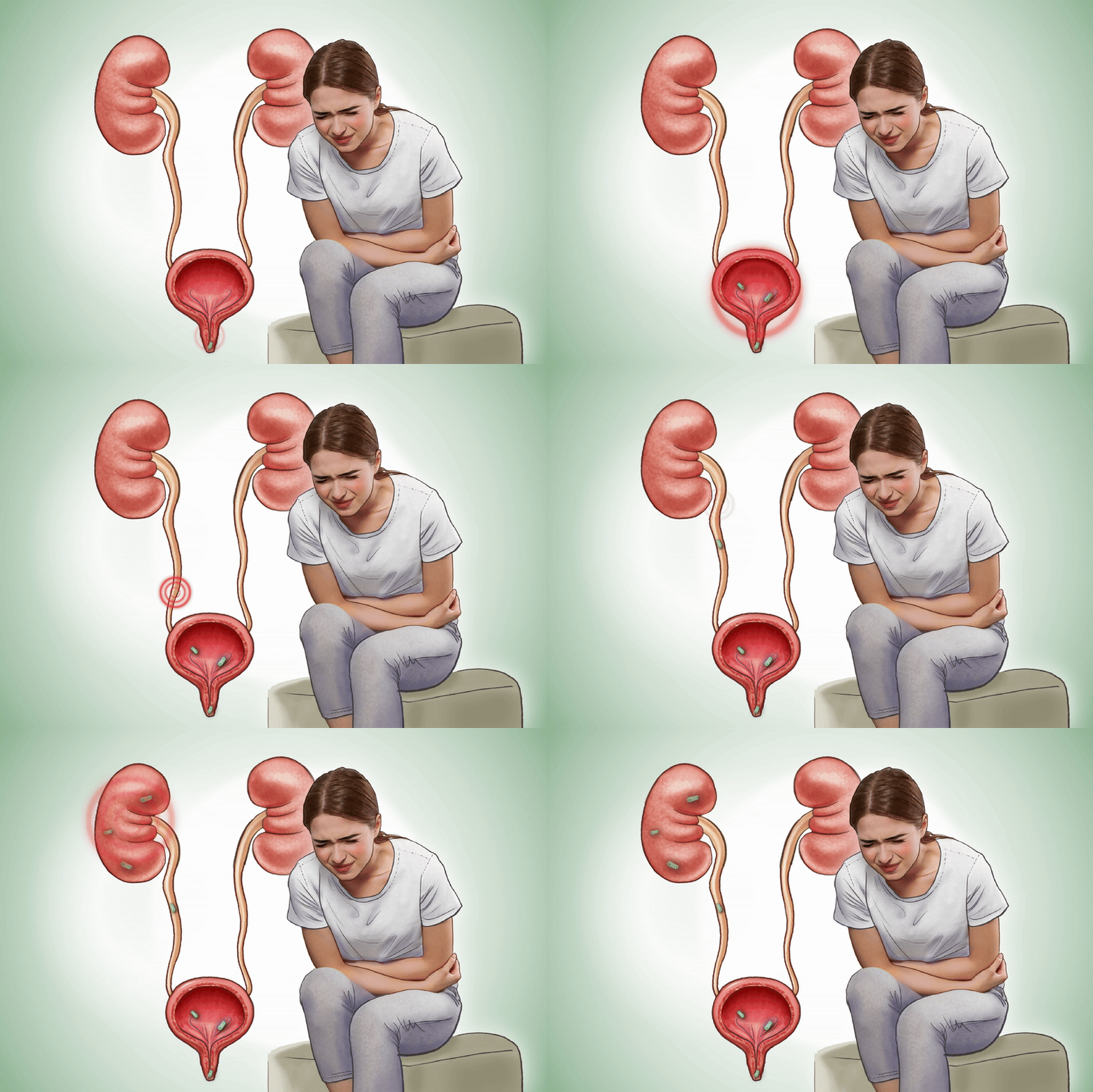
Urinary tract infections (UTIs) are incredibly common, affecting more than 10 percent of women in the United States each year. These infections occur when harmful bacteria overwhelm the body’s natural defenses and multiply in the urinary tract.
What makes UTIs particularly challenging is their strong tendency to recur. However, they are often treatable.

What Are the Symptoms and Early Signs of Urinary Tract Infections?
Lower Tract Infections
Affect the urethra (urethritis) or bladder (cystitis).- Clear or mucus-like discharge from the penis or vagina
- Redness or swelling at the tip of the penis
- Pain or a burning sensation when urinating
- Itching or irritation in the urethra
- Burning sensation when urinating
- Frequent urge to urinate, including at night
- Needing to urinate often but passing only small amounts
- Pain or pressure in the lower abdomen
- Cloudy, pink or red urine, or urine with a strong smell
Upper Tract Infections
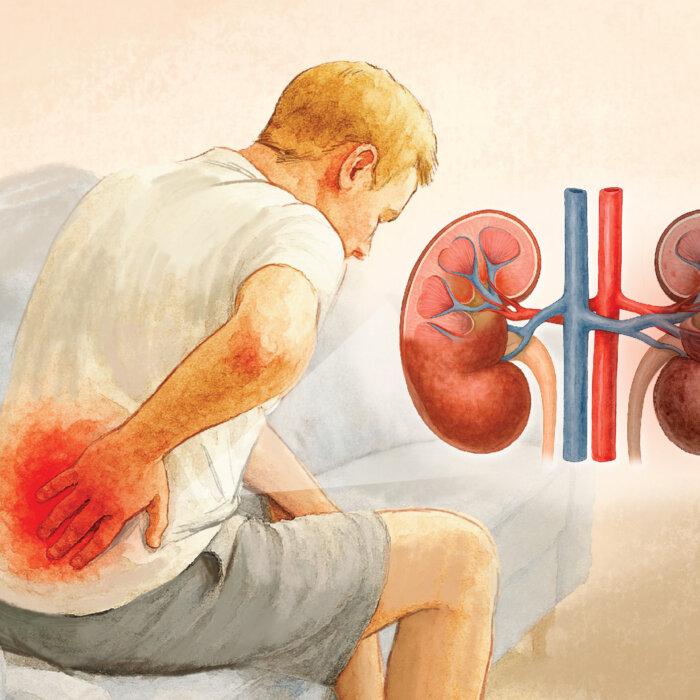
Affect the kidneys (pyelonephritis) and are more serious.- Pain in the back or side just below the ribs
- Fever and chills
- Nausea or vomiting
- Severe abdominal pain
- General feeling of illness

Additionally, different age groups experience different symptoms:
What Causes Urinary Tract Infections?
Infection does not always occur when bacteria or other pathogens enter the bladder because the urinary tract has several defense mechanisms. These include the flushing action and acidity of urine, immune system responses, anatomical features that prevent backflow, and in men, infection-fighting substances from the prostate.
UTIs occur when harmful bacteria or other pathogens overcome the body’s natural defenses and multiply in the urinary tract.
Pathogens typically enter through the urethral opening—at the tip of the penis in men or the vulva in women—and travel up the urinary tract to infect the bladder, and sometimes the kidneys.
A less common route is through the bloodstream, in which case the infection usually reaches the kidneys directly.
- Bacteria: More than 85 percent of UTIs are caused by bacteria, with Escherichia coli being the most common. Staphylococcus saprophyticus causes 5 percent to 15 percent of cases. Poor restroom hygiene and sexual intercourse can introduce bacteria into the urinary tract, especially in women. Catheters, used to drain urine in hospitals or care facilities, are another common source.
- Viruses: The herpes simplex virus can infect the urethra. Other viral UTIs, such as those affecting the bladder or kidneys, are rare and usually occur only in people with weakened immune systems.
- Fungi: Certain fungi, especially Candida, can infect the urinary tract and cause urinary tract yeast infections. In some cases, fungal and bacterial infections occur together in the kidneys.
- Parasites: Several parasites, including flukes and threadworms, can infect the urinary tract.
- Weakened immunity: Candida infections and viral UTIs (except herpes simplex) most often affect people with weakened immune systems or those with bladder catheters.
- Urinary retention: Rushing bathroom visits or having difficulty fully emptying the bladder can increase risk.
- Diabetes, obesity, and other conditions: High sugar levels in urine help bacteria grow, and diabetes can weaken the immune system. Obesity also weakens immune defenses. The risk of bladder infection also rises if urine flow is blocked by kidney stones, an enlarged prostate, or structural issues in the urinary tract.
- Poor hygiene: Inadequate cleaning can allow bacteria to enter the urinary tract.
- Long periods of immobility: For example, being confined to bed during recovery from a hip fracture can reduce hydration, limit complete bladder emptying, and often involve catheter use.
- Urinary tract surgery: Medical procedures may introduce bacteria or disrupt normal urine flow.
- COVID-19 infection and vaccination: A 2023 study found that men with prior COVID-19 infection and existing lower urinary tract symptoms were more likely to have an enlarged prostate, which can increase UTI risk. Both COVID-19 infection and vaccination—especially the third dose—have been linked to slight increases in prostate-specific antigen levels.
Women’s risk of UTI is even higher if they have:
How Are Urinary Tract Infections Diagnosed?
- Urinalysis: A quick dipstick test, often paired with symptoms, can detect signs of infections such as white blood cell markers and nitrites. While urine culture is the gold standard, many UTIs are diagnosed this way.
- Urine culture: A test that identifies bacteria in urine and helps determine whether antibiotics will work.
- Urine DNA test: A lab test that detects bacterial DNA in the urine to identify the type of bacteria and determine which antibiotics may be effective.
- Blood tests: Tests that help detect more serious infections, such as kidney infections, and assess kidney function.
- Kidney and bladder ultrasound: An imaging test that uses sound waves to show the size, shape, and any abnormalities such as stones, cysts, or blockages.
- Cystoscopy: A procedure that uses a thin scope to examine the inside of the urethra and bladder.
What Are the Treatments for Urinary Tract Infections?
Antibiotics
Doctors typically prescribe common antibiotics such as nitrofurantoin, trimethoprim, fosfomycin, or first-generation cephalosporins for mild bladder infections. Treatment duration varies:- Women: One to five days for simple bladder infections, depending on the antibiotic
- Men: Seven to 14 days, since anatomical differences make infections harder to treat
- Special cases: Pregnant women, people with diabetes, or those with mild kidney infections usually require seven to 14 days
- Children: Age-appropriate antibiotics such as trimethoprim-sulfamethoxazole, cephalosporins, or amoxicillin/clavulanic acid, with dosing carefully calculated by weight and age
Additional Treatments
Beyond antibiotics, other options may help relieve discomfort or address underlying structural issues that contribute to UTIs.Alternative Therapies
Acupuncture: A 2020 meta-analysis of five studies involving 341 participants found that acupuncture may help treat and prevent recurrent UTIs. Women receiving acupuncture were more likely to be cured than those treated with antibiotics. A 2024 study also suggested that segmental acupuncture—a Western medical approach that stimulates points linked to spinal segments of affected organs—may be effective as a long-term treatment for women with recurrent UTIs, potentially reducing the need for antibiotics.- Polyporus decoction (Zhu ling tang): A traditional Chinese herbal formula used to treat urinary disorders such as UTIs, consisting of five ingredients, including umbrella polypore. A 2022 study suggested that umbrella polypore—a medicinal fungus—has antibacterial, diuretic, and immune-boosting properties.
- Eight Herb Powder for Rectification (Ba Zheng San): A traditional formula made from seven herbs and one mineral, commonly used to treat UTIs. Case series in Chinese medical literature report its effectiveness, including one with 72 UTI patients whose symptoms resolved after treatment.
- Bearberry leaf (Uva ursi): Used for centuries to treat UTIs. Its active compounds include arbutin and hydroquinone, the latter potentially toxic in high doses. Uva ursi may be most effective when taken at the first signs of infection. It is officially approved in Germany for treating bladder infections.
- Angocin: A German herbal medicine made from two active ingredients: garden nasturtium (monk’s cress) and horseradish root powder. It has antimicrobial, antibacterial, and anti-inflammatory effects comparable to common antibiotics but with a safer profile. A 2024 study comparing treatment outcomes of 2,277 Angocin patients and 11,385 antibiotic patients found Angocin effective for managing both acute and recurrent UTIs. It’s available without a prescription.
What Are the Natural and Lifestyle Approaches to Urinary Tract Infections?
1. Essential Daily Habits
Everyday habits play an important role in lowering the risk of UTIs and supporting overall urinary health.- Practice genital hygiene: Wipe from front to back after using the toilet, urinate after sexual activity, avoid spermicidal contraceptives, and use gentle cleansing without soaps or harsh products.
- Wear breathable underwear: Change underwear daily, preferably loose cotton, and use mild detergents to avoid irritation that can make the area more susceptible to new bacteria.
- Choose showers over baths: Sitting in bathwater can allow bacteria from the skin and genitals to enter the urethra.
- Avoid perfumed products: Refrain from using scented soaps, sprays, or powders near the genital area to prevent irritation.
- Stay hydrated and urinate often: Drinking plenty of fluids and urinating regularly can help flush bacteria from the urinary tract.
- Limit alcohol intake: Alcohol irritates the bladder and may worsen UTI symptoms.
2. Cranberry Products
Some studies suggest that cranberry juice may help reduce the frequency of UTIs in women. Cranberries contain compounds called A-type proanthocyanidins (PACS), which may help prevent E. coli from attaching to the urinary tract lining.3. Supportive Diet
Probiotics, particularly certain Lactobacillus species found in foods like yogurt, kefir, and fermented vegetables, may help restore natural flora balance in the body, including the urethra, and prevent the growth of some harmful bacteria from multiplying.4. Warm Compress
Applying a heating pad or hot water bottle to the lower abdomen may help relieve bladder pressure and ease abdominal and lower back pain and cramping.How Can I Prevent Urinary Tract Infections?
- Avoid vaginal douches, sprays, or powders.
- Avoid spermicides if prone to recurrent UTIs.
- Avoid delaying restroom visits.
- Treat vaginal infections such as thrush or trichomoniasis promptly.
- Maintain a healthy weight.
- Use pads to keep the perineal area dry if managing incontinence.
- Consider topical vaginal estrogen if postmenopausal and prone to UTIs, while being mindful of other medical conditions that may limit estrogen use.
- Eat blueberries as they contain tannins that may reduce bacterial adhesion in the bladder, helping to prevent infection. Some people prefer blueberry juice over cranberry juice for its milder taste.
- Consider berberine, a natural compound found in plants such as goldenseal, which may help prevent UTIs by disrupting the ability of bacteria like E. coli to adhere to the bladder walls.
- Try D-mannose supplements. D-mannose is a natural sugar found in fruits such as apples, oranges, and peaches, may help prevent recurrent infections and support recovery by stopping bacteria from sticking to the urinary tract lining. It is available in powder or capsule form and generally has minimal side effects. Combining D-mannose with antibiotics may also improve treatment outcomes.
- Keep the catheter tube free of kinks.
- Clean the catheter and urethral area daily and after each bowel movement.
- Do not disconnect the catheter from the drainage bag unless instructed by a health care professional.
- Secure the drainage bag to the leg with a strap, tape, or other stabilizing method.
- Take a single dose of an antibiotic after sexual activity to reduce infection risk.
- Keep a three- to five-day course of antibiotics on hand to start treatment as soon as symptoms appear.
- Use a daily low-dose antibiotic for six months or longer to help prevent recurring infections.
- Try acupuncture to reduce recurrence and improve bladder function. A 2002 study found that women prone to cystitis who received acupuncture had a recurrence rate half that of those who received no treatment.
What Are the Possible Complications of Urinary Tract Infections?
- Sepsis: An untreated kidney infection can lead to sepsis, a life-threatening blood infection. The risk is higher in young children, older people, and those with weakened immune systems.
- Kidney damage: Severe, untreated UTIs can cause permanent kidney damage, reducing the kidneys’ ability to filter waste.
- Kidney scarring: Recurrent UTIs may cause kidney scarring, which can lead to renal hypertension and eventually kidney failure, requiring lifelong dialysis or a transplant.
- Narrowed urethra: Repeated UTIs, especially in men, can cause narrowing of the urethra, sometimes related to sexually transmitted infections or complications from an enlarged or infected prostate.
- Premature delivery: Pregnant women with UTIs may face a higher risk of delivering prematurely or having a baby with low birth weight.