Scientists at Northwestern Medicine have achieved a major advancement by using ultrasound technology to penetrate the blood-brain barrier and deliver chemotherapy and immunotherapies to treat glioblastoma, a deadly brain cancer.
Ultrasound Device Opens Blood-Brain Barrier for Treatment
Glioblastoma treatment has been limited by the blood-brain barrier’s role in blocking drugs from reaching the brain. However, the researchers believe ultrasound can overcome this obstacle.“This is the first report in humans where an ultrasound device has been used to deliver drugs and antibodies to glioblastoma to change the immune system, so it can recognize and attack the brain cancer,” Dr. Adam Sonabend, a Northwestern Medicine neurosurgeon and the study’s co-author, said in a statement. “This could be a major advance for the treatment of glioblastoma, which has been a frustratingly difficult cancer to treat, in part due to poor penetration of circulating drugs and antibodies into the brain.”
The therapy used an ultrasound device implanted into the skull to temporarily open the blood-brain barrier, a tightly guarded layer of cells protecting the brain from harmful substances and pathogens. The device produces microbubbles to disrupt this barrier, allowing drug therapies to enter the brain.
“Clinical studies have shown that this technique is safe and effective, with ongoing studies further exploring its therapeutic applications,” the authors wrote. Once the barrier is breached, immunotherapies can activate the immune system’s response against brain cancer.
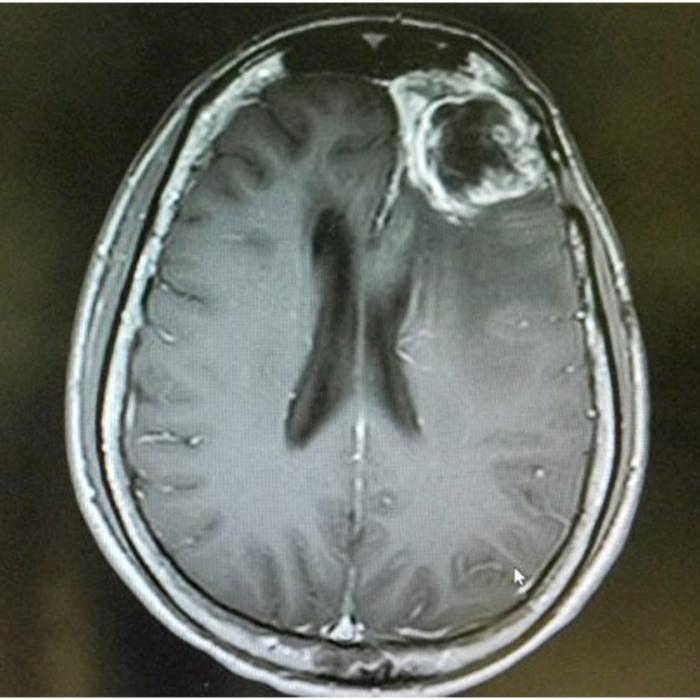

In glioblastoma, the cancer evades lymphocytes, immune cells responsible for fighting tumors, by tricking the body into recognizing it as a normal tissue. However, the study’s combination of immunotherapy and the chemotherapy drug doxorubicin disabled this defense mechanism, enabling lymphocytes, a type of immune cells, to attack the tumor.
“Given the lack of effective immune response against these deadly tumors, these findings encourage us to envision a potential new treatment approach,” Catalina Lee-Chang, assistant professor of neurological surgery at Northwestern University Feinberg School of Medicine and study co-author, said in a statement.
Clinical Trial Underway
Encouraged by these findings, researchers at Northwestern have launched a clinical trial using the ultrasound system to deliver immunotherapy to glioblastoma patients. The trial will initially enroll 10 patients to assess the treatment’s safety, followed by an additional 15 patients to evaluate if the therapy prolongs survival.Previous clinical trials have not demonstrated immunotherapy’s efficacy against glioblastoma. However, the new ultrasound technology could be a game changer, according to Dr. Sonabend.
“Here we show in a small cohort of patients that when you use this technology, you can enhance the delivery of the chemotherapy and the antibodies, and change the tumor’s microenvironment, so the immune system can recognize the tumor,” Dr. Sonabend said.