Untreated sleep apnea nearly doubles the risk of developing Parkinson’s disease, but a common treatment can significantly reduce that danger, according to research published in November 2025.
Among millions of people with obstructive sleep apnea, those who did not treat the condition with continuous positive airway pressure (CPAP)—a machine that helps people with sleep apnea breathe while they sleep—were nearly twice as likely to have Parkinson’s disease as those who used the device, even after accounting for factors such as obesity, age, and high blood pressure.
“This is a very important paper,” Dr. Thomas Kilkenny, a pulmonologist and director of the Institute of Sleep Medicine at Northwell Health’s Staten Island University Hospital, who was not involved in the study, told The Epoch Times.
This is the first large-scale study to essentially confirm that untreated obstructive sleep apnea damages the brain—and that this damage can be reduced or prevented by early treatment with CPAP, he said.
How Sleep Apnea Harms the Brain
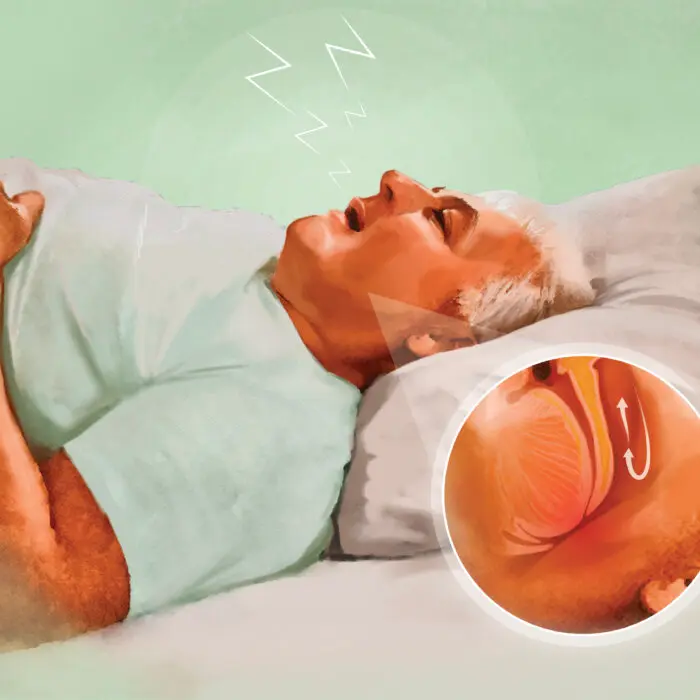
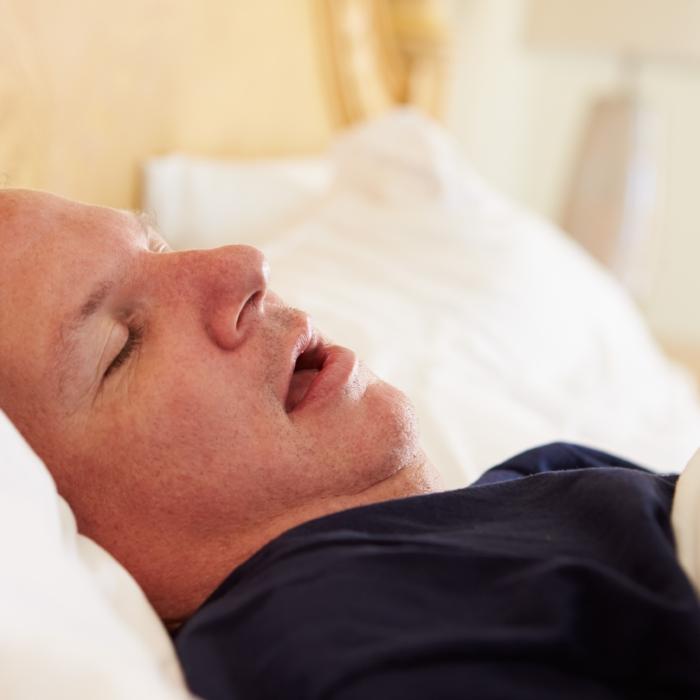
Parkinson’s disease is a progressive brain disorder that primarily affects movement, affecting about 1 million people nationwide, with the risk increasing each year for people older than age 60. The findings suggest that the oxygen deprivation caused by sleep apnea may be a key factor in triggering the disease.Sleep apnea occurs when a person’s breathing repeatedly stops and starts during sleep, preventing the body from getting enough oxygen.
Kilkenny said several factors contribute to the brain damage associated with untreated obstructive sleep apnea.
First is sleep deprivation. Patients with obstructive sleep apnea may be in bed thinking that they have slept for seven hours, but they have actually gotten only three hours of quality sleep, he noted—and this pattern can continue for decades.
Obstructive sleep apnea also interferes with oxygen delivery to the brain in two ways: It decreases oxygen levels in the blood and disrupts blood flow to the brain.
Why Sleep Quality Matters for Brain Health
Dr. Alex Dimitriu, who is double board-certified in psychiatry and sleep medicine and founder of Menlo Park Psychiatry & Sleep Medicine and was not involved in the study, called the research “fascinating” and said it supports what he sees daily in his practice.“I can tell you that no one really gets better until they are sleeping well,” Dimitriu told The Epoch Times.
Healthy sleep—including deep sleep and REM, or rapid eye movement, stages—is necessary for the brain to clean up, recharge, and prepare for the next day, he said.
“When the brain rests, it resets neurotransmitters, among these dopamine,” Dimitriu said. “Poor sleep can make dopamine levels lower, which can make everything worse, from [attention-deficit/hyperactivity disorder] ADHD to Parkinson’s disease, both of which are dopamine sensitive.”
Sleep apnea can force people to wake up several times per night and may cause multiple bathroom trips. Morning headaches can occur because of reduced nighttime oxygen to the brain. During the day, people often feel tired or sleepy and may compensate by drinking excessive caffeine.
To help reduce symptoms of obstructive sleep apnea, Dimitriu recommends maintaining a healthy body weight, ensuring clear nasal breathing by treating allergies and nasal congestion, and avoiding sedating medications or alcohol before bed.
“For some people, however—especially with crowded teeth or a small jaw,” he said, “lifestyle factors alone may not correct sleep apnea, and those people would benefit from CPAP.”
Neilson said he plans to prioritize the health benefits of good sleep with his patients, especially in light of these findings.
“I think it will change my practice,” he said.
Neilson said that although some people with sleep apnea resist using CPAP, many veterans who do use it swear by its benefits.
Simple Screening Tools Available
All patients should be screened in the doctor’s office for signs and symptoms of obstructive sleep apnea, Kilkenny advised. Screening can be completed using simple tools such as the STOP-BANG questionnaire. Some potential warning signs of obstructive sleep apnea include snoring loudly and feeling tired and sleepy during the day.“It takes two minutes to complete and is an accurate screening tool,” he said. “If any patient has a high score on the test, they should be sent for a sleep test or referred to a sleep specialist for evaluation.”