





Our tonsils are soft, oval-shaped nodes, neither flesh nor fat, that stand like bodyguards at the place where the outside enters our insides. They work tirelessly to protect us against viruses and germs that enter through the air we breathe and the food we eat.

Tonsils as Gatekeepers
The tonsil area is rich in immune cells.When viruses and bacteria slip through your mouth and nose, the tonsils stand ready, 24 hours a day, guarding the throat—the gate of your body.
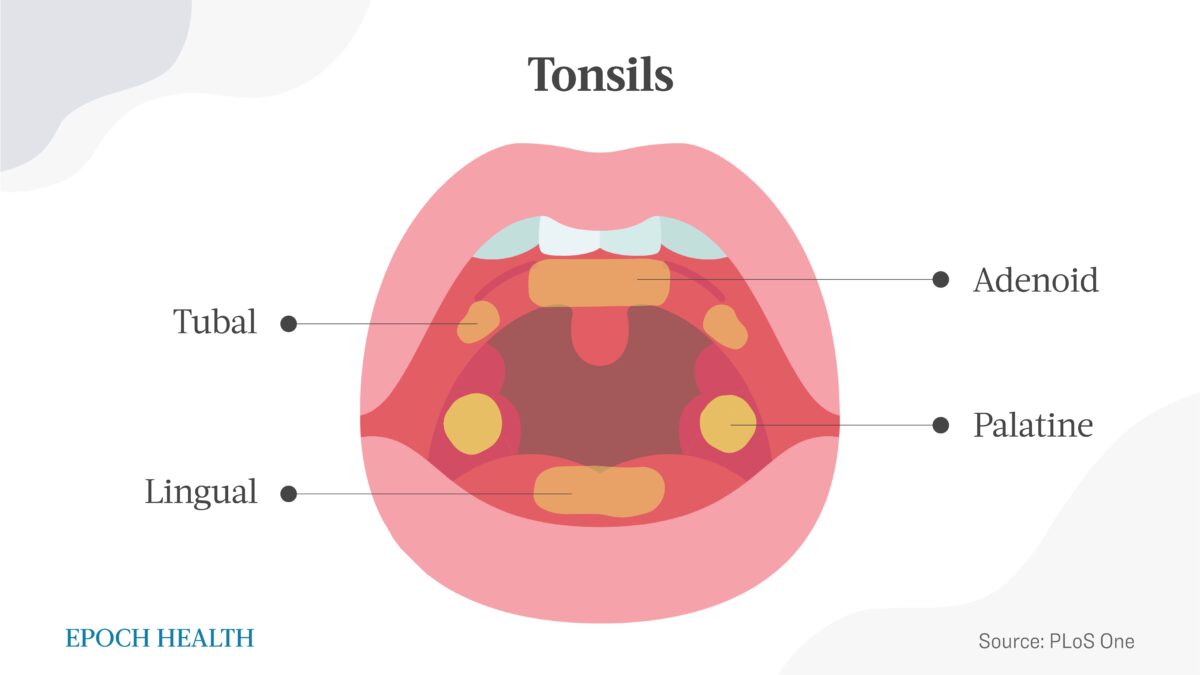
Tonsils are lymphatic tissue. They are made up of four parts: the adenoid, the two tubal tonsils, the two palatine tonsils, and the lingual tonsil. Together, these form a robust ring of defense known as Waldeyer’s ring.
The palatine tonsils, located on either side of the entrance to the throat, have about 15 small spaces called crypts, which increase their surface area to increase the capacity to filter external pathogens.
The adenoid, also called the pharyngeal tonsil, is a mass of lymphatic tissue similar to the palatine tonsils that hang from the upper part of the back of the nasal cavity, and like other parts of the tonsils, can’t be seen. The adenoid tends to shrink after early childhood, and by the teenage years, often disappears almost entirely.
 The tonsils’ main job is to trap viruses or germs from the food we eat and the air we inhale. The tonsil area normally gets more blood flow than other tissues to help fight off common infections.
In short, the tonsils’ role is to protect their territory—you. If these gatekeepers doze off, the enemy, such as a virus, will sneak in. The tonsils use perceptive senses to guard against invaders. They can identify and eliminate thousands of viruses.
Essential Role in the Immune System
Our tonsils have a layer of epithelial cells that serve as the front-line signal cells, detecting and clearing foreign bodies.These cells are connected by tight junctions, forming a solid barrier against incoming viruses and bacteria. If they sense they can’t clear out invaders, the epithelial cells will pass the signal to other immunity troops.
There are many specifically designed immune cells specialized in different functions. For example, some cells capture and absorb the antigens produced by viruses and bacteria, some send signals to others, some are good at killing a virus directly, and some produce antibodies.
Antibodies, a kind of protein, can bind to specific featured fragments of proteins on the surface of a virus, neutralize it, and clear it from the body.
Our tonsils house many such cells that can generate various types of antibodies, such as IgA, IgD, IgE, IgG, and IgM. Different types of antibodies are like siblings in one big family, generated at various times during an infection or under abnormal conditions, each targeting different cells or tissues.
Tonsillitis: Process of Learning to Become Stronger
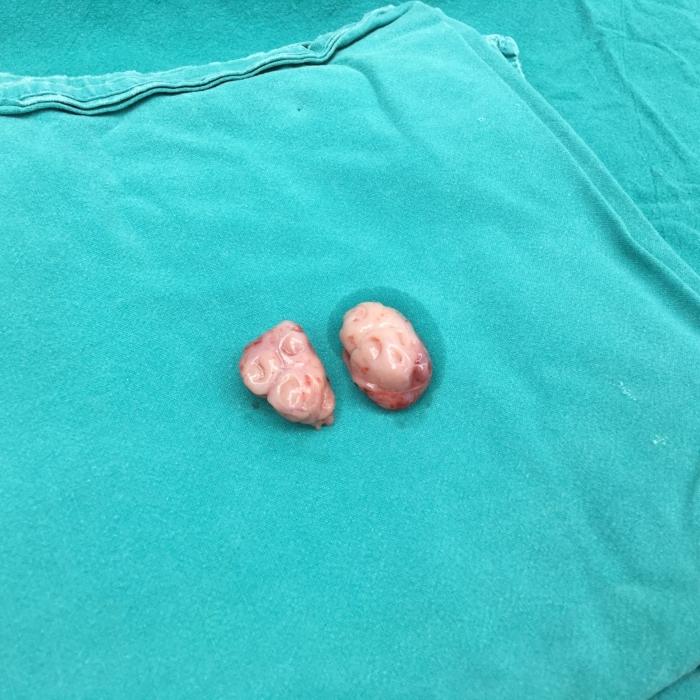
During an exhausting battle against viruses or bacteria, our tonsils may become enlarged, swollen, and red. We often feel this as discomfort in the throat area. Those are typical signs of tonsillitis. The swelling is caused by a buildup of lymph fluid, viruses, bacteria, and immune cells, and the redness results from increased blood flow to the area.Tonsillitis frequently occurs during our younger years, when our tonsils aren’t yet strong enough to combat viruses and bacteria effectively, despite their best efforts. Developing tonsillitis doesn’t necessarily mean our immune system is weak. In fact, it often suggests our immune system is developing and becoming stronger as it learns to fight these invaders.
Tonsillitis Treatments and Their Limitations
When the tonsils are exhausted, any method that can help clear viruses or germs, reduce inflammation, or boost immunity will help them recover.








Synergistic Ways to Support the Tonsils
Synergistic Ways to Support the Tonsils
Echinacea With Azithromycin
A randomized, controlled study of 300 children with recurrent tonsillitis measured the effectiveness of preventative treatments of tonsillitis. The study found that the combined use of commercially available echinacea with the antibiotic azithromycin produced better results than just azithromycin, which is used to fight bacteria. In one study based on over 7 million doses, Azithromycin significantly increased the risk of lethal cardiovascular death.Green Tea
Green tea is a rich source of antioxidants with anti-inflammatory properties. Green tea can also help relieve sore throat symptoms, which often accompany tonsillitis. Researchers reported in Anesthesiology and Pain Medicine that gargling green tea helped ward off sore throat symptoms in patients who had just undergone coronary artery bypass grafting.Licorice Root, Barberry Root, Thyme, and Oregano
An in vitro (test tube) study investigated hot water infusions of 13 different herbs that can help defend against strep throat, , the most common type of bacterial infection in the throat and tonsils. Sore throat and tonsillitis are closely linked conditions that often share the same cause and treatment. The most effective herbs for a sore throat, according to the study, include:- Licorice root, the fastest and most potent
- Barberry root
- Thyme
- Oregano flowering shoots
Dandelion, Mint, and Skullcap
One systematic review, published in Cochrane Database of Systematic Reviews, analyzed 12 randomized controlled trials assessing Chinese herbal medicines for the treatment of sore throat and tonsillitis involving 1,954 participants. The following remedies were found to be more effective than antibiotics in their studies:Dandelion was more effective than sodium penicillin, an antibacterial medicine, for acute purulent tonsillitis (pus formation between and around the tonsils).
- Mint
- Skullcap
- Wild chrysanthemum
- Honeysuckle
- Houttuynia cordata
Sho-Saiko-To
A recipe called “Sho-saiko-to” has long been used in traditional Chinese medicine to treat sore throats or tonsillitis. The recipe is composed of six herbs:- Bupleurum root
- Scutellaria root
- Ginseng root
- Pinellia tuber
- Glycyrrhiza root
- Ginger rhizome
Chinese Herbs
A meta-analysis of 110 randomized controlled trials looked at 12,152 patients with acute tonsillitis. It found that combining Chinese herbal injections with Western medicine resulted in an 89.5 percent improvement in effectiveness, faster recovery times for sore throat, red and swollen tonsils, and tonsillar exudate (fluid secreted by the tonsils in response to tonsillitis) ranging from 76.8 percent to 94.8 percent. They reported fewer than 4.62 percent of cases had an adverse reaction.- Forsythia suspensa
- Vahl
- Lonicera japonica Thunb
- Scutellaria baicalensis Georgi (key ingredient; Baicalin)
- Isatis tinctoria L
- Gardenia jasminoides J.Ellis
Tips to Protect Tonsils
Because tonsils play such a significant role in defense against viruses and germs, maintaining and strengthening them will help the body’s immune response.- Keep living spaces clean and well-ventilated to reduce the risk of exposure to pathogens. Additionally, avoid smoke, as its toxins are harmful.
- Maintain proper hydration through adequate humidity in the air and drinking enough water.
- Eat organic, nutritious, whole foods. Eating enough vegetables and fruits supports the basic functioning of our immune system.