This copy is for your personal, non-commercial use only. Distribution and use of this material are governed by our Subscriber Agreement and by copyright law. For non-personal use or to order multiple copies, please contact The Epoch Times Reprints.
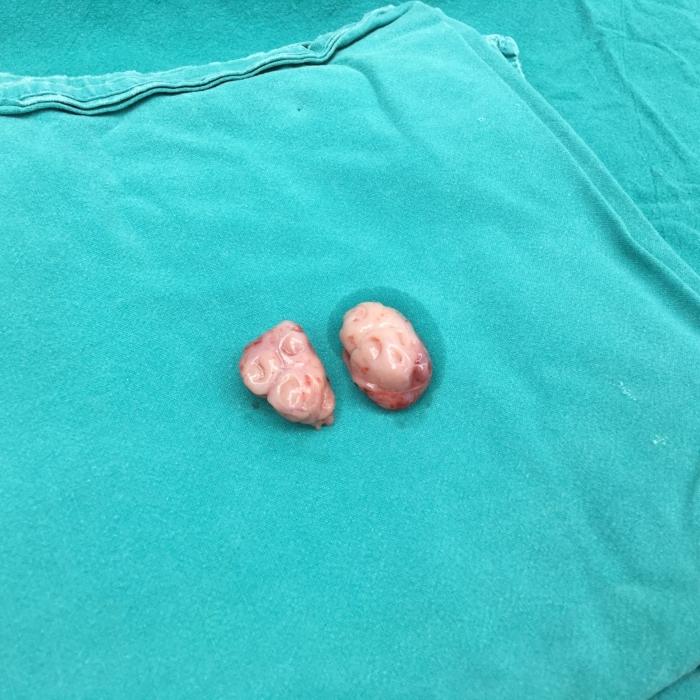
The spleen protects us in many remarkable ways, so it’s essential to learn how we can keep it healthy. Although we can live without a spleen, having it surgically removed can create serious long-term consequences, putting us at risk for severe, life-threatening infections.
A Study of Army Servicemen Without a Spleen
In 1977, the National Cancer Institute, National Academies of Sciences, and National Research Council conducted a groundbreaking study that followed 740 U.S. servicemen whose spleens had been removed because of trauma during World War II.
After monitoring the servicemen for 28 years, the study found that they suffered significantly higher mortality rates from pneumonia and heart disease, regardless of age or the length of time since their surgeries.
The spleen is crucial for removing microorganisms such as bacteria or viruses and for creating substances that can clear out pathogenic invaders, thus helping the body’s defense system.
Removing the spleen can result in an increased number of abnormal blood cells. Since the organ is also responsible for filtering and recycling blood clotting factors such as platelets, removing it may result in an increased number of platelets in the blood.
One’s platelet number may remain high for a long time, ultimately speeding up the formation of plaques in coronary arteries and leading to heart disease.
Severe Infection After Spleen Removal Is Common
Spleen removal isn’t a benign procedure; it can increase one’s risk of death, as well as of suffering a collapsed lung, inflammation of the pancreas, blockages in the lung blood vessels, and excessive bleeding.
In the long term, removing the spleen places the patient at a significantly higher risk of developing an overwhelming infection, regardless of age.
Infections can quickly progress from a mild flu-like illness to life-threatening sepsis, even in those vaccinated to prevent infection.
A review study found that the mortality rate for individuals experiencing infection can reach a staggering 38 to 70 percent, despite the use of treatments including antibiotics, steroids, and fresh plasma.
The incidence of overwhelming severe infection after a splenectomy ranges from 2.5 to 13.5 percent.
The risk of infection is greatest within the first two years, but up to 33 percent of complete splenectomy patients will experience infection within 10 years of removal. One’s level of risk depends on age and medical conditions.
The symptoms of infection include but are not limited to fatigue, weight loss, abdominal pain, diarrhea, constipation, nausea, and headaches.
What Causes the Severe Infection?
Normally, our body’s immune system fights infection in a controlled way.
However, when the immune system goes into overdrive, infectious agents and inflammatory chemicals can circulate throughout the body, causing a vicious cycle and lethal outcome: sepsis.
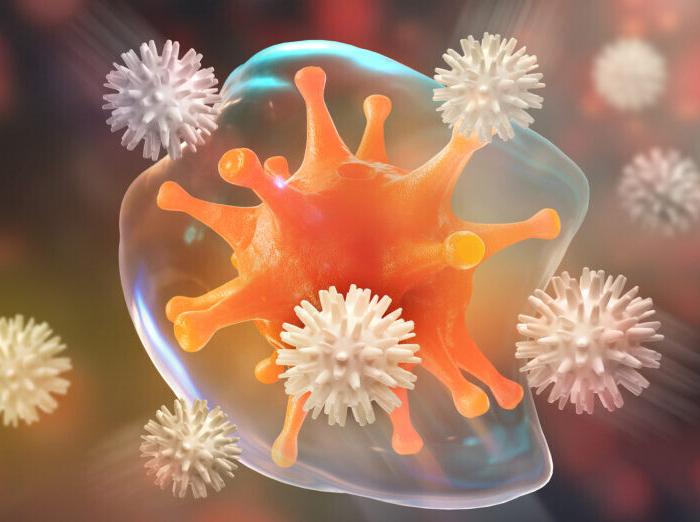
Post-splenectomy sepsis can be caused by bacteria, viruses, fungi, protozoa (e.g., malaria parasites), or encapsulated bacteria, which have an extra layer that protects them.
The immune systems of splenectomy patients have a harder time killing off encapsulated bacteria, which are frequently associated with severe infections in this population.
The most nefarious such pathogen is Streptococcus pneumoniae, but Haemophilus influenzae and Neisseria meningitidis are also significant. Because these organisms are enclosed in capsules, they can survive when the spleen is not helping to produce bridging molecules (e.g., complements and antibodies) or when the macrophages (scavenger cells) in the spleen are unable to remove them effectively.
Anatomy of an encapsulated bacteria. The Epoch Times
Spleen’s Super Weapons to Kill Encapsulated Germs
Pathogenic bacteria can be crafty little devils, especially the encapsulated ones. We rely on some highly intelligent, super-powerful weapons to take down these elusive germs.
Inside the small but mighty spleen, macrophages battle to scavenge bacterial invaders. With the help of complements and antibodies (two types of proteins produced by the spleen), these macrophages can grab encapsulated bacteria and gobble them up like a handful of candy.
Complements produced by the spleen can form a group called the membrane attack complex (MAC). The MAC breaks down the membrane of bacteria in a process called lysis, which disrupts the balance inside a bacterium and ultimately kills it.
How the spleen kills encapsulated bacteria. The Epoch Times
Without these complements and antibodies, our immune system is severely handicapped in its ability to fight off these protected pathogens.
The spleen is also a major hub for producing specific antibodies that bind to pathogens and play a crucial role in the early stages of infection.
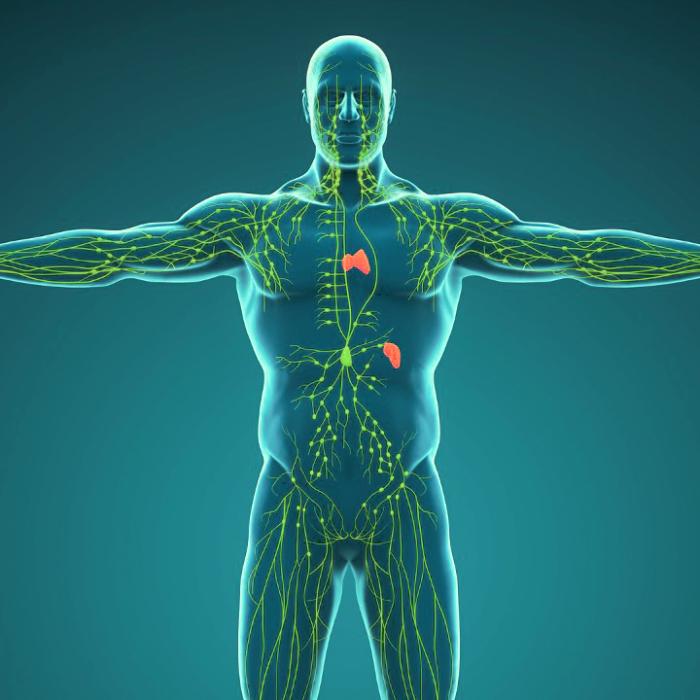
Losing the spleen means losing a critical command center for the immune system and blood recycling. So it’s important to do all we can to protect and keep our spleen whenever possible.
Without a spleen, the immune system is weaker and more vulnerable to infection. That means special treatments are required.
The most critical treatment for an infection after spleen removal is the immediate use of broad-spectrum intravenous antibiotics, which may reduce mortality to about 10 to 40 percent from 70 percent.
Be Mindful of an Abnormal Spleen
If a physician can feel your spleen during an examination, that usually means it’s enlarged and unhealthy.
Splenomegaly, or an enlargement of the spleen, affects about 2 percent of the U.S. population. An enlarged spleen increases the risk that the organ will rupture, which can be life-threatening.
Possible causes of an enlarged spleen include:
trauma
heart failure
liver cirrhosis
leukemia
cancer
infections
autoimmune diseases such as lupus and rheumatoid arthritis
The highest risk to your spleen is trauma from external injury. Buckle up before driving or riding in a car, since a car accident will likely damage your spleen and can lead to serious complications, or even death.
Eat a Healthy Diet With More Beans
Unhealthy dietary patterns can lead to chronic inflammation that can disrupt the normal function of the spleen.
A 2018 study found that feeding mice a diet high in fat and added sugar for 12 weeks led to obesity, high blood sugar, elevated inflammatory markers, and spleens that were 50 percent larger than those of mice fed a standard diet.
Following the 12 weeks, spleen size was reduced through exercise and treatment with genistein, a natural compound found almost exclusively in legumes, including in soybeans, lupins, and fava beans.
It’s also important to chew food slowly, which optimizes digestion and reduces the burden on the spleen.
Eat Spleen-Nourishing Herbs
Korean ginseng berries were found to have the potential to boost the immune system and improve spleen function.
In a 2021 study, extracts from the berries were given to mice with weakened immune systems. The extracts improved the function of natural killer cells and increased the production of lymphocytes in the spleen. Immune-related genes were also found to be more active. These effects depended on the amount of extract given.
A long-term evaluation of Korean red ginseng, which contains these extracts, found that it’s safe and suggested that it improves immune system activity and reduces viral infections.
Ginseng is considered a promising herb for the treatment of viral infections, including COVID-19. It’s reported to boost innate and adaptive antiviral immunity and increase the function of macrophages and natural killer cells.
Other herbs that can help to improve spleen and immune function include licorice and Chinese yam.
Our lymph fluid can move through the body by itself, but drainage of the lymphatic system works better with increased movement, including regular exercise, which can help the spleen filter and transform particles in our lymph fluid.
All the methods described in Part 4 and Part 5 of this series will help our spleen to function more effectively.
Reduce Stress and Make Relaxation a Priority
Are you feeling stressed out? Your lymphatic, immune, and spleen functions are all vulnerable to the effects of stress.
Our brain communicates with our organs, and when they sense that we’re in a threatening situation, hormones are released that can lower our immune system’s ability to defend itself.
Stress is generally an internal response to external events, such as an argument or work pressure. It goes away once our perception changes or the stressor is resolved. Stress can be either positive or negative.
Anxiety is usually a reaction to stress. It often involves a persistent feeling of dread that can interfere with your life. It can be constant, even when there’s no immediate threat.
Modern psychoneuroimmunological research has proven that chronic stress can weaken the immune system and indirectly interfere with spleen function, causing inflammation, irritable bowel syndrome, ulcers, and much more.
Studies have shown that prolonged stress can lead to anxiety. The influence of anxiety on spleen function is likely also mediated by both nervous and endocrine factors.
So how can we combat high amounts of stress? The answer is to make relaxation a priority. Try performing relaxing exercises such as yoga and qigong, spending time in nature, taking warm baths, or consuming adaptogenic herbs.
Avoid Overthinking
Uncertainty can be unhealthy because it can make it difficult to concentrate on tasks requiring executive function. One reason for this may be that we conserve energy when we’re unsure about things. Uncertainty was shown to impair the performance of tasks even more than when we’re certain of negative outcomes.
In traditional Chinese medicine, the spleen is linked to the “earth.” When we worry too much, we’re “up in the clouds.” Being more relaxed and mindful can help us to feel more grounded, which can help us worry less and keep our spleen healthier.
When you take care of yourself by relaxing, staying grounded, avoiding overthinking, and trying to be more decisive, you will help to keep your immune system and spleen healthy.
The spleen corresponds to the earth in traditional Chinese medicine. The Epoch Times
The spleen is an important organ, and its loss or injury can be devastating to our health. Being proactive by implementing these practical ways to safeguard this vital organ will support your spleen’s ability to function as it was miraculously designed, providing a lifetime of health benefits.
Janeway CA Jr, Travers P, Walport M, et al. Immunobiology: The Immune System in Health and Disease. 5th edition. New York: Garland Science; 2001. The complement system and innate immunity.