Health Viewpoints
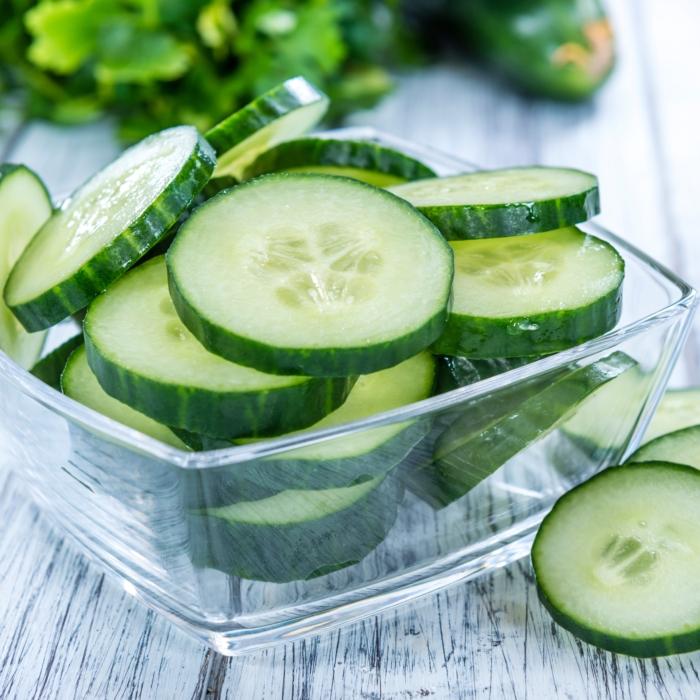
Cucumbers are a low-calorie, high-water content vegetable with abundant nutritional benefits. Cucumbers serve as a refreshing and cooling food option in the hot summer while offering various advantages such as cholesterol reduction, skin protection, anti-inflammatory properties, and immune system enhancement. However, there are specific groups of individuals who should take note when consuming cucumbers.
Nutritional Composition of Cucumbers
The first nutrient of cucumbers is water, which consists of 95 percent of a cucumber’s overall mass. Therefore, consuming cucumbers helps maintain body hydration and preserves the elasticity of skin and tissues.Secondly, cucumbers are a rich source of dietary fiber. They aid in promoting normal digestive function, preventing constipation, and helping you feel full.
Cucumbers also contain vitamin C, a potent antioxidant that safeguards cells against oxidative stress, enhances immune system function, and supports wound healing and collagen synthesis.
Another key nutrient is vitamin K, which is essential for blood clotting and bone health.
Potassium is the fifth nutrient found in cucumbers. As an electrolyte, potassium is crucial for heart health and proper nervous system function.
Cucumbers also contain trace amounts of selenium, an important antioxidant that helps protect cells from damage.
Moreover, cucumbers contain various phytochemicals such as flavonoids and carotenoids. These substances possess antioxidant and anti-inflammatory properties, guarding against chronic diseases’ impact on the body.
Health Benefits of Cucumbers
With their rich nutritional profile, cucumbers offer numerous health benefits. Let’s explore six of these benefits:- Lower cholesterol: Cucumbers are low in fat and calories and high in fiber, aiding in maintaining healthy blood lipid levels. A review study published in Fitoterapia in 2013 highlighted cucumbers’ cholesterol-lowering, anti-diabetic, and antioxidant properties.
- Contain antioxidants: Cucumbers contain antioxidants like carotenoids and flavonoids. Research indicates that flavonoid compounds possess anti-cancer and anti-inflammatory characteristics, potentially promoting cancer cell apoptosis.
- Regulate immune system: The vitamin C in cucumbers can boost immune defense, preventing and treating respiratory and systemic infections.
- Protect the skin: A 2019 study in the journal Materials (Basel) pointed out that cucumbers’ abundance in nutrients like vitamin A, vitamin C, and antioxidants has various effects on the skin, including soothing irritated skin, moisturizing, reducing inflammation, inhibiting sebum production, and suppressing melanin synthesis. Cucumber extracts are incorporated into many skin care products.
- Serve as a mild diuretic: Cucumber’s high water content helps replenish fluids, increases urine output, aids in waste and excess water removal, reduces edema, and aids in preventing urinary tract infections.
- Maintain hydration and electrolytes: The nutrients in cucumbers assist in eliminating excess salts from the body and potentially lowering blood pressure.
Considerations When Consuming Cucumbers
While cucumbers are a nutritionally rich vegetable (or fruit, as it’s closely related to melons), there are situations in which their consumption should be approached with caution.Firstly, individuals with allergies to cucumbers should avoid consuming them. If you’re allergic to cucumbers, watermelons, cantaloupes, or similar foods, you should always be cautious when eating similar foods.
For some people, cucumbers might lead to digestive discomfort or gastrointestinal issues. If you have conditions like stomach ulcers, acid reflux, or other sensitive digestive problems, you may need to limit or reduce cucumber consumption, especially raw cucumbers.
Furthermore, it’s essential to know that certain medications can interact with cucumbers. For instance, some diuretics increase urine output, and consuming cucumbers may enhance diuretic effects. If you are taking specific medications, consult your doctor or pharmacist to determine whether cucumber consumption is appropriate.
Views expressed in this article are the opinions of the author and do not necessarily reflect the views of The Epoch Times. Epoch Health welcomes professional discussion and friendly debate. To submit an opinion piece, please follow these guidelines and submit through our form here.