By someone who actually remembers where she put her car keys, thank you very much.
I’ll say this up front. I have a good memory. Not photographic, nothing as glamorous as that, but solid. The kind of memory that remembers your birthday, your dog’s name, and the exact inflection you used when you said you “didn’t mind” going to that awkward dinner in 2017. And I plan to keep it that way. Which is precisely why I take Ginkgo biloba (and another reason which you will find out if you read on.)
Ginkgo isn’t some miracle drug promising to make you fluent in Sanskrit overnight. It’s more like your wise, great-aunt in supplement form, ancient, underrated, and full of secrets.
Ginkgo is The Tree That Time Forgot (But You Absolutely Shouldn’t)
Let’s talk about heritage.Ginkgo biloba is the last surviving member of a plant dynasty that dates back 200 million years. It was here before the Himalayas, before bees, before bras. It shared the planet with dinosaurs, lived through meteor strikes and ice ages, and now, somehow, graces the parking strip outside your local chemist.
Respect.
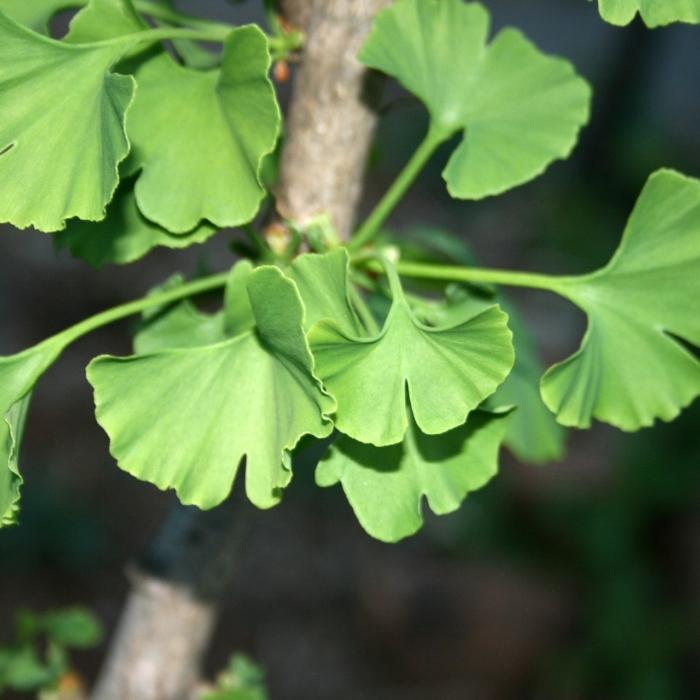

It’s technically a living fossil, but don’t let that put you off. It’s also a total looker.
So, What’s It Good For?
Where to begin? Honestly, it’s easier to list what it doesn’t do (putting the dishes away, mostly). But here’s a cheat sheet of its highlights:Brain Booster
Let’s start with the classic. Ginkgo is famous for its memory-enhancing powers. Studies show it can help with cognitive function, mental clarity, and focus.Some researchers have even found it slows the progression of mild Alzheimer’s and dementia.
Circulation Sensation
It improves blood flow, which is as fabulous as it sounds. Better circulation means healthier organs, a sharper brain, and in some cases, a more enthusiastic love life.Mood Magic
Feeling a bit off? Ginkgo’s anti-anxiety and anti-depression credentials are growing.Some studies suggest it may amplify the effects of antidepressants (though always check with your doctor), while others show it reduces stress and emotional fatigue.
Buzz Off, Tinnitus
This one’s personal. I started taking ginkgo tablets to treat mild tinnitus, that annoying hum in the ears that makes you feel like you’re being followed by a mosquito made of static. After six weeks? Gone. Completely.Vision, PMS, and Other Life Intrusions
Ginkgo may help with glaucoma and macular degeneration, thanks to its effect on blood flow to the eyes. It’s also shown promise in easing PMS symptoms and headaches.One study even linked it to improved lung function in people with asthma and Chronic Obstructive Pulmonary Disease (COPD).
But What’s That Smell?
Yes, ginkgo has one awkward quirk. Its female trees drop fruit that smells somewhere between fermented cheese and old gym socks.It’s like the tree’s way of saying, “You can’t have everything.”
Fortunately, most urban planners stick to male trees, which are scent-free and less likely to turn your street into a perfume-free war zone.
Interestingly, the seeds inside the smelly fruit are a delicacy in parts of Asia, served roasted or steamed and used in traditional ceremonies.
Sensible Side Note
Ginkgo is powerful stuff. Don’t mix it with blood thinners, antidepressants, or anti-inflammatory meds without professional guidance.It’s not for children, pregnant women, or anyone allergic to alkylphenols (you’ll know if you’re one of them).
Ginkgo forms
You can take ginkgo in several charmingly modern ways, none of which involve nibbling on a prehistoric leaf while chanting under the moon (unless that’s your thing, in which case, go for it).Most people pop a capsule or tablet which feels very official and grown-up, like you’re the sort of woman who owns a proper pill organiser and flosses nightly.
There’s also liquid extract, if you enjoy the feeling of being your own apothecary, and dried leaf tea, which is deeply soothing and makes you feel like a poet recovering from heartbreak in the Cotswolds, in the English countryside.
Final Thoughts. Should You Try It?
Absolutely, if your brain, mood, or circulatory system could use a bit of ancient tree wisdom.It’s not a miracle cure, but it is a plant that’s survived two mass extinctions and still looks amazing. That’s more than I can say for myself after a big night out.
And look, I’m not saying ginkgo made me smarter. But I did win my last trivia night. And I remembered my PIN.
Coincidence? I think not.