Here’s a wake-up call for American men: Their health is in crisis, and they don’t realize it.
Men Spend Hours Watching TV Despite Weight Concerns
The survey revealed a contradiction in men’s attitudes toward weight loss. It found that 54 percent of American men are unhappy with their weight, but only about half reported eating a healthy diet. Additionally, over a quarter admitted to watching TV for over five hours daily on average.While close to 40 percent of men said they had experienced issues with sex, about half said they were unaware their drinking or smoking habits might affect their sexual health. According to Cleveland Clinic, this finding, and others from the survey, highlight a “disconnect between men’s perception of their health and their actual health habits.”


Most Men Experience Frequent Stress but Neglect Their Mental Health
The survey revealed concerning trends regarding men’s mental health.Over 80 percent of respondents reported experiencing stress in the past six months. However, 44 percent admitted they do not take care of their mental health. Additionally, most were unwilling to seek professional help for issues like stress, anxiety, and depression.
According to the survey, one contributing factor may be social media habits. On average, men surveyed spent 2.3 hours per day on social media. Notably, those hesitant to seek mental health support were nearly twice as likely to spend five or more hours daily on social media platforms.
Early Detection Saves Lives, but Nearly Half of Men Skip Checkups
The survey also revealed that 44 percent of men do not get routine annual checkups.Dr. Haywood emphasized the importance of these visits, as many medical issues can be detected and managed early on. These include high blood pressure, diabetes, and cancer screenings.
“By avoiding these opportunities for catching problems early, men may miss an early window or continue to suffer from symptoms,” he said, adding that many men are accustomed to overlooking health care and downplaying symptoms.
Sexual Health Issues Prevalent but Untreated in Many Men
The survey revealed that sexual health issues are common yet undertreated among men. While 37 percent of respondents reported experiencing sexual problems, only 2 in 5 of those affected sought professional help. This leaves many suffering from untreated sexual health conditions.Erectile Dysfunction (ED)
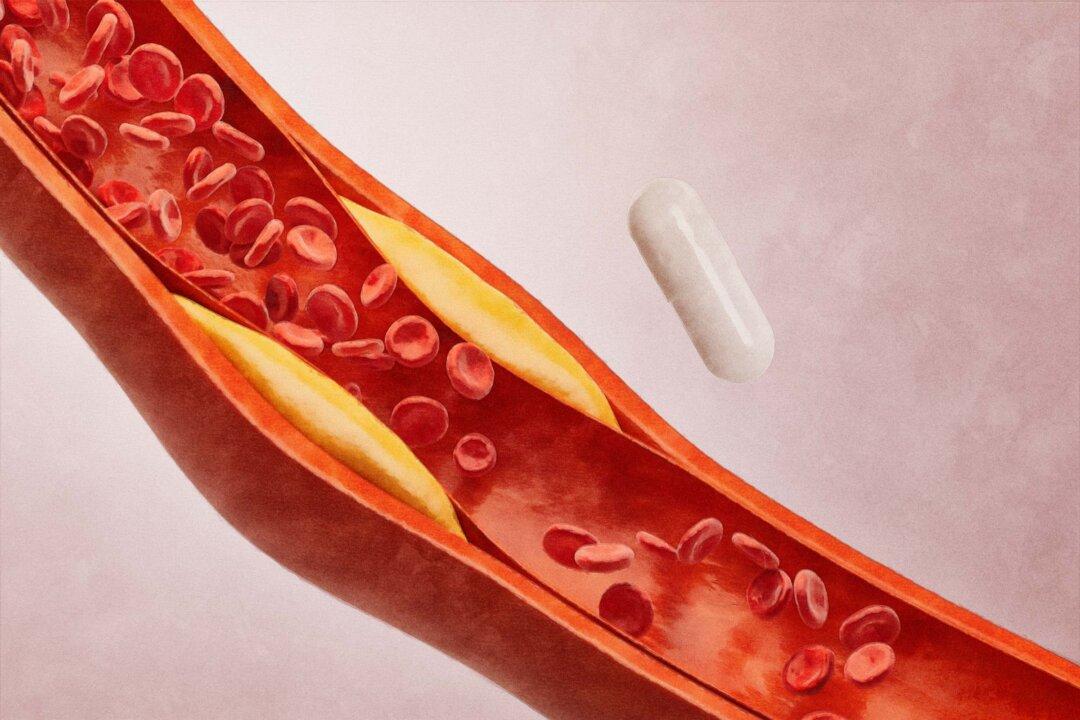
Though reduced blood flow contributes to ED in older men, psychological factors may underlie ED in younger patients. Stress, performance anxiety, and pressure can all play a role.Low Libido
On the physical side, conditions like high blood pressure, diabetes, and obesity may contribute to reduced sex drive. Psychological factors like stress, depression, and anxiety can also be factors. Determining the cause is key in formulating effective treatment options.Testosterone Deficiency
Testosterone levels naturally decline with age. However, testosterone deficiency is becoming increasingly prevalent, affecting 20 percent to 50 percent of American men.“The first signs of many serious health conditions are often urinary or sexual issues which many men are hesitant to address,” Dr. Georges-Pascal Haber, chair of the Department of Urology at Cleveland Clinic, said in a press statement.
Lifestyle factors like obesity, inactivity, and heavy drinking contribute to lower testosterone.
We Need a Campaign for Men’s Health
The survey highlights the need for men to take responsibility for their health, according to Dr. Theodore Strange, chair of medicine at Northwell Staten Island University Hospital in New York, who was not involved with the survey. This includes making lifestyle changes and seeking medical care when needed.Cultural stigmas exist around men’s health care and perceptions of self-care, Dr. Strange noted. “There needs to be education around the importance of screenings and wellness with better accessible times for men to do, as lots of men needing the screenings fall in a working age group that precludes them from times to access the care needed.”
Cancer screening, especially colon cancer screening starting at age 45, is critical. Overcoming fear and embarrassment about testing is vital, Dr. Strange said.
Ultimately, he called for an organized focus on men’s health needs. Targeted initiatives and campaigns could successfully improve screening rates, just as they have for women’s health issues, he noted. “There may need to be men’s health centers that help deal with these issues and others like sexual health questions, obesity, testosterone use, and burnout.”