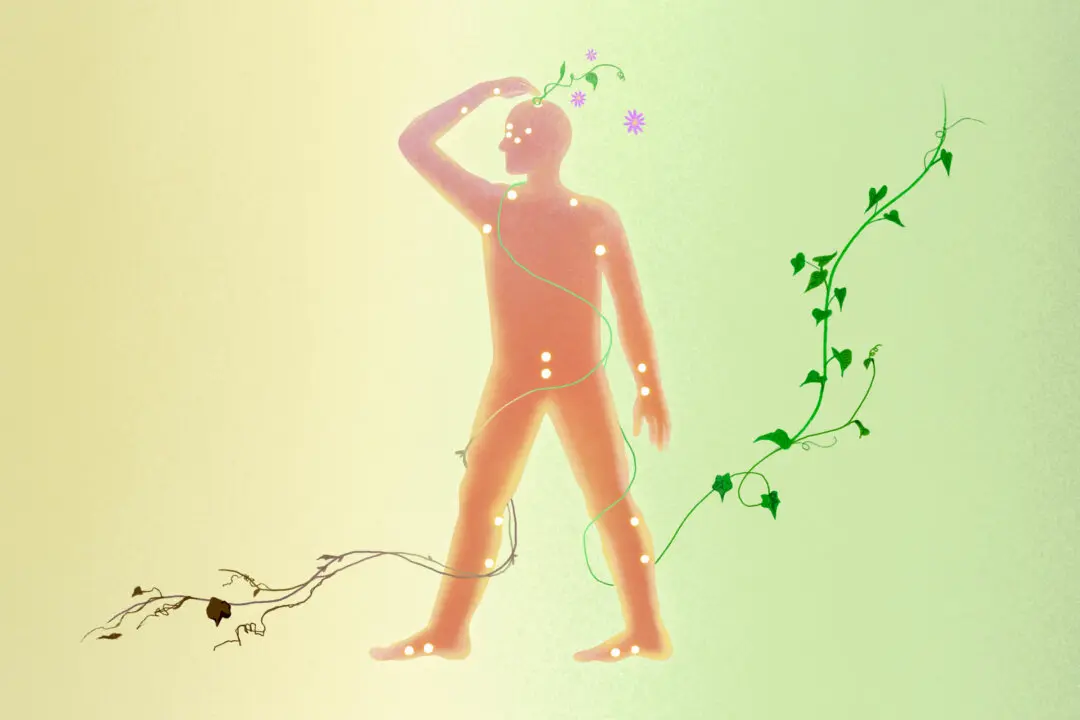
The liver is often referred to as the “silent organ” because it typically produces no clear symptoms, even when serious conditions like cancer develop. However, before liver disease takes hold, subtle warning signs do sometimes emerge, though they are frequently overlooked.
When liver qi first becomes stagnant, timely care—combined with mindful diet, acupressure, and lifestyle changes—can help restore balance and prevent more serious disease.
Early Warning Signs
Liver cancer often presents no obvious symptoms in its early stages, Liu noted. As a result, it is frequently diagnosed at a more advanced stage, when treatment options are more limited. Common early, but also vague, symptoms of liver cancer include loss of appetite and unexplained weight loss. As the tumor grows and begins to press on surrounding organs, more pronounced symptoms such as jaundice, abdominal pain, and bloating may develop.TCM aims to catch imbalances before such physical symptoms arise. “TCM emphasizes preventing disease before it happens,” Liu said. “It’s about recognizing early energy imbalances and restoring harmony in the body.”
TCM Perspectives on Liver Disorders
TCM categorizes liver disorders into three primary patterns:- Liver Qi Stagnation Pattern: Characterized by emotional instability, irritability, poor appetite, and menstrual irregularities.
- Upward Flaming of Liver Fire Pattern: Prolonged emotional suppression and liver qi stagnation can lead to chronic inflammation that manifests with dizziness, dry mouth and throat, red eyes, tinnitus, constipation, and acne.
- Damp Heat in Liver and Gallbladder Pattern: Typically caused by lifestyle factors such as poor diet, alcohol, and late nights, leading to metabolic disruption. Symptoms resemble fatty liver disease and include fatigue, sticky stools, yellow tongue coating, excess body weight, and abdominal bloating.
Targeted Treatments in TCM
In TCM, treatment focuses on three main steps:Treatment typically follows three key steps:
- Calm the Mind and Spirit: This means cultivating emotional balance—letting go of excessive desires, managing anger, and relieving stress.
- Regulate Qi (Energy Flow): Therapies like herbal medicine and acupuncture help restore smooth qi circulation throughout the body.
- Support the Body: This often includes managing body weight, particularly reducing abdominal fat, which in TCM is linked to internal imbalances.
1. Liver Qi Stagnation – Herbal Formula: Xiaoyaosan
Xiaoyaosan, or “Free and Easy Wanderer,” is a traditional formula designed to soothe the liver, ease emotional tension, and improve digestion.Key Herbs in Xiaoyaosan:
- Angelica sinensis (Dang Gui) – supports blood health and hormonal balance
- Paeonia lactiflora (Bai Shao, or white peony root) – soothes the liver and relieves pain
- Bupleurum chinense (Chai Hu) – promotes the smooth flow of liver qi
2. Upward Flaming of Liver Fire – Herbal Formula: Danzhi Xiaoyaosan
This version of Xiaoyaosan includes herbs to “cool internal heat”—TCM’s way of describing overactivity or inflammation.
Additional Herbs:

- Moutan Cortex (Mu Dan Pi) – Cools the blood and reduces internal heat
- Gardenia jasminoides (Zhi Zi) – Helps reduce irritability and clear “liver fire”
In modern terms, “clearing liver fire” means calming an overstimulated system and reducing internal inflammation.
3. Damp-Heat in the Liver and Gallbladder – Herbal Formula: Longdan Xiegan Tang
Especially helpful for clearing internal heat and supporting liver detoxification.
A 2021 study found that this formula may improve hepatic insulin resistance and alleviate inflammation-associated liver injury.
Acupuncture and Acupressure for Liver Support
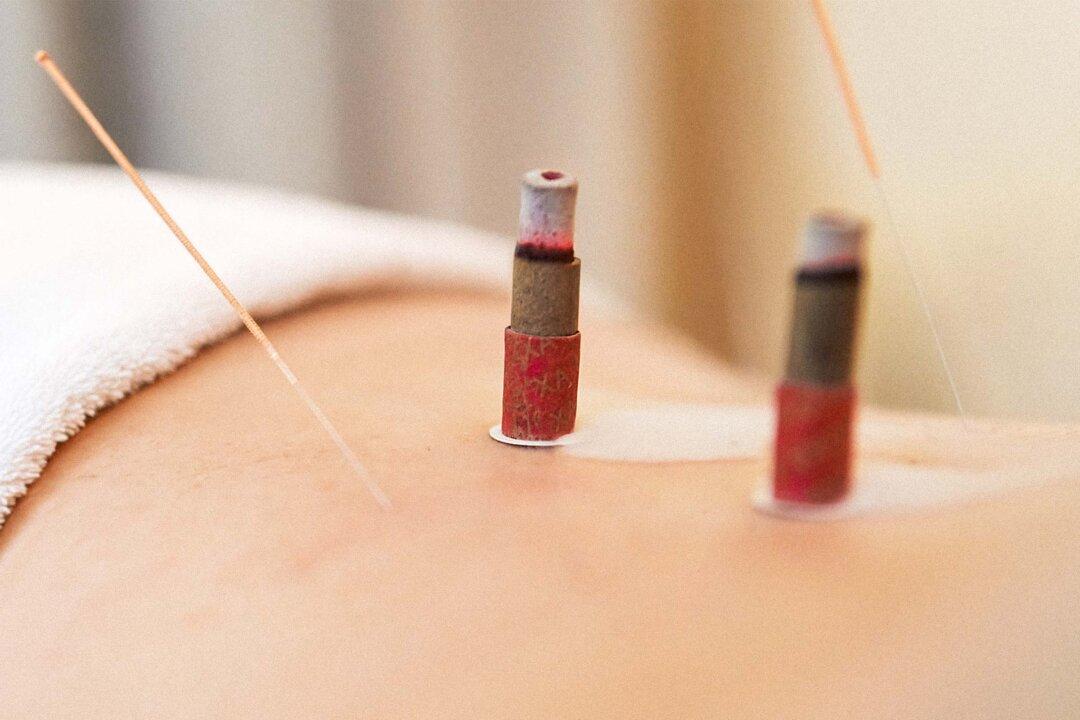
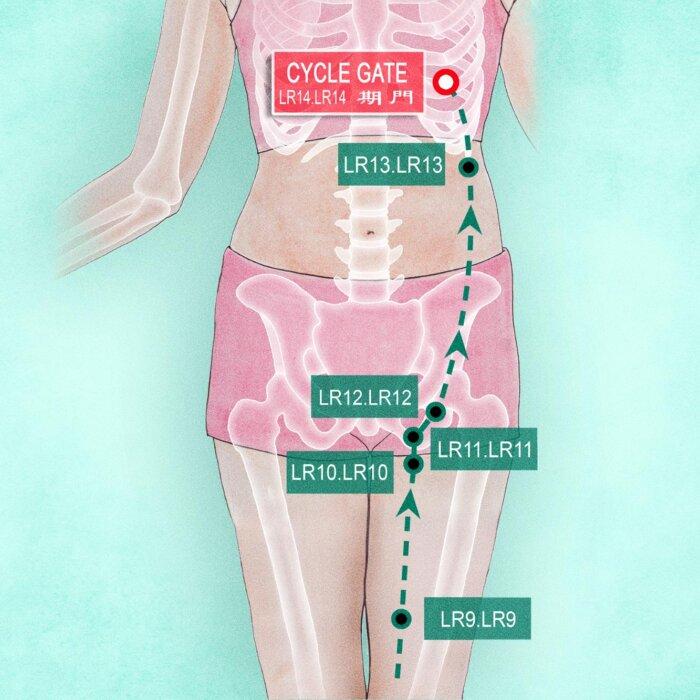
Acupuncture is a powerful way to restore energy flow, calm the nervous system, and rebalance the body’s systems. If you’re not ready for needles, acupressure—applying gentle pressure to the same points—can offer similar benefits at home. Dr. Liu recommends the following four points for daily self-care:
- Taichong (LR3) and Hegu (LI4): Relieve emotional tension and promote circulation
- Neiguan (PC6): Supports emotional calm and heart function
- Zusanli (ST36): A key point for strengthening digestion and aiding fat metabolism
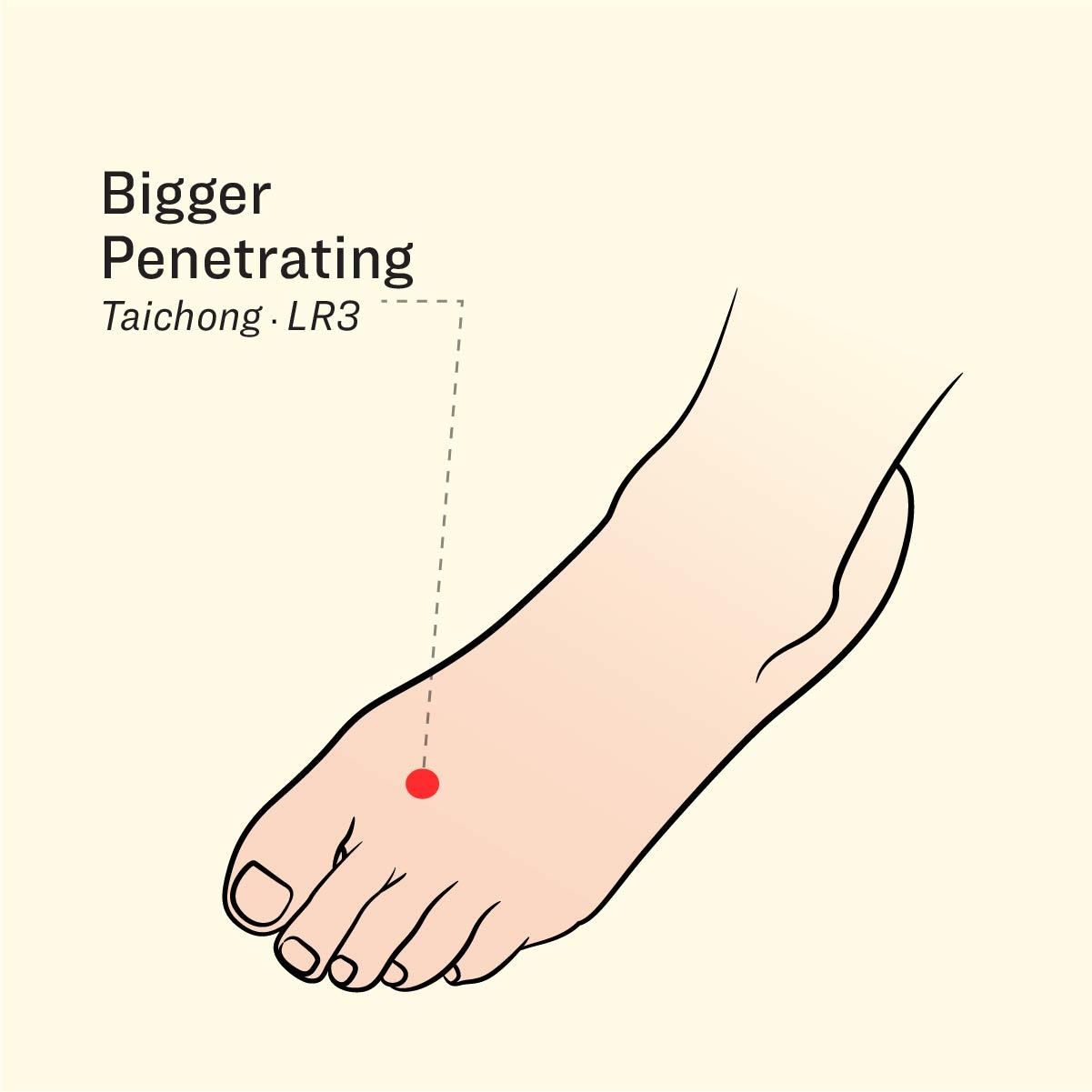
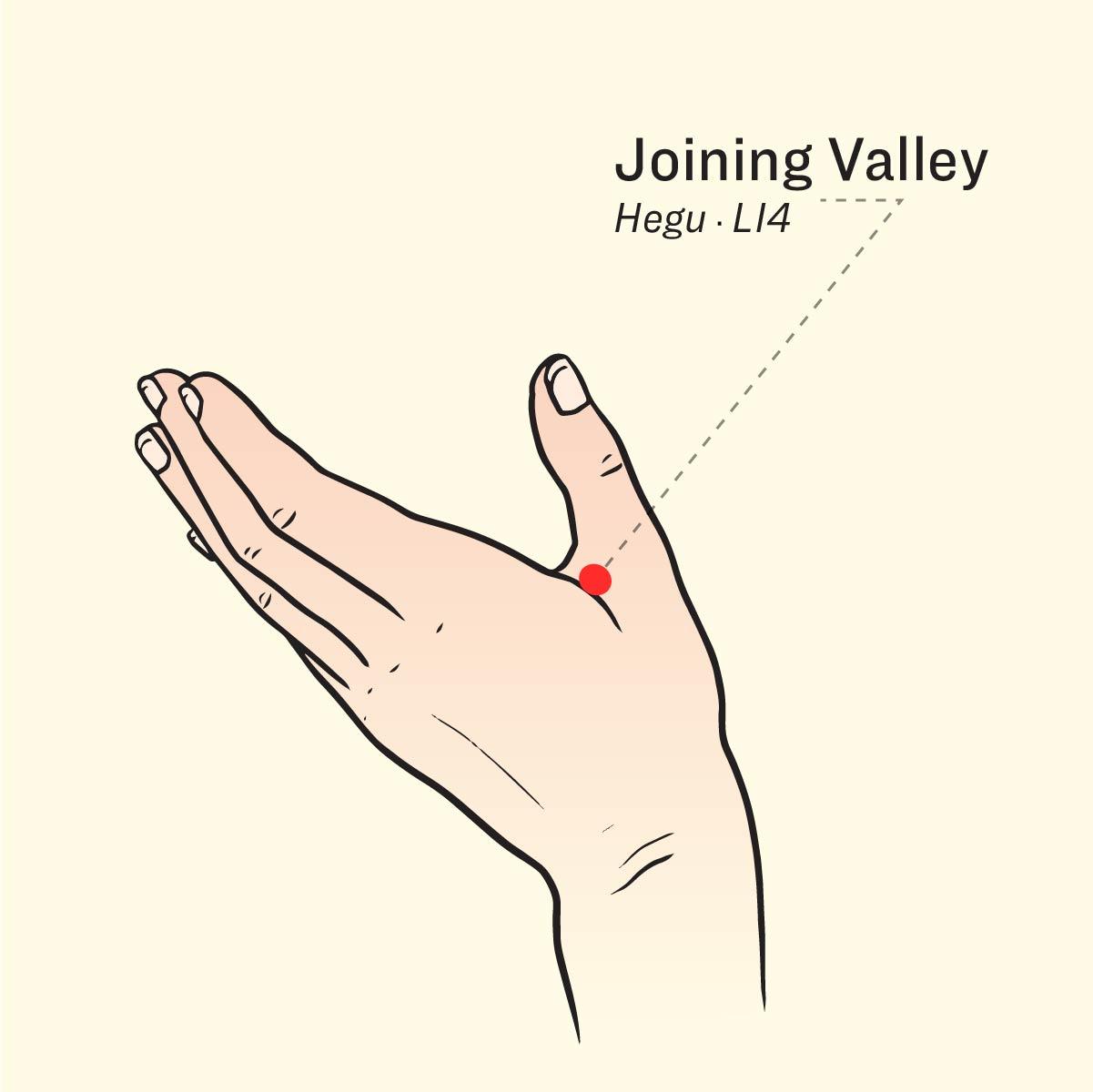
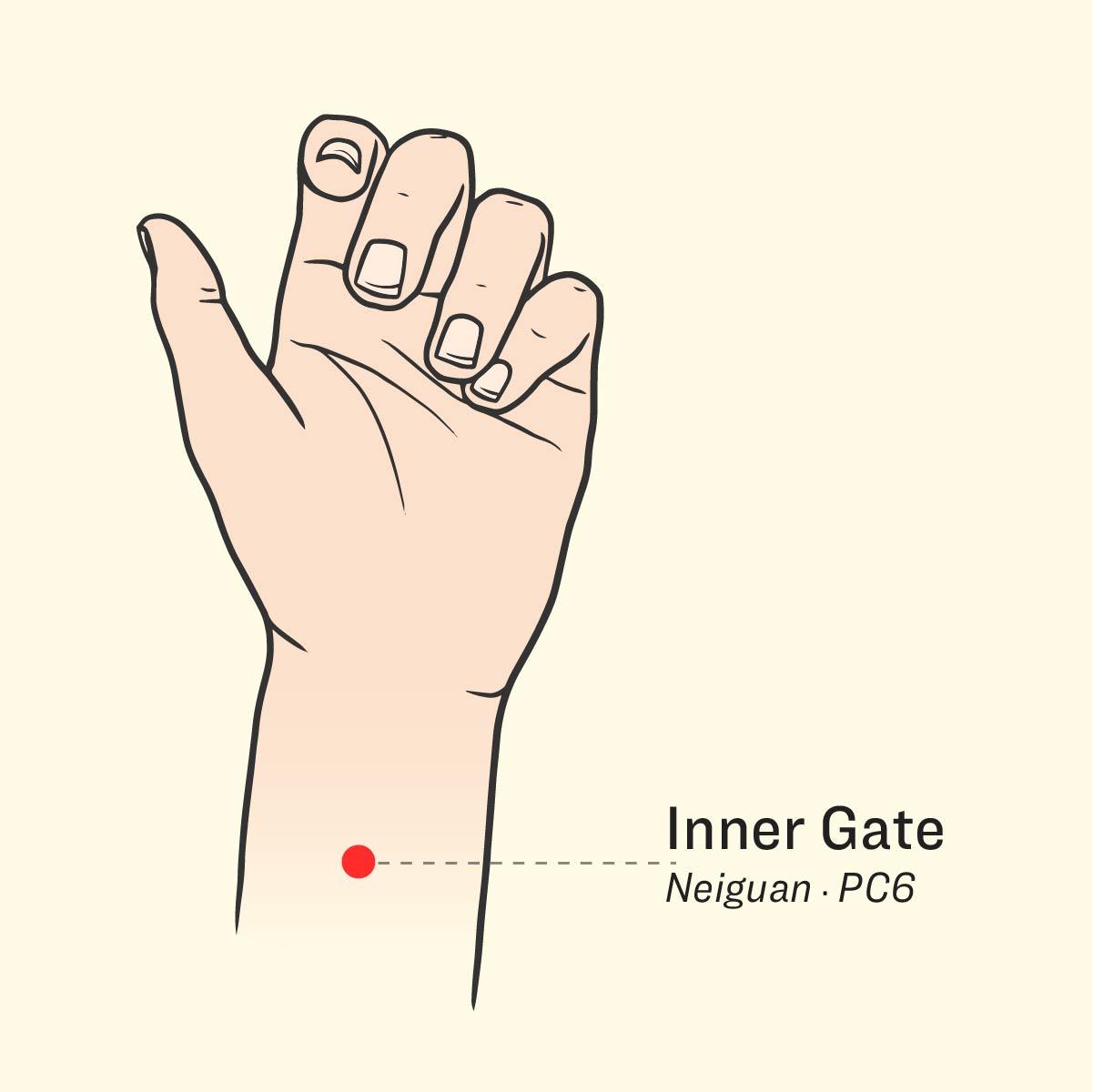

Use your thumb or fingertip to apply light, circular pressure on each point for 1–2 minutes, once or twice daily. Combine with deep breathing for best results.
Dietary Remedies for Liver Health
For everyday wellness and liver support, Liu recommends the following dietary remedies:Liver-Soothing Rose Tea
This tea is particularly suitable for office workers experiencing high levels of stress, Liu noted. It helps release emotional tension and supports eye health. When drunk regularly, it may help relieve early symptoms associated with the liver qi stagnation pattern.- 0.2 ounce (5 grams) dried rose buds
- 0.1 ounce (3 grams) chrysanthemum flowers
- 5 dried red dates
- 10 goji berries
Hawthorn and Lotus Leaf Tea
Studies have shown that compounds in lotus leaf possess antioxidant, lipid-lowering, and weight-reducing effects. Additionally, hawthorn has been found to reduce fat accumulation in the liver and help protect against liver injury.- 0.4 ounce (10 grams) dried lotus leaf
- 0.7 ounce (20 grams) dried hawthorn
- Rock sugar (to taste)
Chinese Yam and Job’s Tears Congee
This sweet, soft-textured congee is suitable for all ages and helps support both digestive and metabolic functions.- 1.1 ounces (30 grams) Chinese yam, chopped
- 1.8 ounces (50 grams) Job’s tears
- 0.5 ounce (15 grams) dried longan
- 1.8 ounces (50 grams) glutinous rice
Foods That Support Liver Health
Green VegetablesAccording to the theory of “five colors entering the five organs” found in the classic text The Yellow Emperor’s Classic of Internal Medicine (Huangdi Neijing), different colors of food are believed to nourish different organs—with green-colored foods specifically associated with liver health.
Green leafy vegetables have anti-inflammatory and antioxidant properties, which are particularly beneficial as early-stage liver disease is often driven by inflammation, Liu said. He recommends celery, which is traditionally used in TCM to clear heat (internal inflammation) and remove toxins.
Garlic is rich in sulfur-containing compounds, which exhibit natural antibiotic properties and support the liver’s detoxification process.
Walnuts are rich in protein, omega-3 unsaturated fatty acids, minerals, and vitamins—nutrients that contribute to liver cell repair and support the liver’s natural detoxification processes.
Turmeric has long been used in traditional Eastern medicine to treat joint pain. In recent years, it has gained popularity as an ingredient in health supplements.
Grapefruit is rich in vitamin C, flavonoids, and other antioxidants that help support the liver’s natural detoxification processes.
Proactive Steps for Liver Protection
Often referred to as the body’s chemical factory, the liver plays a central role in detoxification. However, excessive exposure to toxins can place a heavy burden on liver function.- Avoid Alcohol Consumption: Research shows that approximately 30 percent of liver cancer cases worldwide are alcohol-related. “Many illnesses are caused by what we eat—and in the case of liver disease, they are often caused by what we drink,” Liu said. Alcohol can directly damage liver cells, contribute to cirrhosis, and ultimately increase the risk of liver cancer.
- Prevent Viral Infections: Hepatitis B and C viruses are major contributors to liver cancer. These viruses are primarily transmitted through blood, from mother to child during birth, and through sexual contact. Preventing infection is key to long-term liver protection.
- Ensure Adequate Sleep: Sleep deprivation increases the burden on the liver. A 2018 study examined the relationship between sleep duration and non-alcoholic fatty liver disease (NAFLD) in the U.S. population.
- Use Medications Responsibly: Liu emphasized that excessive or improper use of medications—including herbal remedies—can lead to drug-induced liver injury.
- Reduce Exposure to Carcinogens
- Aflatoxins: Toxic compounds produced by mold on grains. Avoid consuming moldy food.
- Nitrosamines: Found in cured, smoked, and processed meats, as well as leftovers. Opt for fresh ingredients and limit preserved foods.
- Benzopyrene: Formed during high-temperature cooking, especially frying. Reduce cooking smoke and avoid over-frying.
- Formaldehyde and acetaldehyde: Formaldehyde is commonly present in building materials, while acetaldehyde is a toxic byproduct of alcohol metabolism.
Emotional Balance Is Essential for Liver Health
A 2015 study by researchers at the University of Edinburgh, published in the journal Gastroenterology, analyzed data from over 160,000 people and found that those experiencing psychological distress—such as anxiety and depression—had a significantly higher risk of dying from liver disease compared to the general population.While practices like yoga can help relieve stress, true emotional balance is difficult to achieve without a shift in mindset, Liu noted. He recommends reading classical texts such as The Yellow Emperor’s Classic of Internal Medicine (Huangdi Neijing) and the Dao De Jing to cultivate inner peace.
“The pursuit of fame and fortune without inner peace can lead to emotional and physical imbalance,” Liu said. “TCM emphasizes balance—not just in the body, but in the heart.”