As an ancient ritual turned modern diet trend, intermittent fasting offers a way of eating that departs drastically from traditional approaches.
When It Started
Intermittent fasting is nothing new, spanning multiple cultures and eras.
Fasting was an integral component of several ancient cultures and religions, albeit primarily for spiritual purposes. In many religious traditions, fasting was—and still is—a means of purification and self-discipline routinely observed during Lent in Christianity, Ramadan in Islam, and Yom Kippur in Judaism.
The medicinal purposes of fasting were touted as far back as ancient Greece when Hippocrates, often referred to as the “father of medicine,” believed that refraining from eating could help the body heal itself and would reportedly prescribe fasting as a therapeutic for various ailments.
In the early 20th century, scientific interest in fasting and its benefits began to take off with researchers like Otto Buchinger, a pioneer of medical fasting, and Herbert Shelton, a famous alternative medicine advocate, who explored fasting’s potential medical benefits.
Since then, several doctors and dieticians have published books about intermittent fasting. They explore diverse methods, scientific evidence, and practical guidelines for incorporating fasting into daily life. They also address health benefits, weight loss, and long-term sustainability, catering to various reader needs with personalized approaches.
How It Works
Fasting prompts ketosis, a metabolic state that occurs when an individual significantly reduces their carbohydrate intake, causing the body to rely on fat for energy production and use, which then leads to increased weight loss along with other purported benefits.
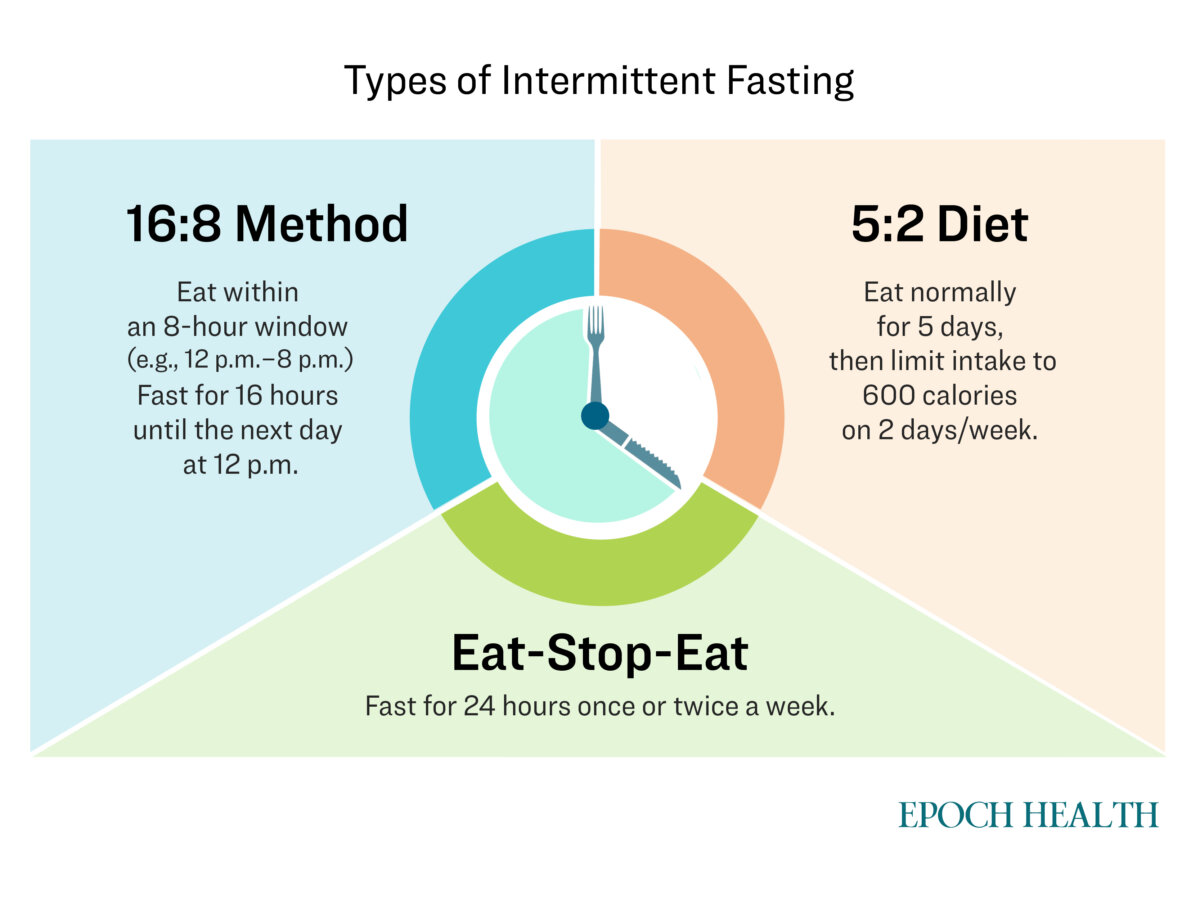
Intermittent fasting is an umbrella term for time-restrictive eating, and those who ascribe to this diet can take several different approaches:
What the Science Says
Though the research on the health benefits of intermittent fasting shows many beyond weight loss, some studies conclude that any benefits are more attributable to overall calorie reduction and nutrient quality rather than fasting timing—though intermittent fasting often results in reduced calorie intake.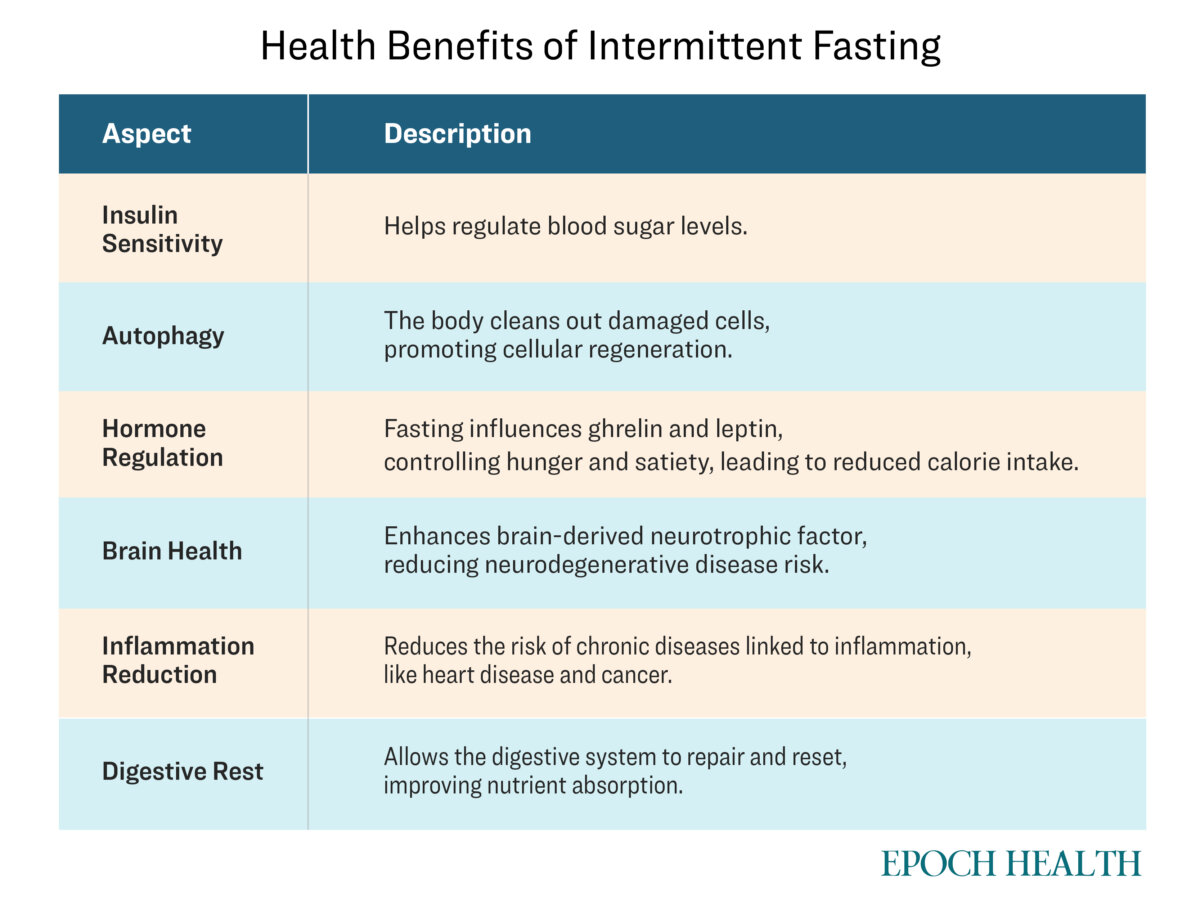
Who Should Not Be Doing It
Intermittent fasting is generally safe for healthy adults looking to improve metabolic health or lose weight. However, certain groups should avoid it or consult a doctor first: