





About 3,500 years ago, Egyptians treated night blindness by squeezing the juice of roasted ox liver, which is rich in vitamin A, into their eyes, a practice documented in their medical scroll, “Ebers Papyrus.”
Strange as it sounds, the Egyptians were onto something that modern science has only discovered in the last century: Food is medicine for vision.
Key nutrients from a healthy diet can affect delicate eye tissues, filter harmful light, preserve the retina, and maintain proper intraocular pressure. Used consistently, they can be part of a plan to protect against age-related vision diseases such as macular degeneration, cataracts, and glaucoma—conditions that, once they take hold, cannot be undone.
The solution, it turns out, is less complicated than most people expect.
Plant Pigments Standing Guard in Your Eyes
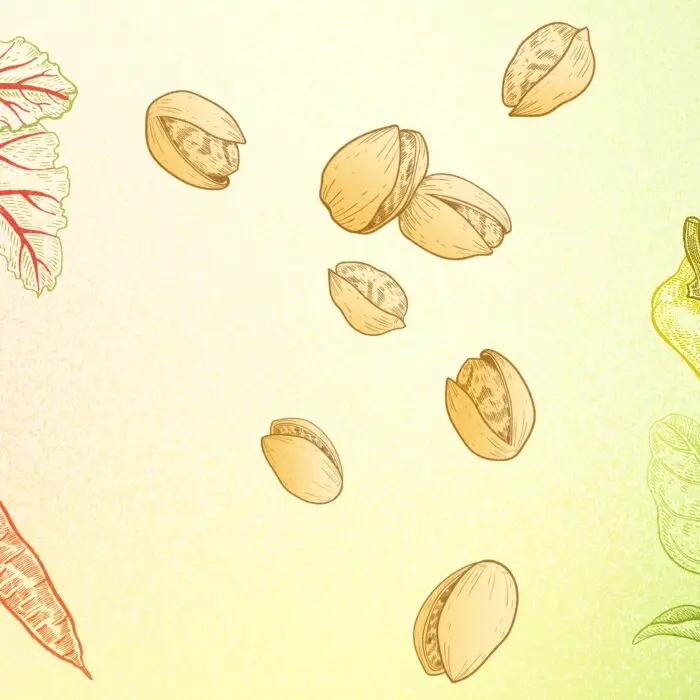
The key to delaying the progression of diseases may lie in the same pigments that give plants their color.

“The idea is to prevent or delay progression,” Elizabeth Johnson, a nutrition and eye health researcher at Tufts University, told The Epoch Times. “Nutrition is an obvious way to try and prevent, and if you have [macular degeneration], to slow that progression down, because you really can’t go back.”
Your Eyes’ Built-In Blue Light Filter
Lutein and zeaxanthin, which are yellow pigments, may serve another useful purpose: they act as the eye’s internal blue-light blockers.
“The color yellow grabs blue light so that light can’t go on to damage the photoreceptors behind that macula, so it’s protection from light damage,” Johnson said.
Antioxidant-rich foods act like chemical sponges, mopping up oxidative stress from blue light exposure, neutralizing threats to cataract formation.
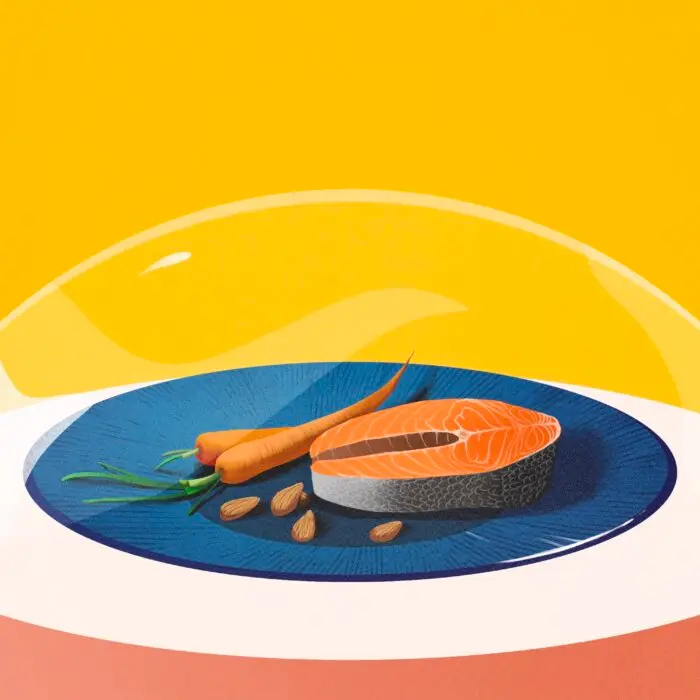
Toby Amidor, a registered dietitian and author of 12 cookbooks, points to a broader cast of dietary players:
Beta-Carotene: Carrots, spinach, cantaloupe, pumpkins
Omega-3 Fats: Fatty fish such as salmon, tuna, walnuts, canola oils, flaxseeds
Vitamin A: Sweet potatoes, carrots, liver
Vitamin C: Citrus fruits, red peppers, strawberries
Vitamin D: Fatty fish, egg yolk
Vitamin E: Almonds, peanut butter, avocados
Zinc: Beef, peanuts, shellfish
“Many of these nutrients are also antioxidants, which can help [neutralize] free radicals that cause cell damage,” Amidor told The Epoch Times in an email. “Further, many also have nutrients that help fight inflammation (like omega-3 fats), and chronic inflammation may increase the risk of these eye-related diseases.”
The Overlooked Link Between Body Weight and Eye Pressure
High intraocular eye pressure, a symptomless change in the eye’s fluid pressure, can lead to glaucoma, the second-leading cause of blindness worldwide.
Behavior makes a significant difference in eye health, Dr. Joseph Allen, optometrist and founder of the Doctor Eye Health YouTube channel, told The Epoch Times.
“People who exercise and eat healthier watch their blood sugars—they’re less likely to have complications ... they have less advanced disease,” he said. “They tend to have almost like a protective role against these various diseases that affect the eye.”
Avoiding added sugar, saturated fat, and high-calorie foods such as cookies, cakes, candy, and chips helps prevent high glucose levels that can lead to blurred and damaged vision. Amidor suggested adding fruit or vegetables to every meal or snack—“focus on improving your diet quality,” she said.
Why Food Works Better Than Supplements
Unless you have a medical condition that makes it hard to digest carotenoids—such as histamine intolerance or certain liver conditions—it’s best to boost nutrients through food rather than supplements.
“Popping supplements doesn’t allow for many of the beneficial components of food to get into your body,” Amidor said. The complexity of food has a synergistic effect on health—an effect that an isolated nutrient doesn’t provide. “Foods contain a multitude of phytonutrients—natural plant compounds—that can aid overall eye health.”
The quantities involved are also more achievable than most people realize, Johnson said. A typical lutein and zeaxanthin supplement may contain six to 12 milligrams, while one ounce of spinach delivers 10 milligrams.
“That’s a lot, and it’s easy to get,” she said. “Other sources that people don’t consider are avocados, eggs, and pistachios.”
“You’re not only helping your eyes—you could be helping your brain,” Johnson said. “And when you think about getting older, what do you worry about? Vision and cognitive function.”