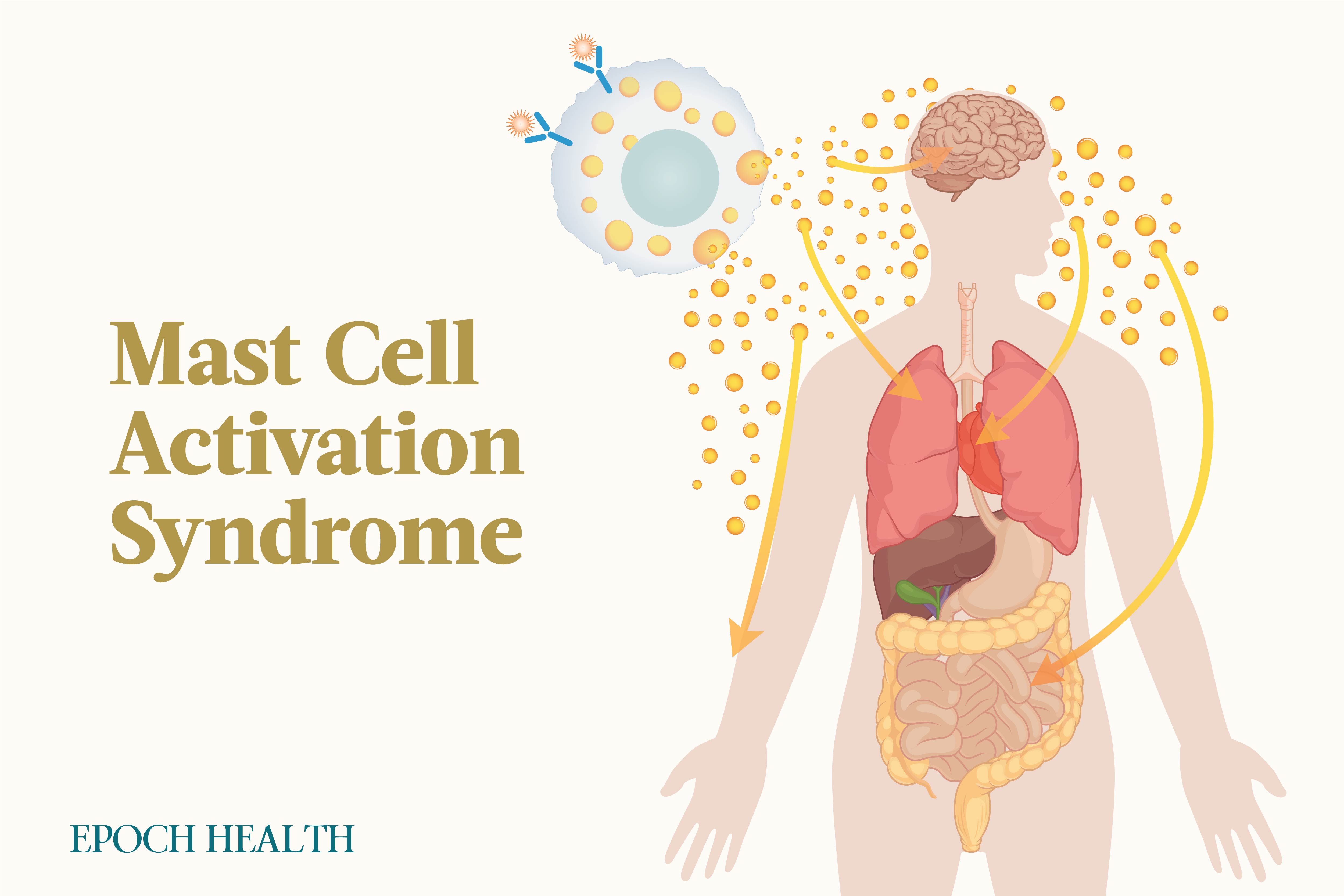

What Are the Types of MCAS?
Systemic Mastocytosis (SM)
In SM, there is an abnormal increase in mast cells within various tissues, diagnosed via a bone marrow sample. SM can be benign or malignant, such as in the rare mast cell leukemia subtype.MCAS
In MCAS, there is an excessive release of mast cell mediators. MCAS has the following different types:- Primary (clonal): In this type, most people have an abnormally high number of mast cells in their skin or body. To diagnose this type, a specific genetic change in mast cells (KIT D816V mutation) and specific proteins on the surface of mast cells are checked.
- Secondary: In this type, mast cell activation is not due to an abnormal number of mast cells but happens in response to a specific trigger or an underlying issue like a food allergy or reaction to a drug or insect sting.
- Mixed: In mixed MCAS, a person shows signs of both primary and secondary MCAS.
- Hereditary alpha tryptasemia (HαT): People with this condition have extra copies of a gene that makes tryptase, an enzyme produced in the mast cells. This results in higher tryptase levels in the blood, even when the body is not having a reaction.
- Idiopathic (non-clonal): In this type, the number of mast cells is normal, but the cells are overly responsive for an unknown reason. It induces allergy-like symptoms, even when there is no underlying allergy.
Using an integrative approach, it’s also essential to consider alternative diagnoses of other medical conditions in the affected systems. For instance, skin-related symptoms should elicit consideration of dermatological conditions, while respiratory symptoms may require evaluation for allergies, asthma, or other respiratory disorders. Gastrointestinal symptoms may be linked to various digestive conditions.
What Are the Symptoms and Signs of MCAS?
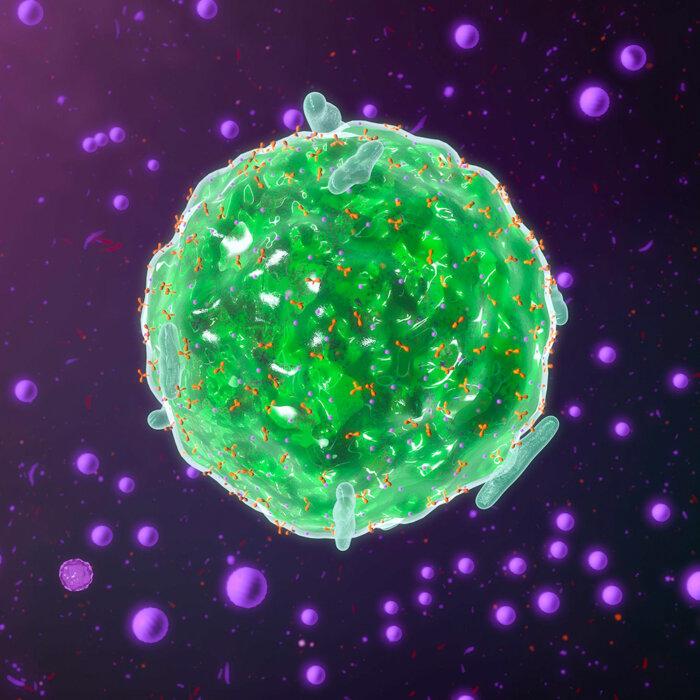
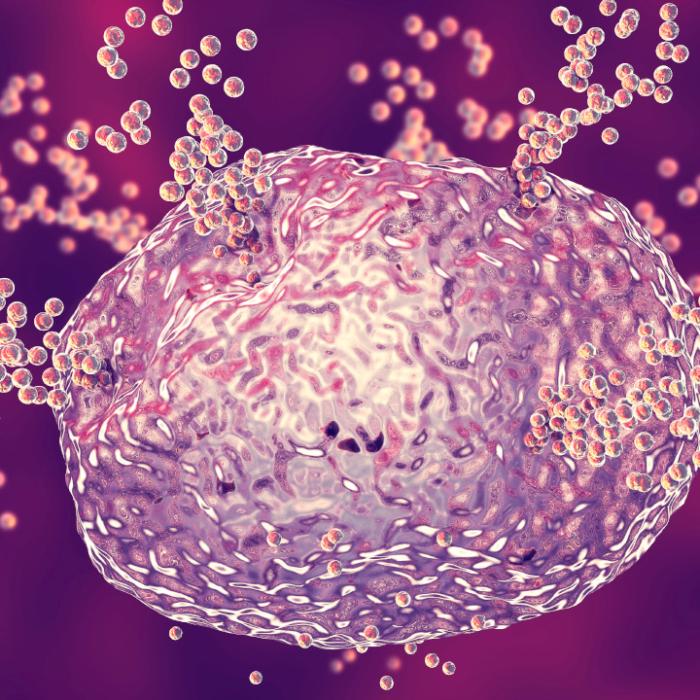
- Skin: redness, itching, hives, swelling.
- Respiratory: shortness of breath, throat swelling, wheezing, airway constriction, anaphylaxis.
- Naso-ocular: stuffy nose, itchy nose, hoarseness, red eyes, increased mucus production.
- Gastrointestinal: nausea, abdominal pain and cramps, diarrhea, excess stomach acid.
- Cardiovascular: low blood pressure, rapid heartbeat, near fainting or fainting.
- General: fever, chills.
- Neuropsychiatric: headache.
Long COVID and MCAS have similar symptoms like chronic fatigue, brain fog, and widespread pain. The SARS-CoV-2 virus that causes COVID-19 activates mast cells, leading to the release of excessive amounts of mediators. This activation is thought to be related to severe COVID cases involving “cytokine storms” and the ongoing inflammation and symptoms in long COVID.
Signs Observed Upon Physical Exam
- Raised marks on the skin when stroked or scratched.
- Tired look.
- Chronically ill look.
- Edema (swelling).
- Obesity.
- Rash.
- High blood pressure.
- Abdominal pain or tenderness.
- Fast heart rate.
- Aching look.
Symptoms
- Fatigue.
- Fibromyalgia-type pain.
- Fainting or near fainting.
- Headache.
- Itching.
- “Pins and needles” sensation.
- Nausea and/or vomiting.
- Chills.
- Swelling that moves.
- Eye irritation.
- Shortness of breath.
- Acid reflux/GERD.
- Cognitive dysfunction/brain fog.
What Causes MCAS?
The causes of MCAS are not as clear-cut as those of most diseases. Unlike diseases, syndromes like MCAS are complex and may not have a single known underlying cause. Syndromes are characterized by a common set of symptoms, but with MCAS, these symptoms vary widely.
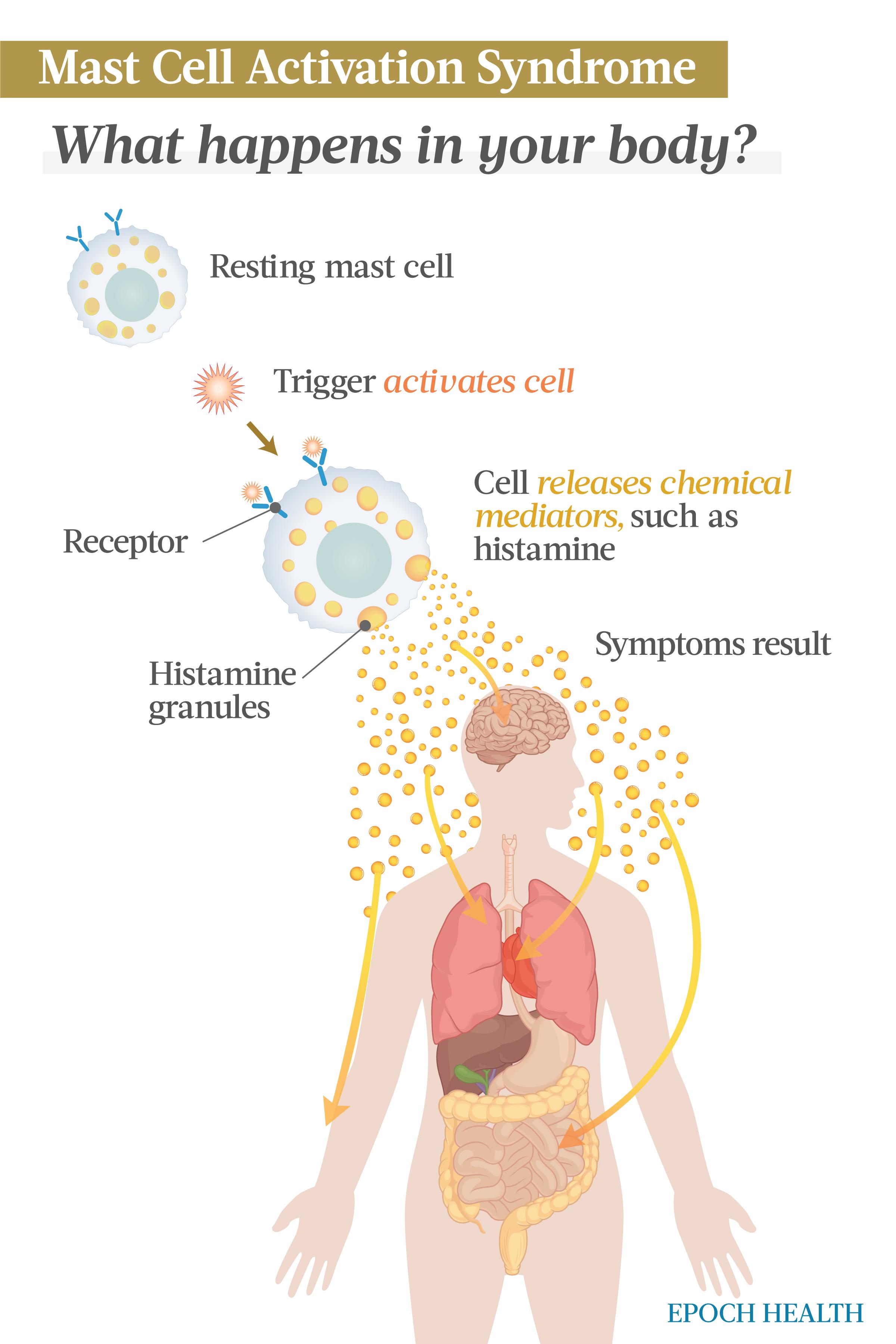
- Blood vessels: Blood vessels dilate, leading to increased blood flow and fluid leakage, contributing to symptoms like hives and swelling.
- Nerve endings: Mediators can stimulate nerve endings, leading to symptoms such as itching and pain.
- Respiratory: They can cause airway constriction and increased mucus production, contributing to symptoms like coughing and wheezing.
- Gastrointestinal: Increased fluid secretion, smooth muscle contraction, and changes in intestinal permeability can contribute to symptoms like diarrhea, cramping, and nausea.
- Cardiovascular: Mediator release can result in low or high blood pressure and a rapid heart rate.
Triggers
Triggers (that which mast cells perceive as a threat) vary among individuals. Common ones include:- Foods and food additives.
- Fragrances.
- Stress.
- Exercise.
- Medications.
- Temperature changes.
- Heat or cold.
- Rubbing or pressure.
- Emotional/mood swings.
- Sleep deprivation.
- Estrogen.
- Mold toxicity and mycotoxins.
- Electromagnetic field (EMF) exposure in cell cultures.
- Alcohol.
- Radiocontrast media/dye.
- Insect bites.
- Infections (especially Lyme disease, Bartonella, and COVID-19).
- Toxicants such as volatile organic compounds (VOCs), pesticides, and herbicides, including glyphosate.
- Chemical or heavy metal exposure.
Who Is at Risk of MCAS?
- Sex: MCAS is more frequently diagnosed in females, with studies reporting as high as 80 percent. This imbalance may be due to female hormones, but it is unclear if it is truly biological or if more women seek care for MCAS symptoms.
- Ethnicity: Research indicates that MCAS diagnosis is more frequent in individuals of European descent. However, this could be because more cases have been reported in this group.
- Age: MCAS can affect people of all ages, with symptoms typically starting between 10 and 18 years of age but not being diagnosed until around 49 years of age.
- Family history: MCAS seems to run in families. A study of people with MCAD, 60 percent of whom had MCAS, found that 74 percent of them had a close family member with the condition. Additionally, 67 percent of the affected family members were female. This indicates a potential genetic link to MCAS, but further research is needed to understand the specific genetic factors involved.
- Comorbidities: Individuals with other mast cell disorders, such as mastocytosis or HαT, may have an increased risk of developing MCAS. This suggests a possible genetic predisposition or shared underlying mechanisms among mast cell-related conditions. However, more research is needed to validate this hypothesis. Additionally, the relationship with other comorbidities is not yet fully understood, and it has been hypothesized that mast cell activation underlies the development of these comorbidities rather than the other way around.
- Exposure to triggers: Exposure to various triggers, as mentioned earlier, can play a role in the development or exacerbation of MCAS.
How Is MCAS Diagnosed?
- Typical clinical symptoms: Patients should have recurring symptoms that involve two or more organ systems.
- Laboratory evidence: An increase in serum tryptase levels or other mast cell mediators is necessary for diagnosis. Serum tryptase is considered the “gold standard“ for demonstrating mast cell activity. An increase of 20 percent + 2 during an episode is required, which means measuring tryptase levels when the patient is not experiencing symptoms and again when they are within four hours.
- Response to treatment: A clear response to medications targeting mast cell-derived mediators, such as antihistamines or mast cell stabilizing agents.
- The Consensus 1 criteria are considered too restrictive, potentially leading to underdiagnosis by reducing the number of considered symptoms.
- Not everyone worldwide has access to recommended laboratory tests.
- The criteria require treating patients before confirming the diagnosis instead of letting the diagnosis guide treatment.
- The 20 percent + 2 formula for serum tryptase lacks validation from large studies, is not suitable for everyone, and should not be the sole laboratory criterion.
- The criteria specify limited treatment options without specifying the number of drugs, dosages, or duration required to establish a therapeutic response.
What Are the Complications of MCAS?
- Anaphylaxis: Severe, life-threatening allergic reactions can occur suddenly and affect the whole body.
- Inability to take medications: Due to heightened sensitivity and unpredictable reactions, people with MCAS may face challenges tolerating certain medications, including anesthetics and contrast dyes used in medical procedures.
- Partial or complete disability: The chronic and unpredictable nature of MCAS symptoms can significantly impact daily functioning, potentially leading to partial or total disability in some cases.
- Reduced quality of life: Excessive mediators can cause a wide range of symptoms, including pain, inflammation, swelling, low blood pressure, and gastrointestinal symptoms that can be debilitating and affect overall quality of life.
- Depression and anxiety: Research indicates that individuals with suspected idiopathic MCAS commonly experience depression and anxiety disorders.
Does MCAS Affect Mental Health?
- Depression.
- Anxiety.
- Imbalance in gut microbes.
- Leaky gut.
- Gut motility issues.
What Are the Treatments for MCAS?
The treatment of different types of MCAS varies based on the underlying cause and the specific symptoms experienced. Additionally, treatment for MCAS is personalized to avoid hypersensitivities and typically involves multiple medications. Some H1 and H2 blockers can be bought without a prescription. In some cases, custom-compounded medications are needed to avoid certain inactive ingredients.
- H1 blockers: These are antihistamines that block histamine’s effects on the body. They are often used to treat allergic reactions. Examples include sedating diphenhydramine (Benadryl) and nonsedating options like cetirizine (Zyrtec), loratadine (Claritin), and fexofenadine (Allegra).
- H2 blockers: These antihistamines work by reducing stomach acid production, which can help with gastrointestinal symptoms. Examples include cimetidine, ranitidine (Zantac), famotidine (Pepcid), and nizatidine.
- Mast cell stabilizers: Stabilizers prevent mast cells from releasing their inflammatory substances. Examples include cromolyn sodium (nasal spray available without a prescription), nedocromil sodium, which requires a prescription, and ketotifen, which may need to be custom-compounded.
- Anti-leukotrienes: These drugs, typically used for asthma, work by reducing the production of a specific inflammatory mediator called leukotriene, helping to open airways. Examples are montelukast and zileuton.
When dealing with sensitivities, it’s advisable to start with one treatment at a time, using low doses and gradually increasing if necessary.
How Does Mindset Affect MCAS?
Fostering a positive mindset can reduce stress and anxiety and support the immune system by reducing the impact of emotional distress.
What Are the Natural Approaches to MCAS?
Natural Supplements
- Quercetin is a flavonoid with anti-inflammatory, antioxidant properties, and mast cell-inhibitory actions. It has been found in human cell culture studies to be more effective than cromolyn in blocking cytokine release.
- Perilla seed extract has been shown to reduce histamine and decrease pro-inflammatory cytokines in animal studies.
- Luteolin is a flavonoid that exhibits anti-inflammatory and antioxidant effects. It may help stabilize mast cells and inhibit the release of histamine and other inflammatory mediators.
- Pycnogenol is reported to have anti-inflammatory and antioxidant properties and the ability to inhibit histamine release as well or better than cromolyn in animal cell studies.
- Stinging nettles (Urtica dioica): In herbal medicine, one animal study showed objective effectiveness with demonstrated effects as an anti-inflammatory and antihistamine.
- Curcumin is found in turmeric and has anti-inflammatory effects and reduced inflammatory mediator release from mast cells in animal models.
- Chinese skullcap (Baicalein) is a flavonoid with anti-inflammatory and antioxidant properties that was shown to inhibit the release of inflammatory mediators in one human cell culture study.
- Diamine oxidase (DAO) is an enzyme that breaks down histamine in the gut. Supplementation with DAO enzymes may reduce histamine-related symptoms.
- Resveratrol: Found in red grapes, it has anti-inflammatory and antioxidant effects. One human cell culture study showed it inhibited mass cell mediator release.
- Probiotics: Certain probiotic strains can modulate the immune response, reduce inflammation, stabilize mast cells, or increase DAO activity. Some are high-histamine, and some are low-histamine. The effects are strain-specific, and the wrong strain could cause problems. Some companies do not disclose their strains. It is best to work with a professional to obtain a quality probiotic of the right strain and avoid inactive ingredients that could be a trigger.
- Isatis tinctoria: Traditionally used in Chinese medicine for its anti-inflammatory properties, this plant reduced the number of mast cells and the release of inflammatory mediators from mast cells in an animal study.
- Fisetin is a flavonoid found in various fruits and vegetables and has been studied for its anti-inflammatory and antioxidant effects. A human cell culture study found it to suppress the activation of mast cells.
- Vitamin D: As previously mentioned, vitamin D is required to stabilize mast cells.
Lifestyle Factors
- Journaling: Keeping a journal to track symptoms and potential triggers can help identify patterns and manage the condition more effectively.
- Diet: Adopting an anti-inflammatory diet, such as a low-histamine or specific carbohydrate diet (SCD), may help reduce symptom severity. Any exclusionary diet can result in malnutrition, including inadequate vitamins and minerals, and should be done under the supervision of a medical or nutrition professional.
- Moderate exercise: Incorporating moderate exercise helps manage stress and supports overall well-being.
- Stress reduction: Mind-body practices like meditation, yoga, acupressure, acupuncture, and limbic system retraining can help alleviate symptoms.
- Restful sleep: Promote adequate sleep by establishing a healthy sleep routine and calming environment.
- Adequate hydration: Drink half your body weight in ounces of water—up to 1 gallon—daily to stay hydrated and support your body’s natural healing processes. For example, if you weigh 120 pounds, drink 60 ounces of water.
How Can I Prevent MCAS?
- Identify and avoid triggers.
- Minimize your toxic load, starting with clean air, water, and food.
- Consider replacing old dental work done with amalgam fillings to avoid mercury and getting regular exams to prevent hidden infections.
- Minimize EMF exposure and time on devices.
- Consider mold/mycotoxin testing for your environment and home.
- Address any underlying chronic infections that can trigger or exacerbate MCAS symptoms.
- Address any unresolved trauma to reduce stress-related health risks.