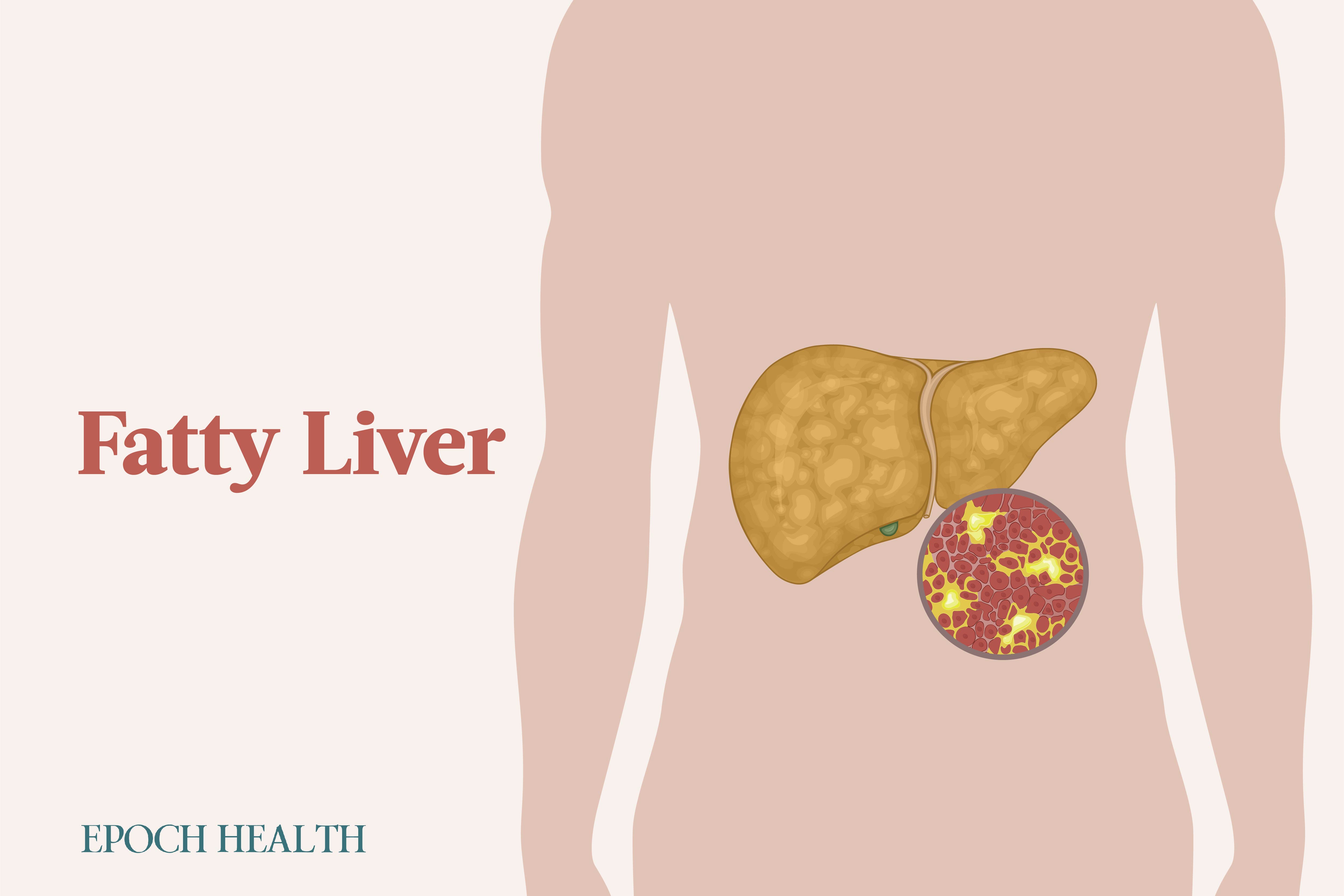

As the largest internal organ, the liver is crucial in processing nutrients, filtering toxins, and producing essential proteins. As it is responsible for fat metabolism, fat accumulation in organs most commonly occurs in the liver. If this fat accumulation exceeds 5 percent of the liver’s weight, the liver is considered a fatty liver, also known as hepatic steatosis.
About one-quarter of Americans have fatty liver, and about 5 percent have fatty liver disease associated with alcohol use. While most cases of fatty liver don’t pose significant issues or disrupt liver function, the condition can make the organ more susceptible to inflammation and scarring, and it can progress over time to cirrhosis, liver cancer, or liver failure.
What Are the Types of Fatty Liver?
There are two primary types of fatty liver disease: nonalcoholic fatty liver disease (NAFLD) and alcoholic fatty liver disease (AFLD).
1. NAFLD
NAFLD is the most common form of fatty liver disease in individuals who do not consume excessive amounts of alcohol. NAFLD is the world’s most prevalent chronic liver condition, affecting 25 percent of the global population. It is also the predominant liver disease among children and has experienced an over twofold increase in prevalence over the past two decades.In June, a group primarily comprising hepatology researchers and clinicians proposed renaming NAFLD, as they found the words “nonalcoholic” and “fatty” stigmatizing. They proposed to change the term to metabolic dysfunction-associated steatotic liver disease (MASLD). The group’s proposal also modified the diagnostic criteria for fatty liver disease. Given their new criteria, a separate study revealed a higher prevalence of MAFLD than NAFLD in the study population, with over 40 percent of the population fitting the diagnosis rather than 31 percent.
2. AFLD
Also known as alcoholic steatohepatitis, this form of fatty liver disease is directly related to excessive alcohol consumption.Acute Fatty Liver in Pregnancy
Another rare form of fatty liver disease is acute fatty liver in pregnancy (AFLP). About 3 percent of expectant mothers experience various liver disorders during pregnancy, some of which can be life-threatening for both the mother and the baby.Acute fatty liver in pregnancy is a life-threatening condition, occurring in 5 in 100,000 pregnancies. It is characterized by acute liver dysfunction, typically occurring after 20 weeks of gestation. Immediate medical attention and intervention are essential due to the serious complications it can pose. In recent years, quicker diagnosis and prompt delivery have reduced maternal mortality of AFLP to 4 percent.
AFLP is unpredictable and unpreventable, with unknown causes. Symptoms may include nausea and vomiting, abdominal pain and swelling, hypertension, jaundice, coagulation problems, and confusion.



What Are the Stages of Fatty Liver?
NAFLD has four stages, while AFLD has three.
NAFLD
Most individuals with NAFLD will typically experience only the initial stage, often without even being aware of it.- Nonalcoholic fatty liver (NAFL): Also known as simple fatty liver or steatosis, NAFL is characterized by fat accumulation in liver cells without significant inflammation and is typically harmless. However, there may be abdominal discomfort or pain due to an enlarged liver. Most individuals with NAFLD typically have the NAFL form.
- Nonalcoholic steatohepatitis (NASH): NASH is a more severe form of NAFLD involving liver inflammation. Among individuals with NAFLD, around 20 percent are diagnosed with NASH, which translates to 5 percent of adults in the United States. NASH can be further classified into two types: primary, associated with obesity and diabetes without excessive alcohol consumption, and secondary, induced by drugs or toxins. NASH can coexist with other liver diseases, such as chronic hepatitis C.
- Fibrosis: Fibrosis results from persistent liver inflammation, forming scar tissue around the liver and nearby blood vessels. Despite this, the liver can continue to function normally.
- Cirrhosis: Cirrhosis is the most advanced stage, occurring after years of inflammation. It causes the liver to contract, develop permanent scarring, and become lumpy and nodular in appearance. This irreversible damage can lead to liver failure and/or liver cancer.
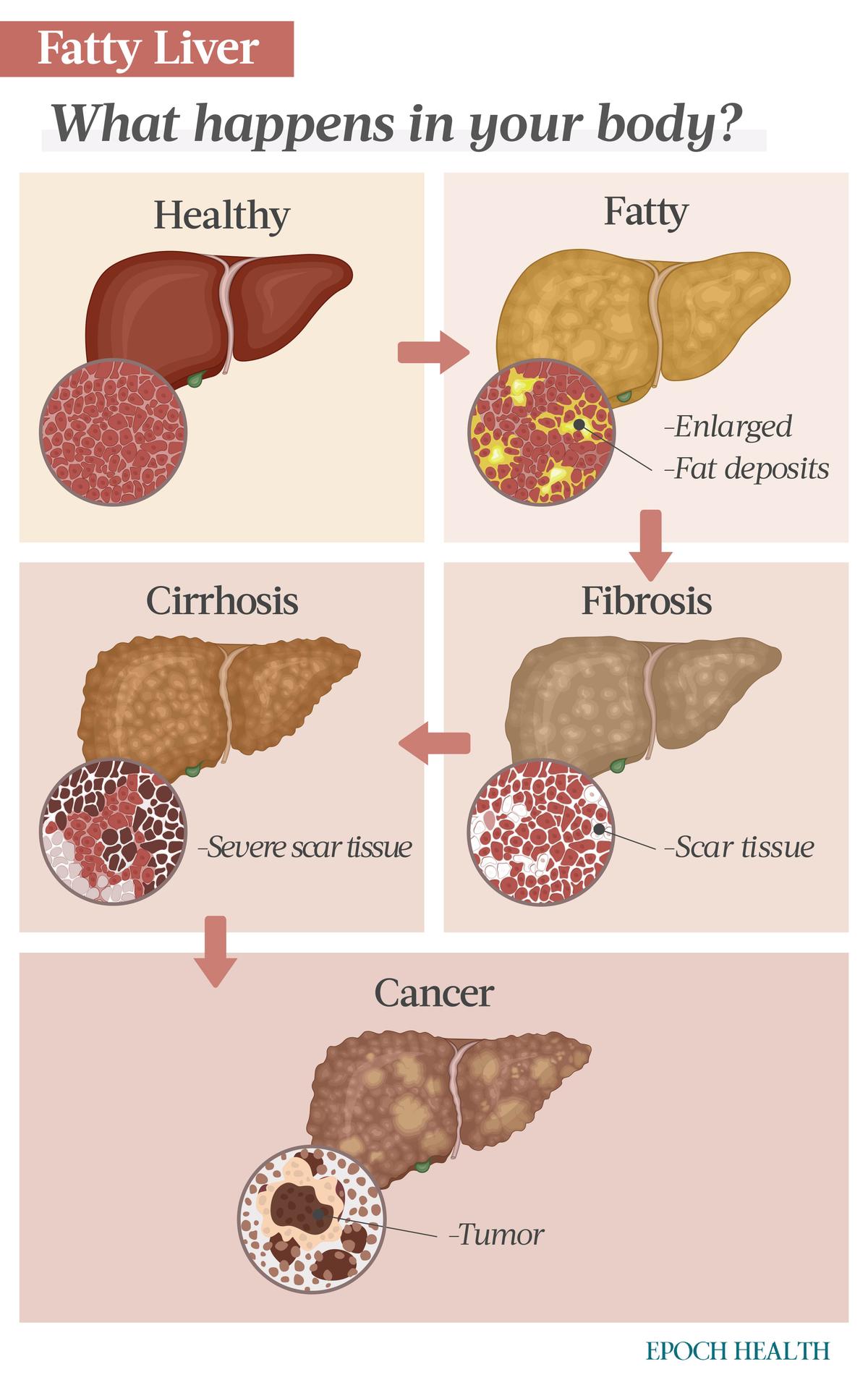
While fatty liver doesn’t require immediate medical attention, inflammation and scarring can occur if it advances. Fibrosis can develop into irreversible cirrhosis, which puts an individual at risk of liver failure and cancer. Illustration by The Epoch Times, Shutterstock
AFLD
- Alcoholic fatty liver or steatosis: During this stage, fat accumulates in the liver tissue, causing the liver to enlarge, potentially leading to discomfort or pain in the upper right abdomen.
- Alcoholic hepatitis: At this stage, liver cell inflammation occurs, and the outcome varies depending on the extent of the damage. Severe cases can progress to liver failure.
- Alcoholic cirrhosis: In this advanced stage, liver cells develop fibrous scar tissues, leading to irreversible liver damage and complications such as portal hypertension (high blood pressure in the portal venous system, slowing blood flow from the digestive system, including the esophagus).
What Are the Symptoms and Early Signs of Fatty Liver?
Known as “silent” liver disease, fatty liver disease is usually either asymptomatic or has minimal symptoms, often being incidentally detected during tests for other diseases or routine checkups, such as blood tests.
Individuals experiencing fatty liver symptoms may:
- Feel fatigued.
- Experience discomfort in the upper right section of their abdomen.
- Notice weight loss.
NASH and Fibrosis
Nonalcoholic steatohepatitis (NASH) and fibrosis (scarring of the liver) symptoms may include:- Weight loss.
- Weakness.
- Extreme tiredness.
- A mild or persistent ache in the upper right abdomen.
Cirrhosis
The more severe symptoms of cirrhosis include:- Spider-like blood vessels on the skin.
- Jaundice.
- Itchy skin.
- Nausea, vomiting, and lack of appetite.
- Fever and episodes of shivering.
- Edema (swelling in the legs, ankles, feet, or abdomen).
Alcoholic Hepatitis
Symptoms of alcoholic hepatitis include:- Tenderness or discomfort in the abdominal area.
- Nausea, vomiting, and poor appetite.
- Jaundice.
- Weight loss.
- Tiredness and weakness.
- Fever.
What Causes Fatty Liver?
Each type of fatty liver has its own causes, listed below.
NAFLD
Researchers are continuing to investigate the causes of NAFLD. Current studies indicate that factors such as underlying health conditions, genetics, diet, and digestive system functioning may increase the risk of developing the condition. The intake of certain medications, including corticosteroids, antidepressant and antipsychotic drugs, and tamoxifen, can result in fatty liver disease, as well.Specifically, living a sedentary lifestyle and consuming a Western diet rich in high-fat foods and refined carbs contribute to NAFLD. In America, these habits have led to rising rates of obesity, diabetes, high triglycerides, and metabolic syndrome. These conditions foster liver inflammation and fat accumulation. Excess calorie intake can overwhelm the liver’s fat processing, leading to fatty liver, especially in those with the aforementioned conditions.
NAFLD can also be caused by liver cell impairment, as the liver is incapable of processing or breaking down accumulated fat, which leads to liver abnormalities. The conditions that can lead to this type of NAFLD include starvation, protein calorie malnutrition, hepatotoxins, and drug-induced liver cell injury.
AFLD
Alcohol abuse can lead to AFLD, as drinking alcohol harms the liver. When the liver breaks down alcohol to have it removed from the body, harmful substances such as acetaldehyde are generated, thus damaging liver cells, causing inflammation, and turning normal liver cells cancerous.Moreover, alcohol reduces antioxidants, leading to oxidative stress and the production of free radicals that can cause liver cell injury and inflammation.
Therefore, alcohol abuse can cause various alcohol-related liver diseases, including fatty liver, alcoholic hepatitis, and cirrhosis.
Who Is at Risk of Fatty Liver?
There are various risk factors for fatty liver disease.
NAFLD
- Age: Risk increases with age. People over 50 are at higher risk.
- Sex: NAFLD is more common in men, while women face a greater risk of advanced fibrosis.
- Race and ethnicity: Regarding NAFLD prevalence, Hispanics come first, followed by non-Hispanic whites, with a lower occurrence in black people.
- Obesity/overweight: Overweight people have a body mass index (BMI) between 25 and 30, while obese individuals’ BMI is over 30. According to research, NAFLD is found in approximately 75 percent of overweight individuals and over 90 percent of those with severe obesity. Carrying excess weight, especially around your waist (i.e., an apple shape), can increase your risk. Specifically, men’s health risks rise with a waist circumference over 40 inches, while women face increased risks with a waist circumference over 35 inches.
- Metabolic syndrome: Also known as insulin resistance syndrome, this is a cluster of conditions that collectively increase the risk of coronary heart disease, diabetes, stroke, and other significant health issues.
- High blood pressure.
- Type 2 diabetes.
- High cholesterol and triglycerides.
- Sudden weight loss and unhealthy eating habits.
- Gastric bypass surgery.
- Intestinal bypass surgery for obesity.
- Digestive tract disorders.
- Underactive thyroid.
- Polycystic ovary syndrome (PCOS).
- Hepatitis C.
- Smoking.
- Starvation and/or malnutrition.
- Rare genetic diseases, including Wilson disease and hypobetalipoproteinemia.
- Calcium channel blockers.
- Certain cancer drugs.
- Corticosteroids.
- Estrogens.
- HIV treatment.
AFLD
- Consumption of alcohol: This is the most common risk factor. The alcohol consumption that can significantly increase the risk for AFLD is in the range of 15 or more drinks per week for men and eight or more drinks per week for women for 10 to 12 years.
- Sex: Compared to men, women face a greater risk of alcoholic hepatitis and cirrhosis, even when consuming the same amount of alcohol.
- Hepatitis C.
Acute Fatty Liver in Pregnancy (AFLP)
- Long-chain 3 hydroxy acyl CoA dehydrogenase deficiency: This metabolic defect is the most important contributing factor to AFLP.
- A history of AFLP in a prior pregnancy.
- Preeclampsia: As a pregnancy-related hypertensive disorder, preeclampsia contributes to 9 percent to 26 percent of maternal deaths in low-income countries and 16 percent in high-income countries.
- HELLP syndrome: Hemolysis, elevated liver enzymes, and low platelets (HELLP) syndrome is a rare yet life-threatening pregnancy condition. It involves blood cell breakdown, liver issues, bleeding, and high blood pressure. It is commonly associated with preeclampsia and eclampsia.
- Multiple pregnancies.
- Carrying a male fetus.
How Is Fatty Liver Diagnosed?
Detecting fatty liver disease can be challenging, as it often exhibits no noticeable symptoms. Fatty liver disease may go undetected and only become apparent through tests conducted for unrelated purposes, such as routine blood tests.
Once the condition is suspected, medical professionals rely on an individual’s medical history, dietary choices, lifestyle, physical examination, and various tests to make an accurate diagnosis. These tests include:
Blood
- Liver function tests: These can be part of a larger blood test panel called a comprehensive metabolic panel (CMP), including liver enzymes.
- Prothrombin time (PT): This is a standard blood test used to assess an individual’s blood clotting ability and assess the effectiveness of the coagulation process. Blood clotting can occur via two pathways, depending on the type of vascular damage. These include the intrinsic pathway, activated by contact with foreign surfaces, and the extrinsic pathway, triggered by tissue factors. PT assesses the integrity of the extrinsic system.
- Blood albumin level test: Albumin, produced by the liver, prevents fluid leakage from blood vessels and transports hormones, vitamins, and enzymes. Insufficient albumin can lead to fluid accumulation in various body parts. Reduced blood albumin levels can indicate liver or kidney disease or another medical issue, while elevated levels may signal dehydration.
Imaging
The following tests are used to detect fat accumulation in the liver and other signs of fatty liver disease:- CT scan
- MRI scan
- Ultrasound: This is used to confirm a NAFLD diagnosis.
- Magnetic resonance elastography (MRE): This technique shows promise in evaluating hepatic fibrosis.
- Controlled attenuation parameter (CAP): This new ultrasound method measures fat in the liver while also checking liver stiffness using a technique called transient elastography (TE), also known as Fabroscan. Increased liver stiffness may indicate the presence of fibrosis. CAP and TE are expected to be widely used in the coming years.
Other
- Quantitative insulin sensitivity check index: This is a simple but accurate method for assessing insulin sensitivity.
- Insulin resistance test
- Liver biopsy: A liver biopsy is an invasive procedure where a tiny sample of liver tissue is collected by inserting a needle into the liver and then examined for signs of disease. It is required to confirm NASH diagnosis, and it’s the most reliable method for diagnosing chronic hepatitis and fibrosis. However, most NAFLD patients can be diagnosed and staged without such invasive procedures, so biopsies are reserved for cases with diagnostic uncertainty or unclear staging from noninvasive methods.
What Are the Complications of Fatty Liver?
Different types of fatty liver disease have different complications.
NAFLD
- Development from NASH to cirrhosis: This is a major complication.
- Hepatocellular carcinoma (HCC): This condition accounts for over 90 percent of the primary tumors of the liver, and it is a primary cause of cancer-related death worldwide.
- Cardiovascular diseases: These include coronary artery disease, high blood pressure, stroke, heart failure, and various others.
- End-stage liver disease: End-stage liver disease refers to the advanced and irreversible damage to the liver, as in the case of advanced liver disease, liver failure, and decompensated cirrhosis.
- Liver cancer.
AFLD
AFLD complications include:- Ascites: Ascites is a condition where an abnormal amount of fluid gathers in the abdomen, often seen in liver failure due to high blood pressure in the liver. It’s a key sign of portal hypertension.
- Spontaneous bacterial peritonitis: This is an acute infection of ascites.
- Variceal hemorrhage: Esophageal varices are enlarged veins in the lower part of the esophagus induced due to high blood pressure in the liver’s blood vessels. This often occurs as a result of cirrhosis. If these veins burst, variceal bleeding can become a severe and potentially deadly complication of cirrhosis.
- Hepatopulmonary syndrome: Widened blood vessels in the lungs cause low oxygen levels, which coincide with liver disease or high blood pressure in the liver.
- Hepatic hydrothorax: Fluid accumulates in the chest cavity due to liver disease or liver-related issues.
- Hepatorenal syndrome: Hepatorenal syndrome is a severe complication that can occur in advanced cirrhosis. It involves the activation of blood vessel constriction systems and severe narrowing of blood vessels in the kidneys, ultimately resulting in reduced kidney function.
- Hepatic encephalopathy: This reversible condition can cause confusion in individuals with advanced liver diseases. It involves a range of neurological and psychiatric symptoms caused by the buildup of harmful substances in the brain.
- Liver cancer: Hepatocellular carcinoma and intrahepatic cholangiocarcinoma can develop from AFLD.
- Portal vein thrombosis (PVT): PVT takes place when a blood clot narrows or blocks the portal vein. It is a frequently occurring complication in individuals with cirrhosis.
- Cirrhotic cardiomyopathy: This is a heart condition found in individuals with cirrhosis, regardless of its cause. It involves reduced heart function during physical exertion and issues with heart muscle relaxation.
AFLP
- Pulmonary edema: Pulmonary edema is when an unusual fluid buildup occurs in the lung tissue.
- Liver failure.
- Disseminated intravascular coagulation (DIC): This rare yet severe condition leads to abnormal blood clotting throughout the body.
- Death.
What Are the Treatments for Fatty Liver?
The treatment for fatty liver disease depends upon its type or stage.
1. NAFL
No medications have received approval for NAFL treatment. Health professionals aim to address the risk factors of NAFL and any associated health conditions, including elevated blood lipid levels and Type 2 diabetes.In most cases, NAFL, the precursor to disease, won’t progress into serious conditions and can be reversed. In general, doctors recommend weight loss to manage NAFL. Losing weight can reduce liver fat, inflammation, and scarring. If an individual is overweight or obese, shedding pounds through a balanced diet, healthy lifestyle, and physical activity can help improve both NAFL and NASH. Losing only 3 percent to 5 percent of body weight can reduce liver fat, and a 7 percent to 10 percent weight loss may significantly reduce liver inflammation and fibrosis. However, losing weight gradually is essential, as rapid weight loss and malnutrition can worsen any liver disease.
Lifestyle changes that can potentially reverse NAFL include:
- Achieving and maintaining a healthy weight: An ideal BMI is between 18.5 and 24.9.
- Following a balanced diet: A healthy diet prioritizes fruits, vegetables, lean protein, and carbohydrates while minimizing fat, sugar, and salt intake, particularly prevalent in processed foods. Smaller food portions can also be beneficial.
- Staying physically active: One should engage in at least 150 minutes of moderate-intensity exercise per week, such as walking or cycling. Any form of exercise can benefit NAFL, regardless of weight loss.
- Avoiding smoking: Avoiding smoking can lower the risk of health issues such as heart attacks and strokes.
- Getting enough sleep: Inadequate sleep can impact the body’s metabolism, potentially leading to disruptions such as insulin resistance. Ensuring that adults get seven to nine hours of sleep each night is vital for maintaining good health.
- Avoiding or restricting the use of drugs that cause liver damage: Over 1,000 types of drugs can cause liver damage. These include antibiotics, nonsteroidal anti-inflammatory drugs (NSAIDs), and acetaminophen.
2. NASH
NASH treatment options include:- Lifestyle changes: The above lifestyle changes can also be implemented to manage and reverse NASH.
- Vitamin E: Patients diagnosed with NASH through a liver biopsy who do not have other complicating factors such as diabetes, significant heart disease, or cirrhosis may be recommended to initiate a treatment regimen involving vitamin E under the close supervision of a health care provider. This recommendation stems from the potential benefits of vitamin E in alleviating liver inflammation, a key aspect of NASH management.
- Pioglitazone treatment: Pioglitazone, a diabetes medication, can improve liver health and insulin sensitivity while reducing blood glucose levels and liver markers. It’s also effective for NASH in patients with prediabetes or Type 2 diabetes combined with NAFLD. However, it may increase the risk of side effects such as low blood sugar, leg swelling, chest or stomach discomfort, and joint pain.
- Bariatric (weight-loss) surgery: Bariatric surgery to treat obesity can also improve a patient’s liver condition. However, regular close monitoring of liver function after the surgery is necessary due to occasional liver complications due to changes in nutrition.
- Liver transplant: Liver transplant is a treatment option for advanced stages of NASH, and it is life-saving to individuals with end-stage liver disease (ESLD) caused by NASH. A transplant is often the only way to restore normal liver function and save the patient’s life. Following a liver transplant, the chances of NASH recurring are minimal. Overall, NASH is one of the leading causes of liver transplantation in the United States.
- Experimental treatments: Several potentially effective medications that focus on reducing fibrosis and addressing other aspects of NASH’s development are undergoing clinical trials at different stages.
3. Fibrosis
There is currently no established standard treatment for liver fibrosis. As of now, available treatments for liver fibrosis are primarily focused on preventing the factors that initially cause liver inflammation, hepatocyte cell death, and oxidative stress, such as:- Antiviral medications for hepatitis: These drugs work by inhibiting hepatitis viral infections, which can reduce liver inflammation and hepatocyte cell death, ultimately decreasing liver injury and suppressing liver fibrosis.
- Vitamins: Research has demonstrated that lower serum levels of vitamin C are linked to liver fibrosis in men and overweight or obese American adults with NAFLD. Likewise, low vitamin D levels were also associated with NAFLD and severe fibrosis.
- Liver transplant: Severe liver fibrosis can lead to cirrhosis, liver failure, and portal hypertension, often necessitating a liver transplant.
4. Cirrhosis
There are no specific treatments to cure cirrhosis (whether alcohol-related or not) and reverse liver damage. However, addressing the underlying causes and managing complications can slow the progression and prevent liver failure. Individuals with early cirrhosis may undergo bariatric surgery to treat obesity, which results in improved liver condition. A liver transplant may be a necessary treatment for cirrhosis and end-stage liver disease.5. AFLD
For individuals with AFLD, abstaining from alcohol consumption may halt the progression of liver damage at any stage, reduce inflammation, or even reverse it.Health care professionals may recommend nutrition therapy for people with alcoholic fatty liver. Malnutrition and obesity are common issues in alcoholic patients and can significantly affect the development and progression of AFLD.
Patients with alcoholic hepatitis who cannot meet their nutritional requirements through a regular diet should receive dietary supplementation. Additionally, the following treatments may be advised:
- Corticosteroids: Corticosteroids are the primary treatment for severe alcoholic hepatitis in patients who meet specific criteria, though results are mixed. They work by altering cytokine balance and reducing pro-inflammatory cytokines while increasing anti-inflammatory cytokines. Experts often recommend prednisolone, a corticosteroid used for its anti-inflammatory and immunosuppressive properties. Recent data indicate that prednisolone improves survival by one month.
- Pentoxifylline: In some cases, pentoxifylline, a drug that improves blood flow, may be preferred to prednisolone.
- Liver transplant: This can also be used to treat severe alcoholic hepatitis.
How Does Mindset Affect Fatty Liver?
While no hard evidence indicates one’s mindset can influence the development of fatty liver disease or its reversal, research shows a link between NAFLD and personality or mood disorders.
A new study published in BMC Gastroenterology examined 96 subjects divided into three groups: NAFLD patients, non-NAFLD liver disease patients, and healthy controls. NAFLD patients had higher scores of uncontrolled eating and higher rates of personality disorders. Researchers theorized that the association between NAFLD and personality disorders, such as borderline personality disorder, may be mediated by impulsivity. They recommended that NAFLD patients be screened for personality disorders.
A retrospective cross-sectional study found an association between depression and anxiety and NAFLD patients after studying over 25,000 participants. Women with NAFLD were more likely to suffer from depression the worse their fatty liver was, and later-stage liver disease was significantly associated with anxiety in women. The associations were not reported in men. Researchers believed increased inflammation markers in people with mood disorders may explain this association.
What Are the Natural Approaches to Fatty Liver?
Several types of natural products may be used alongside dietary and conventional treatments to maximize health benefits. Always consult a health care professional before starting any supplements.
1. Herbal Medicines
Currently, compounds such as the polysaccharide portion of wolfberry, garlic, milk thistle, and green tea derivatives show the most potential in addressing various pathological aspects of NAFLD development.Wolfberry
Wolfberry, also known as goji berry, derived from the Lycium barbarum plant, is a well-known remedy in traditional Chinese medicine (TCM), celebrated for its beneficial effects on the liver. The polysaccharide component of wolfberry offers a broad spectrum of health benefits, including antioxidative properties, immune system regulation, neuroprotection, glucose metabolism control, and anti-tumor properties. In addition, animal research has demonstrated that wolfberry polysaccharides protect against oxidative stress-related liver damage caused by a high-fat diet, improving liver health, inflammation, and fibrosis.Garlic
In a rat model, raw garlic homogenate supplementation improved insulin resistance, oxidative stress, and lipid metabolism. Also, aged black garlic was found to reduce hepatic oxidative stress by enhancing antioxidant enzymes. Furthermore, S-allylmercaptocysteine (SAMC) derived from aged garlic enhanced liver regeneration after acute injury and alleviated NAFLD characteristics, including steatosis, fibrosis, oxidative stress, and inflammation.Ginseng
An ancient medicinal herb from the Orient, ginseng has a history of treating various diseases, including liver disorders. Over 40 ginsenosides, compounds believed to offer ginseng’s health benefits, have been isolated from ginseng. Ginseng extracts and these individual ginsenosides have demonstrated their potential to regulate liver functions and treat liver disorders, including conditions such as hepatotoxicity, hepatitis, hepatic fibrosis, cirrhosis, and hepatocellular carcinoma, through various pathways and mechanisms.Green Tea
Green tea is well-documented for its preventive and therapeutic effects on liver diseases. For instance, in obese mice, green tea extract reduced NASH-related issues such as lipid accumulation, oxidative stress, inflammation, and nitrative stress. Research also found that epigallocatechin-3-gallate (EGCG), the major polyphenol of green tea, decreased liver injury severity in an NAFLD experimental model.However, there has been conflicting evidence that certain green tea products, especially green tea extracts in pill form, have been linked to actually causing liver damage in some people. If you are taking any form of green tea extract and experience dark urine, jaundice, or abdominal pain, discontinue use and consult your physician.
Bhumi Amla
Bhumi amla, also known as Phyllanthus niruri, an ancient Indian herb, is increasingly recognized as a natural dietary option for alleviating fatty liver.In one study, the anti-NAFLD effects of different extracts from Bhumi amla were examined in male rats with NAFLD induced by a high-fat diet. A significant effect on decreasing NAFLD progression was noted. This included reducing the liver’s fatty weight and improving liver function studies. These findings suggest that Bhumi amla could be explored further as a natural hepatoprotective agent against NAFLD and atherosclerosis.
Milk Thistle
Silybin and silymarin, derived from the milk thistle plant, offer various benefits to liver cells, including antioxidant effects, inflammation and fibrosis regulation, and metabolic pathway modulation. Animal research showed that a crude Silybum marianum extract had diminished cell death and anti-inflammatory effects in treating fatty liver disease.2. Dietary Considerations
According to dietitians, patients with NAFLD should consume three cups of coffee daily, incorporate 4 tablespoons of olive oil into their diet, and adhere to a Mediterranean eating plan that prioritizes plant-based foods and healthy fats to reverse their fatty liver disease.As per one meta-analysis, drinking coffee regularly is linked to a lower risk of NAFLD and can also reduce the risk of liver fibrosis in those with NAFLD. However, more research is needed to confirm these findings.
3. Omega-3 Fatty Acids
Studies have shown that people with NAFLD and NASH tend to have more saturated and monounsaturated fats in their livers but lower levels of polyunsaturated fats. This shift in the type and amount of fat in the liver can lead to liver damage, inflammation, oxidative stress, and fibrosis. Clinical trials and meta-analyses have shown that adding omega-3 fatty acids, which contain docosahexaenoic acid (DHA) and eicosapentaenoic acid (EPA), to the diet can safely and effectively reduce liver fat in people with NAFLD. DHA and EPA are found in food sources such as oily fish (salmon, tuna, mackerel) and some eggs.How Can I Prevent Fatty Liver?
To prevent fatty liver disease, it’s essential to prioritize actions that promote overall well-being, such as:
- Shedding 5 percent to 10 percent of your overall body weight if you are overweight or obese.
- Staying physically active regularly.
- Adhering to a healthy diet with restricted salt, sugar, and saturated fats while boosting consumption of protein, whole grains, fruits, and vegetables.
- Managing underlying conditions, including hypertension, diabetes, and high cholesterol, with prescribed medications.
- Abstaining from or restricting alcohol consumption.
- Drinking water instead of sugary drinks.
- Avoiding smoking.