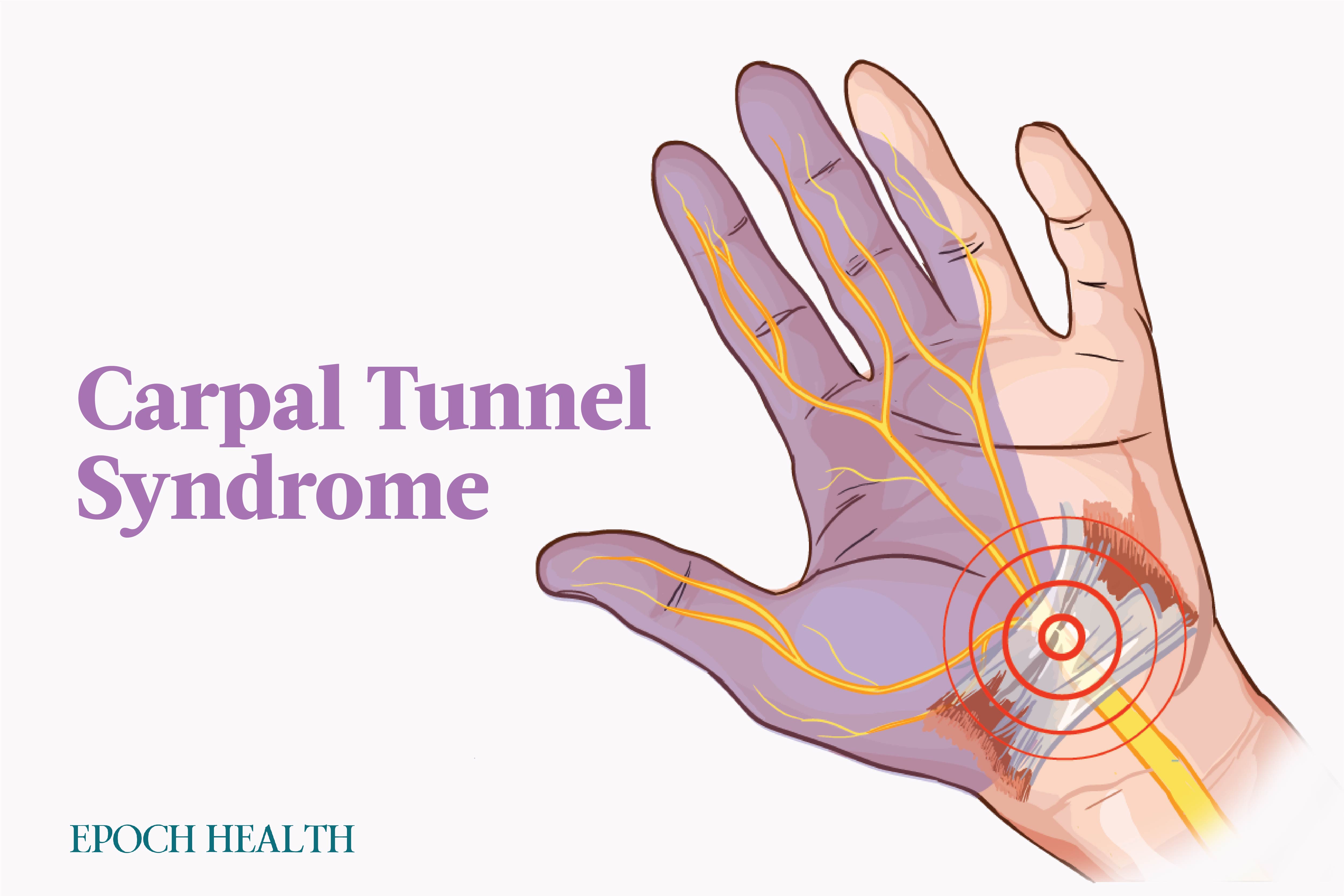

Carpal tunnel syndrome (CTS) occurs when the median nerve becomes tightly compressed at the underside of the wrist between the wrist bones, tendons, and the overlying transverse carpal ligament. This compression causes numbness, tingling, or pain in the hand and wrist. The median nerve originates in the upper arm and then extends to the forearm, palm, and portions of the fingers.
The prevalence of CTS in the United States ranges from 1 percent to 5 percent of the population. It is the most commonly diagnosed disabling condition of the upper limbs and the most prevalent type of nerve problem in the arms, accounting for around 90 percent of such cases. It most often occurs among people between 45 and 65.
In an observational study, symptoms resolved within six months, especially in younger individuals. Remission rates were also higher for women.
What Are the Types of Carpal Tunnel Syndrome?
There aren’t actual types of CTS. However, CTS is sometimes classified by how it originated. For instance, most CTS cases are idiopathic, meaning they have no known cause, while others are secondary, meaning they were caused by something like an injury or orthopedic disease. Other types may include acute versus chronic CTS or unilateral versus bilateral (meaning it affects either one hand or both).
Approximately 70 percent of CTS cases exhibit bilateral involvement, depending on the nature of the individual’s work. A less favorable outlook is often associated with bilateral symptoms. In addition, symptom severity does not consistently align with the degree of nerve compression.
What Are the Symptoms and Early Signs of Carpal Tunnel Syndrome?
The median nerve in the carpal tunnel provides sensation to the thumb, index, middle finger, and half of the ring finger. It also helps the hand, wrist, and forearm move.


CTS symptoms usually start gradually, with frequent numbness or tingling in the fingers, especially the thumb, index, and middle fingers. Symptoms often first appear in one or both hands during the night, with the dominant hand usually affected first and experiencing the more severe symptoms.
Early Symptoms
Symptoms experienced during the initial phases of CTS may include the following:- Wrist, hand, and/or forearm pain.
- The sensation of numbness or weakness in hands/wrists.
- Numbness, tingling, burning, or pain in at least two fingers to which the median nerve supplies sensation.
- Tightness or swelling in fingers/wrists/hands.
- Spread of finger numbness to the palm.
- Challenges in making a fist or pinching fingers together.
Symptom Progression
As CTS progresses, symptoms increase in frequency and duration. They may include the following:- Regular numbness, tingling, or burning in the fingers.
- Persistent pain and aching in the affected hand/wrist/forearm. The pain may even extend from the forearm to the rest of the arm and the shoulder.
- Hand weakness.
- Awkwardness and difficulty handling small items or opening jars.
- The sensation of swollen fingers with a tight-wristband feeling.
- Nighttime tingling, pain, or numbness that disrupts sleep.
- Occasional electric-shock sensations in the wrist/hand/arm during specific movements.
- Decreased grip strength, making it challenging to hold objects for an extended period.
- Loss of coordination in the hand.
- Inability to distinguish hot from cold (severe CTS) with the affected fingers.
What Causes Carpal Tunnel Syndrome?
The carpal tunnel, a narrow passageway in the wrist, is formed by carpal bones on the floor and sides and a sturdy band called the transverse carpal ligament on the roof. Due to its rigid boundaries, the carpal tunnel has a limited capacity to stretch. The median nerve passes through the carpal tunnel at the wrist. It then separates into smaller nerves, providing sensation to all but the outer ring and pinky fingers.
The median nerve also controls muscles at the base of the thumb. Accompanying the nerve are nine flexor tendons responsible for bending the fingers and thumb, all passing through the carpal tunnel.
The exact process leading to CTS and changes in nerve conduction through the wrist are currently not fully understood. Generally, CTS develops when tissues around the median nerve swell, exerting pressure on the nerve. Initially, this process is reversible, but the nerve’s insulation may wear away over time, leading to permanent nerve damage.

Carpel tunnel syndrome is caused by compression of the median nerve, but the compression can be caused by multiple things, including repetitive motions, disease, fractures, and anatomy. Illustrations by The Epoch Times, Shutterstock
CTS can manifest in several different ways, sometimes in combination, including the following:
- Swelling of the tenosynovium: The tenosynovium, the protective lining of tendons within the carpal tunnel, may swell due to an accumulation of synovial fluid, typically responsible for tendon lubrication.
- Thickening of the transverse ligament: The transverse ligament is a fibrous tissue band shielding the median nerve, and it can thicken and broaden, impinging on the nerve instead of safeguarding it. This thickened ligament and swollen tendons can compress median nerve fibers, reducing blood flow and oxygen supply, thereby slowing nerve signal transmission through the carpal tunnel.
- Swelling and enlargement of the median nerve and/or tendons.
Who Is at Risk of Carpal Tunnel Syndrome?
The following factors make one more likely to develop CTS:
- Female: CTS is three times more common among women. This may be due to the smaller size of a woman’s carpal tunnel, hormonal changes during pregnancy and menopause, or their higher risk of developing autoimmune disorders, also strongly associated with CTS.
- Pregnancy: CTS affects 20 percent to 45 percent of pregnant mothers. This is because, in pregnancy, blood volume increases by about 45 percent, leading to increased pressure and swelling (i.e., edema) in blood vessels throughout the body. Edema compresses the median nerve, causing CTS symptoms. Although these symptoms sometimes disappear after giving birth, some women still experience them one year after delivery.
- Age: CTS is rare in children and usually presents in adults aged 40 to 60.
- Genetics: Having a close family member (e.g., a parent or sibling) who has experienced CTS also increases the risk.
- Specific jobs: Working using repetitive motions or vibrating tools, awkward hand positions, or strong gripping can increase the risk of CTS. For instance, CTS prevalence among fish processing workers has been reported to be 73 percent. Other high-risk occupations include assembly line workers, violinists, visual artists, and carpenters.
- Obesity: Obese individuals have twice the risk of developing CTS, and being overweight raises the risk of CTS by 1.5 times. Increased body mass seems to slow the transmission speed of nerve signals to the hand.
- Medical conditions: These include diabetes, thyroid disease, arthritis, gout, and autoimmune diseases. Also, after mastectomy due to breast cancer, some women may experience lymphedema, an accumulation of fluids that exceeds the lymph system’s drainage capacity, leading to pain, arm swelling, and potentially CTS.
- Wrist injury: Individuals with CTS secondary to a wrist fracture often experience a less favorable prognosis compared to those with idiopathic CTS.
- A space-occupying lesion in the carpal tunnel: A lesion within the carpal tunnel could be a tumor, cyst, thickened synovial tissue, or bone spur.
- Smoking: Smoking decreases nourishing blood flow by narrowing the arteries and encouraging plaque buildup. In addition, the carbon monoxide component of smoke further lowers the oxygen delivered, contributing to more severe CTS symptoms and delayed recovery in smokers compared to nonsmokers.
- Excessive alcohol consumption: Those who abuse alcohol tend to be more at risk. This is thought to be due to the direct toxicity of alcohol on the nerve.
- Sleeping with a bent wrist: This habit can be altered.
- Anatomy: Having a small carpal tunnel can raise a person’s risk.
- Vitamin D deficiency: Vitamin D deficiency is linked to CTS symptoms. One study found supplementing vitamin D to the proper levels could improve these symptoms.
- Medications: Some medications may temporarily increase the risk of CTS, including those impacting the immune system (e.g., interleukin-2) and anticoagulant drugs (e.g., warfarin).
- Cold exposure: Cold exposure, an often overlooked occupational hazard, may increase the risk of peripheral nerve entrapment. In one study, self-reported occupational exposure to contact and ambient cooling was associated with symptoms suggestive of CTS.
How Is Carpal Tunnel Syndrome Diagnosed?
Early diagnosis and treatment of CTS are crucial to prevent permanent damage to the median nerve. However, diagnosing CTS is challenging, as only a small fraction of patients display all three factors essential for a precise diagnosis: classic CTS symptoms, specific physical findings, and abnormal electrodiagnostic test results.
A doctor typically diagnoses CTS through medical history inquiry, physical examination, and nerve conduction studies.
Evaluation
The doctor inquires about the patient’s overall health, medical history, family CTS history, and symptoms. The doctor typically first considers differential diagnosis to rule out all conditions potentially causing median nerve dysfunction. The diagnostic tools used may include questionnaires and a diagram of the hand and wrist, usually divided into six regions, to assess the location of pain/numbness and identify the most severe areas.Physical Examination
The doctor thoroughly examines the patient’s hand and wrist, performing various physical tests. These may include provocation tests checking for weakness in thumb muscles and looking for hand muscle atrophy.The flick sign involves asking the patient about their hand movements during symptom exacerbation. Patients often demonstrate a flicking motion of the wrist and hand, resembling the action of shaking down a thermometer.
Provocation tests include the following:
- Phalen’s test: This involves the patient resting elbows on a table, letting wrists dangle with fingers pointing down. Symptoms developing within a minute suggest CTS and prolonged duration may induce symptoms in non-CTS patients. This test is crucial for assessing CTS severity and treatment outcomes.
- Tinel’s sign test: This is a test where the doctor taps the median nerve, eliciting tingling or a mild shock sensation.
- Durkan’s test: Also known as the carpal compression test or pressure provocation test, this test entails the doctor pressing over the carpal tunnel for 30 seconds to induce tingling or shock in the median nerve.
- The tourniquet test: This test uses an inflatable cuff to apply pressure to the median nerve, producing tingling or shock sensations.
- Hand elevation test: In this test, the patient raises their hand overhead for two minutes to induce CTS symptoms.
Other Tests
Electrodiagnostic tests assess nerve and muscle electric waves and are the best confirmation methods for CTS diagnosis. The doctor uses them to measure the median nerve function, assess excessive pressure, determine CTS severity, and identify any additional nerve-related medical conditions. These tests may include the following:- Nerve conduction studies (NCS): Surface electrodes are attached to the hand and wrist, and small electric signals stimulate the nerves. NCSs measure signals in hand and arm nerves, detecting ineffective signal conduction. They aid in assessing the severity of the issue and guiding treatment.
- Electromyogram (EMG): A wire electrode is briefly inserted into a muscle, displaying the resulting electrical activity on a screen. EMG measures muscle electrical activity, revealing nerve or muscle damage. Some experts suggest limiting its use because EMG is less accurate than NCS.
What Are the Complications of Carpal Tunnel Syndrome?
With proper treatment, CTS typically leads to no complications. However, if not treated appropriately, it can result in the following:
- Muscle atrophy, especially at the base of the thumb.
- Permanent median nerve damage.
- Permanent nerve impairment and disability.
- Reduced hand dexterity due to muscle weakness and/or atrophy.
- Complex regional pain syndrome, potentially the result of chronic wrist and hand pain.
- Permanent weakness, numbness, and tingling.
- Loss of some wrist strength.
What Are the Treatments for Carpal Tunnel Syndrome?
The primary goal of CTS treatments is to minimize or eliminate repetitive injuries to the median nerve. Initiating treatment for CTS in its early stages is more effective, so it’s essential to begin interventions as soon as the condition is diagnosed.
Your doctor determines the most suitable treatment options based on your age, overall health, medical history, current wrist condition, tolerance to medications or procedures, the presence of underlying conditions, the expected progression of the condition, and your preferences.
Nonsurgical Treatments
Conservative treatments are the first steps taken in treating CTS. They are frequently prescribed for a trial period of three months to assess their effectiveness. For mild or potentially temporary symptoms, treatment options include the following:- Avoiding/limiting symptom-inducing activities: To manage symptoms, consider avoiding or limiting daytime activities that trigger discomfort and take frequent breaks to rest the hand. This often involves reducing repetitive hand activities.
- Ergonomic corrections: Ergonomic corrections for treating CTS may include optimizing workplace setups, adjusting hand positions, rearranging the position of the computer keyboard, and maintaining proper posture to reduce strain on the wrists and hands.
- Cold packs: In case of redness, warmth, or swelling, applying cold packs can provide relief.
- Exercises: Engaging in specific exercises, such as hand exercises and nerve gliding exercises, under the guidance of a therapist, whether physical or occupational.
- Pain medication: You can take nonsteroidal anti-inflammatory drugs (NSAIDs), which include aspirin, ibuprofen, and other nonprescription pain relievers to relieve pain and inflammation. People who cannot tolerate NSAIDs can possibly take acetaminophen, which is not anti-inflammatory.
- Corticosteroid injections: Corticosteroids, also known as steroids and glucocorticoids, are anti-inflammatory medications that can be injected into the carpal tunnel to reduce swelling and alleviate pressure on the median nerve. While they provide short-term relief for most CTS patients, symptoms may return within a year in around 50 percent of cases. Repeated injections may not offer additional benefits, and there is a concern that nerve damage could occur even as symptoms improve.
- Oral steroids: One to two weeks of low-dose oral corticosteroid intake may temporarily relieve CTS symptoms for some individuals, although the relief is typically not long-lasting. Prolonged use of these medications can lead to serious side effects.
- Wrist splints: Disabling wrist movement with a splint (aka wrist brace) to alleviate nerve pressure may offer relief. Wrist splints, primarily worn at night, help keep a neutral wrist position and are a preferred initial treatment. This prevents you from sleeping on your wrist or bending it during sleep. While using a prescribed splint, patients should still refrain from activities that cause or worsen the condition. If avoidance is impractical, wearing the splint after work and during sleep is recommended. A follow-up evaluation within one or two months is essential. If symptoms improve, continuing splint use is advised; otherwise, the doctor may recommend combining splinting with other therapeutic approaches.
- Physiotherapy: Physical therapists are crucial in managing CTS by guiding ergonomic adjustments and task modifications. Manual therapy techniques, such as the mobilization of soft tissues, carpal bones, and the median nerve, are also part of the therapeutic approach.
- Ultrasound: Ultrasound employs high-frequency sound waves transformed into heat in the hand’s deep tissues to promote blood vessel dilation and facilitate oxygen delivery to injured tissues. It is frequently combined with nerve and tendon exercises in treating CTS.
Surgical Treatments
Only a small percentage of CTS patients require surgery. Surgical intervention, specifically carpal tunnel release/decompression, is the definitive treatment for persistent CTS when other nonsurgical approaches have not yielded satisfactory results and symptoms persist or worsen.Carpal tunnel release is used often in the United States, with initial success rates exceeding 90 percent. However, long-term outcomes are less exceptional, with an approximate success rate of 60 percent at the five-year mark. Overall, it still offers better results over the long term than conservative options.
There are several approaches to performing carpal tunnel release surgeries, including the following:
- Open-release surgery: This is the conventional surgical method for treating CTS, involving a wrist incision of up to 2 inches and cutting (i.e., releasing) the carpal ligament to widen the tunnel. It is typically performed under local anesthesia on an outpatient basis unless special medical conditions require otherwise.
- Mini-open approach: This approach, involving a smaller 1-inch incision, has gained popularity among surgeons in recent years, as it still provides a direct view of the surgical area and may reduce recovery time, pain, and recurrence rate compared to the standard open-release. Also, there is no significant long-term difference between the two approaches.
- Endoscopic surgery: When performing endoscopic surgery, the surgeon makes one or two half-inch incisions, inserts a camera to visualize the structures, and cuts the carpal ligament using a small knife inserted through the tube. While potentially offering half the recovery time and less postoperative discomfort than traditional open-release surgery, it also carries a higher risk of complications and the need for additional surgery.
How Does Mindset Affect Carpal Tunnel Syndrome?
Mindset can potentially influence CTS in several ways, such as the following:
- Pain perception: A person’s mindset, including their attitude toward pain, can shape how they perceive and experience pain. Positive or negative expectations about pain may influence the intensity and tolerance of pain related to CTS.
- Surgery recovery: A positive mindset can influence the recovery and outcome of treatment. One study involving 307 CTS patients discovered that the patients’ mindsets significantly affected the outcome of carpal tunnel release. Higher treatment expectations and better illness comprehensibility were independently associated with improved self-reported outcomes.
- Treatment adherence: A positive mindset may enhance a CTS patient’s commitment to following prescribed treatments, such as wearing splints and taking medications.
What Are the Natural Approaches to Carpal Tunnel Syndrome?
While there are several natural approaches to treating CTS, their effectiveness requires further research for validation. Therefore, please consult your doctor before adopting any of them.
1. Diet
Maintaining a balanced and nutritious diet high in anti-inflammatory foods benefits CTS treatment. Omega-3 fatty acids are capable of reducing inflammation and providing neuroprotective effects. Research has found that an intake of 3,000 milligrams of EPA/DHA daily could significantly decrease numbness and pain, demonstrating the effectiveness of omega-3 fatty acids in treating mild to moderate CTS. Foods high in omega-3 fatty acids include fish, flaxseed, and walnuts.Bromelain, derived from pineapple, is a protein-digesting enzyme that may aid in the quick recovery of sensory function in the early stages of CTS. One study suggested that one type of enzyme therapy containing bromelain could be used to treat various types of musculoskeletal disorders.
2. Supplements
- Vitamin B6: Vitamin B6 acts as a coenzyme in amino acid, glycogen, and sphingolipid metabolism. Sphingolipids are essential in the regeneration of nerve function. It also exhibits potent antioxidative properties by quenching reactive oxygen species. Vitamin B6 deficiency is linked to idiopathic CTS, and supplementation has been reported to alleviate associated symptoms.
- Fish oil: Fish oil is abundant in omega-3 polyunsaturated fatty acids such as DHA, EPA, and docosapentaenoic acid, which possess anti-inflammatory properties, support immune response and metabolic regulation, and alleviate CTS symptoms. A standard fish oil supplement typically contains approximately 1,000 milligrams of fish oil, with 180 milligrams of EPA and 120 milligrams of DHA. In one study, one CTS patient was treated with high doses of fish oil and experienced clinically significant pain reduction.
- Alpha-lipoic acid (ALA-R): Alpha-lipoic acid is a medication used to manage chronic diseases and to slow the onset of metabolic syndrome by acting as an antioxidant. One study found that administering the full dose of ALA-R for two months yielded positive short-term results in CTS pain improvement. The researchers recommended the use of ALA-R for all CTS patients unless contraindicated.
- Acetyl-L-carnitine (ALC): Acetyl-L-carnitine, a derivative of the amino acid L-carnitine, demonstrates anti-inflammatory, antioxidant, and neuroprotective effects in individuals with mild to moderate CTS. It reduces pain in such cases and has central pain-suppressive properties. Thus, it can be considered a potential treatment for CTS and other neurological pain disorders.
3. Physical Therapies
- Yoga: Some patients find yoga beneficial in treating CTS symptoms. In one early study, some CTS patients underwent a yoga-based program involving 11 postures combined with relaxation sessions twice a week for eight weeks. They later demonstrated more substantial improvement in grip strength and pain reduction compared to the patients using splints to complement their current treatment. However, further study is necessary to confirm yoga’s effectiveness.
- Acupuncture: Since it promotes increased blood flow, acupuncture helps with the supply of blood to the wrist nerves, thus alleviating CTS pain. Research finds that acupuncture can improve CTS symptoms and may be incorporated into comprehensive patient care programs. It can be as effective as prednisolone. One study also discovered that acupuncture might enhance nerve recovery through both local- and brain-based mechanisms involving neuroplasticity in the primary somatosensory cortex.
- Chiropractic care: Research has found that chiropractic care might alleviate or help manage CTS symptoms. Chiropractors address CTS through different methods, including wrist, elbow, and upper spine manipulation, ultrasound therapy, and wrist supports. Specifically, in one case study, chiropractic manipulations were administered thrice weekly to one CTS patient’s cervical spine, right elbow, and wrist for four weeks. A significant increase in grip strength, normalization of motor and sensory latencies, and the resolution of symptoms were observed. Another study involving 91 CTS patients compared chiropractic care to conservative wrist supports and ibuprofen treatment. Both approaches significantly improved nerve conduction, finger sensation, and comfort and appeared equally effective.
- Manual therapy: Manual therapy (MT) is a hands-on technique clinicians use to target various body structures or systems. It helps improve local movement and sensitivity to touch, reduces spinal cord overactivity, and aids in adjusting the way the central nervous system processes pain. One study discovered that MT and surgery had similar effectiveness for CTS treatment in women by improving self-reported function, symptom severity, and pinch-tip grip force on the symptomatic hand. Another study also found that MT effectively improved CTS symptoms, and the benefits were sustained during follow-up, making it a potential conservative therapy. There is a significant overlap between chiropractic and physical therapy treatments.
4. Topical Therapies
- Menthol analgesic: Some topical pain relievers contain menthol as its active ingredient. One study found that topical menthol provided immediate pain relief for slaughterhouse workers with CTS during the workday, offering an effective nonsystemic alternative to standard analgesics in managing chronic and neuropathic pain.
- Kinesiology taping: Kinesiology taping (KT) uses therapeutic tapes to offer external, dynamic support and protection to a targeted body area. It is suggested that it can alleviate CTS symptoms by lowering nerve pressure by stretching the transverse carpal ligament, reducing swelling, and improving blood flow and lymphatic circulation. One study suggested that KT could effectively enhance hand function and alleviate symptoms in mild CTS patients alongside rehabilitative treatment. Authors of another study concluded that KT was a safe, reliable, and nonrestrictive therapeutic option for managing CTS without side effects or limitations on daily activities. Other studies also found that combining KT with splinting demonstrated greater effectiveness than splinting alone in reducing symptoms, improving function, and achieving electrophysiological improvement.
5. Herbs and Essential Oils
- Turmeric (Curcuma longa): Yellow-colored turmeric is a perennial plant from the ginger family. Its most important polyphenol is curcumin, which has antioxidant and anti-inflammatory properties. One study found that incorporating curcumin into the treatment regimen with dexibuprofen and lipoic acid notably decreased neuropathic pain scores in individuals with CTS eight weeks after intervention. Additionally, curcumin contributed to a nearly three-week reduction in dexibuprofen usage for these patients.
- Lavender: The topical application of lavender oil derived from Lavandula stoechas can reduce pain intensity in mild to moderate CTS cases, achieving improvements in the Boston CTS questionnaire and enhancing the patients’ pinch-grip strength.
- Chamomile: Chamomile has moderate antimicrobial and antioxidant properties and potent anti-platelet and anti-cancer effects. In a study involving 86 CTS patients, the group using topical chamomile oil experienced significant improvements in grip strength, functionality, and symptom severity scores compared to another group using a placebo. Moreover, the time it took for nerve signals to travel in the chamomile oil group decreased significantly compared to the other group.
How Can I Prevent Carpal Tunnel Syndrome?
Below is a list of things you can do to prevent CTS:
- Prevent workplace musculoskeletal injuries: Adjust your workspace and equipment to minimize strain on your hands and wrists. Ensuring the keyboard is at a comfortable height, maintaining good posture, and keeping your elbows close to your sides while typing can reduce strain on your forearms, lowering the risk of CTS.
- Take breaks: This allows your hand and wrist to rest, reducing the risk of swelling. Experts recommend taking a 10- to 15-minute break every hour as a preventive measure for CTS.
- Lose weight: You should lose some weight if you are overweight or obese to lower your CTS risk.
- Stretch and exercise your hands and wrists: Perform exercises to counteract the effects of repetitive movements. For instance, stretch and bend your arms, hands, and fingers after typing for a while.
- Maintain a healthy lifestyle: This includes having a balanced diet, avoiding smoking and alcohol abuse, and getting regular exercise.
- Take good care of your hands: Avoid prolonged bending, extending, or twisting of your hands, and refrain from resting your wrists on hard surfaces for extended periods. You can also switch hands during tasks and ensure your tools are appropriately sized for your hands. If you use tools, use your entire hand to grasp them, and avoid gripping only with your thumb and index finger to prevent wrist stress.
- Keep warm: Maintain warmth to reduce the likelihood of muscle injury, as the risk of developing CTS is higher in colder environments. You can wear fingerless gloves to keep your hands warm.
- Treat CTS-inducing conditions: If you suffer from any medical conditions that might cause CTS in the future, treat them immediately.
- Use a wrist splint: Use a wrist brace when you have limited control over your wrist movements, especially while sleeping.
- Vary tasks: Change your tasks regularly to avoid repetitive movements. You can engage in activities that involve different muscle movements each hour and alternate between tasks requiring repetitive wrist and hand motion with those that do not.