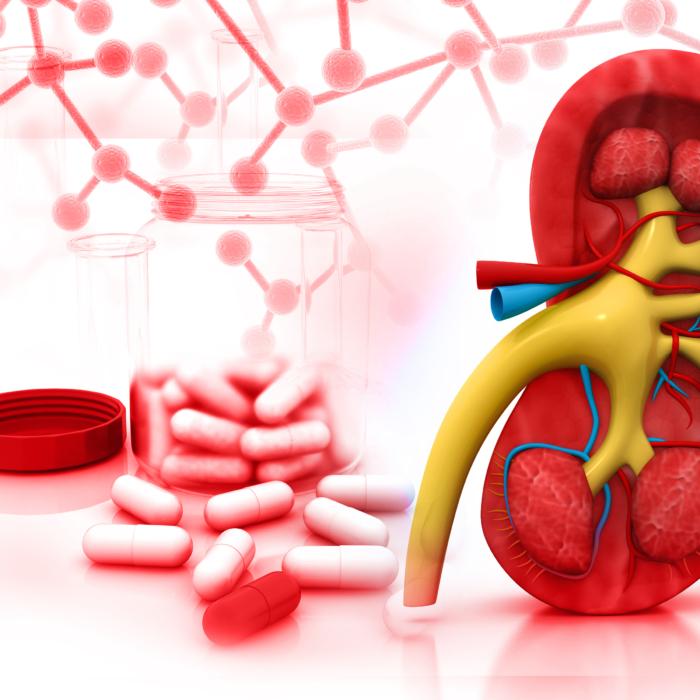
Stones in the urinary tract can cause unbearable pain. Stones, which are hardened clumps of minerals, can form in the kidneys, ureters, bladder, or urethra. The best way to deal with these stones is to prevent them from forming, to begin with, and ensure they don’t recur.
The main symptoms of any of these stones are pain, blood in urine, or the excretion of “sand” or stones. The symptoms vary depending on where the stone is located.
Kidney Stones
The pain is in the waist, and it may be dull, tingling, or persistent and dull. It usually occurs after exertion and is often accompanied by blood in the urine. When renal colic (pain due to a stone in the urinary tract) strikes, the pain can spread from the waist to the lower abdomen. The patient will become restless and sweat, and it may last for a few minutes to a few hours. After the attack, small, sand-like stones may be passed in the urine.Ureteral Stones
Over 90 percent of patients in this category have stones that originate in the kidneys and move down to the ureteral stricture, where they remain. Those with stones blocking the middle and upper sections of the ureter will experience lumbar cramping, often radiating to the ipsilateral groin and inner thigh. Pain may also be accompanied by nausea, vomiting, cold sweats, etc. In severe cases, shock may occur, and blood in the urine may be seen early in the condition. When stones block the lower ureter, they can cause bladder irritation symptoms such as frequent urination, urgency to urinate, and painful urination.Bladder Stones
Symptoms like pain in the lower abdomen occur during urination and may spread to the external genitalia. At the same time, urination may be difficult or interrupted but the individual may be able to urinate again after moving or changing position. It is often accompanied by terminal blood in the urine, frequent urination, the urgency to urinate, and other symptoms.Urethral Stones
Urethral stones mostly come from the bladder and are more common in men. Stones that make their way into the urethra can cause pain during urination, difficulty urinating, and even involuntary urinary retention.The above symptoms of urinary system stones are quite prominent in the acute phase. In the chronic phase, some patients might have no obvious symptoms, while others might feel a bit of low back pain, percussion pain around the kidney area, or pain at the site of the stones. It may be accompanied by symptoms such as urinary incontinence, painful urination, and sand or stones in the urine. Moreover, in the event of urinary system stones combined with other infections, symptoms like fever, chills, pus in the urine, frequent urination, urgency of urination, and painful urination may occur.
TCM Approaches to Stones
In traditional Chinese medicine (TCM), urinary or renal stones belong to the category of “stone stranguria” in “lithiasis.” Stone stranguria is characterized by frequent and small bursts of urination, stinging dripping, a lingering urge to urinate, and tightness and pain in the lower abdomen. Such discomfort may extend to both sides of the lower abdomen.TCM believes that the main causes of stones are due to unhealthy habits like eating spicy, greasy, and sweet foods, and to excessive drinking, sexual intercourse, and worrying. All the above will cause the kidneys and bladder to retain urine for a longer period and cause stones to form.
Daily Life Tips for Stones Prevention
Accordingly, to prevent the occurrence of urinary tract stones, you should drink enough water, eat a light diet with less spicy, greasy, and processed sweet foods (such as candies, biscuits, soda, and bread), engage in responsible sexual behavior, and learn to manage stress and anxiety.In addition, staying up late will wear out your body. Therefore, habitually going to bed before 10 p.m. is necessary for the prevention or treatment of any disease. Furthermore, excessive consumption of synthetic calcium tablets may also lead to stone development, so try to get your calcium from foods instead of supplements.
Views expressed in this article are the opinions of the author and do not necessarily reflect the views of The Epoch Times. Epoch Health welcomes professional discussion and friendly debate. To submit an opinion piece, please follow these guidelines and submit through our form here.