
There is no better way to beat the blazing heat of summer than diving into cool, clear water. However, swimming is more than a way to cool off. It is a full-body workout that combines strength training with low-impact cardio, offering an impressive range of health benefits.
What Happens to Your Body When You Swim?
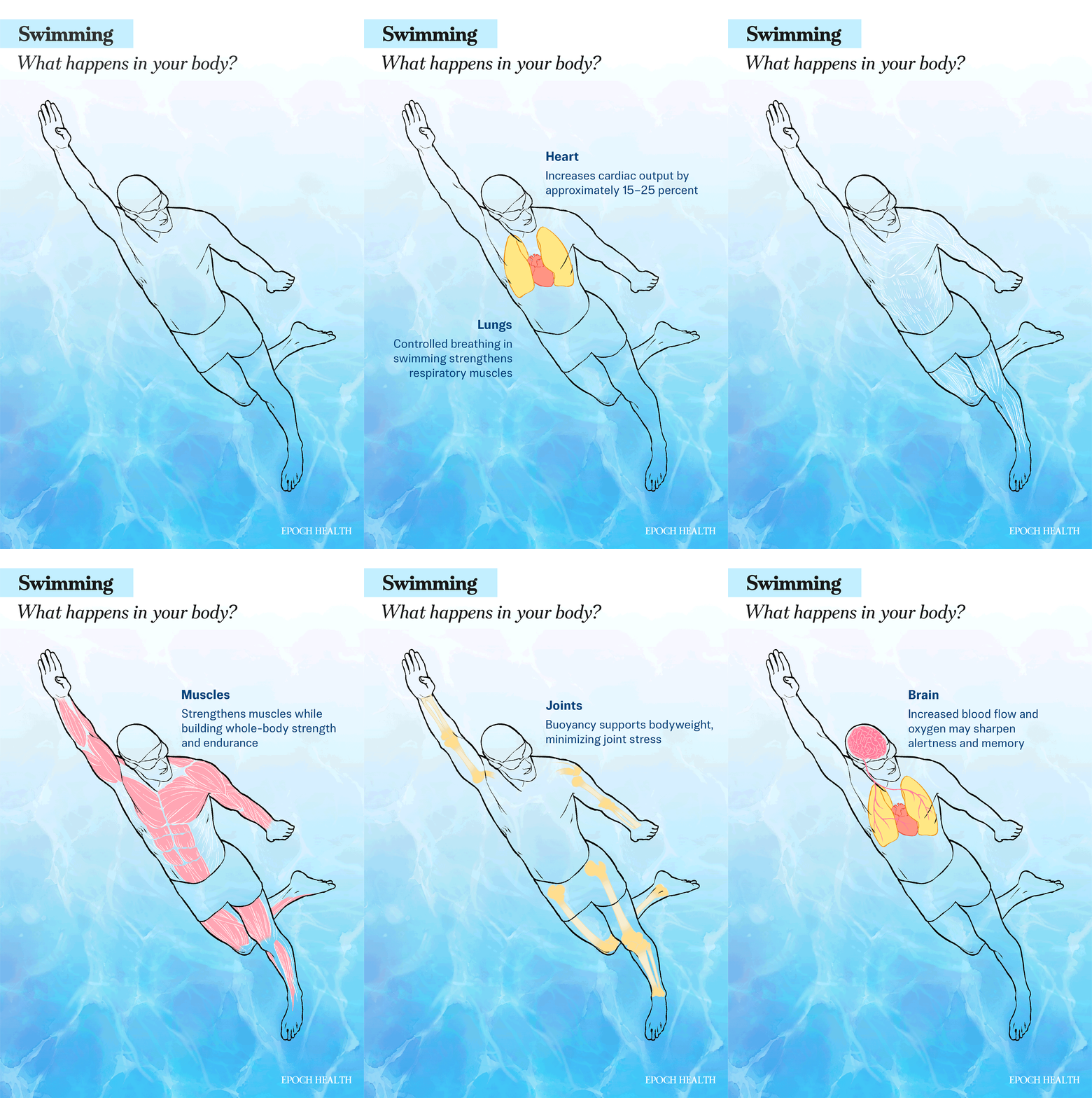
When you move through the water, its natural resistance makes your muscles work harder than they would in air. Swimming therefore engages nearly every major muscle group.
At the same time, swimming is an effective aerobic exercise. Sustained swimming increases the body’s demand for oxygen, requiring the heart and lungs to work harder to supply oxygen to the muscles. Regular moderate-to-vigorous swimming can therefore contribute to cardiovascular health.
One of swimming’s distinctive features is buoyancy. Because the water supports much of the body’s weight, there is substantially less stress on the joints than with many land-based activities.
Swimming is suitable for nearly everyone, regardless of age or fitness level.
What Are the Health Benefits of Swimming?
Here’s how the benefits of swimming break down:



1. Boosts Cardiovascular and Respiratory Health
During immersion, hydrostatic pressure shifts blood from the limbs toward the chest, increasing venous return to the heart. This increases cardiac filling and stroke volume, allowing the heart to pump more blood with each beat and contributing to increased cardiac output during exercise. Over time, these repeated demands can improve cardiovascular fitness.
The controlled breathing patterns used in swimming may improve cardiorespiratory fitness and respiratory muscle endurance.
2. Increases Blood Vessel Flexibility
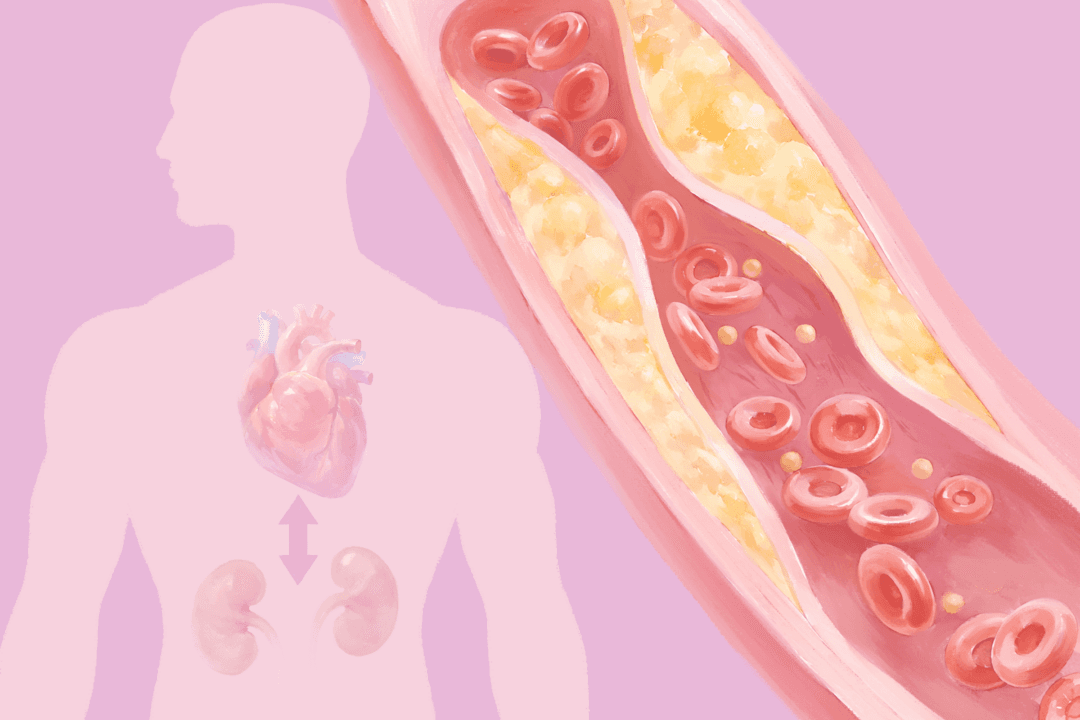
The repeated increases and decreases in blood flow during exercise encourage arteries to expand and contract, helping maintain their flexibility. At the same time, water’s hydrostatic pressure gently compresses the veins in the legs and helps push blood back toward the heart, supporting venous circulation. This can help reduce blood and fluid pooling in the lower legs, which may be particularly beneficial for people prone to mild leg swelling (edema) or discomfort associated with varicose veins.
3. Builds Muscle Strength
Water resistance builds strength and endurance throughout the body while minimizing joint stress.
Water is nearly 800 times denser than air; that means when you exercise in water, it provides your muscles with natural resistance. Swimming trains muscles in the shoulders and arms, back, chest, core, hips, and legs. The repeated pulling, kicking, and body rotation involved in swimming can help develop muscular strength and, particularly with regular training, build muscular endurance.
4. Relieves Pain
“Anyone with arthritis, disc herniations, or fibromyalgia benefits enormously [from swimming] because of the reduced joint loading,” Priyank Patel, founder of Brooklyn Chiropractic Care, told The Epoch Times.
5. Supports Chronic Disease Management
Swimming may benefit people with diabetes or asthma.
6. Reduces Weight
Swimming can burn roughly 423 to 510 calories per hour at a light to moderate pace, while faster lap swimming can burn more than 700 calories per hour. Calorie expenditure also varies by stroke, with the butterfly stroke generally burning the most.
7. Reduces Mortality Rate
8. May Support Cognitive Health
9. Boosts Mental Health
Endocannabinoids are signaling molecules involved in functions such as mood and stress regulation. They also interact with the dopamine reward system, contributing to the positive mood and sense of well-being associated with exercise.
10. Improves Sleep Quality
Regular aerobic exercise may improve sleep quality by reinforcing circadian rhythms, increasing sleep pressure, and reducing stress, while the postexercise drop in body temperature can make it easier to fall asleep.
11. Benefits Hormonal Health
Swimming can be especially beneficial for:
Pregnant Women: Swimming reduces the load on the pelvis and lower back while still providing cardiovascular exercise.
Older Adults: Water-supported exercise may provide a lower-impact environment for practicing strength and balance. However, despite its many benefits, swimming is not a strong bone-building exercise because water’s buoyancy reduces the weight-bearing and impact forces that stimulate bone growth.
Children and Teenagers: Swimming is a full-body workout that’s easier on growing joints than high-impact sports.
What Are the Risks of Swimming?
Swimming is low-impact, but it isn’t risk-free. Drowning remains a major public health concern. Current Centers for Disease Control and Prevention data show drowning is the leading cause of death for children ages 1 to 4 in the United States, and the second-leading cause of unintentional injury death for children ages 5 to 14. Drowning can also cause lasting harm.
Repetitive movements such as arm strokes and leg kicks can lead to overuse injuries, especially among frequent swimmers. Common overuse injuries include:
Swimmer’s Shoulder: Shoulder pain or injury related to overuse of the shoulder muscles and tendons from repetitive arm movements. Maintaining proper shoulder blade position, timing the pull correctly, and keeping a long, streamlined body position can help reduce shoulder strain and improve stroke efficiency.
Breaststroker’s Knee: Knee pain caused by the repeated frog-kick motion in breaststroke. It is often associated with muscle imbalances, including tight tissues around the hips and knees, uneven quadriceps strength, and weak glute muscles.
Lower Back Strain: Lower back pain or strain often related to poor technique or excessive arching during certain strokes.
Other swimming-related risks include:
Swimmer’s Ear: A painful infection of the outer ear canal, usually caused by bacteria and sometimes fungi. It can develop when moisture remains trapped in the ear after swimming or bathing.
Dehydration: Even while exercising in water, you can become dehydrated. Swimming causes fluid loss through breathing and sweating, particularly during prolonged or high-intensity exercise. Cold water can also shift blood toward the body’s core, increasing blood flow to the kidneys and promoting urine production. Minnesota-based dietitian Alex Larson recommends using the difference between your pre- and post-swim weight to estimate fluid needs after longer or more intense sessions and including sodium-rich foods to help the body retain fluids.
Chlorine-Related Problems: Chlorine, a disinfecting agent, is essential for maintaining pool hygiene, but some swimmers may experience dry skin, eye irritation, hair damage, and respiratory irritation. Swimmers can reduce these effects by rinsing before and after swimming, moisturizing the skin, protecting hair with fresh water and a swim cap, wearing goggles, choosing well-maintained pools, and avoiding prolonged exposure to strong chlorine fumes.
Underlying Health Conditions: People with uncontrolled seizures, certain heart conditions, severe respiratory issues, or conditions causing sudden loss of consciousness could experience flare-ups or acute events while swimming. Such an event can impair a person’s ability to stay above the surface and breathe safely.
Water-Borne Illnesses: Examples include Norovirus infection, E. coli infection, giardiasis, and infection with the “brain-eating amoeba.” Avoid swallowing pool or natural water, skip swimming when sick, and take extra care in warm freshwater, where certain organisms are more likely to be present.
Avoiding swallowed water helps prevent many gastrointestinal infections, but it does not specifically prevent Naegleria fowleri infection. Naegleria infection occurs when contaminated water enters the nose, not when it is swallowed.Open Water Hazards: Open water introduces unpredictable factors, including currents, temperature, visibility, and marine life, that are not present in a pool. Cold water in particular can trigger a cold shock response, which spikes heart rate and breathing rate involuntarily, which is a real risk for people with underlying cardiac conditions.
However, Patel added, “On the benefit side, open water swimming recruits more stabilizing muscles because you don’t have a wall to push off every 25 meters, and sighting (lifting the head periodically to navigate) builds a different kind of neck and core control than pool swimming does.” Unlike pools, open water may have unpredictable currents, changing depths, drop-offs, waves, cold temperatures, and underwater obstacles such as rocks or logs.
How to Get Started
The four basic strokes are breaststroke, butterfly stroke, freestyle (front crawl), and backstroke.
Breaststroke combines a frog-like kick paired with a simultaneous arm pull and glide. It’s technical and energy-efficient, and swimmers take a breath during each stroke cycle. Patel noted that breaststroke’s whip kick puts extra strain on the hips, chest, and knees, and can cause injury with poor technique.
The most demanding stroke, butterfly, is powered by the hips and core through simultaneous arm movements and dolphin kicks.
The biggest mistake new swimmers make is chasing speed or distance before mastering technique, which can lead to inefficient strokes and overuse injuries. Patel noted that breaststroke’s whip kick puts extra strain on the hips, chest, and knees. Butterfly stroke’s shoulder-heavy motion can aggravate existing shoulder problems.
For anyone with lower back pain or recovering from an injury, Patel recommends freestyle and backstroke as safer options. Freestyle is the fastest and most common stroke. Alternating arm strokes, a flutter kick, and rhythmic breathing make it efficient for both sprints and distance swimming. The backstroke uses alternating arm rotations and a flutter kick, while demanding strong coordination, since swimmers can’t see where they’re going.
For new swimmers, Patel recommends starting in a pool where they can stand comfortably and gradually build their skills and confidence. He suggests the following progression:
Weeks 1 to 2: Practice floating, body alignment, and rhythmic breathing with the support of a kickboard.
Weeks 3 to 4: Add short freestyle intervals, such as 25 meters or approximately 82 feet, with rest breaks between efforts.
Week 5 Onward: Gradually connect lengths together and increase distance as technique improves.
How to Stay Safe While Swimming
Here are some essential tips to help you stay safe while swimming:
Warm Up: Warm up and stretch on the pool deck before getting into the water to prepare your muscles and joints for exercise and reduce the risk of injury.
Swim Near a Lifeguard: Lifeguards are trained to identify hazards and respond to emergencies.
Practice Good Pool Hygiene: Good pool hygiene helps reduce the spread of germs and keep the water clean. Shower before swimming, skip the pool if you’re sick, and avoid swallowing pool water.
Avoid Alcohol and Drugs Around Water: These substances impair balance, coordination, and judgment, increasing the risk of drowning.
Learn Five Essential Water Survival Skills: Children should learn to return to the surface, orient themselves toward safety, float or tread water, coordinate breathing with movement, and exit the water independently.
Protect Yourself From the Sun and Heat: Use sunscreen and take breaks to prevent sunburn, heat exhaustion, heat cramps, and heat stroke. Apply a water-resistant sunscreen with SPF 30 or higher before outdoor practices and competitions to help protect your skin from sun damage.
For open-water swimming, keep these additional safety tips in mind:
Know How to Respond to Rip Currents: If caught in a rip current, stay calm, avoid swimming directly against it, and swim parallel to the shoreline or toward breaking waves to escape.
Avoid Swimming at Night: Low visibility makes it harder to identify hazards and makes it less likely that others can see you if you need help.