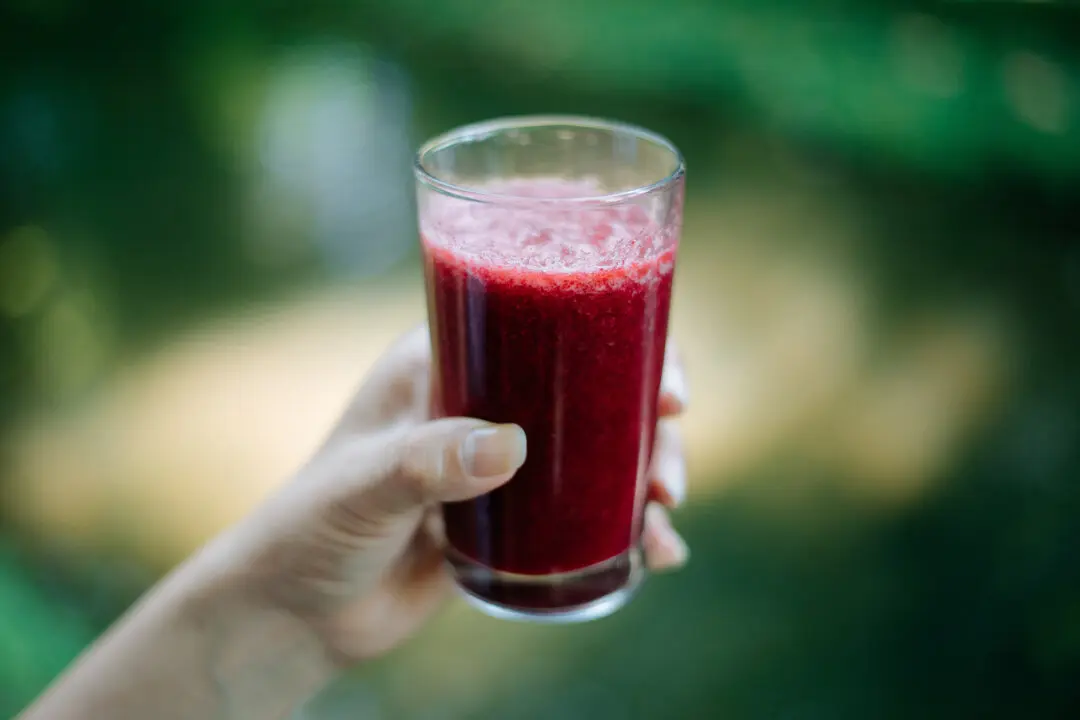
High blood pressure was once thought of as a middle-aged problem. But with about one in seven U.S. children and teens already showing signs, a major new study points to a familiar source hiding in plain sight: sugary drinks—including 100 percent fruit juice—which have long been childhood staples.
The findings suggest that the form sugar comes in may matter as much as the sugar itself.
Source Mattered More Than Amount
Researchers examined how different dietary sources of fructose were associated with hypertension risk.
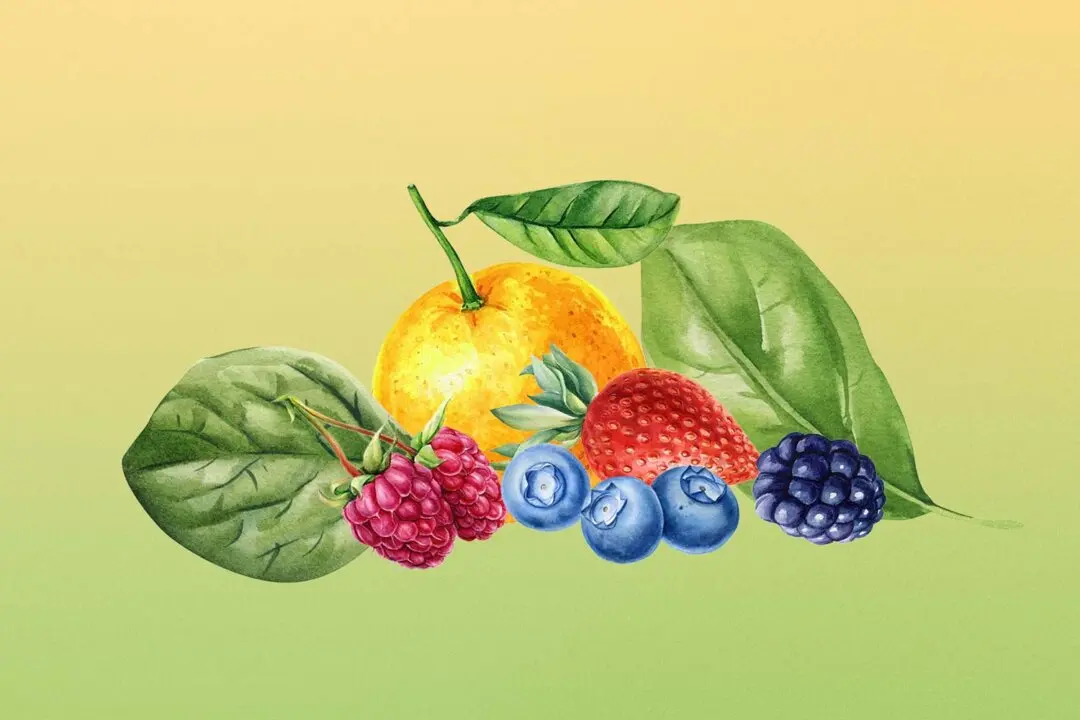
They compared sugar-sweetened beverages—including sodas, fruit punches, lemonades, iced teas, sports drinks, and other non-carbonated fruit drinks—with 100 percent fruit juice and whole fruits such as apples, oranges, bananas, grapes, pears, melons, strawberries, peaches, and mangos.

Participants who drank two or more daily servings of sugary beverages had a 52 percent higher risk of developing high blood pressure than those who drank them fewer than three times per week. One serving was defined as a 12-ounce can or glass.
Soda and sports drinks carried the greatest risk among sugary beverages.
Fruit juice also showed an association. Those who drank 1.5 or more servings of 100 percent fruit juice daily had a 35 percent higher risk of high blood pressure than those who drank less than one serving per week. One serving of fruit juice is equivalent to an 8-ounce glass.
The findings are observational, meaning they show an association rather than direct proof that these drinks cause high blood pressure, but the pattern held even after researchers adjusted for other factors.
What Made the Difference
The contrast between juice and whole fruit points to an increasingly important concept in nutrition: Foods cannot always be understood simply by looking at their individual nutrients.
“The source and matrix—how fructose is consumed—are more important than the nutrient—fructose—itself,” Vasanti Malik, an associate professor at the Temerty Faculty of Medicine at the University of Toronto and the study’s senior author, told The Epoch Times.
Sugary drinks and even 100 percent fruit juice differ from whole fruit.
Kara Siedman, a registered dietitian nutritionist and vice president of science at resbiotic, told The Epoch Times, “Whole fruit contains fiber, water, polyphenols, vitamins, minerals, and cellular structure that slow digestion and blunt the glucose and fructose load,” she said. “Juice delivers the sugars without the same fiber or chewing, making it much easier to consume a larger dose quickly.”
Juice and soda also deliver fructose to the liver more quickly than whole fruit. “If too much fructose floods the liver quickly, as can happen when consumed in excess and liquid form, it can promote development of fat, which can lead to metabolic complications,” Malik said. Over time, the buildup of fat in the liver may contribute to insulin resistance and increase the risk of heart and metabolic diseases.
Starting Early Matters
“Adopting healthful habits at an early age is important because we know that cardiometabolic risk can develop even in childhood and can persist into adulthood, increasing the risk of chronic diseases later in life,” Malik said.
What Parents and Kids Can Do
One of the most practical findings from the study came from an analysis estimating what might happen if one daily serving of a sugary drink was replaced with another food or beverage.
Replacing high-fructose drinks with healthier alternatives was associated with a lower risk of developing high blood pressure. The study found that replacing one daily serving of sugary drinks with one serving of whole fruit was associated with a 22 percent lower risk of high blood pressure. Replacing it with milk or water was associated with a 13 or 9 percent lower risk.
Physical activity also seemed to blunt the risk of hypertension. When researchers factored in activity levels, higher fructose intake was associated with greater risk only among less active participants.
The finding does not mean exercise cancels out the effects of regularly drinking sugary beverages. However, physical activity improves insulin sensitivity, energy metabolism, vascular function, and the body’s ability to use incoming nutrients, all of which may help explain why more active participants showed a different pattern.
The larger message from the study is not that children need to fear the fructose naturally present in fruit. It is that the package it comes in matters.
An apple, a glass of orange juice, and a soda may all contain sugars, but the body does not necessarily experience them in the same way.