Growing evidence finds that women, regardless of ethnicity or age, are more salt-sensitive than men. This can increase their risk for high blood pressure (hypertension) and the health issues that come with it.
Higher Salt Sensitivity Linked to Greater Blood Pressure Increase
According to the U.S. Food and Drug Administration (FDA), the recommended amount of salt per day is less than 2,300 milligrams, or about 1 teaspoon. However, the average American consumes about 3,400 milligrams of sodium each day.Excessive amounts of sodium in the diet can increase hypertension risk.
“When we consume a diet high in salt, our blood pressure rises due to sodium attracting water, which increases the volume of blood,” Amargo Couture, a registered dietitian at Staten Island University Hospital in New York, told The Epoch Times. Uncontrolled hypertension can increase the risk for more severe health complications such as heart attack, kidney disease, heart failure, strokes, and blindness.
However, another factor many people are unaware of is salt sensitivity.
Salt sensitivity is the body’s reaction to salt intake, which varies among individuals. This means some people are more sensitive to the effects of salt, and it takes much less of it to increase blood pressure in salt-sensitive people.
1 Particular Hormone Plays a Key Role
A review of studies finds that salt carries a greater hypertension risk for women because they’re more likely than men to be salt-sensitive.The study authors stressed that women are generally more protected against cardiovascular diseases than men, but that changes with age.
The authors also think that women’s sensitivity to a hormone called aldosterone, which the female body uses for reproduction, plays a significant role.
The researchers found that participants who had died were an average of about 48 years old, nearly twice as likely to have been hypertensive (63.4 percent versus 33.8 percent), and salt-sensitive (73.4 percent versus 44.9 percent) at the time of the initial study compared to those who survived.
How to Reduce Your Risk If You’re Salt-Sensitive
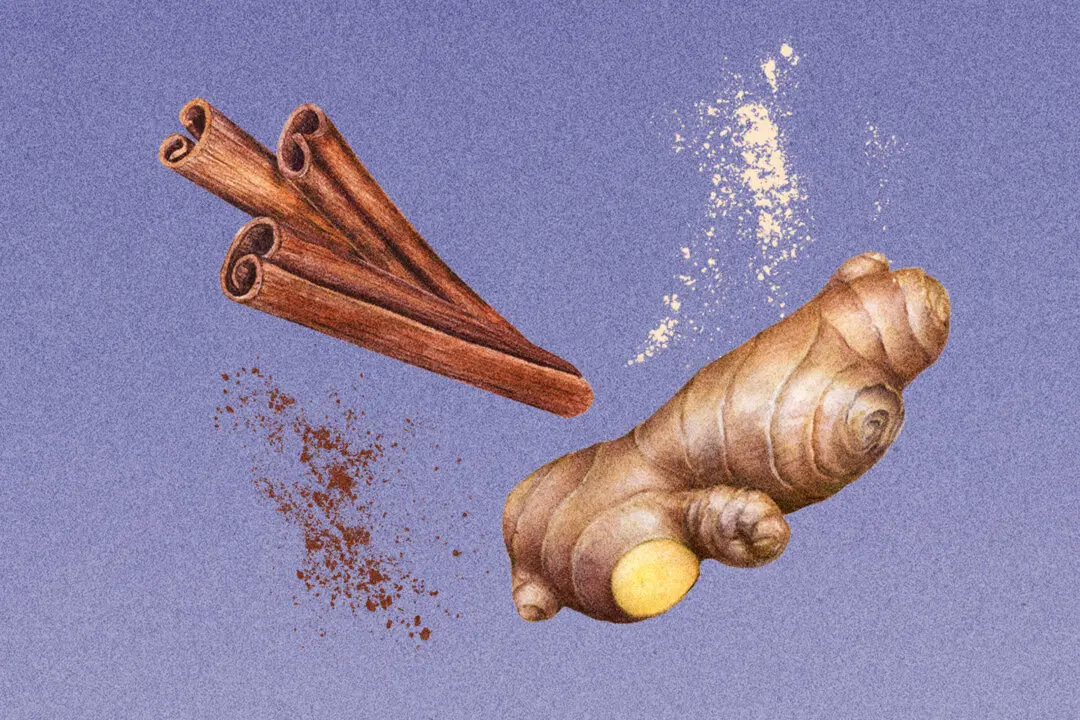
To reduce their risk of hypertension, salt-sensitive women can take several steps. First, they can reduce their salt intake by avoiding processed and packaged foods, which often contain high amounts of salt, also labeled as sodium.Instead, they can choose fresh fruits and vegetables, lean protein sources, and whole grains. Additionally, they can experiment with herbs and spices to add flavor to their meals instead of relying on salt.
- Nausea or vomiting.
- Headache, confusion, or fatigue.
- Muscle weakness, twitching, or cramps.
- Seizures or coma.
Potassium and sodium are electrolytes that help the body function normally by maintaining fluid and blood volume. Consuming too little potassium and too much sodium can also cause high blood pressure.