Many regions in Africa have been using ivermectin for malaria management, and in places where there was mass drug administration, it has been observed to “significantly reduce” the mosquito population, the study said.
Researchers based in India looked at the potential of ivermectin as a “contact-toxin” for malaria transmitters and parasites. Contact toxins are toxins that are absorbed through direct skin contact.
The study exposed lab-reared female An. culicifacies and An. stephensi mosquitoes to varying concentrations of ivermectin. Both mosquito types are the major malaria vectors in India.
When ivermectin was administered to the mosquitoes, researchers found that there was “significantly high mortality” depending on the drug concentration and the method of administration.
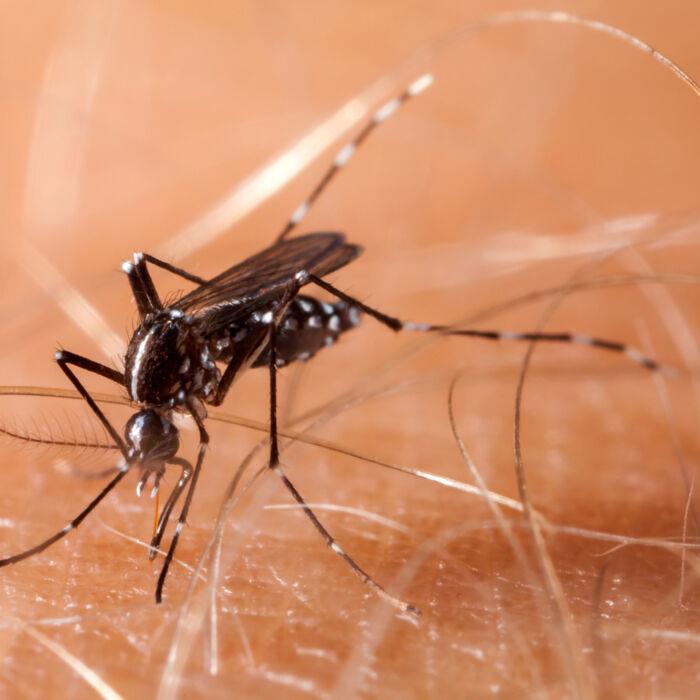
Mortality rate climbed as dosage was raised, with the highest ivermectin concentration resulting in a 100 percent mortality rate.
“This study also pin-pointed the fact that ivermectin when applied to treated surfaces exhibited faster killing effect among mosquitoes in contrast to when ingested through blood meal from treated individuals,” it said.
“When feeding on ivermectin-treated blood, mosquitoes survived an average of 7 days. Ivermectin exhibited a significantly stronger and faster mosquito-killing effect when applied to treated surfaces, eliminating mosquitoes within 24–48 h.”
Researchers also found that contact-exposure to ivermectin has the potential to block the development of Plasmodium parasites, which are responsible for malaria, in infected mosquitoes. They suggested that ivermectin impairs the sexual development of the parasite inside the mosquitoes’ midgut.
“The results of this study highlight the potential of ivermectin as a promising synergist to traditional insecticide-based vector control strategies. This transmission-blocking activity adds an important dimension to ivermectin’s potential as a malaria control tool,” the study said.
The study was funded by the Indian Council of Medical Research—National Institute of Malaria Research, the University Grants Commission, and the Council of Scientific and Industrial Research. The authors declared no competing interests in the study.
Among previous studies, some have questioned the efficacy of ivermectin to treat malaria in humans, while others have confirmed its positive impact,
Researchers concluded that the study did not demonstrate ivermectin’s effect on the cumulative incidence of malaria among children during the 18-week study period.
“We are uncertain whether community administration of ivermectin has an effect on malaria transmission,” they wrote.
Malaria Worldwide
According to a December 2024 post by the World Health Organization (WHO), globally in 2023, there were an estimated 263 million malaria cases and 597,000 malaria deaths in 83 countries.“The WHO African Region carries a disproportionately high share of the global malaria burden. In 2023, the WHO African Region was home to 94 percent of malaria cases (246 million) and 95 percent (569 000) of malaria deaths,” it said.
Ivermectin During Pandemic
During the COVID-19 pandemic, some researchers promoted ivermectin as a potential treatment for the illness, despite federal officials not approving it.According to researchers, the risk of death among people hospitalized with COVID-19 who were treated with ivermectin was 2.3 percent compared to 7.8 percent among those who did not receive the drug.
Potential side effects of ivermectin include vomiting, nausea, constipation, loss of appetite, chest discomfort, and weakness. Some of the serious consequences include coma, hives, peeling skin, and confusion.
As of now, the FDA hasn’t approved ivermectin as a treatment for COVID-19.