
 Fact Checked
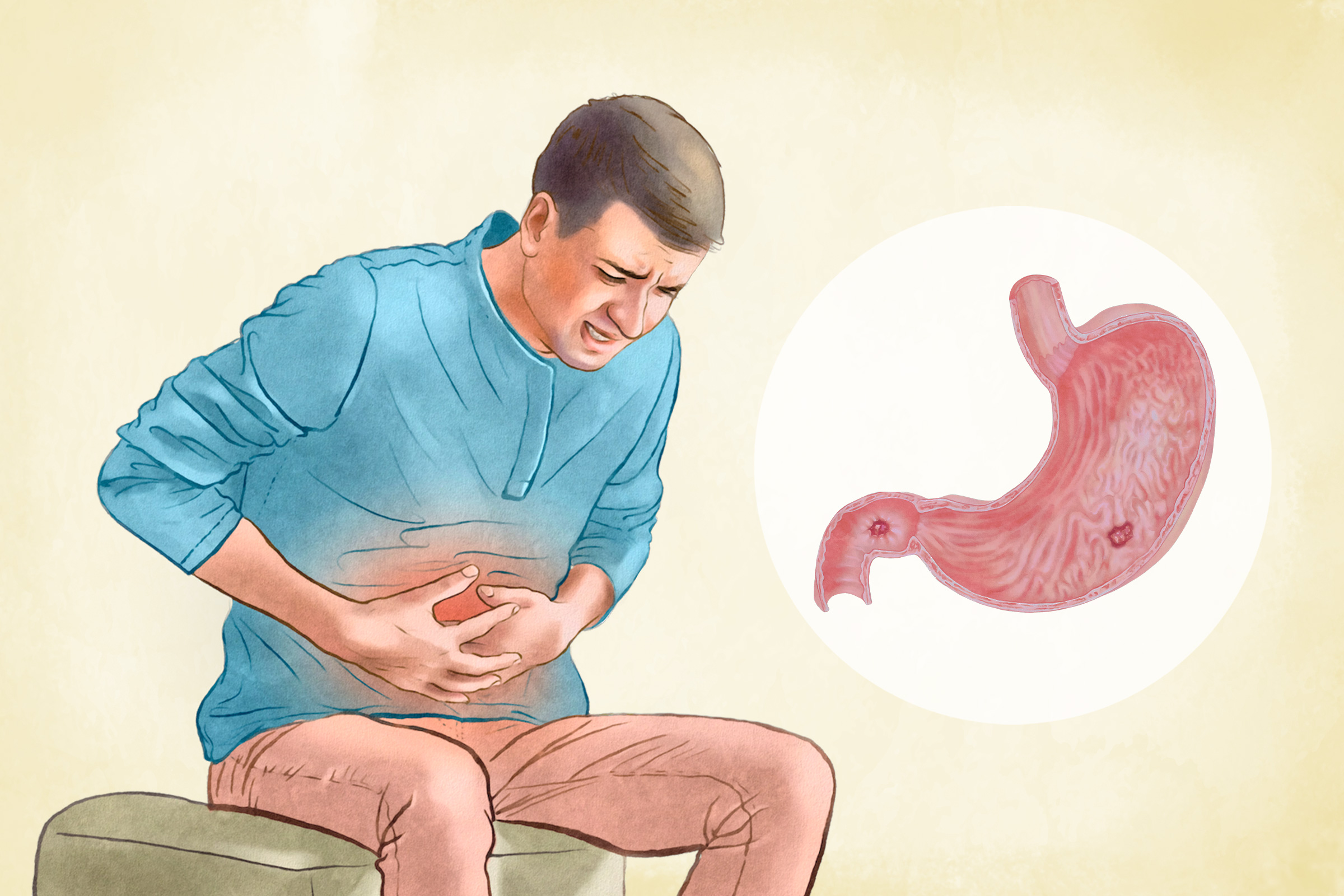
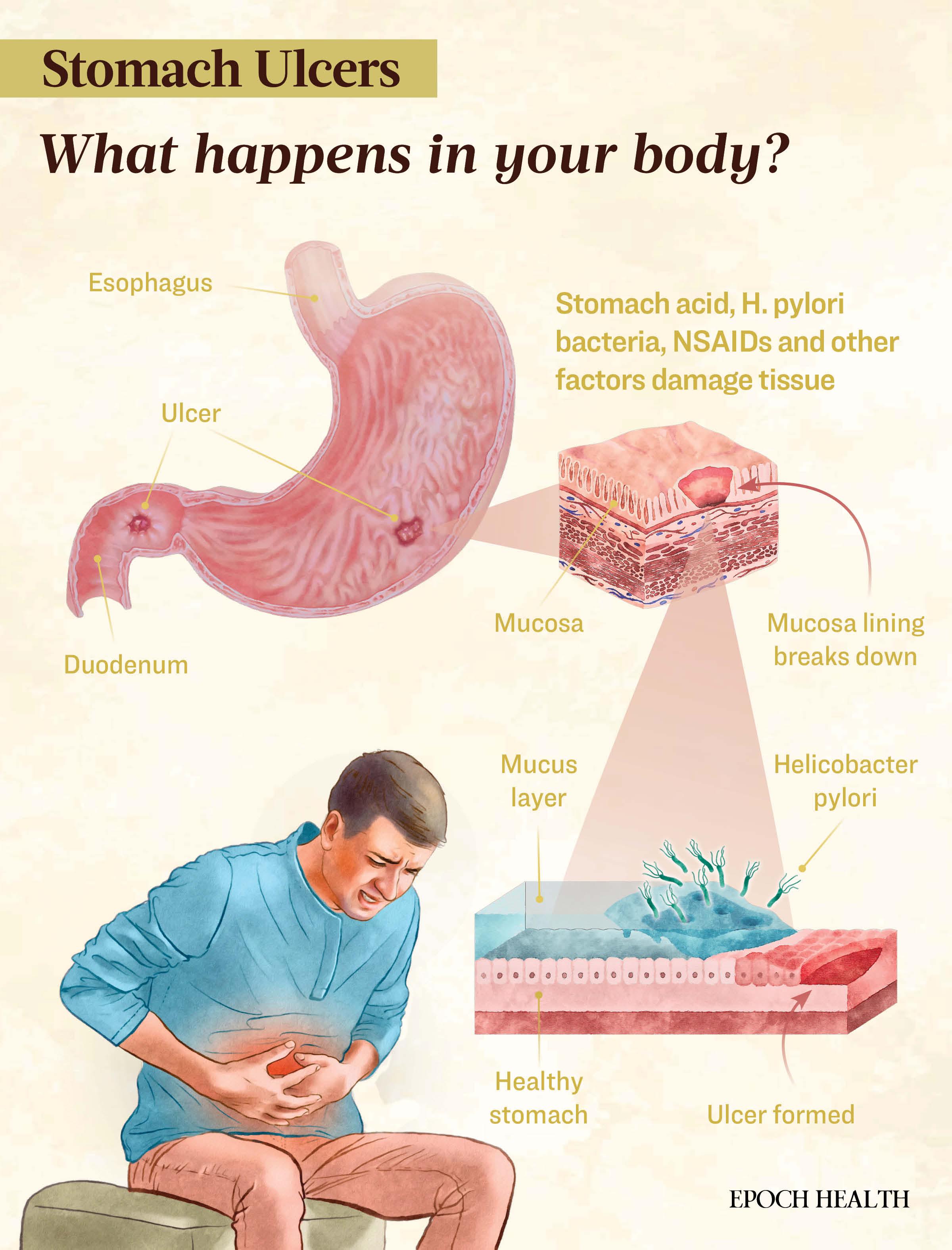
Stomach ulcers are open sores that form on the lining of the stomach when the protective mucus layer is weakened or damaged.
Stomach ulcers can cause dull pain, which is different from an ordinary stomachache. However, some ulcers cause no symptoms—so it’s important to watch for other signs. Certain foods and diets can help ease the condition.
What Are the Symptoms of Stomach Ulcers?
The pain might begin a few hours after eating, worsen before meals, or even intensify after you’ve eaten. For some people, the pain is so disruptive that it can actually wake them up at night.
- Pain
- Indigestion
- Nausea
- Loss of appetite
- Heartburn
- Early satiety

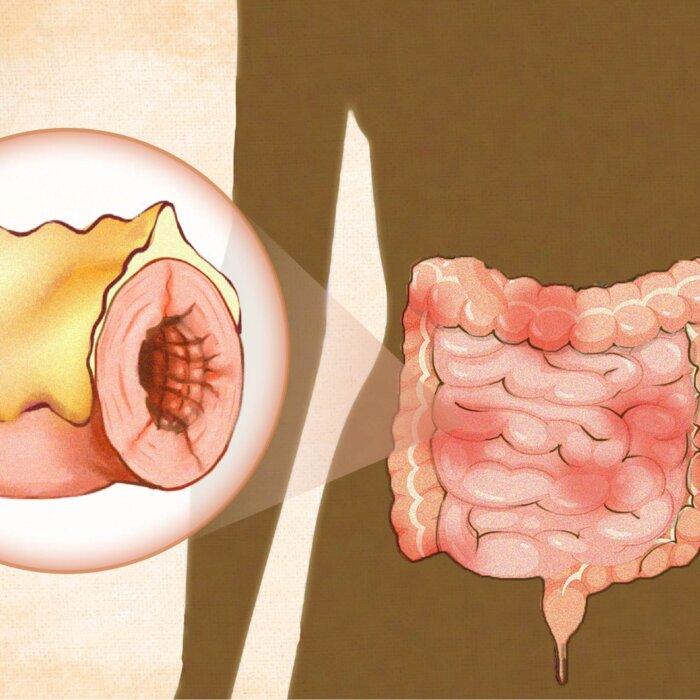
- Anemia: Bleeding from an ulcer can range from slow and unnoticed to severe and dangerous. Slowly bleeding ulcers may not show symptoms until anemia develops. When the blood lacks sufficient oxygen-carrying capacity, anemia can cause light-headedness, fatigue, pale skin, and shortness of breath.
- Dark, sticky, or tarry stools: Stools that look dark, sticky, or tarry may signal the presence of old blood in the digestive tract.
- Bloody or coffee ground-like vomit: Vomit that appears bloody or resembles coffee grounds is a sign of internal bleeding in the stomach.
- Shock from blood loss: Severe blood loss can lead to shock, which may cause rapid heartbeat, low blood pressure, confusion, and fainting.
What Causes Stomach Ulcers?
1. Helicobacter pylori (H. pylori)
H. pylori is a type of bacteria that colonizes the stomach lining, often without causing symptoms. The bacteria causes irritation by penetrating surface cells and triggering them to release chemicals (cytokines) that promote inflammation and weaken the stomach’s protective mucus barrier. As a result, acid can damage the underlying tissue.H. pylori is also a major factor in gastritis, dyspepsia, and stomach cancer. The bacteria spread primarily through contaminated food and water, as well as direct contact with infected saliva, stool, or vomit.
2. Nonsteroidal Anti-Inflammatory Drugs (NSAIDs)
NSAIDs are among the most common causes of gastric ulcers. These medications—such as ibuprofen, aspirin, naproxen, ketorolac, oxaprozin, and diclofenac—are available over the counter and widely used for pain, fever, and inflammation.However, when taken frequently or at high doses, they can irritate the stomach lining by reducing blood flow, decreasing mucus production, and impairing cell repair—increasing the risk of ulcers and gastrointestinal bleeding.
- Long-term use
- High doses
- Use of certain high-risk NSAIDs
- A history of ulcers
- Combining NSAIDs with other ulcer-causing medications
- Having an H. pylori infection at the same time
NSAIDs also increase the risk of gastrointestinal bleeding by interfering with blood clotting—an important issue given that gastric ulcers may bleed. This risk persists as long as the medication is taken and may continue for up to a year after stopping. However, short-term NSAID use for temporary pain relief is generally safe, as the stomach has time to heal.
Rare Causes
Less common causes include things surgeries or medical treatments that affect the stomach. Certain conditions—such as cancer or Crohn’s disease—can also lead to ulcer formation.A rare condition called Zollinger-Ellison syndrome accounts for less than 1 percent of gastric ulcers. Zollinger-Ellison syndrome is characterized by gastrin-secreting tumors that cause excessive acid production and hard-to-treat ulcers.
Additionally, injuries, blockages, or reduced blood flow to the stomach can contribute to ulcer development.
- Smoking: Smoking increases the risk of developing stomach ulcers, especially in people with an H. pylori infection. It can also irritate the stomach lining and make treatment less effective.
- Alcohol: Drinking excessive alcohol irritates the stomach lining and stimulates increased acid production.
- Other medications: Using multiple ulcer-risk medications together increases the likelihood of ulcers and complications. Drugs that may aggravate ulcers include anticoagulants such as warfarin, selective serotonin reuptake inhibitors used for depression, oral corticosteroids, bisphosphonates used to treat osteoporosis, certain chemotherapy drugs, spironolactone used to treat high blood pressure, niacin used to lower cholesterol, and bevacizumab—a colorectal cancer treatment linked to gastrointestinal perforation.
- Age: Stomach ulcers become more common with age due to a decline in mucous-producing cells and reduced bicarbonate secretion, which helps neutralize stomach acid. The risk increases after age 60.
- Sex: Stomach ulcers are more common in women than in men.
- Blood type: People with blood type O are more likely to develop gastric ulcers—especially when infected with H. pylori—compared to those with other blood groups.
How Are Stomach Ulcers Diagnosed?
- Breath test: A breath test is a highly accurate method that involves swallowing a special urea solution. If H. pylori is present, it breaks down the urea, which is then detected in the breath. The test is about 99 percent accurate and is available in nonradioactive versions for children and pregnant women.
- Blood test: A blood test detects H. pylori antibodies with 80 percent to 90 percent accuracy. While quick, it cannot distinguish between past and current infections. It may also be used to check for signs of bleeding.
- Stool antigen test: A stool antigen test is another highly accurate method that identifies bacterial genetic traces in a stool sample. It typically provides results within two to three days.
What Are the Treatments for Stomach Ulcers?
1. Antibiotics
If a stomach ulcer is caused by an H. pylori infection, treatment typically includes a combination of antibiotics and a proton pump inhibitor (PPI). This approach is also recommended when the ulcer results from both H. pylori infection and NSAID use. Most patients improve within a few months. However, if the infection persists, a different antibiotic regimen may be necessary.2. Proton Pump Inhibitors (PPIs)
PPIs are the primary treatment for stomach ulcers. They block acid production, allowing ulcers to heal and preventing further damage.3. Other Medications
In addition to antibiotics and PPIs, several other medications can support healing, reduce acid, or protect the stomach lining.4. Surgery
Stomach ulcer surgery is a last-resort treatment for severe cases where other treatments have failed, including persistent ulcers, frequent recurrences, or complications such as bleeding or stomach perforation.Surgical approaches include vagotomy, which involves cutting nerve signals to reduce acid, various stomach reconstruction techniques like Billroth I and II, which remove part of the stomach and reconnect the remaining tissue to the intestines, and procedures to remove ulcerated sections or enlarge intestinal openings.
What Are Natural and Lifestyle Approaches for Stomach Ulcers?
1. Food and Diet
While acidic or spicy foods and stress do not cause ulcers, they can worsen symptoms. Eating smaller meals can reduce stomach strain. Avoid eating three to four hours before bedtime to limit acid buildup overnight.- Fruits and vegetables: High-fiber diets, particularly those rich in fruits and vegetables, may cut gastric ulcer risk in half and speed up recovery.
- Garlic: Garlic may have protective properties against stomach cancer, though large amounts can cause digestive discomfort.
- Olive oil: Olive oil contains phenolic compounds that may help fight antibiotic-resistant H. pylori strains.
- Propolis: Propolis is a resin-like material collected by bees. A 2021 systematic review found that propolis shows strong potential as a protective treatment for gastric ulcers caused by NSAIDs. Propolis appears to help protect the stomach lining by reducing harmful factors, such as excess stomach acid and pro-inflammatory cytokines, while also offering antioxidant, anti-inflammatory, and cell-protective benefits.
2. Lifestyle Modifications
Lifestyle changes can enhance treatment outcomes and reduce the likelihood of ulcer recurrence.- Quit or avoid smoking: Smoking weakens the stomach’s defenses, slows healing, and increases the risk of ulcers and complications.
- Limit alcohol: Alcohol raises stomach acid levels and hinders healing.
- Engage in regular exercise: Regular physical activity may reduce ulcer risk in some people, and maintaining a healthy weight can further support digestive health.
3. Acupuncture and Moxibustion
A 2023 modified Delphi consensus study conducted three rounds of expert consultation on acupuncture treatment for gastric ulcers. The experts agreed that acupuncture may help treat gastric ulcers and reduce adverse drug reactions. A semi-standardized treatment approach was developed based on these findings.4. Herbal Extracts
An earlier review examined the effects of certain herbal extracts, such as Piper betel, and found that herbal therapies may help treat gastric ulcers by enhancing protective mucus in the stomach, reducing oxidation, and lowering stomach acid production. Some herbs also exhibited antimicrobial activity. The researchers considered these herbs a promising treatment option for gastric ulcers, with minimal side effects.5. Traditional Chinese Medicine (TCM)
A 2024 review found that they showed promising results for TCM in treating gastric ulcers. TCM, including herbal formulas, may help heal gastric ulcers by reducing inflammation, balancing oxidative stress, promoting blood vessel growth, protecting the stomach lining, regulating gut bacteria, and supporting cellular repair and survival.How Does Mindset Affect Stomach Ulcers?
How Can I Prevent Stomach Ulcers?
What Are the Possible Complications of Stomach Ulcers?
Hemorrhage (Bleeding)
Bleeding is the most common and serious complication of gastric ulcers, especially in older people and those taking antiplatelet agents or anticoagulants. A hemorrhage can occur when an ulcer erodes a nearby blood vessel. NSAID-induced ulcers are more likely to cause hemorrhaging.Bleeding may be slow and chronic, leading to anemia and causing symptoms such as fatigue, pale skin, shortness of breath, and heart palpitations. In more severe cases, rapid bleeding can occur, presenting as coffee ground-like vomit, black, tarry stools (melena), vomiting blood (hematemesis), fresh rectal bleeding, and signs of hemodynamic instability such as low blood pressure or shock.
Ulcer Perforation
Perforation occurs when an ulcer causes a hole in the stomach wall, leading to serious complications. A perforated ulcer is a medical emergency—digestive fluids and food can leak into the abdominal cavity, causing inflammation and infection.Gastric Outlet Obstruction
Gastric outlet obstruction occurs when an ulcer near the junction of the stomach and duodenum causes swelling, inflammation, or scarring that blocks the passage of food.Symptoms include repeated vomiting—often with undigested food—persistent bloating, early satiety, and unintentional weight loss. Ongoing vomiting can also lead to dehydration and further weight loss.