Government Agencies Acknowledge Nuts May Reduce Cardiovascular Risk
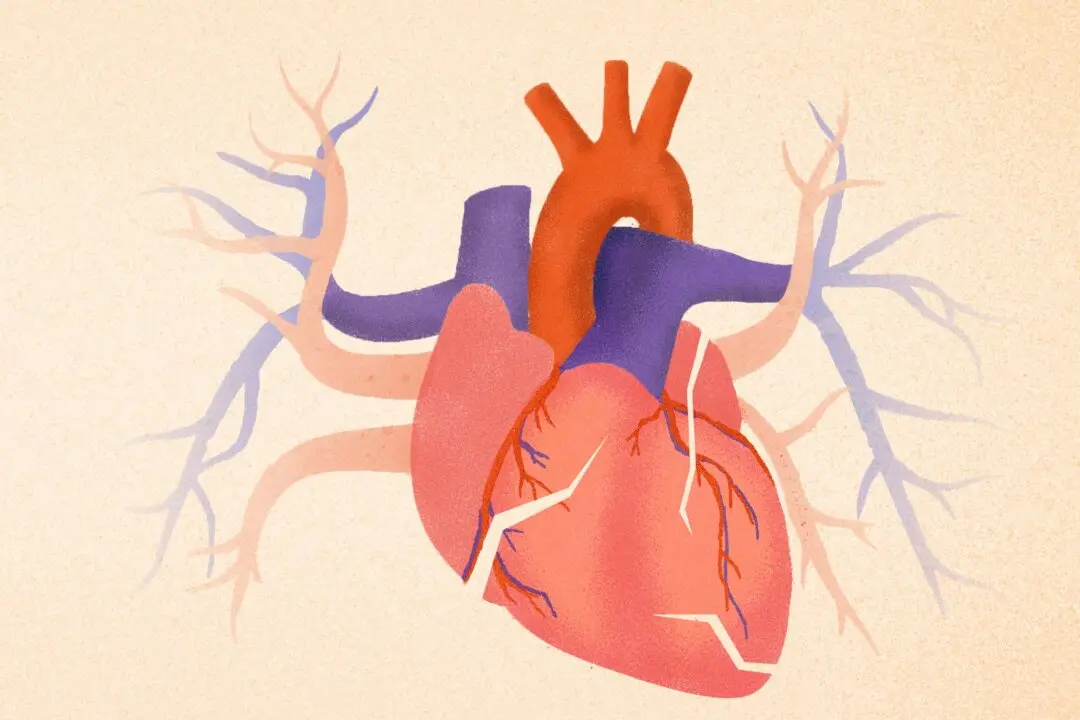
The U.S. Food and Drug Administration and the Food Standards Australia New Zealand have approved health claims regarding nuts and their ability to reduce the risk of cardiovascular diseases, particularly in lowering LDL cholesterol levels. The European Food Safety Authority has also approved health claims regarding walnut consumption and improved endothelium-dependent vasodilation.Studies Prove the Positive Health Effects of Nuts
In February 2023, a collaborative study by Harvard University’s T.H. Chan School of Public Health and several other universities was published in the prestigious journal Nutrients. The review highlighted that long-term nut consumption can reduce the risk of certain cardiovascular diseases and mortality. For instance, it showed a 24 percent reduction in the incidence of coronary heart disease and a 27 percent reduction in related mortality. Additionally, it indicated an 18 percent reduction in stroke-related mortality and a 15 percent decrease in atrial fibrillation risk.Nuts are rich in nutrients, fat-soluble bioactive substances, fiber, vitamins, minerals, and phenolic compounds. Analysis indicates that the potential benefits of nuts in reducing cardiovascular disease risks are likely associated with their high content of unsaturated fatty acids. Unsaturated fatty acids help lower LDL cholesterol levels, known as the “bad” cholesterol, while increasing HDL cholesterol levels, the “good” cholesterol. Additionally, omega-3 fatty acids found in walnuts can prevent arrhythmias and blood clot formation.
The Top 7 Nuts to Eat for Better Health
Almonds
Rich in vitamin E, fiber, and healthy fats, including monounsaturated fatty acids and antioxidants almonds help lower LDL cholesterol levels, promoting heart health.Walnuts
Abundant in omega-3 fatty acids, walnuts are known for their anti-inflammatory properties and beneficial effects on heart health. They also contain antioxidants and fiber.Pistachios
Pistachios are high in protein, fiber, healthy fats, and antioxidants, particularly lutein and zeaxanthin, which are beneficial for eye health.Cashews
Cashews have a relatively lower fat content but contain beneficial monounsaturated fatty acids. They are also rich in magnesium, which plays a key role in maintaining normal blood pressure.Brazil Nuts
A good source of selenium, Brazil nuts are an essential antioxidant that supports thyroid function. However, they are also high in calories, so consumption should be moderate.Hazelnuts
Research has shown that diets rich in hazelnuts can lower lipid and lipoprotein levels, improve endothelial function, and prevent LDL oxidation and atherosclerosis-related inflammatory markers. They contain unsaturated fatty acids, fiber, and antioxidants.Pecans
Pecans are rich in antioxidants, dietary fiber, and minerals such as manganese and copper.Mixing or alternating between different nuts to balance various nutrients is beneficial. However, individual differences should be considered, and moderation is key.
It’s important to note that individuals with nut allergies should exercise caution. Additionally, nuts are high in phosphorus and potassium, so individuals with poor kidney function should avoid excessive consumption.
Nuts should not be consumed in excess. They are calorie-dense and high in fat. For example, 28 grams of walnuts equates to approximately 185 calories. If added to an already high-caloric diet, consuming just a handful of walnuts daily could lead to a weight gain of 10 pounds or more within a year, adversely affecting heart health.