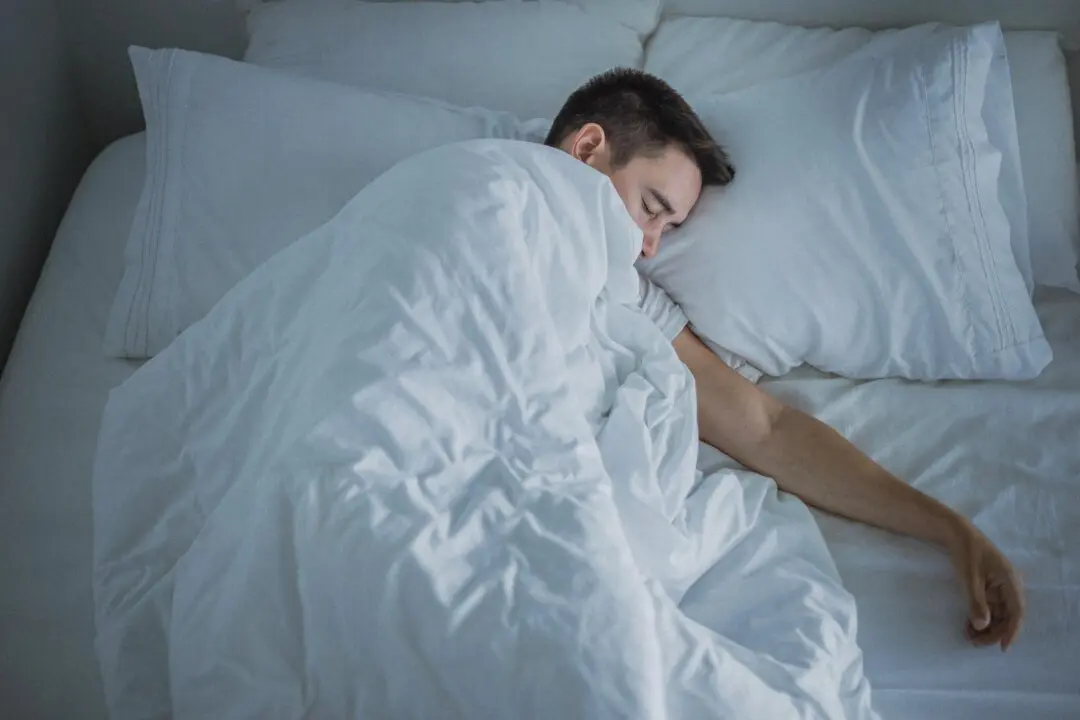
You’ve likely had the following experience: lying in bed for an extended period, unable to fall asleep even after two or three hours, the wheels of the mind in constant motion. The more you ponder why you cannot sleep, the more restless you become—making it increasingly difficult to fall asleep. If this happens three days a week or persists for a month, it could be a sign of sleep disorders that require immediate attention.
4 Major Types of Sleep Disorders
In clinical practice, four common types of sleep disorders are typically observed. These include difficulty falling asleep, nighttime awakenings, shallow sleep, and early morning awakening.1. Difficulty Falling Asleep
One of the most common issues among individuals with sleep disorders is difficulty falling asleep. Children or adolescents should ideally fall asleep within 30 minutes of lying in bed with their eyes closed, while adults should fall asleep within 1 hour under the same conditions.2. Nighttime Awakenings
Individuals with this type of sleep disorder often experience multiple (more than two) awakenings during the night. Each time they wake up, it takes more than 30 minutes to fall back asleep.3. Shallow Sleep
Some individuals with sleep disorders do not have trouble falling asleep—rather, they experience shorter periods of deep sleep and spend more time in a lighter sleep state—leading to poor sleep quality. Despite sleeping for seven to eight hours, these individuals often wake up feeling unrefreshed and fatigue easily.Individuals with allergies, frequent nasal congestion, or thick nasal polyps tend to breathe through their mouths, resulting in a dry mouth and shallow sleep. Those with sleep apnea may not necessarily have nasal congestion, but they need to breathe through their mouths due to nighttime breathing interruptions. Consequently, they may experience a particularly dry mouth during the night, prompting them to wake up for water or feel extremely thirsty in the morning. Additionally, they may still feel unrefreshed even after sleeping for an extended period.
Patients with nasal congestion and nasal polyp issues can find relief through traditional Chinese medicine. Acupuncture, targeting acupoints like Bitong, Suliao, Yintang, Shangxing, and Baihui, can effectively alleviate nasal blockages. Additionally, incorporating Chinese herbal medicine can lead to a significant improvement in symptoms without causing daytime drowsiness or other side effects.
4. Early Morning Awakening
Individuals with this type of sleep disorder tend to wake up more than an hour earlier than their usual time, and their overall sleep duration during the night is often less than 5 hours.The recommended daily sleep duration is between 6.5 to 8 hours. However, it is crucial not to oversleep, as it can lead to feeling more tired. In TCM, it is believed that “prolonged bed rest weakens qi,” meaning that extended periods of lying down in bed can hinder the circulation of qi (energy) and blood in the body. Therefore, it is advisable to avoid extended bed rest even if the body is experiencing discomfort or pain. In fact, engaging in appropriate physical activity may be more beneficial than longer bedrest for overall health.
What Are the Adverse Effects of Poor Sleep?
One of the most direct impacts of sleep issues on individuals is fatigue caused by insufficient sleep. Furthermore, sleep disorders can lead to the following adverse effects.1. Cognitive Impairment
Inadequate sleep can lead to a decline in brain function, including memory. The hippocampus, located on the sides of our brain, plays a crucial role in storing short-term memories. Throughout the day, memories are stored in the frontal lobe, but during nighttime sleep, they are transferred to the hippocampus and are then transferred back to the frontal lobe for permanent storage. Poor sleep can impact the functionality of the hippocampus, thus hindering the consolidation of temporary memories into permanent ones.2. Increased Risk of Dementia
Many elderly dementia patients experience chronic sleep disorders, as inadequate sleep can impact memory storage and prevent the brain from resting properly. Additionally, chronic poor sleep may lead to brain atrophy and exacerbate the degeneration of brain function.3. Weakened Immune System
Insufficient sleep can cause disruptions in the body’s hormones, nervous system, and endocrine system, resulting in a weakened immune system.4. Increased Likelihood of Obesity
The body’s metabolism functions better with adequate sleep, while poor sleep can contribute to weight gain. Therefore, good quality sleep is essential for those aiming to lose weight or sustain their current healthy weight.5. Metabolic Syndrome
Chronic sleep disorders can lead to metabolic disorders such as obesity, high blood sugar, high blood lipids, and hypertension. In severe cases, it can even lead to an increased risk of cardiovascular diseases, including heart disease and stroke.6. Premature Skin Aging
Insufficient sleep not only contributes to weight gain but can also lead to premature skin aging and dull skin. The body’s skin metabolism is most active around 3 a.m., so it is recommended to go to sleep no later than 10 p.m.—this is often referred to as the time of “beauty sleep.” This natural approach is far more effective in improving skin health than relying on various skincare products.7. Increased Risk of Traffic and Other Accidents
Inadequate sleep can result in mental fatigue and reduced concentration, increasing the likelihood of accidents, while driving and in other day-to-day activities. Therefore, it is crucial to pay attention to sleep quality to minimize such risks.Effective Chinese Herbal Remedies for Sleep Disorders
Traditional Chinese medicine offers significant advantages in treating nighttime awakenings. Both Chinese herbal medicine and acupuncture treatments have no known adverse side effects and can greatly improve one’s energy and well-being. Individuals with severe sleep disorders undergoing Western medical treatments may consider exploring TCM as an alternative. However, it is advisable to first try traditional Chinese medicine or acupuncture treatment for 1 to 2 weeks before gradually reducing the dosage of Western medicine to ensure safety and prevent any potential symptom relapse.The main cause of insomnia is primarily related to psychological issues, including restlessness, excessive excitement, work-related anxiety, moodiness, and stress. These factors can eventually affect the overall well-being of the body.
For individuals who are prone to nervousness, anxiety, and poor sleep, TCM practitioners often prescribe Jia Wei Xiao Yao San, which is a modified version of the Xiao Yao San formula that includes additional ingredients such as Mu Dan Pi and Shan Zhi Zi.
For patients experiencing difficulty falling asleep, adding a small amount of Liu Wei Di Huang Wan to the formula can help improve sleep.
Traditional Recipes for Improving Sleep Quality
1. Gan Mai Da Zao Tang (Licorice, Wheat, and Jujube Decoction)
This is a simple and effective dietary remedy from ancient China that can improve sleep.- 30 to 60 grams of Fu Xiao Mai
- 4 or 5 large red dates
- 9 grams of licorice.
Add herbs to 4 cups of water, bring to a boil, then simmer for approximately 30 minutes. Once ready, you can consume it directly.
2. Xiao Mi Zao Ren Zhou (Millet, Red Date Porridge)
Millet can invigorate the spleen and stomach—it also has a calming effect on the mind.- 100 grams of ground millet
- 15 grams jujube seed powder
- 30 grams honey
- 1000 ml Water
5 Natural Ways to Improve Sleep Without Medication
In addition to medication and dietary remedies, some lifestyle habits can be adopted to improve sleep quality.1. Sunbathe
Sunbathing can regulate our autonomic nervous system and melatonin secretion, leading to improved sleep at night. It is recommended to spend at least 30 minutes sunbathing in the morning or go for a run or other exercise for an hour under the evening sun.2. Soak Feet in Hot Water
Another method involves soaking the feet in hot water before going to bed. The closer the temperature of our internal organs is to our limbs, the easier it is to fall asleep. Typically, the temperature of our internal organs is higher than that of our hands and feet, thus soaking the feet in water at around 102 to 104 degrees Fahrenheit (39 to 40 degrees Celsius) can narrow the temperature gap to promote better sleep.3. Take a Hot Bath
Similarly, taking a hot bath also has a sleep-inducing effect. When a person takes a hot bath, their internal body temperature slightly rises, but it will gradually drop to a slightly lower-than-usual temperature after a while. As a result, the temperature of the internal organs becomes closer to that of the hands and feet, making it easier to fall asleep.Additionally, taking a bath can activate the parasympathetic nervous system in the body, promoting relaxation and improving sleep.
However, it is important to note that the water temperature for bathing should be around 102 to 104 degrees Fahrenheit (39 to 40 degrees Celsius) and should not exceed 107.6 degrees Fahrenheit (42 degrees Celsius), as the body’s sympathetic nervous system may become overactive, leading to increased excitement and difficulty falling asleep.