
 Fact Checked
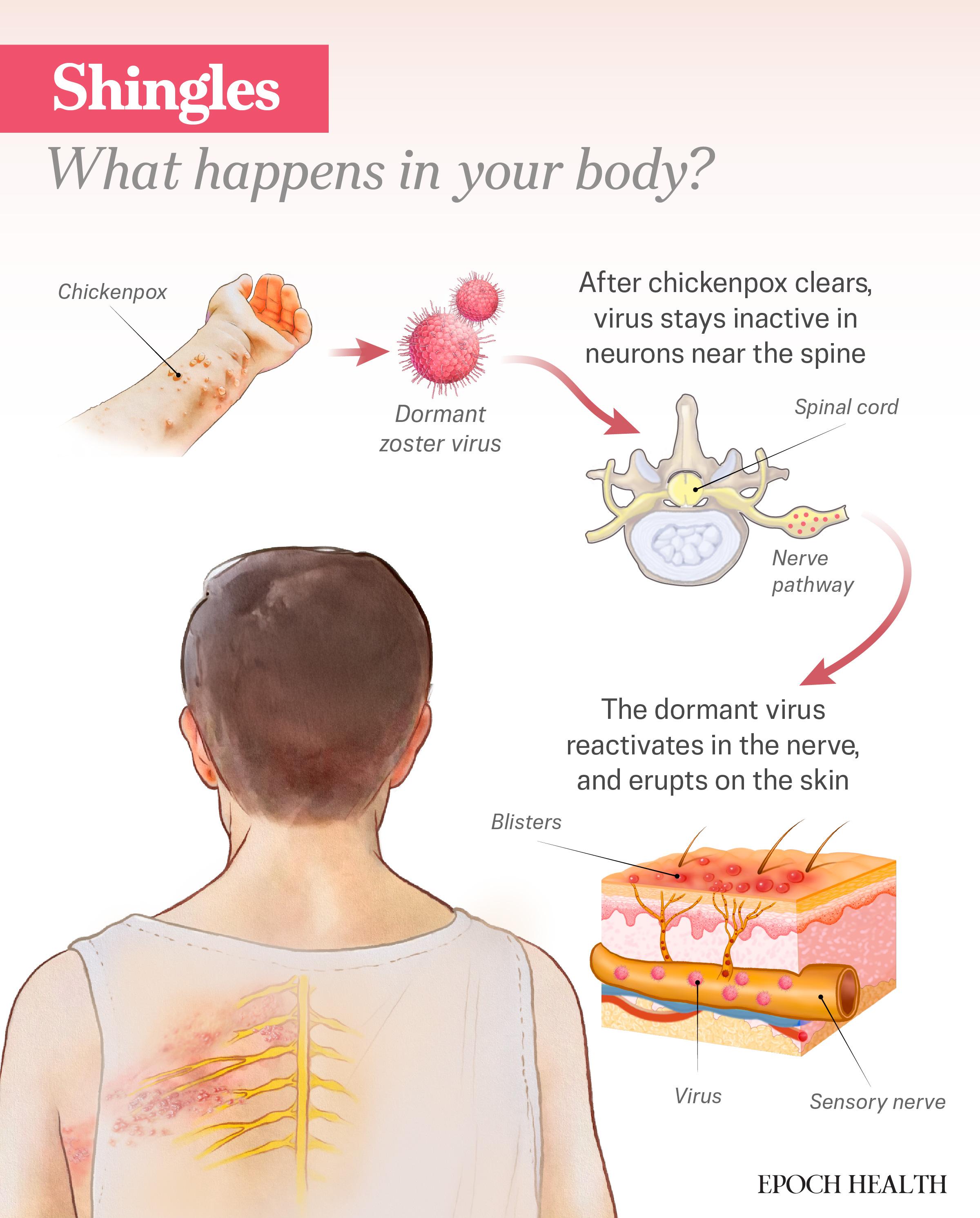
If you’ve ever had chickenpox, you’re in good company—about 98 percent of adults in the United States share this experience. However, what many people don’t realize is that the virus responsible for chickenpox never truly leaves the body. Instead, it stays dormant in the nervous system, and for roughly 1 in 3 people, it can reactivate later in life as shingles.
Anyone who has had chickenpox can later develop shingles, but the risk increases with age as the immune system naturally weakens. Recognizing the early signs and understanding different lifestyle choices can help you better manage the disease.
What Are the Symptoms and Early Signs of Shingles?
- Pain, tingling, or itching on one side of the body
- Headache and sensitivity to light
- Flu-like symptoms that make you feel generally unwell
The Characteristic Rash
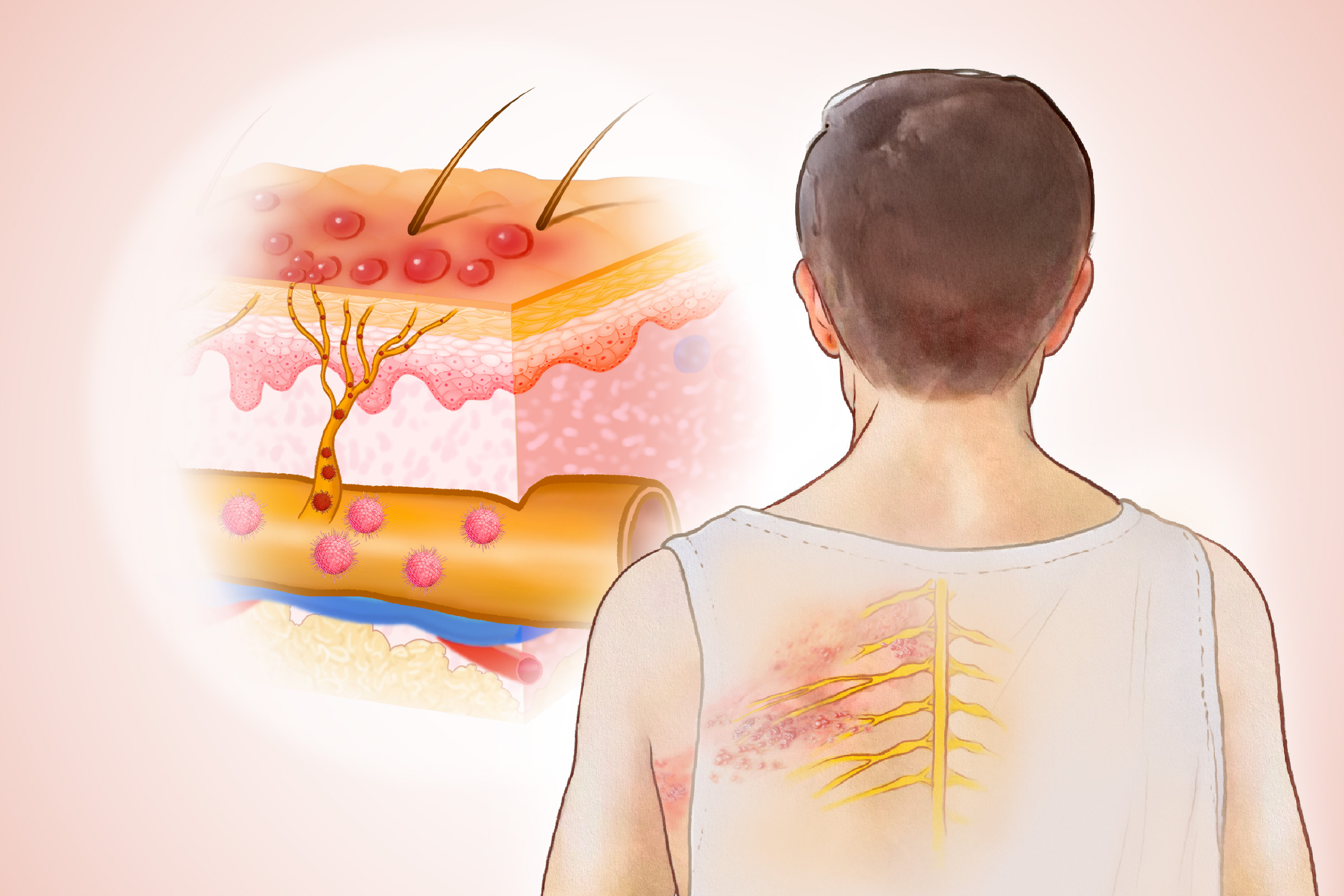
The hallmark of shingles is its distinctive, painful red rash that typically:- Starts as red patches that develop into fluid-filled blisters
- Forms a narrow band from the spine to the chest, abdomen, or lower back (it can also appear on the face, affecting areas around the eyes, mouth, or ears)
- Breaks open, forms sores, and scabs over within seven to 10 days
Other Symptoms
Shingles can bring on a range of other uncomfortable effects, such as:- Fever and chills
- Joint pain
- Swollen lymph nodes
When Shingles Becomes Serious
Shingles can become serious if it affects the eye (10–25 percent of cases), potentially causing lasting vision problems, or the facial nerve (under 1 percent of cases), which may lead to facial paralysis and hearing loss.

What Causes Shingles?
In some cases, the virus can reactivate later in life—especially after age 50—causing shingles. This is often triggered by stress or a weakened immune system.
General Risk Factors
The risk of developing shingles increases with age, as the immune system weakens over time.- Weakened immunity: Aging or conditions such as HIV or AIDS, cancer (including leukemia and lymphoma), inflammatory bowel disease, and autoimmune diseases
- Certain medical treatments: Chemotherapy, radiation therapy, and immunosuppressive medications such as corticosteroids and cyclosporines
- Gender: Women are more likely than men to develop shingles, especially during perimenopause, when hormonal changes can reduce immune function
- Family history: Having a close relative, such as a parent or sibling, may slightly increase risk
Physical and Lifestyle Factors
Shingles risk can also be influenced by physical stressors and lifestyle habits.- Fatigue or exhaustion: Fatigue or exhaustion significantly weakens the immune system, leaving the body less able to suppress the dormant varicella-zoster virus. When rest is compromised over long periods, the likelihood of reactivation increases.
- Stress: Stress in general—whether from major life events, work pressures, or ongoing health problems—has long been linked to weakened immunity and can reduce the body’s ability to fight infections..
- Injury: Injury to the body, including cuts or trauma that affects the nervous system, may sometimes set the stage for shingles reactivation. Severe bruises or burns can disrupt the body’s immune defenses.
- Surgery: Certain procedures, such as dental surgery, chest surgery, or knee replacement procedures, may increase the risk of shingles afterward because of the body’s physical stress response and temporary immune suppression.
- Poor nutrition: A poor diet weakens the immune system by depriving the body of essential vitamins and minerals. When nutritional needs are not met, the immune response is less effective at keeping the shingles virus under control.
- COVID-19: COVID-19 has also been linked to shingles risk. A 2023 study found that people who had recovered from COVID-19 faced a 59 percent higher risk of developing shingles within a year compared to those who had not been infected.
- Vaccines and injections: Any injection, including vaccines, may trigger shingles reactivation through minor physical trauma. Evidence is mixed—Shingrix may increase recurrence risk in people with previous eye shingles by 64 percent, and shingles risk may be about 80 percent higher shortly after COVID-19 vaccination, though cases remain rare. Chickenpox vaccination provides weaker long-term immunity than natural infection, which may increase shingles risk in younger adults.
- Poor sleep quality: A 2016 study found that people with sleep disorders had a 23 percent higher risk of developing shingles compared to those without sleep issues.
- Prolonged sun exposure: A 2021 study found that exposure to ultraviolet radiation from direct sunlight was linked to a higher risk of shingles in men, but not in women.
How Is Shingles Diagnosed?
What Are the Treatments for Shingles?
1. Medications
Several types of medications can help treat shingles, either by targeting the virus itself or by easing pain and other symptoms.- Acetaminophen (paracetamol): Medications such as acetaminophen reduce pain and fever.
- Ibuprofen: A nonsteroidal anti-inflammatory drug that reduces pain, fever, and inflammation
- Corticosteroids: Drugs such as prednisone or prednisolone may be used in some cases of shingles to reduce pain and accelerate the crusting of lesions. However, they are controversial and not routinely recommended because they can suppress the immune system and potentially worsen infection.
- Anti-inflammatory eye drops: If shingles affects the eyes, doctors may prescribe anti-inflammatory eye drops to reduce irritation and protect vision.
- Capsaicin topical creams and patches: Products such as Zostrix contain capsaicin, a pepper extract that helps reduce pain by desensitizing nerve endings.
- Lidocaine patches: A 5 percent lidocaine patch, applied twice daily, can provide effective relief for moderate to severe shingles pain.
- Anticonvulsants: Anti-seizure medications such as gabapentin and pregabalin may help control nerve pain associated with shingles.
- Antidepressants: Certain antidepressants are sometimes prescribed to help manage nerve-related pain.
2. Light-Emitting Diode (LED) Therapies
LED therapies use targeted wavelengths of light to reduce pain and inflammation, offering a noninvasive option for managing shingles symptoms.3. Japanese gentian
A 2017 systematic review found that a traditional herbal formula containing Japanese gentian, Japanese bellflower gentian, Chinese skullcap, and Cape jasmine—all plants with anti-inflammatory properties—may help people with shingles recover more quickly. Taken orally, especially when combined with topical herbal treatments, Japanese gentian reduced pain more quickly than standard medicine alone and lowered the risk of postherpetic neuralgia. Reported side effects were mild and rare.4. Intravenous Administration of Vitamin C
Shingles has long been treated successfully with antioxidant substances such as high-dose vitamin C, which may help reduce both the acute symptoms of shingles and prevent long-term nerve pain like postherpetic neuropathy. A 2012 study found that intravenous vitamin C reduced shingles-related pain and skin problems, improved fatigue and trouble concentrating, and lowered the risk of postherpetic neuralgia. Several case studies also support intravenous vitamin C infusions as a way to significantly reduce both acute shingles symptoms and long-term complications.5. Acupuncture
A 2011 study found that acupuncture effectively alleviated acute shingles pain, offering relief comparable to neuropathic pain medications but without the risk of drug toxicity. A 2024 meta-analysis of 59 studies also found that acupuncture therapies are effective and safe for treating acute shingles, significantly reducing pain and skin lesions with minimal side effects.What Are the Natural and Lifestyle Approaches to Shingles?
1. Self-Care Tips
Simple self-care measures can make shingles more manageable and support recovery.- Keep blisters protected: Apply a thin layer of petroleum jelly (such as Vaseline) and cover with a sterile, nonstick bandage. Gently cleanse the rash with a fragrance-free cleanser and replace the bandage regularly.
- Practice good hygiene: Wash your hands thoroughly for at least 20 seconds after touching the rash.
- Choose comfortable clothing: Wear loose-fitting, soft fabrics to minimize irritation.
- Soothe with cool compresses: Apply an ice pack wrapped in a towel or a damp cloth for 5 to 10 minutes several times a day.
- Get plenty of rest: Allow your body time to recover. Light activity, such as stretching or walking, may be beneficial, but check with your doctor before starting any new exercise routine.
- Avoid scratching or picking: This can worsen irritation and increase the risk of scarring.
- Stay away from rough fabrics: Avoid clothing that rubs against or irritates the rash.
- Do not use adhesive dressings: Bandages that stick to the skin can damage blisters.
- Limit stress: High stress levels may make it harder for your immune system to control the virus.
2. Oatmeal Bath
Colloidal oatmeal has natural anti-inflammatory and antioxidant properties. Soaking in a lukewarm bath with 1 to 2 cups of colloidal oatmeal can help soothe blisters and calm inflamed skin caused by shingles.3. Nutrition That Supports Healing
What you eat during recovery can strengthen your immune system and help the body heal more effectively.- Lysine-rich foods: The amino acid lysine may slow the growth of the varicella-zoster virus by blocking arginine, another amino acid the virus uses to replicate. Foods rich in lysine include poultry, fish, shrimp, shellfish, pork, beef, soy products, nuts, seeds, eggs, beans such as mung beans, and lentils.
- Antioxidant-rich foods: An anti-inflammatory, immune-boosting diet helps reduce the risk of shingles reactivation. Eat a variety of colorful, antioxidant-rich foods such as blueberries, strawberries, spinach, kale, pecans, and green tea.
- Protein: Adequate protein is essential for tissue repair and immune function.
4. Supplements
Certain supplements may support the immune system and aid healing. Always consult your doctor before starting new supplements.- Vitamin C: Supports immune function and may reduce pain when given intravenously.
- Vitamin B: Essential for nerve health; vitamin B12 may help reduce nerve pain.
- Vitamin D: Low vitamin D levels are common in people hospitalized with shingles. Maintaining healthy levels strengthens immunity.
How Does Mindset Affect Shingles?
High stress, depression, and major life events are all linked to an increased risk of shingles, especially in adults over 50. Managing stress through a positive mindset or stress-reducing therapies may help lower this risk.
How Can I Prevent Shingles?
The virus can spread through direct contact with fluid from shingles blisters or by inhaling airborne virus particles. However, people with chickenpox are more contagious than those with shingles. A person is not contagious before shingles blisters appear or after the rash has healed, even if they continue to experience pain.
- Sharing towels or other personal items
- Playing contact sports
- Swimming
- Close contact with babies under 12 months, pregnant mothers, and people with weakened immune systems
Lifestyle Strategies to Strengthen Immunity
The most effective way to prevent shingles is by strengthening the immune system.- Sleep well: Aim for seven to eight hours of quality sleep each night. A consistent, screen-free bedtime routine supports better rest.
- Eat smart: A varied diet rich in fruits and vegetables provides the nutrients the immune system needs to stay strong.
- Stay active: Regular physical activity boosts immunity and helps keep the virus dormant.
- Manage stress: Chronic stress weakens immunity. Practices such as yoga, tai chi, meditation, or other relaxation techniques can help.
Vaccination:
Vaccination against shingles may also help lower the risk. The shingles vaccine currently available is Shingrix, which is given in two doses, two to six months apart, and is recommended for adults 50 and older with healthy immune systems. Common side effects include headache and redness, swelling, and itching at the injection site. Rare but severe risks include Guillain-Barré syndrome and severe allergic reactions.What Are the Possible Complications of Shingles?
- Postherpetic neuralgia: The most common complication of shingles, postherpetic neuralgia is persistent pain in the area where the rash occurred that continues for at least three months after the rash has healed. It usually improves within weeks or months, but can last for years and affect daily life. It is uncommon in people younger than 40.
- Severe eye problems: When shingles affects the eye, it can cause temporary or permanent vision loss, dry eyes, glaucoma, cataracts, double vision, blurry vision, or corneal ulcers and scars.
- Skin infections: The shingles rash can become infected with bacteria, which may lead to conditions such as impetigo or cellulitis.
- Muscle weakness: Muscle weakness may occur in the area of the affected skin before, during, or after a shingles outbreak.
- Nervous system problems: Shingles on the face may affect nerves connected to the brain, leading to facial paralysis (Ramsay Hunt Syndrome), hearing loss, or balance problems. In rare cases, it may cause brain inflammation (encephalitis).
- Hepatitis: Shingles can rarely lead to liver damage or inflammation, particularly in people with weakened immune systems.
- Transverse myelitis: Inflammation of the spinal cord may develop as a complication of shingles.
- Sepsis: In rare cases, shingles can lead to sepsis, a severe blood infection.
- Pneumonia: Shingles can occasionally cause pneumonia, especially in people with weakened immune defenses.
- Stroke: If shingles affects the cranial nerves, it can trigger inflammation or blockage of blood vessels, potentially leading to a stroke.
- Viral meningitis: This rare neurological complication, caused by the varicella-zoster virus, can occur either before or after the shingles rash appears.