Scientists have pinpointed the critical thresholds at which body fat becomes hazardous—30 percent for men and 42 percent for women—providing a more precise and reliable measure than body mass index (BMI) for evaluating obesity-related health risks.
Health risks for men start at 30 percent body fat, while women show no signs of metabolic syndrome at this level.
Men who are considered overweight by BMI standards typically have a body fat percentage of 25 percent or more. However, the study found that health risks for men don’t show up until body fat reaches 30 percent.
BMI Has Significant Limitations
These findings challenge decades of reliance on BMI, which cannot account for muscle mass, bone density, body composition, and fat distribution.The research highlights significant discrepancies between BMI and body fat measurements. While BMI categorizes people as overweight if they have a BMI higher than 25 and obese if they have a BMI higher than 30, these thresholds don’t fully capture health risks. Some people with a normal BMI may still carry excess body fat, making them “metabolically obese” even at a normal weight, according to a study published in Current Opinion in Clinical Nutrition and Metabolic Care.
Wyllie said: “BMI doesn’t provide any information about the distribution of fat, which is important as high levels of abdominal fat are associated with an increased risk of serious health conditions like diabetes and cardiovascular disease.”
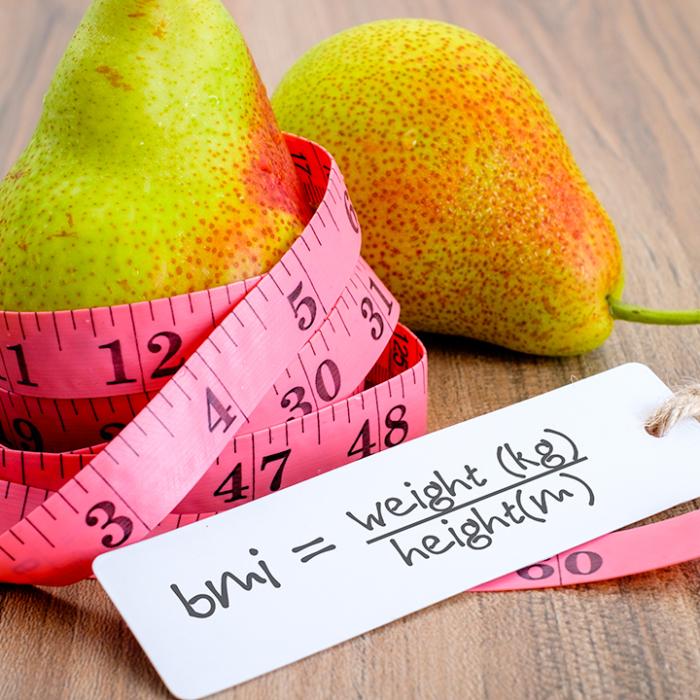
She noted that BMI also fails to reflect differences in metabolism or fitness.
“Two people with the same BMI may have different levels of fitness and overall health,“ she said. ”It’s essential to consider other factors like blood pressure, cholesterol, blood sugar control, and lifestyle to gain a clearer picture.”
Body Fat Percentage Allows More Targeted Interventions
According to Emily Feivor, a registered dietitian at Northwell Health in New York City, body fat percentage can be measured in a few ways. These methods include skinfold calipers; bioelectrical impedance analysis, which uses a small electrical current; and underwater weighing—also called hydrostatic weighing—which measures body density to estimate body fat.The study researchers argue that adopting body fat percentage as a standard measurement could lead to better-targeted health interventions, allowing for more personalized care plans.
According to Feivor, body fat percentage measurements give dietitians a chance to better educate patients on how their eating habits influence body composition.
“The more we know about their body composition, the more accurately dietitians can ... calculate energy and nutrient needs,” she said.
The researchers wrote that “obesity-related diseases may be more effectively managed by moving away from anthropometric estimations of adiposity to direct measurement of the fat component.”
Direct measurement provides a more accurate picture of adiposity and fat distribution, which are key factors in predicting disease risk and guiding treatment.