The U.S. Centers for Disease Control and Prevention (CDC) issued on Wednesday an update on an ongoing investigation into a salmonella outbreak potentially linked to cucumbers.
As of June 5, 162 people across 25 states and the District of Columbia have been infected, resulting in 54 hospitalizations, though no deaths have been reported so far.
Ongoing Salmonella Infection
From March 11 to May 16, reports of the same Salmonella Africana infections emerged across 25 states and the District of Columbia. Cucumbers were linked to this outbreak since out of 65 people infected with the same salmonella strain, 72 percent reported eating cucumbers.More than 64 percent of those infected were female, and the median age of infected patients was 40.
Healthy people infected with salmonella often experience fever, potentially bloody diarrhea, nausea, vomiting, and abdominal pain. In rare cases, a salmonella infection can result in the bacteria entering the bloodstream and causing more severe illnesses, such as heart inflammation and arthritis.

Cucumbers Recalled
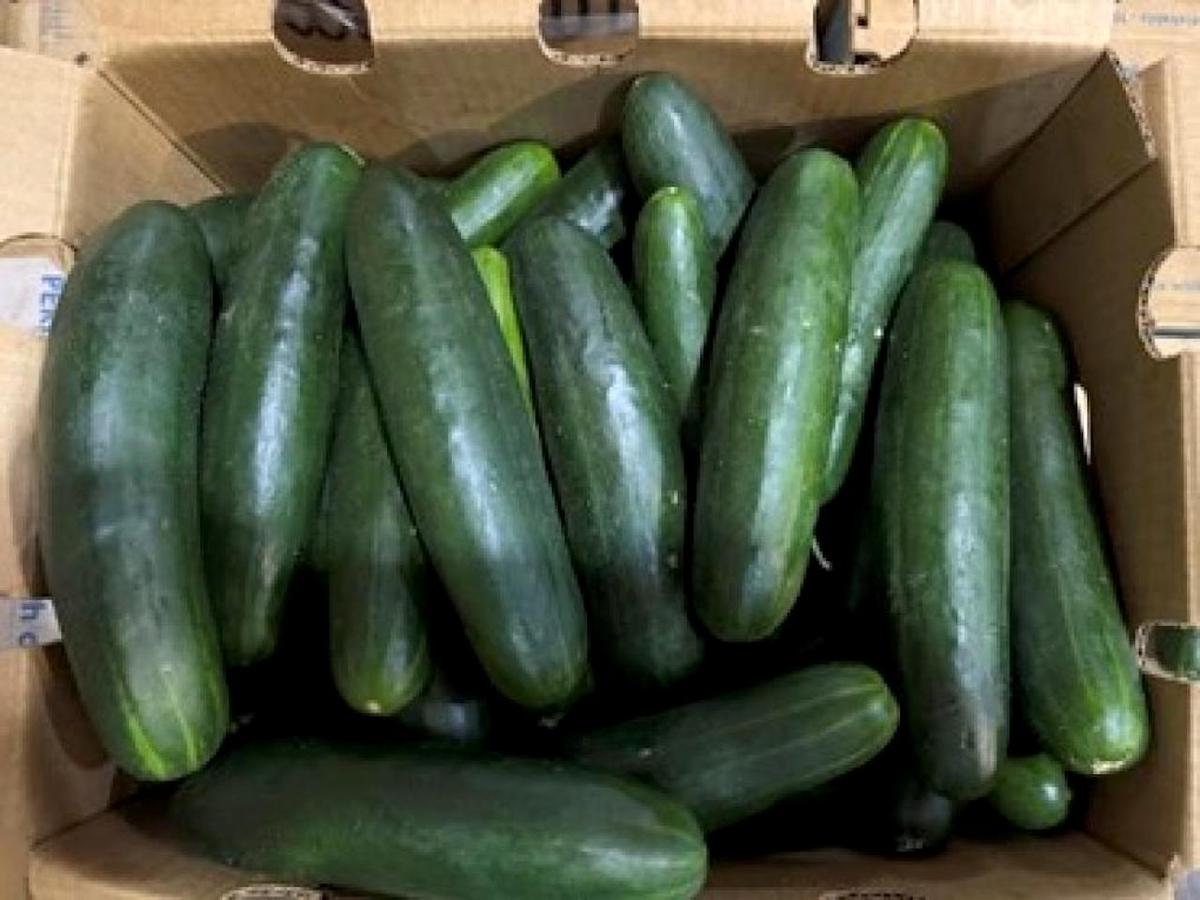
The recent Salmonella Africana outbreak is one of three active salmonella investigations, with the other two linked to fresh basil and backyard poultry.The recalled cucumbers were shipped to 14 states between May 17 and May 21. They were dark green, approximately 5-9 inches long, and roughly 1.5-2 inches in diameter. Images of these cucumbers have been published on the FDA’s website. English cucumbers and mini cucumbers are not affected by the recall.
Fresh Start Produce Sales, a Florida-based selling and shipping company, initiated the recall on May 31 after it was informed by the Pennsylvania Department of Agriculture that a cucumber sample tested positive for salmonella.
The cucumbers of interest should now be past their shelf life, according to the FDA.
However, for consumers who are concerned or suspect that they may have the recalled product, the FDA recommends not eating the cucumbers and throwing them away. Some consumers may also be notified by their grocery stores to discard any recalled cucumbers.
Surfaces and containers that may have come into contact with the recalled product should be cleaned and sanitized to reduce the risk of cross-contamination.